If your home feels restless after you “balanced” it, the problem may be that you copied the look without changing the flow.
The Hidden Truth About yin-yang-balance-home-tips feng shui
I once walked into a north-facing living room where everything looked correct: one cream lamp on the left side of a walnut sofa, a black-and-white throw folded neatly over the arm, and two round cushions that seemed to satisfy every rule a website could name. The owner had followed every bit of yin-yang-balance-home-tips feng shui advice she found online, yet the room felt jumpy. She kept smoothing the throw, the dog would not settle, and the mail sat unopened on the console for three days.
Something about that setup did not add up. The room had “balance” in the decorative sense, but not in the lived-in sense. One side was visually soft while the other side had a hard glass side table, three shiny photo frames, and a bright floor lamp that threw light straight into the seating area. That kind of mismatch creates a home that looks edited and feels restless.
People often chase symmetry because it feels controlled. Control is seductive. Still, a room can be perfectly arranged and deeply agitating if every object speaks at the same volume.
That is where your apartment may be too yang or too drained of movement, and where the room itself starts teaching your nervous system how to behave. A balanced home is not a showroom. It is a place where light, shade, texture, and open space take turns instead of shouting over one another.
I've seen dozens of bedrooms where the mistake was not too much of one thing, but too much sameness. Beige walls, beige bedding, beige curtains, beige lamp shades. The result was not calm. It was fatigue with a nicer wardrobe.
One sentence matters here: balance is felt before it is explained.
Why the usual advice backfires
Most advice stops at objects. Put something dark here. Add something bright there. Use two of this and two of that. The trouble is that yin and yang are not props; they describe movement, contrast, and timing.
In a real home, a heavy velvet chair beside an open window can feel right because the weight anchors the breeze. Put that same chair in a cramped hallway with a mirror opposite it, and the room begins to tighten. The energy does not need more decoration. It needs room to breathe.
That is why I push people to look at what the eye does next. After you enter the front door, does your gaze crash into a dark wall? Does it ricochet off glass, chrome, and polished white surfaces? Or does it land on something quiet, like a matte bowl, a plant with broad leaves, or a framed landscape that gives the mind a place to rest?
A home with healthy balance gives the body a pattern it can trust. A home with false balance gives you visual equality and nervous-system friction. Subtle difference. Huge effect.
For a fuller map of how areas of the home relate to each other, the bagua layout helps you see why one room can carry the mood for the whole house. And if you have ever wondered why a beautifully styled space still feels wrong, the five elements explanation usually points to the missing tone.
Where the home tells on itself
Start with the front door. A narrow entry in a one-bedroom apartment in the west side of a building will often collect shoes, bags, and packages because the first few feet have no breathing room. That pile is not just clutter. It changes the first impression from open to compressed, and compressed spaces make people act faster, speak shorter, and forget things on the way out.
Then look at the main seating area. If every chair faces the television and none faces the room, the home becomes a machine for staring. If the couch is shoved hard against the wall while a glass coffee table sits dead center, the room may appear tidy, yet the middle feels exposed and the edges feel stuck. Gentle tension builds there.
Bedrooms reveal the truth even faster. A bed centered under a window with no solid support behind the headboard creates a sleeping posture that never fully settles. One client had charcoal bedding, a mirrored closet door, and two tall metal lamps on either side. She thought the symmetry was elegant. Her sleep was fragmented, and she woke with her jaw clenched.
Move the mirror, soften the lamps, and the room changes within a night or two. Not because of magic. Because the body finally stops scanning.
For a deeper look at the room that shapes rest and attachment, this bedroom guide shows the details that matter most. And if your sleep has been off even with a decent layout, these bedroom rules explain why a single object near the bed can tilt the whole mood.
Still, don’t reduce this to “more yin” or “more yang” in the abstract. The question is always: where is the pause, where is the spark, and where does the eye need relief?
What I change first, and why
Strip one layer before adding another. A room full of matching objects often needs subtraction more than decoration. Remove one extra lamp, one glossy frame, one unnecessary stool. Suddenly the remaining pieces can speak.
Then shift texture, not just color. A room with too much glass and metal needs something that absorbs light: linen, wood grain, a woven basket, a wool throw. I have watched a pale guest room go from brittle to restful after a single oak bench replaced a mirrored side table near the bed.
Light deserves honesty too. Harsh white bulbs can flatten every surface and push a room toward alertness that never switches off. Dim, low, or layered lighting gives the evening a different cadence. That matters more than most people want to admit.
Space is not empty when it is intentional. Leave a clear line from the door to the center of the room. Keep the path around the bed free of obstacles. Let one wall stay quieter than the others. The eye needs somewhere to land without being forced to perform.
And yes, balance can include a small touch of movement. A plant with upright leaves near a still corner. A bowl of dark stones beside a pale ceramic vase. A single red book on a shelf full of neutrals. Tiny shifts. Stronger room.
One mistake people keep making
People treat symbols as substitutes for structure.
A pair of candles does not fix a room that has a blocked entry. Two metal ornaments will not calm a bedroom where the bed faces a mirror and the door. A crystal on a shelf will not rescue a living room where every surface is shiny and nothing absorbs sound.
wealth corner mistakes often begin exactly this way: people decorate the spot while ignoring the traffic around it. The corner looks “activated,” but the path to it is cluttered, so the energy never really arrives. The same thing happens with balance. The symbol gets attention. The movement gets ignored.
Kitchen tools can do this too. A row of knives left in plain sight on a counter feels efficient, even stylish, and then dinner starts to feel strangely tense. That is one reason I point readers to how knives shape kitchen mood. Sharp visual edges change the emotional tone of a room faster than people expect.
Short version: don’t confuse display with function.
How philosophy becomes practice in a real room
Classical yin-yang language was never meant to turn a home into a museum of opposites. It was meant to describe change. Morning light on the floor is not the same as afternoon light on the same boards. A dining room used for laptop work all day needs a different balance than the same room used only for dinner. Use the room, and the room starts telling the truth.
I keep thinking of a split-level home where the upstairs hallway was bright, open, and noisy, while the lower den was painted deep green with one small window. The family tried to “fix” the den by adding more bright objects. It only made the space sharper. What helped was a softer rug, a warmer lamp near the reading chair, and a wooden tray that grounded the coffee table without cluttering it. The room stopped feeling like a basement and started feeling like a retreat.
That is philosophy made practical. Not theory. Adjustment.
If you want a firmer method for deciding where a room feels heavy or exposed, reading the compass correctly helps, especially in homes with irregular layouts or angled walls. For more on using shape and direction without overthinking every corner, the apartment layout problem is worth your time.
Quick ways to test balance without overdecorating
Stand in the doorway and count what the eye hits first. Three bright objects in a row? Too much yang. One dark corner swallowing the whole back wall? Too much yin. The room tells you before your mind does.
Now sit on the sofa and notice your shoulders. If they rise, the room is overworking you. If they drop but you feel sleepy in a flat, sinking way, the space may be underlit or under-animated. That distinction matters.
Try the window test. Open the curtains in the morning and watch whether the room welcomes light or resists it. Heavy drapes, crowded sills, and dark furniture can make the same window feel like a cave opening instead of a source of life.
One more thing: listen. A balanced room does not echo like an airport lounge, and it does not swallow sound so completely that the place feels dead. The best rooms carry a soft, usable hush.
FAQ
Is conventional yin-yang-balance-home-tips feng shui advice reliable?
Sometimes, but only when it goes beyond surface decoration. A checklist can help you notice obvious extremes, yet it cannot tell you whether your entry is blocked, your lighting is too harsh, or your bedroom is quietly wearing you down. Look at movement first; the objects come after.
How do I know whether my home has too much yin or too much yang?
Pay attention to your body in each room. If you feel restless, over-alert, or unable to sit still, the space may be pushing too hard. If you feel dragged down, foggy, or oddly sleepy in the middle of the day, the room may need more lift, light, or structure.
Can I fix balance with décor alone?
Not for long. Décor can support the atmosphere, but it cannot compensate for poor circulation, awkward furniture placement, or a bedroom that gives no sense of backing and safety. The bones of the room decide the long-term effect.
Do I need to change every room at once?
No. Start where the discomfort is loudest. A front entry that feels cramped, a bedroom that keeps you awake, or a living room that never fully settles will show you more than a whole-house makeover ever could.
What if my style is mostly minimal and neutral?
Then the risk is not clutter; it is flatness. Minimal rooms need texture, depth, and at least one element that interrupts sameness, or they begin to feel like waiting areas. A linen shade, a wood chair, or a single plant can do more than another beige accessory.
Can I use this approach in a studio apartment?
Absolutely, and studios often show the pattern most clearly. One corner may serve sleep, work, and storage all at once, so the room needs stronger boundaries through light, furniture orientation, and texture. A fold-down desk, a rug shift, and a screen or tall plant can change the whole tone.
The oddest part is how quickly a room can expose a borrowed idea. Once you stop trying to make every corner look balanced, the apartment starts revealing what it has been asking for all along — and sometimes that answer is sitting right beside a lamp that is still too bright at 11 p.m.
Mei Chen
Traditionally informed guidance • Cross-referenced with classical Chinese source texts
Content draws from both Compass (Luopan) and Form (Xingshi) school traditions. Illustrative examples are composites based on consultation experiences.
Practitioner-Selected Tools for This Topic
Items our team has tested and found effective for the principles discussed above. Individual results may vary.
 -19%
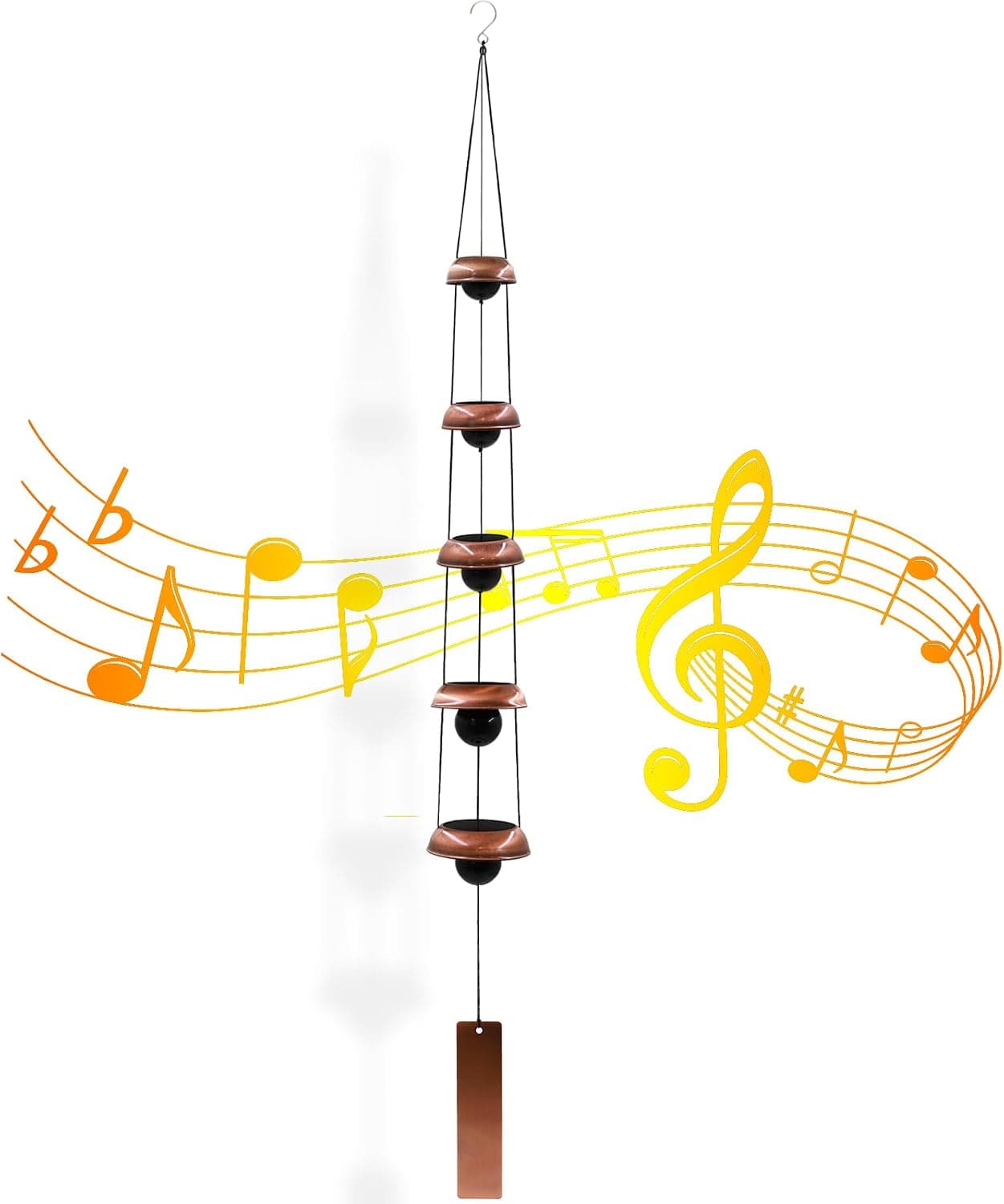
-19%Wind Chimes for Outside with 5 Bell Unique Copper Musical Chimes Feng Shui Wi...
 -5%
-5%YU FENG Evil Eye Money Tree, Blue Feng Shui Decor with Golden Buddha
 -29%
-29%Karma and Luck March Birthstone Crystal Tree of Life, Aquamarine Gemstone Fen...
 -29%
-29%Karma and Luck July Birthstone Crystal Tree of Life, Ruby Gemstone Feng Shui ...
As an Amazon Associate, we earn from qualifying purchases. We only recommend items our practitioners have personally tested.
Continue Your Journey
Explore these related guides to deepen your understanding:


Ready for Deeper Guidance?
Try our free I Ching reading for personalized wisdom, or explore our curated Feng Shui essentials.