The wrong corner in an L-shaped room can undo every careful 2026 adjustment before the month is out.
The Hidden Truth About year-of-the-horse-2026-tips feng shui
, and the clue usually sits in the floor plan. I once walked into a narrow apartment where the dining area bent around a hallway like a missing tooth; the owner had already placed red accents, a brass horse, and a row of lucky objects near the south wall. Sleep still broke at 3:10 a.m. every night. Bills arrived late, then were paid in a rush. The problem was not effort. It was geometry.
An L-shaped home behaves like a sentence with the middle cut out. Energy enters, moves confidently through the broad section, then stalls at the recessed pocket where people store boxes, shoes, or an abandoned lamp. In the year of the Horse, that matters more than glossy advice admits, because the Horse likes movement, clarity, and a route that does not lurch into dead space. Put bluntly: a home can look well decorated and still feel like it keeps forgetting where it was going.
That is why the usual seasonal advice can backfire. If you only add one symbol or one color, you may sharpen activity in the wrong place while leaving the missing leg of the L untouched. The result feels odd in daily life: you start working harder in the kitchen, but the study gets foggier; conversations become lively in the living room, but one bedroom feels cold enough that nobody lingers there. I've seen this pattern enough times to stop trusting surface fixes.
One winter evening, in a split-level house with a sage-green living room and a black coffee table tucked under a beam, the owner had followed every popular 2026 suggestion he could find. The front entry looked bright. The wealth shelf had a plant. Still, the corner beside the stair landing collected unopened mail and a bicycle pump, and that little pocket acted like a sinkhole. Once we mapped the plan, the issue was obvious: the home was trying to behave like a rectangle while its shape kept whispering otherwise.
The first correction is almost boring, which is exactly why people miss it. Define the missing area. In feng shui terms, a cut-out edge does not vanish just because you stop noticing it. Mark it with light, a grounded object, or a functional use that prevents neglect. For a deeper map of this process, see how to map energy in your home without overthinking it.
Then watch how the room actually works, not how you wish it worked. A recess near the east side may need a chair, a plant, or a reading lamp rather than another trinket. A south-facing notch might need to stay visually active, but not noisy; too much fire there can make the whole room feel like it is vibrating. The same house can ask for different remedies in different corners, which is why the annual chart alone never tells the full story.
Two words matter here: missing edge. Not broken. Not unlucky. Missing edge. Once you treat the void as part of the design, you stop feeding chaos and start guiding movement through the plan. That shift is subtle, yet it changes how people use the space: they sit longer at dinner, stop rushing out of the bedroom, and quit dumping keys wherever there is a flat surface.
For the year of the Horse, I look for places where motion should continue but instead collapses. Hallways that widen abruptly. A dining room that opens into a dead alcove. A bedroom where the wardrobe blocks the natural line from the door. These are not dramatic flaws. They are small interruptions that train the body to brace, pause, or hurry.
How the L-Shape Changes the 2026 Reading
An L-shaped home disturbs balance because one side receives more visual and physical traffic than the other. The occupied arm gets sound, footfall, and attention; the recessed arm becomes the storage bay, the forgotten desk, the corner nobody wants to face. That split creates a practical imbalance before it becomes an energetic one. People tend to call this a vibe problem. It usually starts as a use problem.
The Horse year amplifies speed. That can help a stagnant house wake up, but it can also expose structural bias. In a straight, open plan, movement may circulate cleanly. In an L-shaped plan, momentum can collect in the long arm and leave the hidden pocket underfed. You notice it when the home feels lively in one section and strangely reluctant in another, almost like two different moods share the same address.
Common advice says to add more fire. Fine, sometimes. Yet fire in the wrong bend can create agitation rather than forward motion. A scarlet cushion under a sloping ceiling will not fix a dark recess that already feels ignored. Better to ask where the eye stops. Where does the route break? Where do shoes pile up because nobody wants to carry them farther? Those answers tell you more than a generic annual remedy ever will.
For people who like technical language, this is a branch issue, not just a sector issue. The bagua overlay may show a wealth area or relationship area, but the floor plan determines whether qi can actually reach it without collapsing into a corner. If that sounds abstract, walk through the room slowly at dusk and notice which places you avoid. Your feet will tell the truth before your head catches up.
The Horse also dislikes muddle. A cluttered recess in an L-shaped apartment can trigger a restless loop: you see the mess, delay clearing it, then start working around it, and the room gradually trains you to think in detours. That is how a layout begins shaping habits. Not mystically. Repeatedly.
What Goes Wrong When People Follow the Rules Too Literally
Someone followed all the year-of-the-horse-2026-tips feng shui rules and it backfired. The living room looked careful: red on the sideboard, a metal bowl near the entry, fresh flowers by the window. But the home was an L shape, and the recessed end held a cat tree, a stack of unused frames, and a floor lamp that never quite reached the dark patch. The owner kept reporting wired evenings and flat mornings. No single object was wrong; the arrangement simply ignored the plan.
Another mistake: overcorrecting with symbols. A brass horse in every room does not help if the layout itself creates a drag point. Symbolic objects are accents, not substitutes for circulation. If you place them where they have no room to “arrive,” they feel staged. Then the home gets visually busier while the underlying fatigue remains unchanged.
People also love symmetry, even when the house refuses it. They line up pairs of lamps or mirrors to make the space seem balanced. Sounds sensible. In an L-shaped room, that can draw attention to the very void you meant to soften. Better to use one strong anchor and support the missing side with function, light, or a plant that actually survives there.
One more trap: ignoring the doorway path. In several homes I've seen, the front door opens toward the long arm of the L while the short arm disappears behind a sofa or tall shelf. Traffic then pours into the obvious path and never nourishes the recessed side. That is how a bedroom at the back begins to feel underused, and why a desk placed there starts collecting unpaid tasks.
The mistake is not believing in feng shui. The mistake is treating it like a decal package. Move this. Place that. Done. A home with irregular geometry laughs at that approach. It asks for diagnosis.
Practical Moves for the Missing Corner
Start with the pocket that gets neglected most often, usually the inside elbow of the L. Keep it lit, but not glaring. A warm floor lamp two or three feet from the wall can make that space feel inhabited without turning it into a stage set. If the area is for storage, use covered baskets and a single clear purpose; chaos breeds faster in dim corners than in open ones.
Then check the room’s dominant axis. Does the eye travel from the entry straight past the dining table and into the dark leg of the plan? If so, slow it down with a low cabinet, a plant with upright leaves, or a piece of art that gives the corner a job. Not decoration for decoration’s sake. Occupation.
For a wealth-sensitive area, a contained arrangement works better than scattershot items. This is where many readers find coin placements that make money feel managed, not chaotic useful, especially in homes where money papers and chargers already tend to spread across surfaces. Keep the collection small, deliberate, and visible from the room rather than buried inside a drawer that never gets opened.
Bedroom placement deserves extra caution. In an L-shaped apartment, the sleeping zone often lands near the recess or close to a traffic line. That can make the body stay half-alert all night. Review the bed position against the room’s geometry with turning a bedroom into a sanctuary requires less than you'd think, then remove anything that forces the sleeper to “watch” the room.
Color helps only when it respects the function of the space. A deep green reading chair can steady a north-side nook. A small red accent may warm a dull corner, but a full red treatment in a room already full of movement can leave people edgy by dinner. More color is not the same thing as better correction.
Watch the floor. Seriously. People obsess over walls and forget the base level where the body reads safety first. A mat, rug edge, or shifted chair can change how a recess feels underfoot. When the hidden arm of the L starts receiving deliberate use, the whole house stops acting lopsided.
If the layout is especially awkward, work from use instead of symbolism. Put the ironing board where you already pass through. Make the dead nook into a tea corner. Turn the awkward inside turn into a place for books, not boxes. That way the room earns its shape rather than apologizing for it.
What to Check Before You Add Another Cure
Before adding anything for 2026, look for the places where energy gets interrupted. A tall plant shoved too close to a narrow corridor can pinch movement. A mirror pointed at a cluttered elbow can double the visual disorder. A shelf that blocks a side branch of the room can make that section feel abandoned, even when it is technically “furnished.”
How do you know a remedy is working? The room stops asking for constant rescue. You no longer leave socks in the hallway because the bedroom feels inconvenient. The mail stops drifting to the same tabletop. Conversation lasts longer in the dining zone because nobody keeps glancing toward the dark recess behind them. That is the kind of change that matters.
Do not chase every annual rumor. A home with a cut-out plan needs less noise, more coherence. Sometimes the most useful step is to remove the object that is crowding the flow, not add a new one. A too-large console in the wrong bend can do more damage than an empty wall ever will.
One sentence I repeat often: the house tells you where it is stuck. If a chair never gets used, if a corner gathers dust, if a doorway makes you hesitate, those are not minor quirks. They are the map.
For a deeper layer on how annual patterns alter room-by-room decisions, compare this with 2026 flying stars need different remedies room by room. It helps separate the yearly overlay from the shape of the building itself, which is where many people get lost.
Case Notes: The Diagnosis, Not the Decoration
The clearest cases are rarely the prettiest. In one apartment, the living room had cream walls, oak shelves, and a blue rug that looked calm in photos. Yet the room was L-shaped, with the short leg ending beside a half-used desk and a window that faced a brick wall four feet away. The owner had been trying to “energize” the space with candles and a red throw. What the room actually needed was a defined function, a lighter visual endpoint, and less pressure on the dead corner.
That is the deeper lesson for year of the Horse adjustments. Speed works only when the track is clear. Give the room a clean route, then let motion happen. A lamp can guide. A chair can claim the elbow. A plant can soften the turn. None of those fixes are dramatic. They are specific, and specificity is where results begin.
When clients ask for the quickest solution, I usually ask where they drop their bags first. The answer is never random. It points to the zone that feels least settled, the one that has quietly taught them to unload their attention along with their keys. Fix that behavior, and the room starts to change before the paint does.
There is a temptation to treat odd geometry as a cosmetic issue. It is not. An L-shaped home can push people into habits they later misread as personality flaws: restlessness, procrastination, overtalking, avoidance. The floor plan is not the whole story, but it writes part of it every day.
How to Work With, Not Against, the Shape
First, trace the outline with your eyes in daylight and again at night. Different problems show up after sunset. The bright corner may vanish into a shadow pocket after 7 p.m., and that is often when the room begins to feel incomplete. A simple lamp or uplight can reveal whether the space needs warmth, emphasis, or a softer boundary.
Next, choose one function for the neglected arm of the L and protect it. Reading nook. Tea shelf. Planning desk. Pet resting zone. A room that knows what it is doing stops leaking intention. That single decision often matters more than any decorative purchase.
Then use restraint. Overfilling an awkward recess makes it look defended rather than resolved. Leave air around the object you place there. Let the edge breathe. Let the eye understand the turn instead of fighting it.
There is a point where the fix becomes obvious: when the room stops asking for attention and starts supporting the life that happens inside it. That is the moment I watch for, not a picture-perfect arrangement. A sensible house feels easier to cross barefoot.
For readers who want a broader foundation before working room by room, start with the alcove advantage that changes a front door fast and then move inward. Entry, circulation, and missing corners are linked more tightly than most people realize.
FAQ
Is conventional year-of-the-horse-2026-tips feng shui advice reliable?
Often, no. It usually assumes the room is basically balanced, which an L-shaped plan is not. The advice can still help, but only after you account for the missing edge, the traffic path, and the place where the home seems to stop paying attention.
How do I know my L-shaped room needs more than a simple cure?
If the same corner keeps collecting clutter, or one section of the room always feels cooler and less used, the layout is doing part of the damage. That pattern tends to show up as uneven sleep, scattered paperwork, or people avoiding one side of the room without knowing why.
Should I put a horse symbol in the missing area for 2026?
Only if the area can actually support it. A symbol placed in a dead pocket without light, function, or access tends to look stranded. A better move is to give the space a clear job first, then choose an object that supports that use.
What if my apartment is so irregular that every corner feels different?
Start with the most neglected zone and fix circulation there first. Counterintuitively, one well-handled nook often improves the whole plan more than trying to correct every corner at once. The body notices relief before the mind does.
Can a dark alcove affect money or relationships?
It can, because people begin avoiding the places that feel incomplete. Avoidance turns into delayed tasks, shorter conversations, and a habit of rushing past what should be lived in. Over time, that changes how the home supports daily decisions.
Do I need a compass reading before adjusting an L-shaped layout?
Sometimes, but not always as the first step. The shape itself often reveals the main problem before directions do. Once the flow is repaired, a more precise reading can fine-tune the work instead of replacing it.
Some homes announce their trouble quietly, through a chair nobody uses or a corner that never quite joins the room. The oddest part is how fast the house becomes calmer once that silence is finally taken seriously.
Mei Chen
Traditionally informed guidance • Cross-referenced with classical Chinese source texts
Content draws from both Compass (Luopan) and Form (Xingshi) school traditions. Illustrative examples are composites based on consultation experiences.
Practitioner-Selected Tools for This Topic
Items our team has tested and found effective for the principles discussed above. Individual results may vary.
 -19%
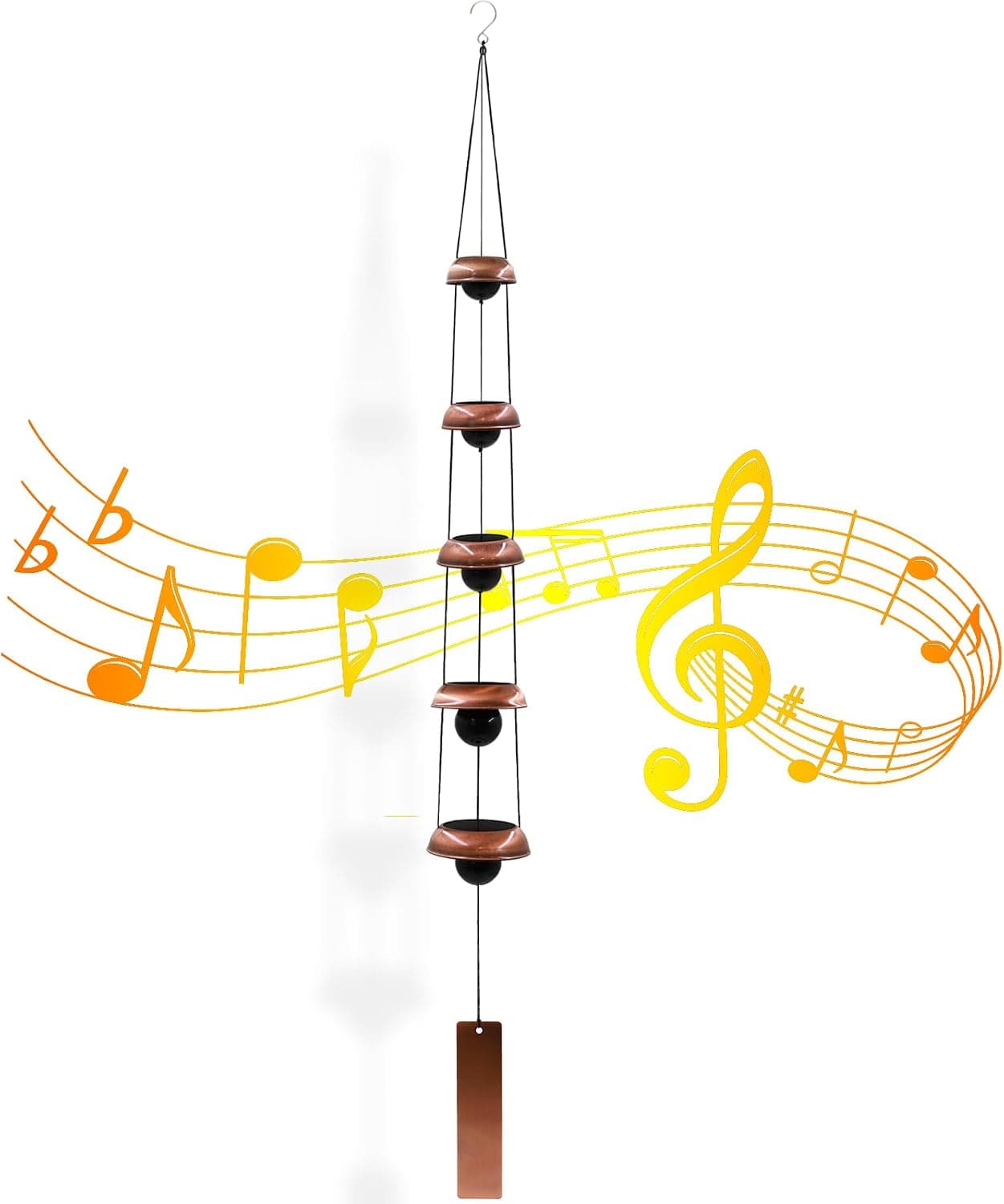
-19%Wind Chimes for Outside with 5 Bell Unique Copper Musical Chimes Feng Shui Wi...
 -5%
-5%YU FENG Evil Eye Money Tree, Blue Feng Shui Decor with Golden Buddha
 -29%
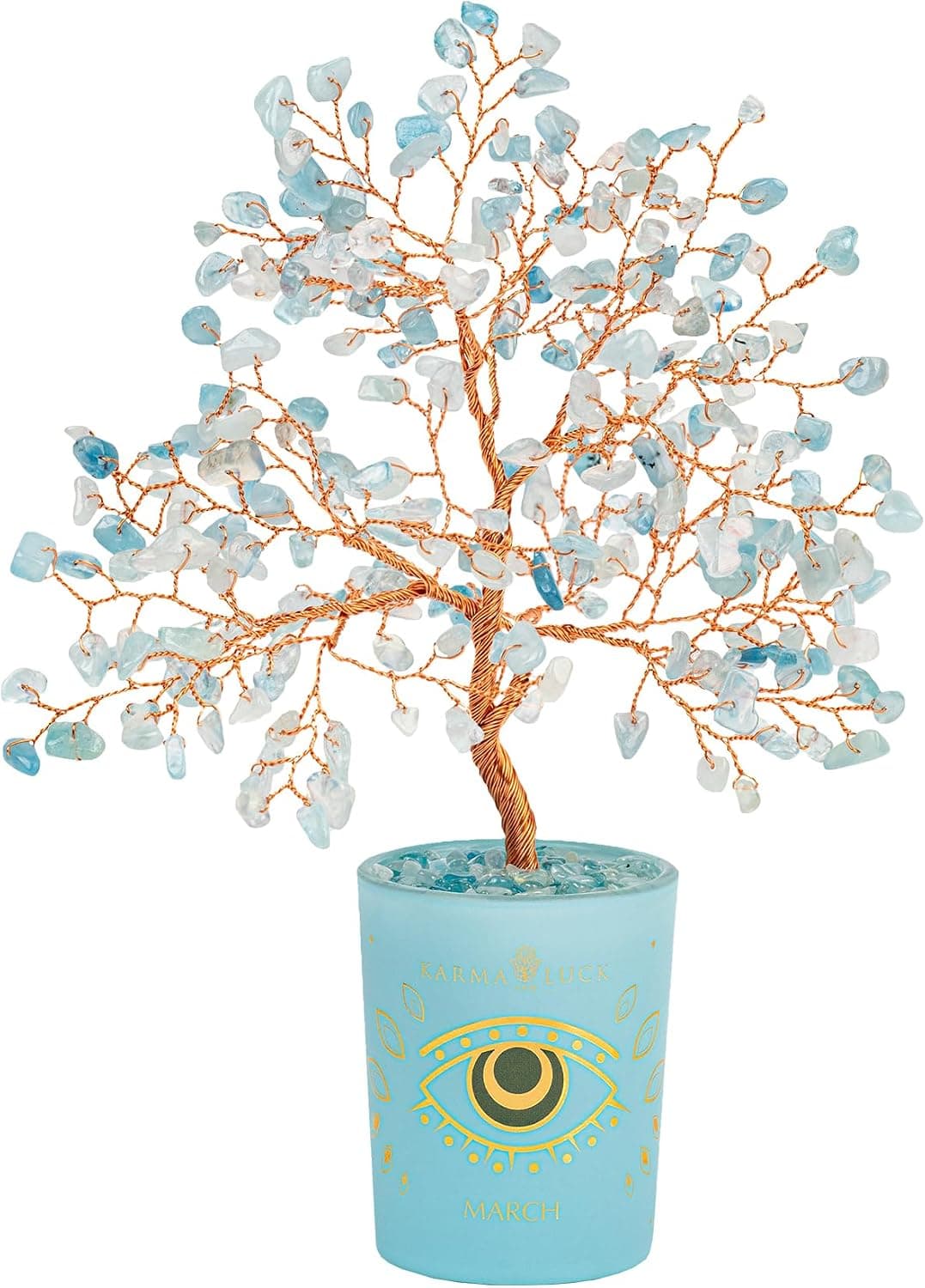
-29%Karma and Luck March Birthstone Crystal Tree of Life, Aquamarine Gemstone Fen...
 -29%
-29%Karma and Luck July Birthstone Crystal Tree of Life, Ruby Gemstone Feng Shui ...
As an Amazon Associate, we earn from qualifying purchases. We only recommend items our practitioners have personally tested.
Continue Your Journey
Explore these related guides to deepen your understanding:


Ready for Deeper Guidance?
Try our free I Ching reading for personalized wisdom, or explore our curated Feng Shui essentials.