English translations turned a cyclical system into a luck slogan. That’s why Goat-born readers need a cleaner 2027 method.
How a Chinese zodiac year became a shortcut in English
A translated article that says “2027 is your year” can mislead Goat-born readers fast, because the original framework was never meant to hand out one fixed answer. It was built to track repeating cycles, changing influence, and the relationship between a person and their surroundings.
That shift matters. In English, the year often gets treated like a label: lucky, unlucky, favorable, blocked. In Chinese practice, the same year is read more like a weather pattern. You do not argue with weather. You prepare for it.
That preparation starts at the threshold, because the front door is where annual qi enters the home and where your own mind first decides, “This place is organized” or “This place is fighting me.” I have seen a narrow entry with black boots, a leaning umbrella stand, and a red paper charm taped crookedly beside the lock; the owners kept saying the house felt tense, and of course it did, because every arrival began with visual friction.
For Goat-born people, that first impression matters even more in 2027, because the mind is already sensitive to tone, texture, and social atmosphere. A cluttered entry does not just look messy; it trains hesitation. Clean open floor space at the door does not magically make life perfect, but it reduces the split-second stress response that makes every task feel heavier than it should.
That is the real translation error in year of the goat 2027 feng shui: English readers are told to look for a lucky object, while the older logic asks what repeated cue will change behavior, mood, and timing.
For a deeper base layer, many readers also benefit from understanding how the home sectors relate to daily use, because direction is never just theoretical on paper.
Why the Goat matters in 2027 more than the slogan does
Goat-born readers are usually told to focus on love, harmony, or softer energy, and that sounds pleasant until you realize pleasant is not specific. In 2027, the better question is where your system needs support: rest, focus, confidence, or boundaries.
The Goat sign tends to respond strongly to atmosphere. That is not mysticism for its own sake; it is social psychology in a Chinese framework. People adjust posture, breathing, and attention based on what a room asks of them, and Goat-born readers often feel that request more quickly than others. In practice, that means they are less helped by abstract promises and more helped by environments that reduce friction before the day even starts.
In a study corner, that can look like this: a desk facing a blank wall, a harsh ceiling light, scattered receipts, and a laptop pushed too far left. The result is mental drag. Change the visual field with a warm lamp, a clear writing surface, and one grounded object in muted green or cream, and focus often returns before anyone calls it “luck.”
This is where people oversimplify the goat year. They chase symbols first and living habits second. But symbols work best when they support a behavior you already want: calmer mornings, steadier sleep, fewer arguments at the door, less visual noise at the desk. The symbol is not the engine; it is the cue that helps the engine start.
That is why a remedy placed in the wrong room can feel decorative instead of active. If the entry is chaotic, fix the entry. If the bedroom is overstimulating, soften the bedroom. If the desk feels oppressive, address the desk. A well-placed adjustment works because it solves a real spatial problem, not because it carries a label.
For Goats who want to match annual influence with practical support, the 2027 color field for your home gives a useful backdrop, but it should be read as a support system, not a costume.
What changed when translation turned cycles into horoscope shorthand
English-language feng shui often trims the relational part out of the story. A cycle becomes a prediction. A seasonal adjustment becomes a personality headline. A contextual remedy becomes a universal rule.
That flattening creates confusion because it treats every Goat-born person as though they occupy the same household, the same job, and the same emotional load. They do not. A retired reader in a quiet apartment, a parent sharing one hallway, and a consultant working from a small spare room each need a different response to the same annual pattern.
Shared space makes this even clearer. A family may want the front entry to feel lucky, but one person wants bright red accents for momentum while another wants a calm threshold with no visual shouting. Sociology matters here because a room is not only a direction; it is a negotiation between people, routines, and status. Translation obscured that by turning a relational practice into a simple forecast, which is why people keep asking for one “correct” cure when the real answer depends on use.
I watched this play out in a front entry with pale tile, two pairs of shoes by the door, and a small red tassel hanging beside a dark wood console. One person felt energized, another felt irritated, and both were right. The fix was not to choose ideology. It was to reduce blockage, keep one clean symbolic accent, and let the space do one job clearly.
This is also why the year of the goat 2027 feng shui conversation should never stop at one color or one charm. The point is not to decorate harder. The point is to align the visible environment with the behavior you want repeated. Once translation reduced the system to shorthand, it became easier to sell but harder to use.
If the entry is the first-contact zone, then the bedroom is the recovery zone, and the desk is the execution zone. Each one needs a different kind of support.
For people who want to compare annual remedies with room use, the 2027 annual cure pattern helps separate symbolic placement from random ornamentation.
The 2027 energy map for Goat-born readers
Think in layers. First comes the body: how tired, tense, or overstimulated you feel. Then comes the room: what the eye sees first, what the feet meet first, and what the hand reaches for automatically. Then comes the annual layer: directions, colors, and remedies that reinforce the response you want.
For Goat-born readers in 2027, soft earth tones tend to help more than loud contrast because they reduce the sense of being pushed around by the environment. Cream, warm beige, sandy brown, muted green, and restrained red can all work, but only when they support an actual function. A bold red vase in a cramped entry can feel like a shout. A gentle red accent near a tidy threshold can feel like confidence.
The same logic applies to directions. If the desk sits in a direction that already feels mentally noisy, do not force a dramatic ritual and hope for the best. Adjust the chair angle, clear the immediate field of vision, and add one steadying cue that faces you when you work. The cue matters because repeated sight trains repeated behavior.
One Goat-born professional I observed had a north-facing study with a charcoal monitor stand, a blue notebook stack, and a bright overhead bulb that made the whole room feel severe. A simple remedy moved to the left side of the desk, paired with a warm lamp and a cream-colored blotter, changed the posture of the space within days. The shoulders dropped. The screen felt less hostile. The work still took effort, but it stopped feeling like resistance.
That is the mechanism: perception alters mood, mood alters posture, posture alters performance. Feng shui works through the body first, then through belief. People often expect the reverse.
For visual support that does not overheat the room, a restrained crystal placement at the desk can be useful when it is chosen for function rather than sparkle.
Where to place remedies when the room, the body, and the mood all respond
Start at the front door. If shoes, parcels, or hanging coats crowd the threshold, clear them before adding anything else. Open floor space tells the nervous system that arrival is simple. Stacked objects tell it to brace.
Then choose one intentional cue, not five. For a Goat-born household, a single calm accent in warm earth or muted green often works better than a cluster of shiny objects. The eye needs somewhere to land. If every surface competes, the room keeps asking for attention instead of giving it back.
The bedroom comes next because Goat energy can become over-absorbed by the mood of a room. Lower the visual volume there. Softer lamps, fewer sharp edges, and less red near the bed usually help if sleep has felt light or restless. Not because red is evil, but because the body may already be running hot.
At the desk, light is the hidden lever. Daylight from the side is better than glare from above. A lamp that pools light on the work surface can calm attention because it creates a smaller, more manageable field. Keep the chair oriented so you can see the room without feeling exposed. That balance helps concentration and reduces the urge to escape.
The surprising part is how quickly people feel the shift. They think they are waiting for fortune, but what changes first is behavior. They stop fumbling for keys. They sit down faster. They begin work with less internal argument. That is not a minor effect.
For bedroom-specific support, softer color choices for rest zones can help you avoid turning recovery into another stimulation project.
Using 2027 as a living cycle instead of a lucky-year slogan
Once you stop treating the year as a label, the calendar becomes useful. A cycle gives you timing. Timing gives you better habits. Better habits make the house easier to live in.
That means small adjustments done consistently matter more than dramatic one-time rituals. Clean the entry weekly. Keep the desk reset before the day ends. Remove one object from the bedroom if it does not support rest. These actions are mundane, and that is precisely why they work. Repetition is the engine.
Shared-space agreements matter too. If you live with other people, do not frame the change as superstition or control. Frame it as comfort, arrival, and focus. That language travels better across households because everyone understands a calmer door, a quieter bedroom, and a desk that helps work instead of interrupting it.
The cultural lesson hidden inside year of the goat 2027 feng shui is simple: translation should not strip out the mechanism. It should make the mechanism usable. If a symbol makes the space easier to enter, easier to rest in, and easier to work in, it is doing its job. If it only looks traditional, it is decoration.
Keep the house readable. Keep the cues gentle. Keep the annual layer in conversation with the people who actually live there.
That is how the year becomes livable instead of merely labeled.
Common mistakes Goat-born readers make in 2027
The first mistake is treating one lucky object like a universal answer. A charm at the wrong threshold, or a bright cure in a room that already feels overstimulated, can add noise instead of support. Placement matters because rooms have jobs.
The second mistake is overfilling the entry with symbols while leaving the floor blocked. People love a dramatic doorway and then wonder why mornings feel tense. The door is not a shrine. It is a traffic point.
One more error shows up often in the bedroom: using the same strong accent that helped at the front door and assuming it belongs beside the bed. It usually does not. Rest needs less interruption, not more proof that you are “doing feng shui right.”
If you want the broader context for choosing support objects without clutter, front-entry practice starts here because that zone sets the tone for the entire home.
FAQ
Is the Year of the Goat in 2027 automatically lucky for Goat-born people?
Not automatically. A Goat-born person may feel more resonance with the year’s tone, but the result still depends on the room, the routine, and the pressure already present in daily life. Lucky years still need structure.
What colors work best for Goat-born readers in 2027?
Muted greens, creams, warm earth tones, and careful touches of gentle red are often easier to live with than aggressive contrast. The better question is where the color will be seen most often, because repeated sight shapes mood and habit.
Do I need to place remedies in every room?
No. One well-chosen adjustment in the entry, bedroom, or desk usually does more than scattering objects everywhere. A strong placement is clear; a weak placement just becomes clutter.
Surprising as it sounds, can a remedy work partly because of psychology?
Absolutely. A visible adjustment changes what the eye notices first, and that changes the body’s response before belief even catches up. That is why a tidy threshold or a calmer lamp can feel powerful so quickly.
Mei Chen
Traditionally informed guidance • Cross-referenced with classical Chinese source texts
Content draws from both Compass (Luopan) and Form (Xingshi) school traditions. Illustrative examples are composites based on consultation experiences.
Practitioner-Selected Tools for This Topic
Items our team has tested and found effective for the principles discussed above. Individual results may vary.
 -19%
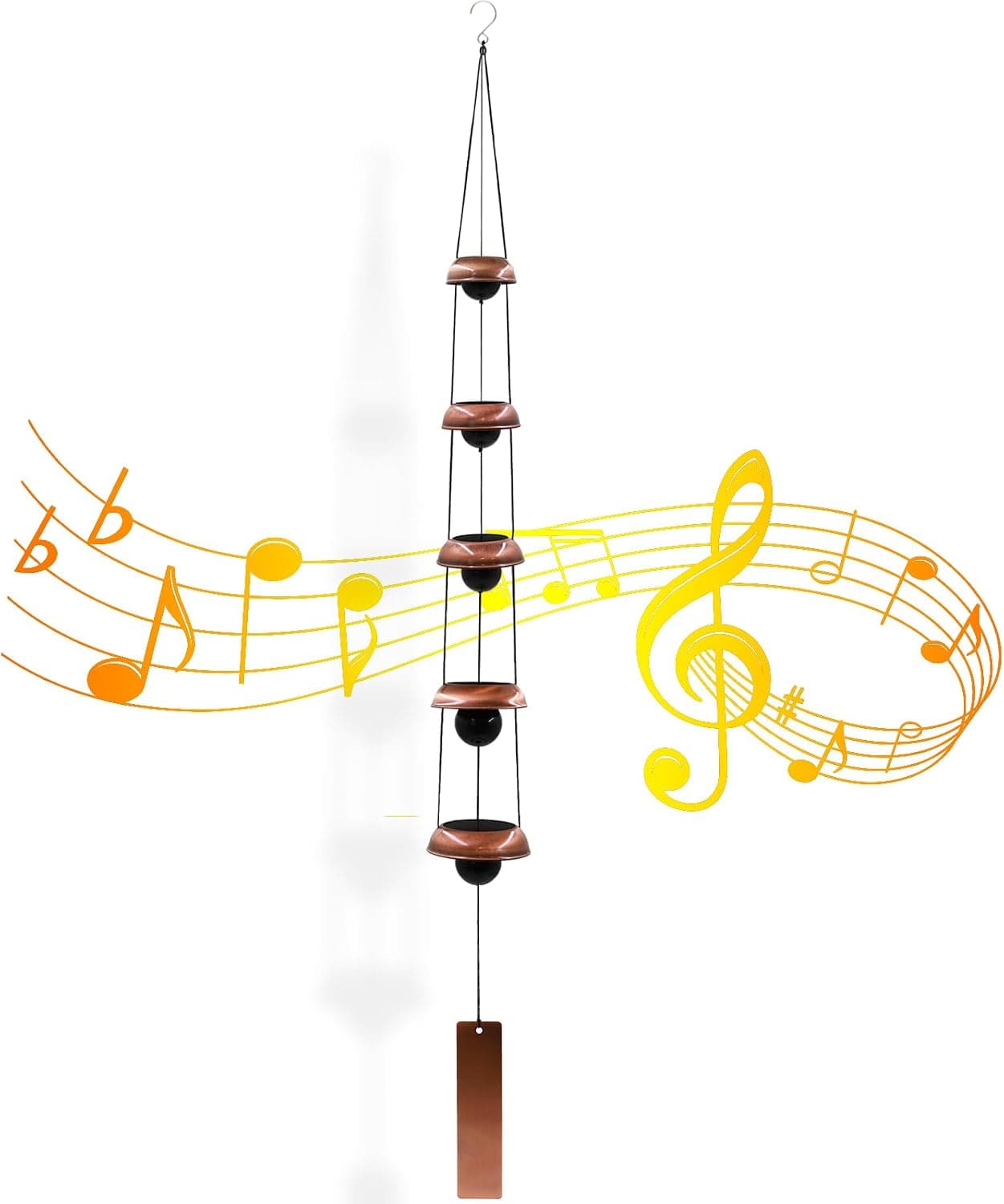
-19%Wind Chimes for Outside with 5 Bell Unique Copper Musical Chimes Feng Shui Wi...
 -5%
-5%YU FENG Evil Eye Money Tree, Blue Feng Shui Decor with Golden Buddha
 -29%
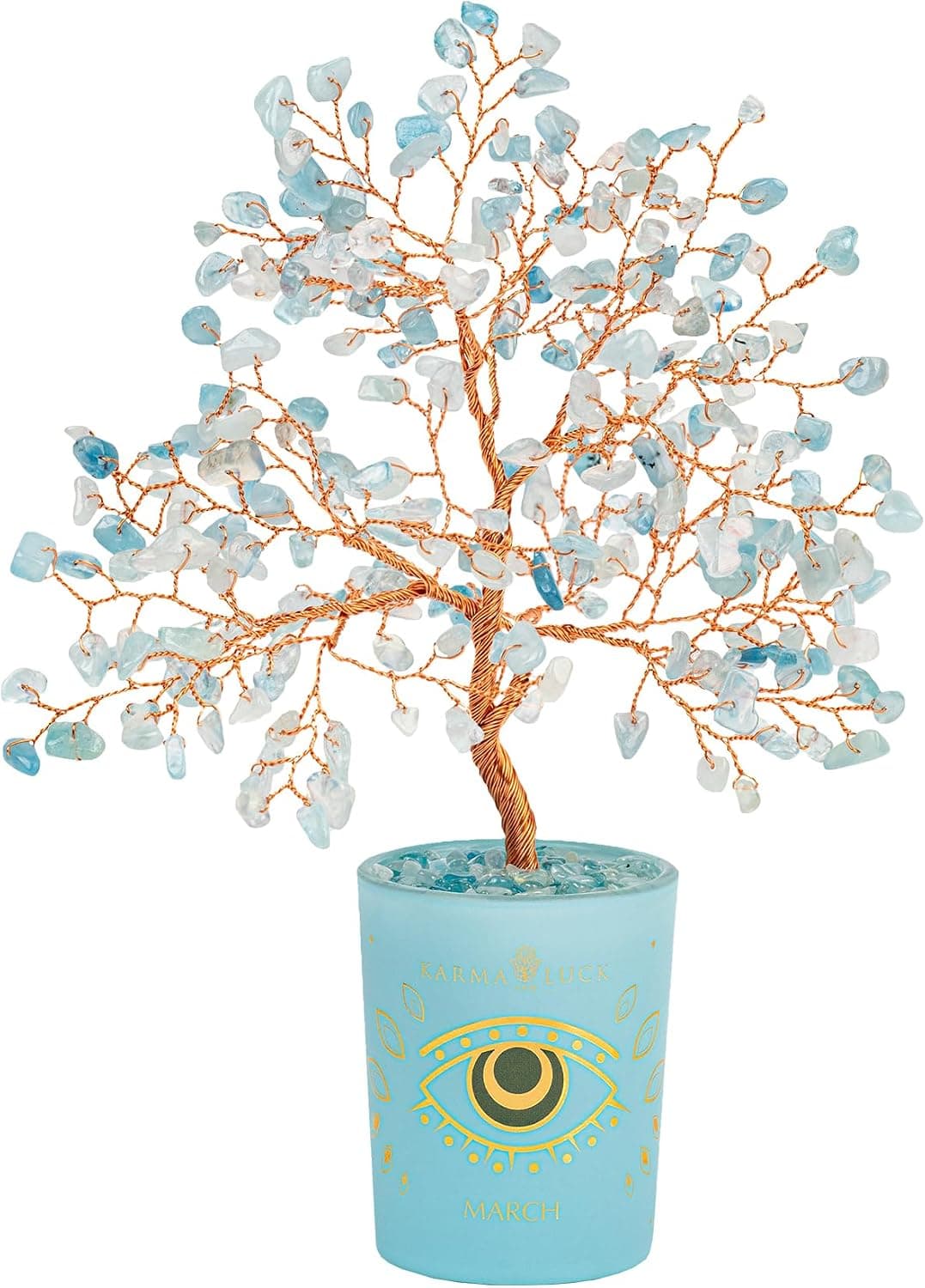
-29%Karma and Luck March Birthstone Crystal Tree of Life, Aquamarine Gemstone Fen...
 -29%
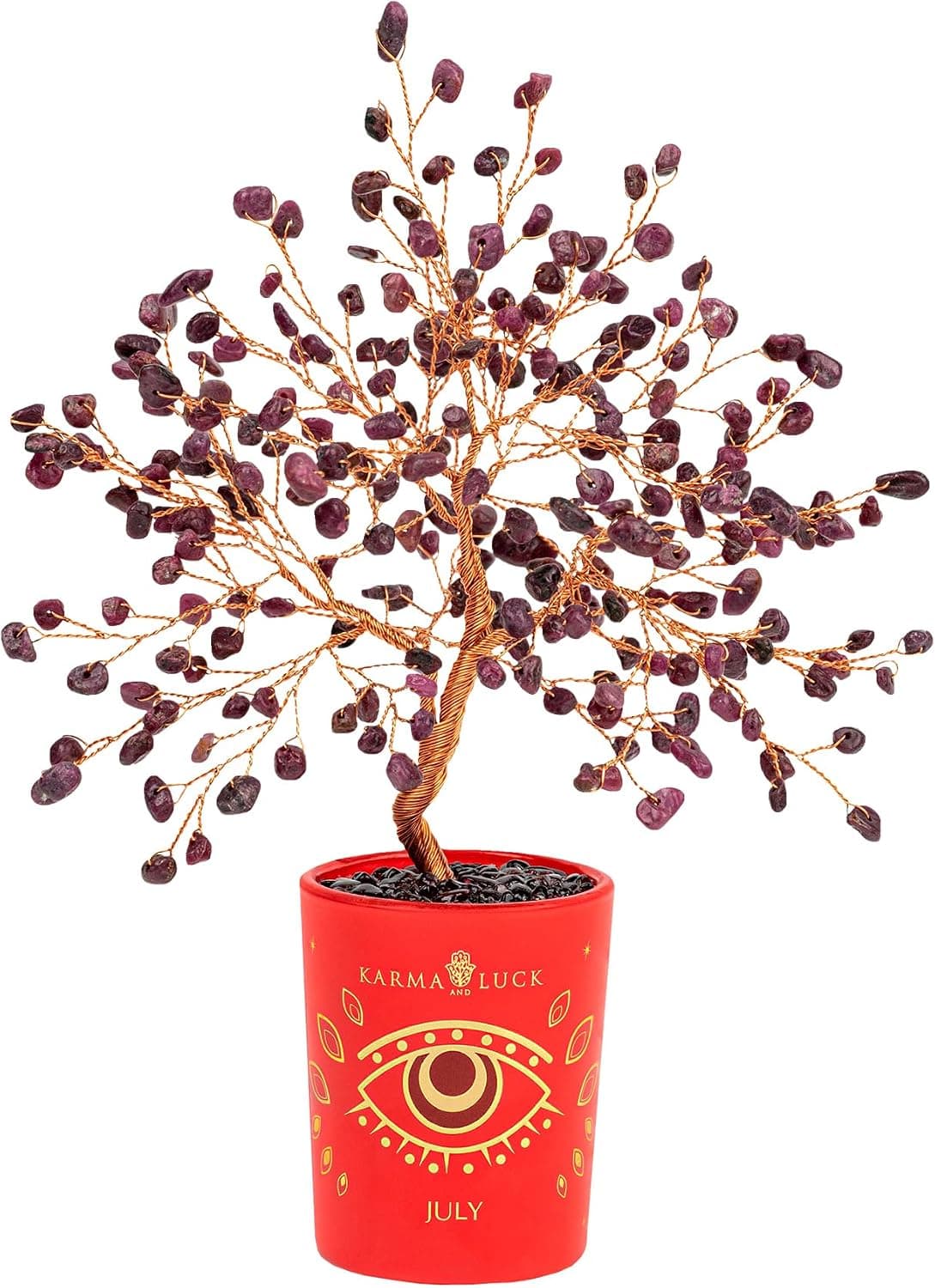
-29%Karma and Luck July Birthstone Crystal Tree of Life, Ruby Gemstone Feng Shui ...
As an Amazon Associate, we earn from qualifying purchases. We only recommend items our practitioners have personally tested.
Continue Your Journey
Explore these related guides to deepen your understanding:


Ready for Deeper Guidance?
Try our free I Ching reading for personalized wisdom, or explore our curated Feng Shui essentials.