One quiet practice can change how a whole day behaves—if you let it touch the ordinary moments.
Morning Before the World Starts Pulling
Dawn came thin and gray through the open window, and the bedroom still held the coolness of the night. A folded mat sat on the floor beside a low wooden stool, with a small bowl of water catching the first light like a dull coin.
The practitioner did not face the bed. He faced a blank wall, because the eye needs less than the mind thinks it does. That choice matters more than people expect. A room full of visual noise keeps asking for attention, and attention is already busy enough before breakfast.
I have seen this setup in a narrow apartment above a bakery, where the path between bed, desk, and meditation corner was barely wide enough for one person. That was the point. The practice was woven into movement, not isolated like a museum piece. He stepped from sleep to sitting to washing his face without dramatics, which is how Tao philosophy tends to work when it is actually lived.
There was no heroic performance in the first sitting. He sat, felt the cool floor under bare feet, and let the breath arrive before he tried to improve it. That is the first hard lesson: non-forcing does not mean doing nothing. It means stopping the urge to bully the moment into being different from what it is.
When the mind wandered to unfinished messages and the price of groceries, he did not scold it. He returned to posture, to breath, to the small pressure settling into the hips. Repetition does something subtle there. It trains embodied awareness so tension is noticed earlier, before it hardens into a bad mood, a sharp reply, or a day that feels thicker than it should.
The Breath That Changes the Room
After breakfast, the kitchen smelled faintly of tea leaves and warm grain toast. The kettle began to murmur, then boil, and he stood beside it with one hand on the counter while the other hovered over a laptop already lit with email alerts. The old habit was to grab the phone first. The Taoist habit was to pause.
That pause was tiny. Five seconds, maybe ten. Yet it interrupted the automatic stress loop that usually turns one notification into twelve decisions. In that gap, choice becomes possible. Reply now, or after tea. Wash the cup now, or after the water cools. Those are small decisions, but they are how a day is shaped.
The mistake many people make is to hunt for mystical states. They want a glowing stillness that lasts for an hour and proves something. The practice is less theatrical. It changes the room by changing the person in it. The shoulders soften. The jaw unlocks. The mind stops sprinting ahead of the kettle.
Non-forcing lowers internal resistance, which is why attention is less likely to spiral into self-criticism when it drifts. That is not softness in the weak sense. It is discipline without punishment. There is a difference, and it shows up fast when you are standing in a kitchen deciding whether to rush or breathe.
One morning in a teacher’s townhouse, I watched this happen beside a white enamel kettle and a chipped blue mug. She had a tray with plum-colored tea towels, and her habit was to check her email before the water boiled. We changed one thing: she stood still until the boil ended. By the end of the week, she said the kitchen felt less like a command center and more like a threshold.
When the Day Tries to Interrupt
By late morning, the world had its hooks in him. A neighbor banged a door in the hallway. A delivery person rang twice. A work call arrived earlier than expected. The old reflex was to meet interruption with irritation, then pretend the irritation was efficiency.
Instead, he noticed the first flare of heat in the chest and let it peak without feeding it. That is where wu wei becomes practical, not poetic. It is not passive surrender. It is refusing to add force to a situation that already has enough motion.
The narrowness of the home helped. He had to walk the same short path past the desk, the bed, and the meditation corner all day long, and that repeated movement kept the practice from becoming a separate identity. Ordinary life was the training ground. The desk was not the enemy. The interruptions were not failures. They were the place where the breath had to prove itself.
I saw this most clearly with an architect who lived in a converted loft with concrete floors and one bright red chair. She kept trying to meditate only when the apartment was perfectly quiet, which meant she hardly meditated at all. Once she began pausing for three breaths before answering the intercom, before opening her inbox, before stepping onto a call, her face changed. Not overnight. But enough that her partner noticed before she did.
That shift matters because it turns meditation from an island into a current. The point is not to defend a special mood. The point is to stop reacting so quickly that life never has room to speak.
The Pause Between Action and Answer
Midafternoon brought the test that usually reveals everything. A request arrived with an urgent tone, the kind that tries to borrow your nervous system for free. He read it once, set the phone face down, and stood at the window for a breath before answering.
That space between action and answer is the hidden center of the practice. Not long. Not glamorous. But it is where the body learns that it does not need to lurch every time the world tugs on it. The result is not a colder person. It is a steadier one.
The room itself supported that steadiness. The altar or quiet corner sat slightly off-center, with a candle, a tea cup, and a simple calligraphy scroll on a shelf. Nothing competed for attention. The arrangement echoed a Taoist preference for balance without rigidity, the kind that leaves room for breath, movement, and a little imperfection.
If you want to understand the difference between generic mindfulness and a Taoist approach, look here. The question is not only, “Can I focus?” The deeper question is, “Can I remain open without forcing myself into strain?” That is a subtler aim, and a more useful one when you have bills to pay, people to answer, and a body that gets tired.
One detail people dismiss too quickly is posture. They think posture is decorative. It is not. The way you sit teaches the nervous system what kind of day it is having, and the body believes what it repeatedly rehearses. That is why a low stool, a folded mat, and a clear line of sight toward open space can do more than fancy language ever will.
Evening, When the Mind Replays Everything
By evening, the house had changed temperature. The kitchen was dim. One lamp glowed in the sitting space, and the brush-and-ink set waited untouched beside an altar shelf. The candle was lit. A plain tea cup sat near a small statue, and the faint smoke in the air did not announce itself; it simply softened the edges of the room.
This is the hour when the mind loves to replay the day like a flawed recording. That comment. That missed task. That awkward pause in the meeting. The practice does not erase replay, and I would never promise that. What it changes is the relationship to it.
He sat facing the open space again, shoulders lower than in the morning, and let the breath be ordinary. The evening light moved across the wall and then disappeared, replaced by the warm lamplight that made the corners rounder. The room became less about performance and more about return.
That return is the quiet reward. Not bliss. Not visions. A cleaner ending. A nervous system that does not need to drag the whole day into bed.
People often ask whether this kind of sitting should happen before or after the day gets difficult. After a while, that question stops mattering. The practice is not separate from difficulty. It is what lets difficulty pass through without becoming identity.
What Stayed Quiet After the Lamps Went Out
Later, after the lamp was off and the brush set was put away, the silence felt practical rather than sacred. The body knew how to settle. The mind still moved, but less wildly. Even the narrow path between bed and desk seemed less like a constraint and more like a reminder that life was never waiting somewhere else.
That is the deepest lesson of a day shaped by Taoist meditation: it alters ordinary decisions. What you do with the first minute. Whether you answer too fast. How long you stand before opening the next task. These are not side effects. They are the work.
If you want to study the broader frame that holds this kind of practice, read these Tao insights alongside your own experience. Theory helps, but the body learns by repetition, by tea cooling on a table, by a hand resting for one extra breath before reaching for the phone.
And if you are trying to build this into daily life, do not wait for perfect conditions. Put the mat where you will actually see it. Keep the corner simple. Sit before the day gets loud, then sit again when it does. The practice is not asking for a monastery. It is asking for honesty.
How to Practice This During a Normal Day
Start with a small, fixed place. A folded mat on a cool floor works. So does a low cushion facing a blank wall or a clean stretch of space. Keep one object nearby if it helps you settle: a bowl of water, a tea cup, or a simple candle. The point is to reduce visual argument.
In the morning, sit for ten to fifteen minutes before checking messages. Let the breath be natural. Notice where the body holds itself too tightly, especially the jaw, belly, and hips. When the mind wanders, return without commentary. No scoring. No self-criticism. Just return.
Before lunch or early afternoon, use one ordinary interruption as practice. Stand at the kettle. Wait for the elevator. Put your hand on the desk before opening a file. Take three breaths and feel the moment slow by one degree. That small pause is where the day begins to loosen.
In the evening, repeat the sitting in a softer way. Lower the light. If you use incense, keep it faint, not theatrical. If tea is part of the ritual, let the steam do its work while you sit. The practice should support your life, not decorate it.
After a week, look for changes in the spaces between actions. That is where the evidence lives. Not in grand feelings. In fewer rushed replies. In calmer transitions. In the strange relief of realizing you did not have to brace for every small thing.
For the larger philosophy behind this rhythm, you can also read core Tao teachings and see how they shape the method without turning it into a rigid system.
FAQ
Is Taoist meditation the same as mindfulness?
Not quite. Mindfulness often emphasizes present-moment awareness, while Taoist practice pays closer attention to non-forcing, balance, and the way breath and posture shape conduct. The difference shows up in daily life: one helps you notice, the other helps you move without strain.
Do I need an altar or incense?
You do not need them, but a quiet corner can help train the mind. A simple tea cup, candle, or blank wall may be enough to mark the space. The point is not decoration; it is creating fewer distractions than your nervous system can handle comfortably.
What if I cannot sit still for long?
That is normal, and it is not a disqualifier. Short, repeated sessions are often better than one strained attempt. A surprising fact: many people progress faster with five honest minutes every day than with a heroic half hour once a week.
David Liu
Traditionally informed guidance • Cross-referenced with classical Chinese source texts
Rooted in classical Chinese metaphysics and cross-referenced with original texts. Product recommendations are based on traditional symbolism, not guaranteed outcomes.
Practitioner-Selected Tools for This Topic
Items our team has tested and found effective for the principles discussed above. Individual results may vary.
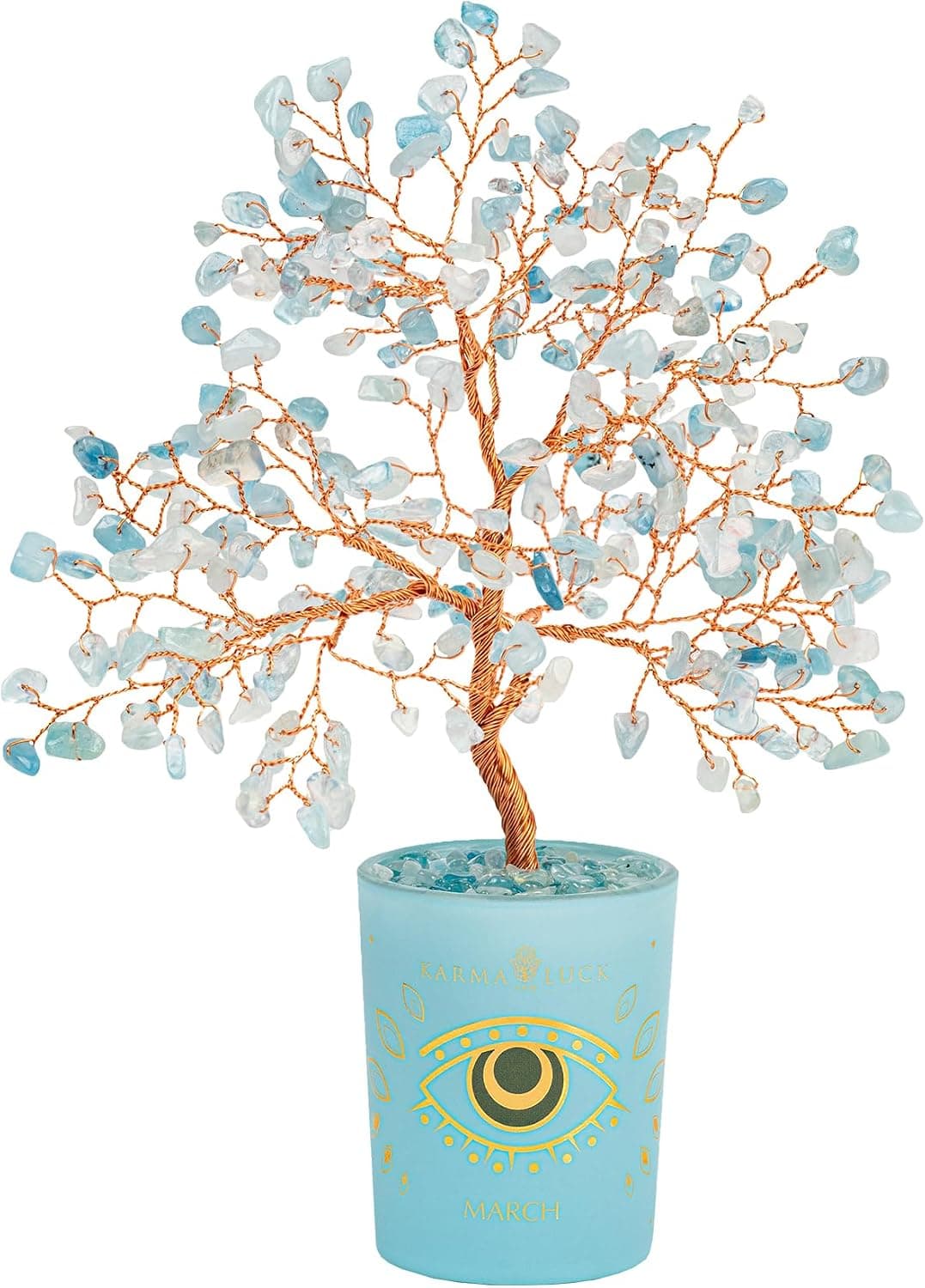 -29%
-29%Karma and Luck March Birthstone Crystal Tree of Life, Aquamarine Gemstone Fen...
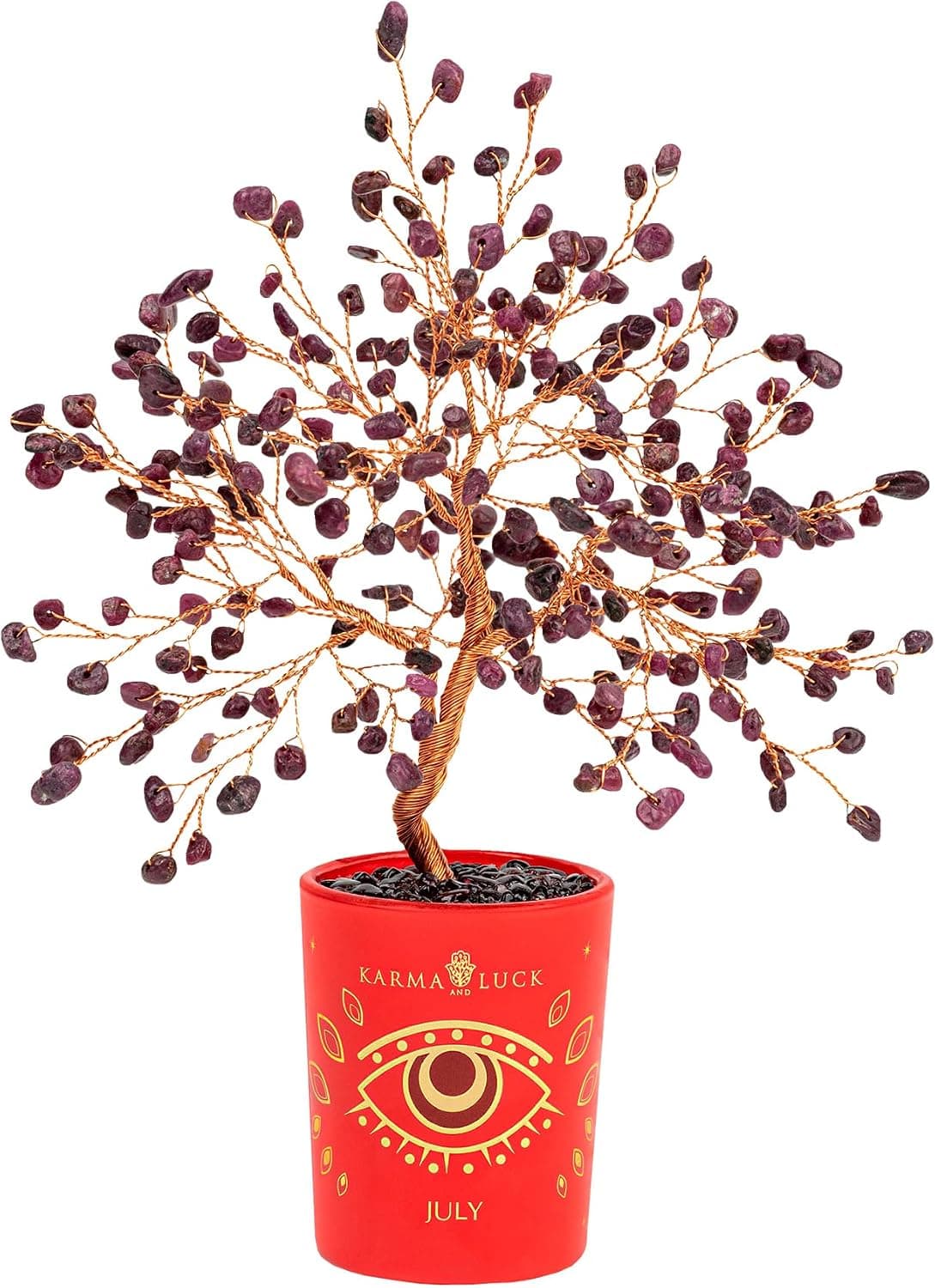 -29%
-29%Karma and Luck July Birthstone Crystal Tree of Life, Ruby Gemstone Feng Shui ...
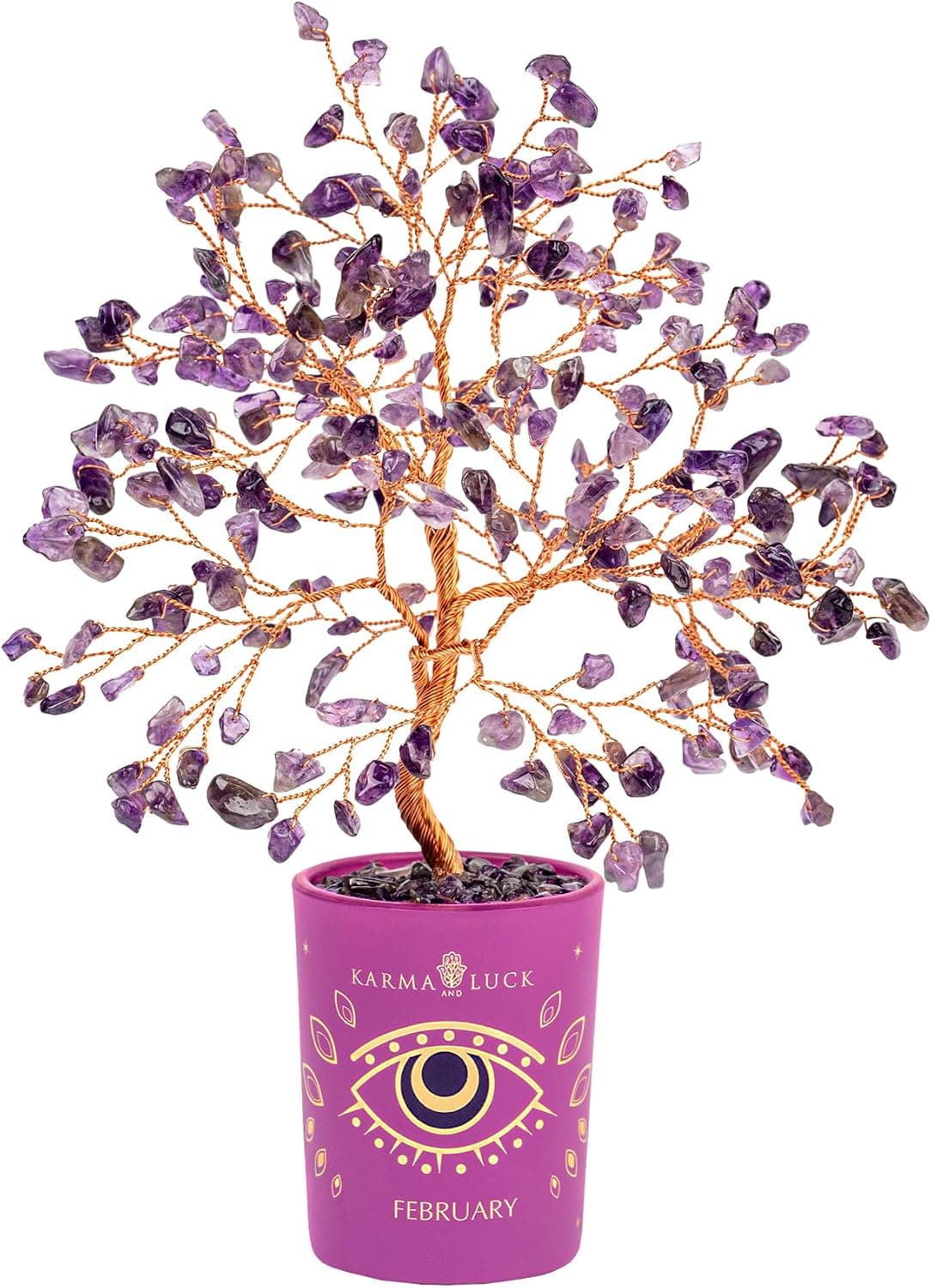 -29%
-29%Karma and Luck February Birthstone Crystal Tree of Life, Amethyst Gemstone Fe...
 -50%
-50%biuufish Feng Shui Black Obsidian Bracelet for Men Women, 24K Gold Plated Pix...
As an Amazon Associate, we earn from qualifying purchases. We only recommend items our practitioners have personally tested.
Continue Your Journey
Explore these related guides to deepen your understanding:

Ready for Deeper Guidance?
Try our free I Ching reading for personalized wisdom, or explore our curated Feng Shui essentials.