Stop treating wisdom as effort. The real leverage is in space, timing, and restraint.
The River That Refuses to Rush
At dawn, the kettle in a small kitchen begins to hiss while a window stands cracked open to the cool air. One person reaches for the phone, then stops. That pause matters more than the phone does.
This is where tao wisdom becomes legible. Not as a slogan. As a structure. There is the moving part, like water finding its path, and there is the still part, like the bank that keeps the water from scattering. If you only chase motion, you get fatigue. If you only chase stillness, you get drift. The useful middle is responsiveness with shape.
I walked into a narrow hallway once in a teacher’s apartment in Oakland. Coats hung on both sides, a shoe rack blocked half the doorway, and every visitor had to twist their body sideways to enter. We cleared the passage, left the door frame open, and suddenly the whole flat felt less argumentative. That was not decoration. That was the removal of friction.
People often talk about flow as if it means perpetual ease. It does not. A river still meets resistance; it simply does not waste itself fighting every stone. The point is not passivity. The point is alignment.
The Empty Space That Makes Everything Work
One of the deepest misunderstandings is that emptiness means absence. In practice, emptiness is function. A cup works because of the space inside it. A doorway works because it is not filled with furniture. A mind works better when it is not packed wall to wall with demands.
That is why a room arranged with a low table, open floor space, and one clear line of sight to the window feels calmer within seconds. Your body reads the room before your opinions do. Soft morning light spreading across an uncluttered floor does something subtle but real: the edges of objects seem to settle, and the nervous system gets fewer signals to brace against.
This is cognitive easing in plain language. When the mind is not over-gripping an outcome, it notices more possibilities and makes cleaner judgments. That is not mystical. It is what happens when there is room for perception.
There is a stubborn Western habit of filling every silence with effort. More planning. More tools. More explanation. Yet the person who can leave one shelf empty, one afternoon unscheduled, or one answer unfinished often moves with better accuracy than the person who keeps adding weight to an already overloaded system.
For a deeper bridge between structure and practice, this overview of tao philosophy helps frame why less forcing often produces better results.
When Softness Outlasts Force
Rain had just passed when I watched a gardener step along a path of wet stones. The reeds were bending in the wind, and a branch hung low over the bed of herbs. He did not snap it. He moved around it, adjusted his angle, and kept going. The smell of damp soil was still in the air, sharp and clean.
That is the part people miss. Softness is not weakness. Softness is the ability to yield without losing direction. A rigid thing breaks under enough pressure; a flexible thing preserves its purpose. The same principle shows up in relationships, negotiation, and even how you arrange your home.
Reactance reduction explains this clearly. When you frame a request too forcefully, other people feel their autonomy threatened and push back. When you frame it softly, resistance falls and cooperation rises. This is why a quiet request from a grounded person often works better than a loud demand from someone trying to control the room.
I have seen this in bedrooms, too. A man in Chicago had a metal desk pressed against the foot of his bed, a red lamp blazing in the corner, and a stack of unpaid bills under a mirror. He insisted the room was “fine.” We moved the mirror, softened the lighting, and gave the doorway a clear path. Within two weeks he reported sleeping through the night for the first time in months. No miracle. Less agitation.
Softness lasts because it does not waste force proving itself.
The Moment Before the Move
The hardest part is often not acting. It is waiting until the action is clean.
That interval before movement is where timing sensitivity matures. If you rush, you act from urgency. If you wait too long, you confuse caution with wisdom. The middle ground is patient observation, the kind that notices what keeps repeating before committing to a direction.
A crowded subway platform shows this perfectly. One rider steps slightly back from the edge, watches the flow of people instead of pushing forward, and catches the opening that others miss. The person who leans in too early gets squeezed. The person who reads the pattern gets space.
This is not a passive life. It is strategic restraint. The difference is enormous.
The same principle appears in the idea of wu wei, where action is most effective when it is not overworked, overexplained, or forced through resistance. That is the moment before the move: not hesitation, but precision.
Living in the Grain of the World
Think of a riverbank. The land is fixed. The water moves. Neither is “better.” Each does its job. Stability without responsiveness becomes brittle. Responsiveness without stability becomes scattered. Tao wisdom, at its best, keeps those two forces in conversation.
That is why a doorway left unobstructed matters more than most people expect. In a cramped hallway full of objects, every passage becomes a decision. In an open threshold, the body experiences ease before the mind can debate it. You are not just decorating. You are shaping how life enters and leaves.
There is a common mistake here: people think harmony means everything should be soft, empty, and quiet all the time. Not so. A home needs contrast. A person needs limits. A good life has edges. The grain of the world is not smooth; you learn to move with its direction instead of sanding it flat.
One paragraph of advice gets repeated endlessly in spiritual circles: “go with the flow.” Fine, but which flow? A flood destroys. A trickle nourishes. The real skill is discerning the difference, then choosing the scale of your response.
If you want a practical companion to this way of seeing, these tao teachings show how principle becomes daily conduct without turning into dogma.
The Quiet Discipline of Not Overdoing It
The final component is restraint. Not suppression. Restraint.
Restraint means you do not decorate every corner, say every sentence, or solve every problem the moment it appears. You leave some things alone long enough to reveal themselves. That discipline protects clarity. It also protects relationships, because people feel the difference between presence and pressure.
In practical terms, start with three adjustments. First, clear one doorway in your home so it is fully passable. Second, create one room with a low table, open floor space, and a clear line of sight to a window. Third, practice a ten-second pause before responding to any request, message, or impulse. These are small actions, but they retrain attention.
The pause is not empty time. It is information time. During that gap, the mind stops clenching and starts seeing. You notice whether you are reacting from fear, habit, or genuine choice. That is how cleaner decisions are born.
Hold a piece of smooth wood or worn bamboo in your hand and feel the difference between polished ease and dead hardness. That sensation is useful. It reminds you that good form is not about perfection; it is about a surface that does not fight the hand holding it.
For readers who want the larger context, this guide to Tao Te Ching wisdom ties the language of restraint to the classic text that shaped so much of this tradition.
When people ask what this path asks of them, I usually answer with a simpler question: where are you adding force where space would work better?
The answer is often in the kitchen, the hallway, the conversation, or the decision you keep trying to drag into certainty before it is ready. Tao wisdom is not about withdrawing from life. It is about entering it with less noise and better timing. That is a harder discipline than it sounds.
What This Looks Like in Daily Life
A practical test helps. Look at one area of your life where things feel stuck. Is the problem a lack of effort, or too much effort in the wrong shape? If it is a relationship, soften the opening. If it is a room, clear the passage. If it is a decision, stop pushing long enough to notice the pattern underneath.
Another useful test is this: does your environment make movement easier or harder? A clear floor, a calm line of sight, and an unobstructed threshold all support better choices because the body is not bracing against clutter. That physical ease often translates into mental ease, and mental ease improves judgment.
The point is not to become detached. The point is to become accurate.
And accuracy, oddly enough, is one of the kindest things you can bring to a life. It reduces waste. It reduces conflict. It lets the right action arrive at the right time.
FAQ
Is this just another way of saying “do nothing”? No. Doing nothing is only one possible response, and usually not the best one. The deeper principle is to stop forcing and start matching the situation, so action lands cleanly instead of noisily.
How is this different from mindfulness? Mindfulness trains attention; this framework tells attention how to move. You are not only noticing your state, but also shaping space, timing, and restraint so the state can support better choices.
Can a room really affect judgment that much? Surprisingly, yes. A doorway blocked with shoes, a cramped hallway, or a desk jammed into a corner keeps the body subtly on guard. Clear space lowers that background tension, and cleaner judgment follows more easily.
David Liu
Traditionally informed guidance • Cross-referenced with classical Chinese source texts
Rooted in classical Chinese metaphysics and cross-referenced with original texts. Product recommendations are based on traditional symbolism, not guaranteed outcomes.
Practitioner-Selected Tools for This Topic
Items our team has tested and found effective for the principles discussed above. Individual results may vary.
 -29%
-29%Karma and Luck March Birthstone Crystal Tree of Life, Aquamarine Gemstone Fen...
 -29%
-29%Karma and Luck July Birthstone Crystal Tree of Life, Ruby Gemstone Feng Shui ...
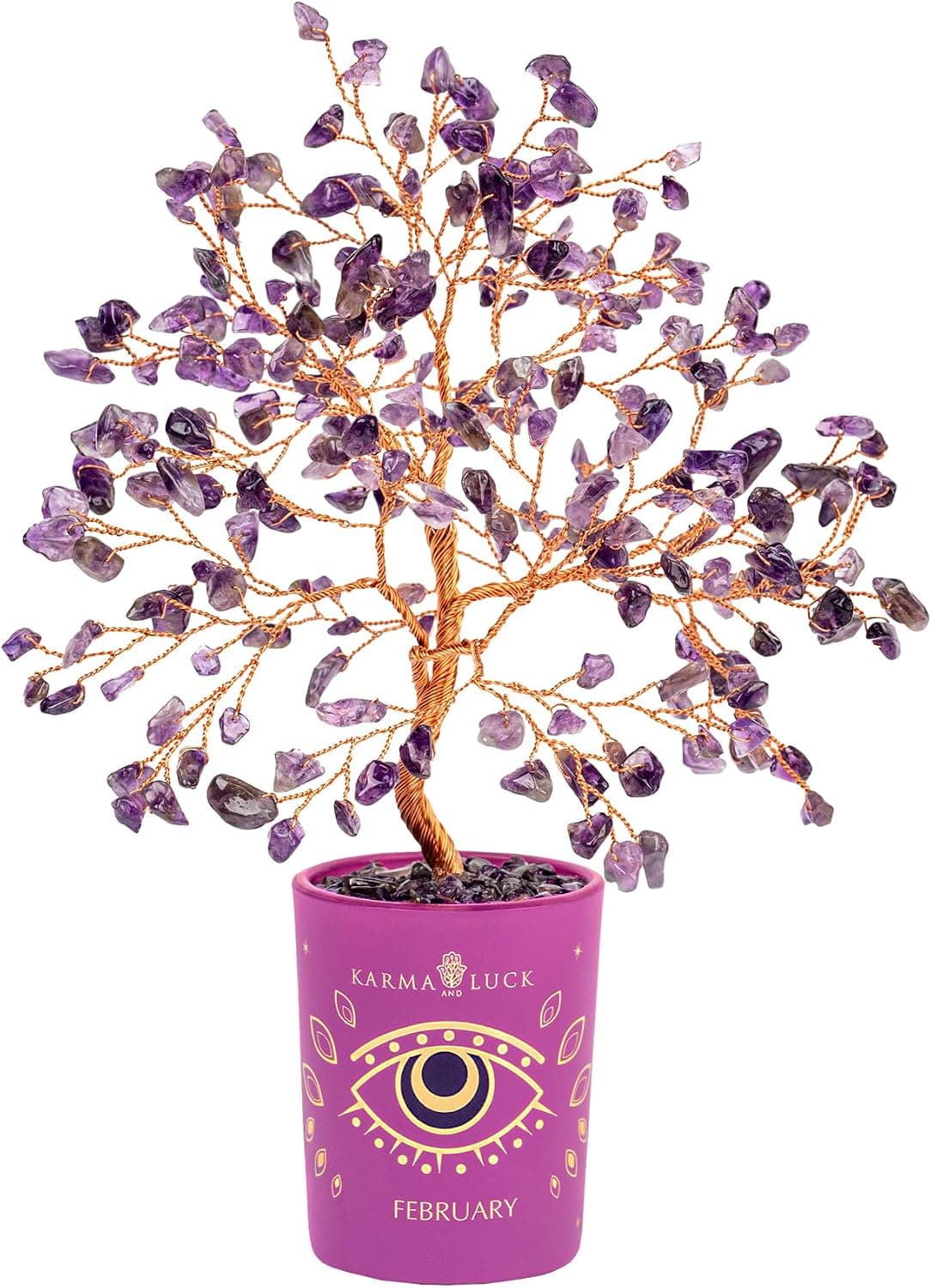 -29%
-29%Karma and Luck February Birthstone Crystal Tree of Life, Amethyst Gemstone Fe...
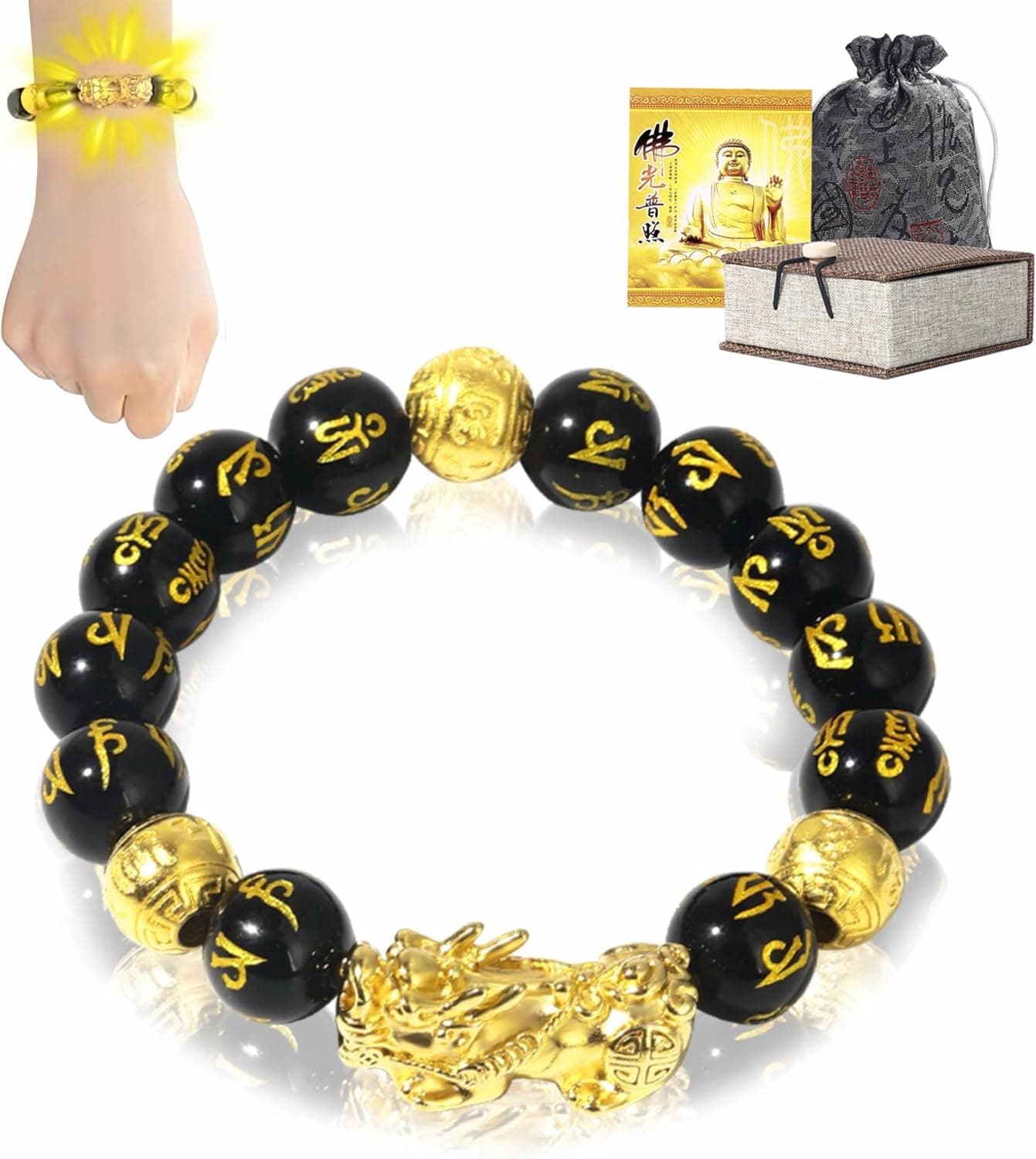 -50%
-50%biuufish Feng Shui Black Obsidian Bracelet for Men Women, 24K Gold Plated Pix...
As an Amazon Associate, we earn from qualifying purchases. We only recommend items our practitioners have personally tested.
Continue Your Journey
Explore these related guides to deepen your understanding:

Ready for Deeper Guidance?
Try our free I Ching reading for personalized wisdom, or explore our curated Feng Shui essentials.