The fastest way to miss the Tao is to rush in and improve it.
Stop trying to make the room behave.
I once stood in a narrow hallway in a Seattle townhouse where a polished black console table kept catching the light from a front window and throwing it straight back at the entry door. The owner, a software architect named Elena, had rearranged that hall three times in one month. Each time she made it “better,” the space felt more tense. That is the first lesson of tao philosophy: sometimes the problem is not the room’s contents, but your urge to overpower what is already there.
People expect wisdom to arrive dressed like a rulebook. It rarely does. More often it shows up as restraint, as timing, as the willingness to stop pushing at a door that opens inward.
That is why the older teachings of the Tao Te Ching still matter in a house full of deadlines, screens, and too many opinions. They do not ask you to become passive. They ask you to become accurate.
I have seen dozens of homes where the wrong kind of effort made everything louder. The extra plant. The second lamp. The third “fix.” None of it helped because the resident was fighting the nature of the space instead of listening to it.
Why “less effort” is not laziness
Here is the part Western readers often resist: non-striving is not the same as doing nothing. In practice, it means acting after you have observed the current, not before. A river does not apologize for taking the shape of its banks. It simply reveals them.
Tao philosophy rewards precision over intensity. A small adjustment made at the right moment can do more than a dramatic overhaul done in panic. That is true in a living room, a relationship, and a career.
During a consultation in a bright Oakland apartment, a retiree named Marcus had a turquoise armchair angled directly toward the kitchen doorway. He complained that he could never relax in the sitting area, even though he loved the chair. We turned it just slightly, moved a tall brass floor lamp out of the direct path, and left the rest alone. Within ten days he told me the room felt “less argumentative.” That sounds poetic, but the body knows what the mind keeps denying.
The surprise is that many people are not exhausted by work alone. They are exhausted by constant correction. They nudge, tidy, optimize, and second-guess every corner of life until there is no breathing room left. The old path teaches a harder kind of intelligence: know when to intervene and when to let the pattern settle on its own.
What this looks like in everyday life
Start with a simple question: where am I forcing a result that could emerge naturally? This is the doorway into a more disciplined form of living. You stop treating every delay as failure.
In a kitchen, that might mean accepting that the refrigerator should not dominate the room with bright white glare if the rest of the space is warm wood and muted color. In a study, it may mean leaving a wall bare instead of crowding it with symbols of ambition. In a bedroom, it may mean removing the giant mirror that keeps waking your nervous system at 2 a.m.
The teaching is not anti-beauty. It is anti-noise. It asks whether your arrangement supports the life you actually want, not the image you think you should project.
I walked into a guest room in Portland last winter where the bedding was slate gray, the curtains were charcoal, and a chrome pendant hung low over the bed like a hard little moon. The homeowner, a nurse, said guests always woke up “weirdly on edge.” We swapped the pendant for a softer linen shade, added a warm ivory throw, and removed one aggressively reflective frame from above the dresser. She texted me two weeks later: her sister had slept through the night for the first time in years. Simple changes. Big shift.
How to practice it without turning it into a slogan
First, pause before you adjust anything. Walk the space slowly and notice where your attention gets snagged. That snag is information. It tells you where the current is stuck, too fast, or being redirected by an object that is louder than the rest of the room.
Second, reduce one layer. Not five. One. Remove the extra chair from the corner, lower the contrast of a harsh object, or clear a surface that is collecting visual static. The point is to create room for the space to breathe before you add anything else.
Third, wait. This matters more than people want to admit. Give the room several days, then notice how you behave in it. Do you linger longer, sleep more deeply, or stop avoiding a certain seat? The response tells you whether you have aligned with the flow or merely decorated over the problem.
Finally, choose additions that answer a need rather than your anxiety. That is the practical heart of tao philosophy. A woven lamp shade can soften a sharp corner. A wooden tray can gather loose items without making the room feel regimented. A single ceramic bowl can ground a console table better than three decorative objects competing for attention.
For readers who want a bridge between this approach and the more relational side of balance, this daily-life yin yang guide shows how opposing qualities can work together instead of fighting each other. That connection matters because the Tao is never one-note. It moves through contrast, timing, and proportion.
The danger of spiritual performance
People love the idea of being in harmony. They dislike the discipline it requires. So they buy the quote, not the practice. They talk about flow while surrounding themselves with clutter, haste, and visual friction.
That is spiritual theater, and the Tao does not reward it.
Real practice is humbler. It may mean leaving the room less decorated and more alive. It may mean accepting an unfinished corner instead of crowning it with an object that does not belong. It may mean listening to the house before pronouncing judgment on it.
And yes, sometimes the right move is action. But action that arises from clarity feels different from action driven by fear. One is clean. The other is frantic.
If you want the larger pattern behind this thinking, the balance of opposing forces in modern life is a useful companion piece. It explains why too much pushing often creates the very resistance you were trying to avoid.
Bring it back to the pillar
The pillar idea behind tao philosophy is simple to state and hard to live: align with what is already moving. That does not mean surrendering your standards. It means refusing to bully reality.
In home design, that looks like fewer forced solutions and more responsive ones. In habits, it looks like smaller corrections made earlier. In thought, it looks like patience without passivity. You stop asking, “How do I control this?” and start asking, “What is this already asking for?”
If you are building your understanding from the ground up, the broader Tao Te Ching perspective gives the philosophical backbone. This article is the practical side of that same current. One teaches the principle. The other tells you how to live inside it.
That is the part people usually miss. The Tao is not hidden in grand gestures. It is sitting in the choice to not overcrowd the table, not force the conversation, not overcorrect the room.
FAQ
Is tao philosophy the same as doing less?
No. Doing less can be laziness, avoidance, or fear. Taoic practice is selective action: you intervene where the pattern needs support and step back where interference would only create tension.
Can this approach work if my home already feels chaotic?
Start smaller than you think. One corner, one shelf, one doorway. A surprising fact: a single visual obstruction removed from an entry or bedside often changes the feel of the whole room faster than a full makeover.
What if I like a dramatic style?
Dramatic style is not the enemy. Excessive friction is. Strong contrast can work beautifully when the overall composition still feels breathable, grounded, and intentional.
Try this for seven days: remove one unnecessary object, observe the room, and resist the urge to replace it immediately. The gap will teach you more than the object did.
David Liu
Traditionally informed guidance • Cross-referenced with classical Chinese source texts
Rooted in classical Chinese metaphysics and cross-referenced with original texts. Product recommendations are based on traditional symbolism, not guaranteed outcomes.
Practitioner-Selected Tools for This Topic
Items our team has tested and found effective for the principles discussed above. Individual results may vary.
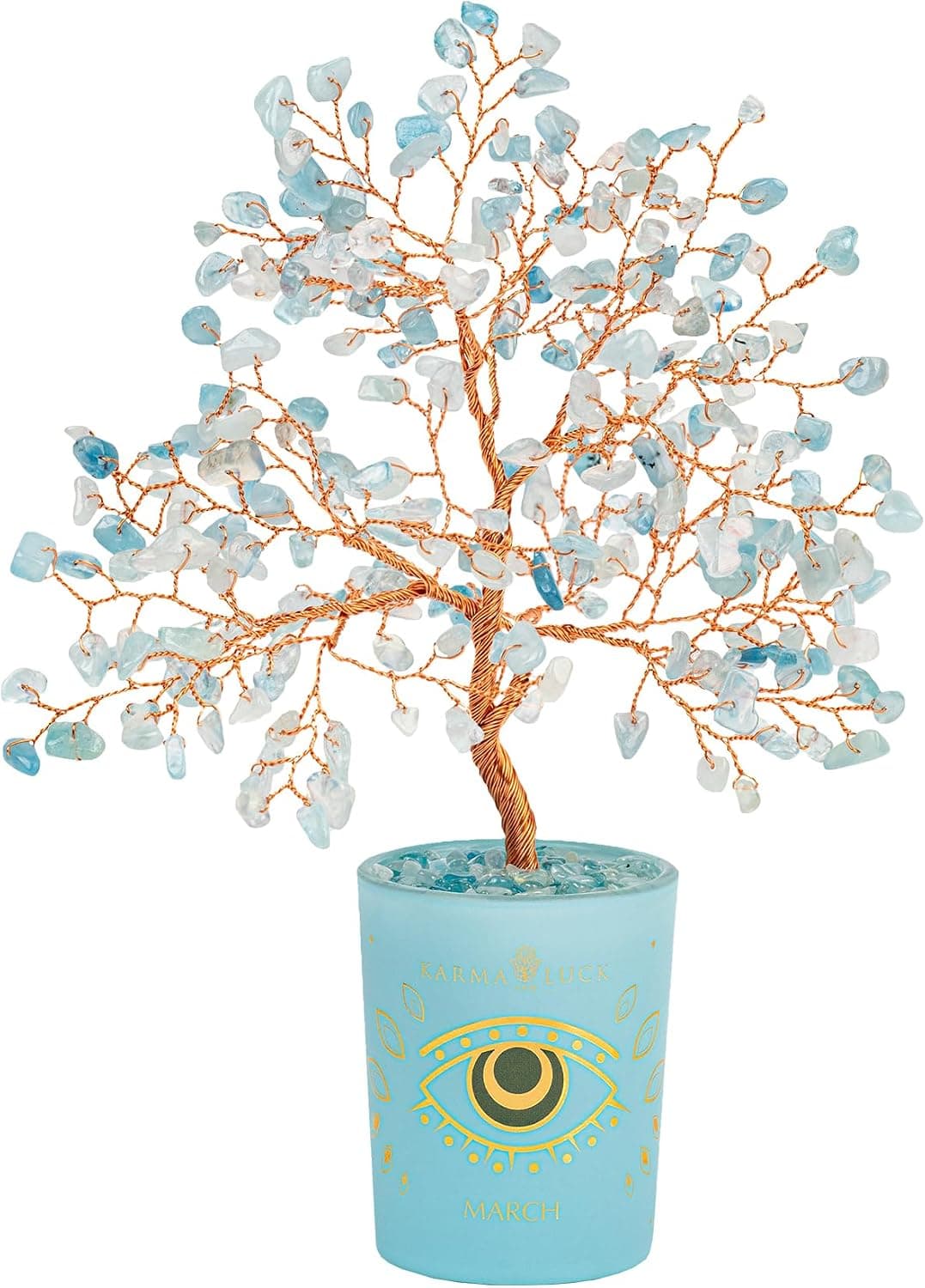 -29%
-29%Karma and Luck March Birthstone Crystal Tree of Life, Aquamarine Gemstone Fen...
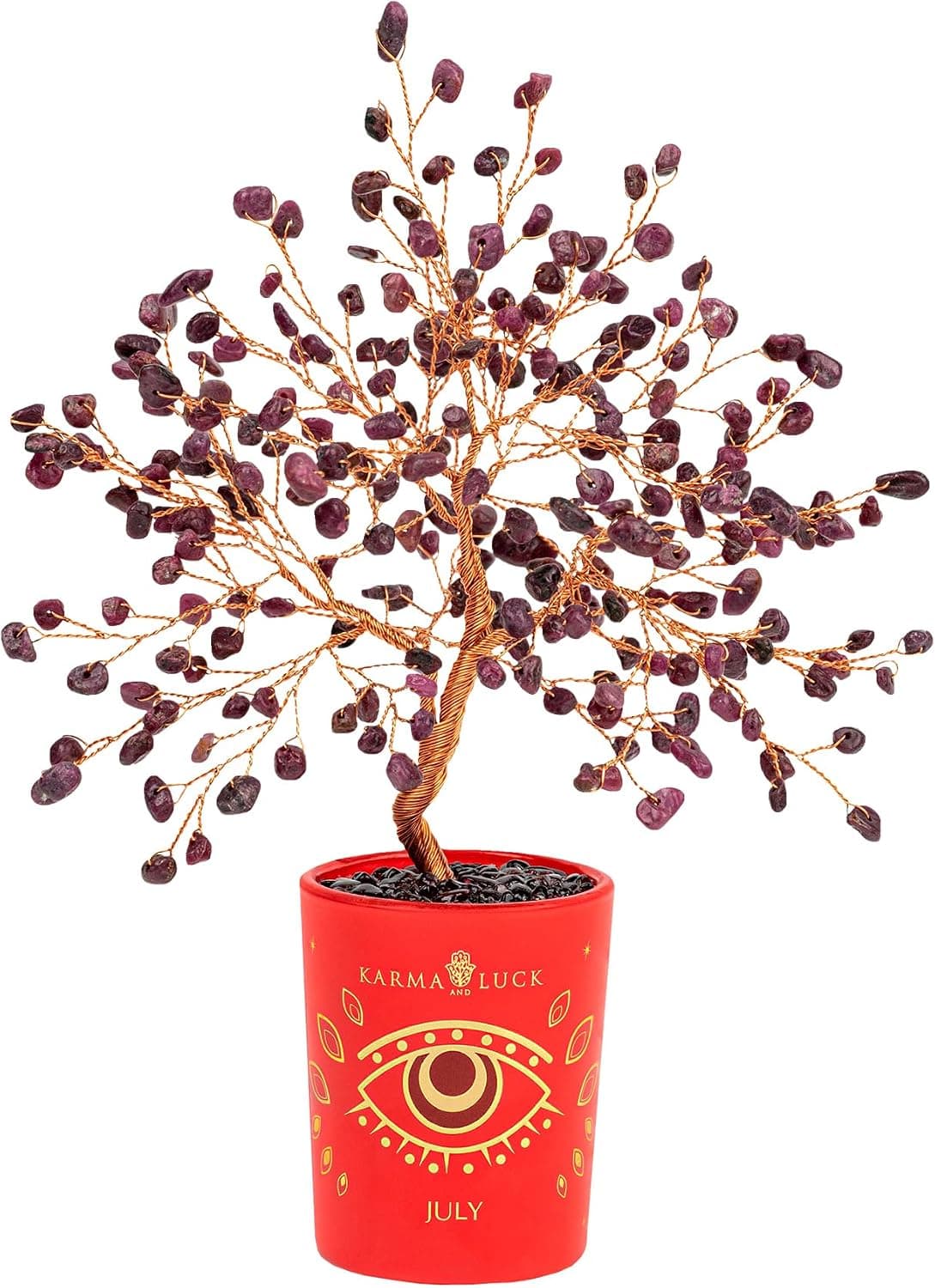 -29%
-29%Karma and Luck July Birthstone Crystal Tree of Life, Ruby Gemstone Feng Shui ...
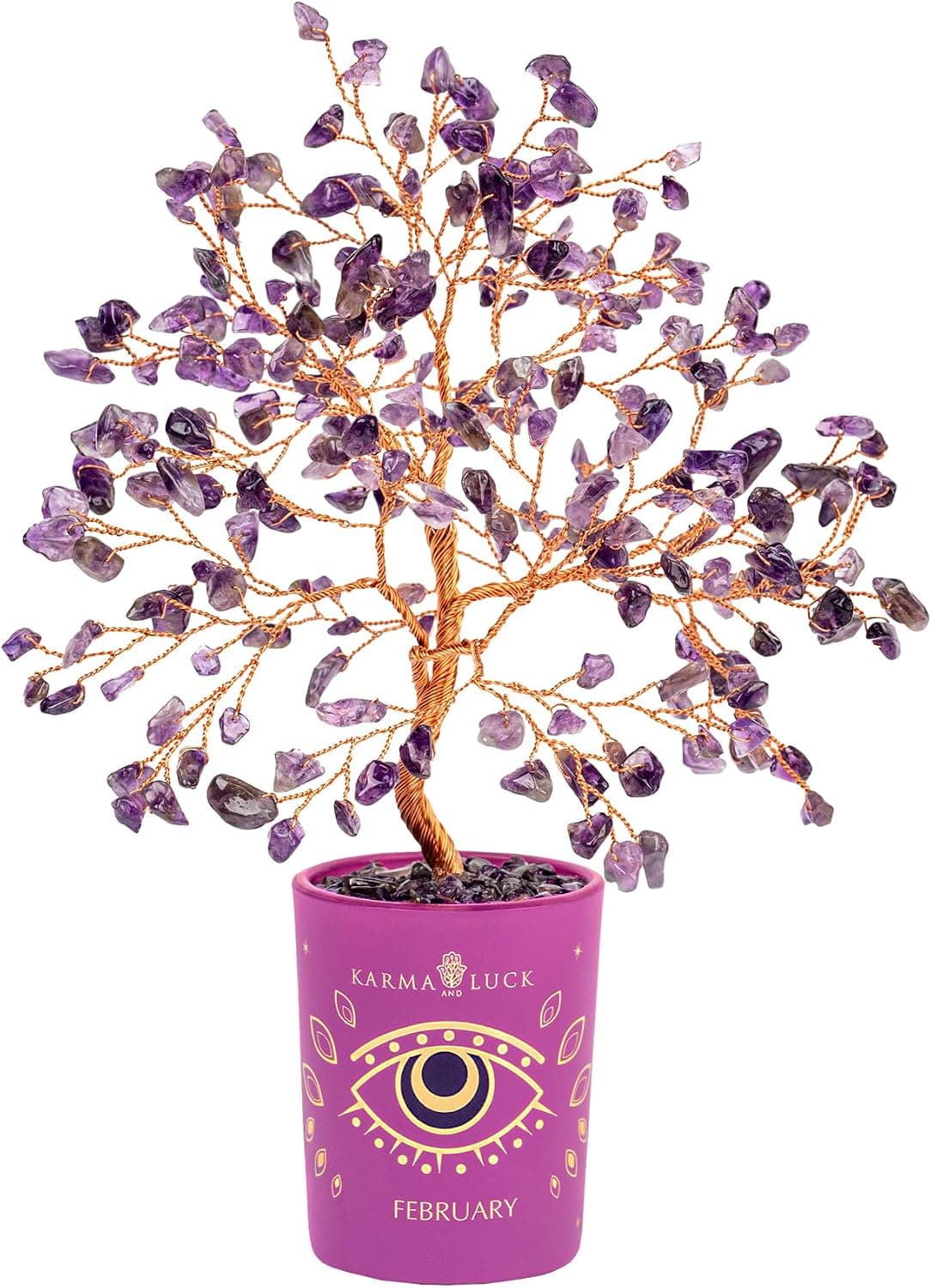 -29%
-29%Karma and Luck February Birthstone Crystal Tree of Life, Amethyst Gemstone Fe...
 -50%
-50%biuufish Feng Shui Black Obsidian Bracelet for Men Women, 24K Gold Plated Pix...
As an Amazon Associate, we earn from qualifying purchases. We only recommend items our practitioners have personally tested.
Continue Your Journey
Explore these related guides to deepen your understanding:

Ready for Deeper Guidance?
Try our free I Ching reading for personalized wisdom, or explore our curated Feng Shui essentials.