
Master the Five Elements framework.
Introduction to Wu Xing
So… Why Isn’t It Working?
Let me guess.
You’ve already tried to “balance” the Five Elements.
Maybe you added:
- a few plants (Wood)
- some candles or warm lighting (Fire)
- crystals or ceramics (Earth)
It looks good. Feels intentional.
And yet…
Nothing really changed.
Your space is fine — but not better.
Your energy is… still kind of flat.
I’ve seen this happen more times than I can count.
And almost every time, the reason is the same:
You’re not doing Feng Shui wrong — you’re using the wrong model.
The Problem Most People Don’t Realize
Most advice online treats the Five Elements like a checklist:
- Missing Wood? Add plants.
- Missing Fire? Add candles.
Sounds logical.
It isn’t.
Because the Five Elements were never meant to be used that way.
Here’s the part that gets ignored:
The Five Elements are not things.
They’re relationships.
Once you see that, everything changes.
What the Five Elements Actually Do (In Real Life)
Instead of thinking:
“What should I add?”
You should be asking:
“What is happening between the elements already in my space?”
Because every element does two things at once:
- It supports something
- And it suppresses something else
A simple example:
Adding Water sounds like a good idea, right?
- It supports Wood ✔
- But it weakens Fire ❌
And if your Fire is already low…
You just made things worse.
This is exactly why people say:
“I tried Feng Shui, but nothing changed.”
The 5 Imbalances I See Over and Over Again
Not theory — just patterns that show up in real homes.
1. Too Much Wood (And No Direction)
This one’s surprisingly common.
People love plants. Green spaces. “Natural energy.”
But too much Wood creates:
- scattered focus
- unfinished projects
- mental restlessness
I’ve walked into homes that felt “alive”…
but also chaotic in a subtle way.
Like nothing ever settles.
What usually fixes it:
You don’t remove the plants.
You add Metal — structure, boundaries, definition.
2. Fire Is Missing (And So Is Momentum)
This one is quiet.
Nothing looks wrong, but nothing moves either.
No strong lighting.
No visual focus point.
No warmth.
And people wonder why:
- they feel invisible at work
- their efforts don’t convert into results
Fire isn’t just “energy.”
It’s recognition.
And without it, things stall.
3. Too Much Earth (This One Blocks More Than You Think)
Earth feels safe.
Neutral colors. Solid furniture. Calm spaces.
But too much of it?
Everything slows down.
I’ve seen spaces that felt:
- stable ✔
- comfortable ✔
- completely stuck ❌
No opportunities. No movement. No change.
The fix is usually simple:
Add movement (Water)
Add growth (Wood)
And suddenly the room feels different.
4. Too Much Metal (Looks Clean, Feels Cold)
Minimalist spaces often fall into this.
Everything is:
- clean
- structured
- controlled
But also…
- emotionally flat
- creatively blocked
- a bit lifeless
Metal is great for focus.
But too much?
It suppresses everything else.
You don’t need to remove it.
Just soften it.
Add warmth. Add life.
5. Weak Water (The One That Affects Wealth the Most)
This is the one almost everyone overlooks.
No flow.
No movement.
No reflection.
And then people say:
“Opportunities just don’t come my way.”
Water isn’t just about money.
It’s about:
- connection
- timing
- flow
When it’s missing, things don’t circulate.
They stall.
A Real Example (This Happens a Lot)
A space can look “perfect” on paper:
- neutral tones
- clean layout
- balanced decor
But something feels off.
When you look closer, it’s usually this:
- Earth + Metal dominate
- Fire is weak
- Water is almost nonexistent
So the result is:
- stable life
- predictable routine
- very little growth
Not bad.
But not what most people want.
Before vs After (What Actually Changes)
Before:
- beige-heavy room
- metal furniture
- no lighting focus
- no movement
Feels calm… but flat.
After:
- one plant (Wood)
- warm lighting (Fire)
- a reflective or flowing element (Water)
And suddenly:
- the space feels alive
- decisions feel clearer
- energy moves
It’s not dramatic.
But it’s noticeable.
The Mistake That Keeps Repeating
Most advice says:
“Add what you’re missing.”
But that’s only half true.
Because every addition changes something else.
And if you don’t adjust the system…
You’re just shifting the imbalance.
So What Should You Actually Do?
Start here:
If you feel stuck →
Add movement (Water) and growth (Wood)
If you feel invisible →
Strengthen Fire
If you feel overwhelmed →
Bring in Metal (structure)
If life feels unstable →
Reinforce Earth
Don’t try to “fix everything.”
Just adjust one imbalance at a time.
One Last Thing Most People Miss
Feng Shui isn’t about making a space look right.
It’s about making it behave differently.
And when the Five Elements are working together—
not fighting each other—
you don’t just see it.
You feel it.
FAQ
Do I need all five elements in every room?
Not exactly.
You need the right balance, not full representation.
Can I fix everything by adding one item?
No.
Every change affects the whole system.
Which element matters most for wealth?
Water — but only when the rest of the system supports it.
Final Thought
If your Feng Shui hasn’t worked so far…
It’s probably not because you missed something.
It’s because:
The elements in your space aren’t aligned — they’re competing.
Fix that—
and everything else starts to shift.
David Liu
Traditionally informed guidance • Cross-referenced with classical Chinese source texts
Rooted in classical Chinese metaphysics and cross-referenced with original texts. Product recommendations are based on traditional symbolism, not guaranteed outcomes.
Practitioner-Selected Tools for This Topic
Items our team has tested and found effective for the principles discussed above. Individual results may vary.
 -29%
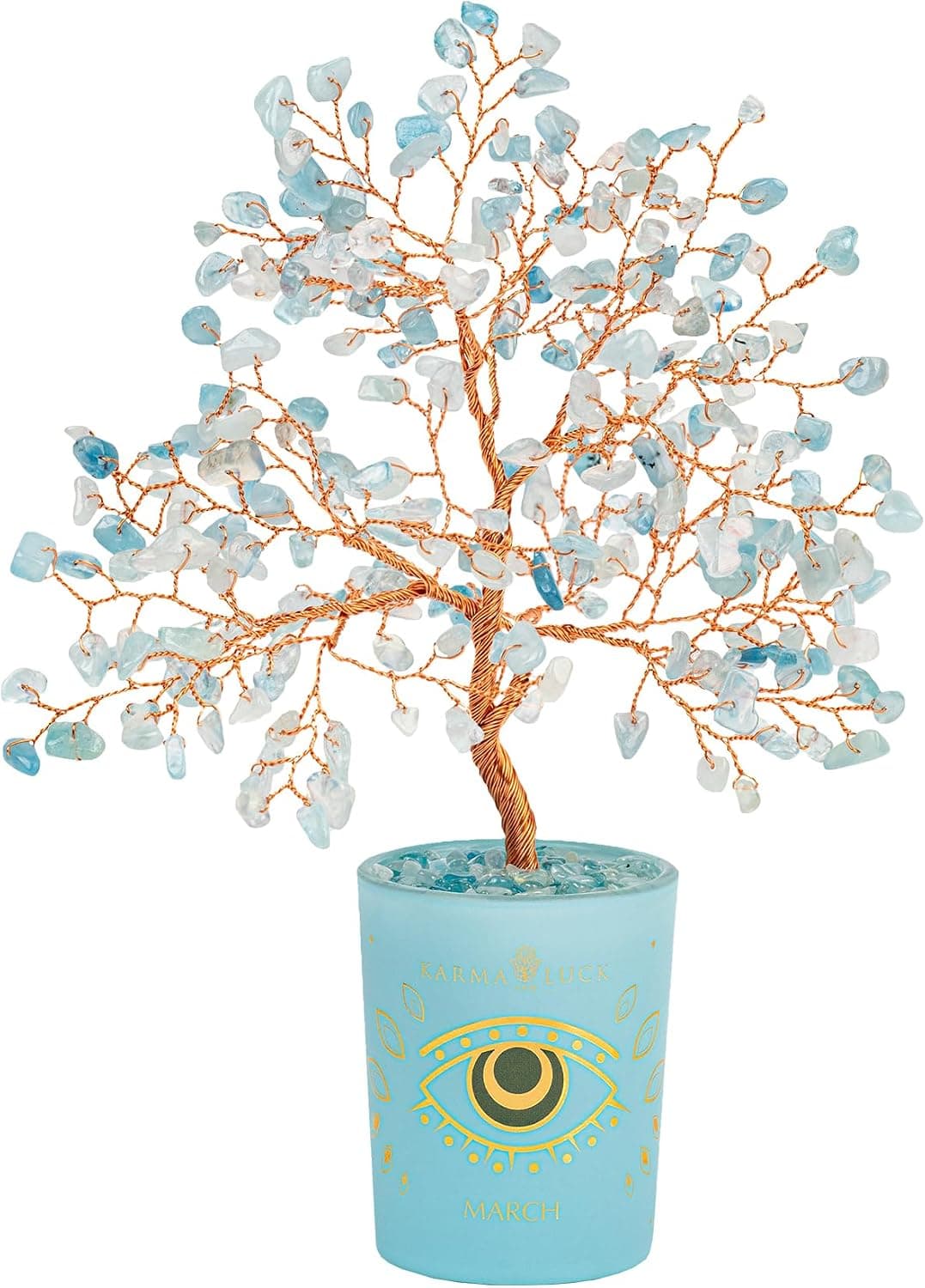
-29%Karma and Luck March Birthstone Crystal Tree of Life, Aquamarine Gemstone Fen...
 -29%
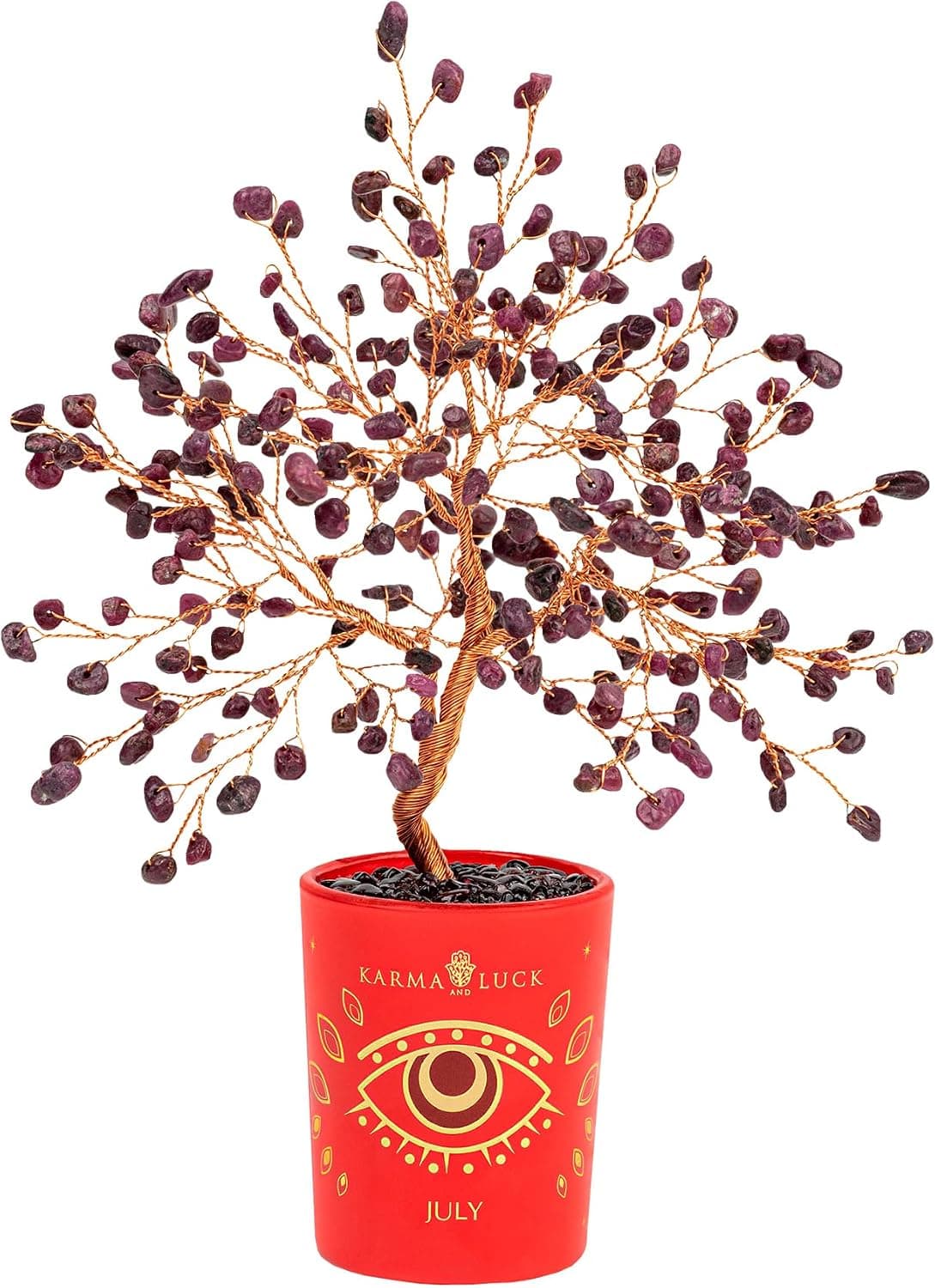
-29%Karma and Luck July Birthstone Crystal Tree of Life, Ruby Gemstone Feng Shui ...
 -29%
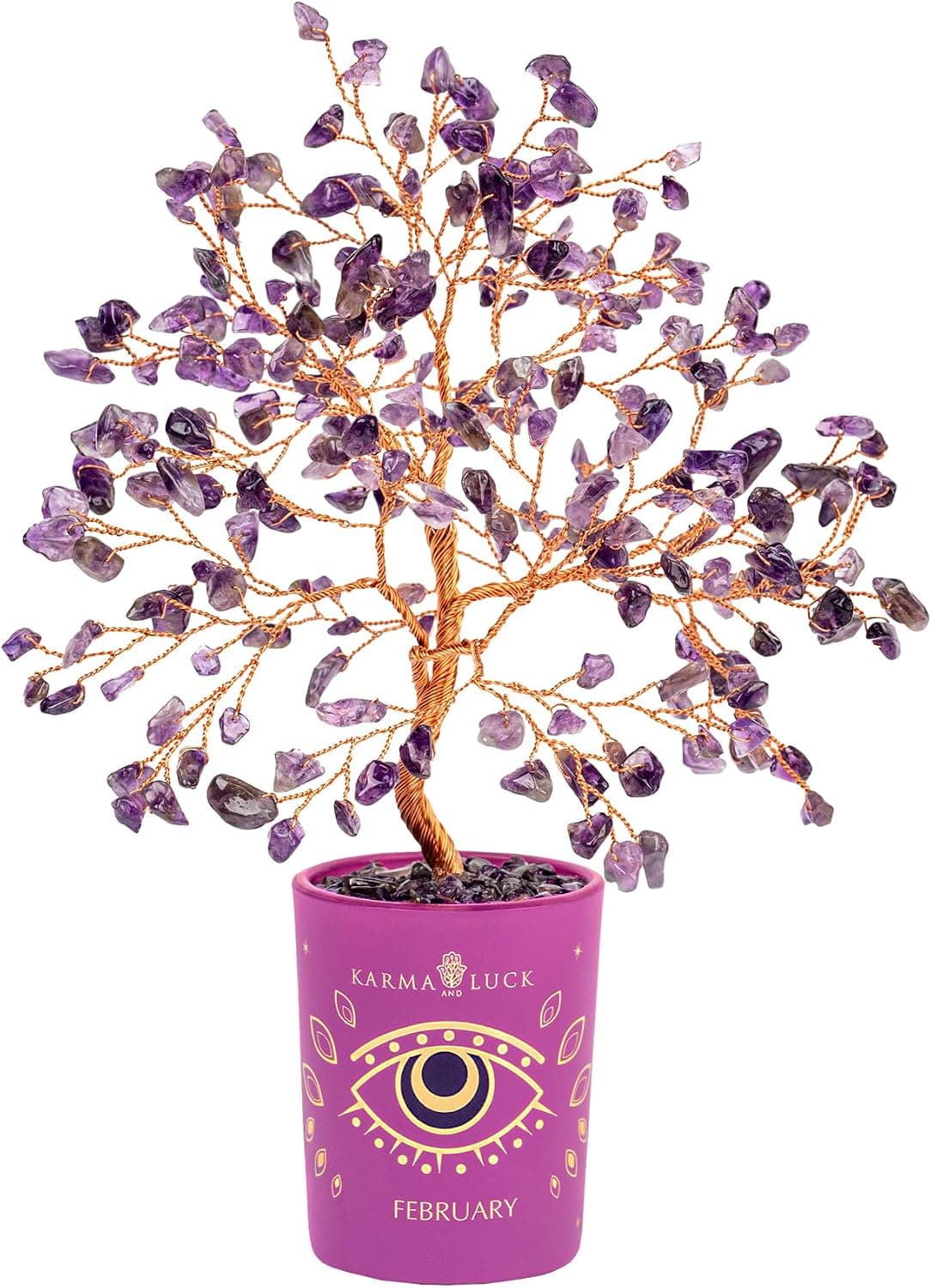
-29%Karma and Luck February Birthstone Crystal Tree of Life, Amethyst Gemstone Fe...
 -50%
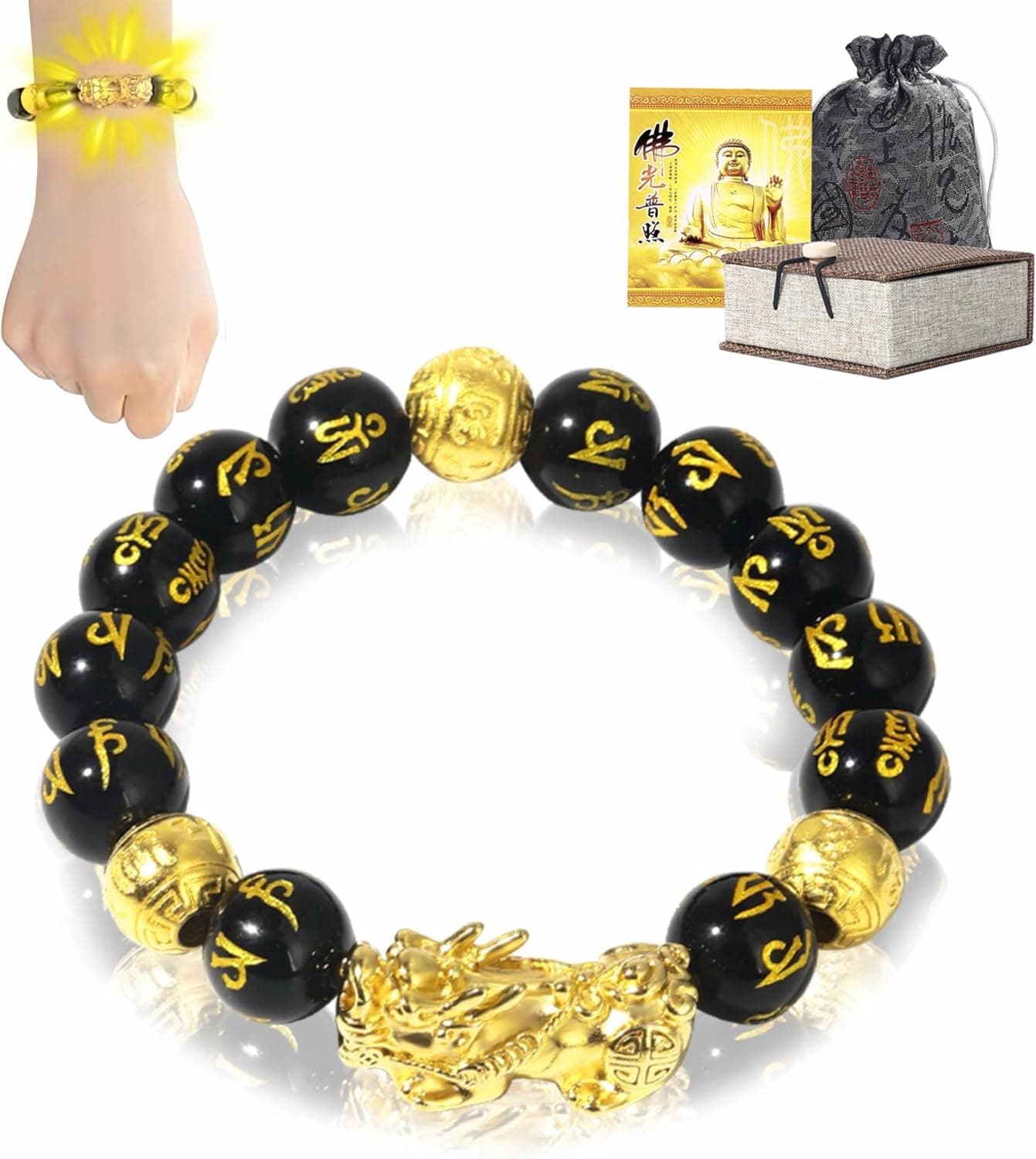
-50%biuufish Feng Shui Black Obsidian Bracelet for Men Women, 24K Gold Plated Pix...
As an Amazon Associate, we earn from qualifying purchases. We only recommend items our practitioners have personally tested.
Continue Your Journey
Explore these related guides to deepen your understanding:

Ready for Deeper Guidance?
Try our free I Ching reading for personalized wisdom, or explore our curated Feng Shui essentials.