The decisive shift behind Lao Tzu is not a slogan. It is the instant effort loosens and the world rearranges itself.
The Quiet Threshold Before the Insight
Rain worried the wooden eaves in a narrow study, and the room felt smaller than the thoughts inside it. A low table held bamboo slips, a worn brush, a clay cup, and a half-finished text that had already been corrected twice.
That detail matters. Real insight rarely arrives in a polished hall with everything arranged just so; it tends to show up where the mind has been pushing too hard.
In the scene that has stayed with me for years, the seated figure is lower than the shelves behind him and lower than the beams above him. He is not commanding the room. The room is pressing on him, and that pressure is part of the lesson.
When people speak of Taoist thought as if it were a set of elegant lines carved in stone, they miss the human beginning: a person staring at a page, hearing rain, and feeling a question become unanswerable through force.
When Trying Harder Stops Working
There is a moment in study when effort stops being noble and starts becoming noisy. The brush scratches, pauses, scratches again. The hand hovers over the paper, not because it is lazy, but because it has run out of cleverness.
I have seen that same pressure in modern rooms: an architect at a kitchen island with three open notebooks and a red pen, a nurse in a blue sweater staring at a to-do list taped to the fridge, a retiree in a den with two lamps on and still no clarity. They all want the answer to appear by tightening their grip.
It rarely does.
The old stories around Tao teachings keep circling this point because it is stubbornly human. The mind loves to believe more effort will produce more clarity, but there are problems that respond only when pressure drops. That is not mysticism. That is how perception works.
Insight often begins as pattern completion. Scattered observations, which felt unrelated a breath earlier, suddenly snap into one shape. The body notices the shift before language catches up, which is why the realization feels immediate and strangely undeniable.
The Small Scene That Changes Everything
Picture the roadside inn at dusk. Dust clings to the sandals. The sky is overcast, turning the horizon into one gray band after another, and travel has been long enough to make every joint complain.
He stops because continuing is useless. That is the first gift of exhaustion: it ends pretending.
Inside the courtyard, there is a water basin beside stone steps and a single tree moving lightly in the wind. The basin is still. The branches are not. Yet both belong to the same scene, and the contrast is the point.
In one version of the story that has meaning, the open doorway faces a larger courtyard, while the writing surface remains cramped and crowded with objects: brush, cup, scroll, a chipped stone weight. The eye keeps moving from confinement to openness, and the nervous system learns what the mind resists.
That is the instant people flatten into quotes. They say the sentence and skip the shock that produced it.
For a Western reader raised on productivity, this can sound almost offensive: you mean the answer came when he stopped trying to force it? Yes. Exactly. Not because effort is bad, but because some truths only appear when the inner fist opens.
What the Empty Space Was Already Saying
The empty background in these scenes is not decoration. It is the message.
Foreground objects give the eye something to hold: brush, bowl, basin, scroll, sandals, candle. But the real balance is created by what is not crowded. The open doorway. The sky beyond the inn. The quiet space around the tree. Without that emptiness, the objects become clutter. With it, they become meaningful.
This is one reason the old texts remain hard to reduce to slogans. The language keeps pointing past form and into the relationship between form and absence. People who only collect sayings about Lao Tzu usually miss that the teaching is spatial before it is verbal.
What looks like passivity is often a more accurate responsiveness. What looks like emptiness is often readiness. And what looks like doing nothing is sometimes the only way to stop interfering with the pattern already forming.
I once walked into a small guest room in a hill house in Oregon where a student had pinned three meditation notes over a black desk lamp. The room was neat, but the energy felt trapped. One window faced a fir tree, and another faced a blank wall. We moved the chair three feet toward the window, cleared the stack of papers from the left side of the desk, and left the surface mostly bare. By the next morning, she said her chest felt less tight. The room had not become magical. It had simply stopped arguing with space.
Why the Body Understands Before the Mind Does
The body recognizes relief before the intellect can explain it. Shoulders drop. Breathing deepens. The jaw unclenches. The hand stops hovering.
That is embodied cognition in plain language: understanding is not merely an idea passing through the brain. It lands in posture, timing, and sensation. A truth that only sounds good is not yet fully understood. A truth that changes how you stand is another matter.
In the quiet courtyard scene, the wind-stirred tree and the still basin create a lesson the body can read without translation. Motion and stillness are not enemies. They are partners in one field. Once that is felt, the need to dominate every circumstance begins to thin.
This is why the teachings associated with wu wei are so often misunderstood. People hear “non-striving” and imagine inertia. The body knows better. Non-striving is not collapse; it is precision without strain, action without self-interference.
When a realization is genuine, it has texture. You remember the cool stone underfoot. The damp smell of rain on old wood. The dry scratch of brush bristles on paper. Those details are not embellishments. They are the doorway through which the mind finally accepted what the body had already learned.
The Moment That Kept Echoing into the Tao Te Ching
There is a reason these scenes keep echoing through the old sayings. The text did not fall from the sky as abstraction. It grew out of moments when control loosened and a deeper order became visible.
The line between thought and lived experience matters here. A person can memorize a verse and still not understand it. Then one evening, with rain on the roof and a brush suspended over paper, the same verse becomes unmistakable because life has supplied the missing feeling.
Tao Te Ching wisdom keeps returning to humility, emptiness, softness, and yielding because those are not decorative virtues. They are the conditions under which realization takes root and stays rooted.
The mountain pass or roadside inn matters too. After long movement, stillness is not a luxury; it is a revelation. Dust on the sandals, an overcast sky, and the forced pause of travel strip away the illusion that speed equals progress.
If you want the practical lesson, it is simpler than people expect. Stop solving every question while your mind is clenched. Create one clean surface. Leave some space around the object you care about. Let the room breathe. Then wait long enough for your nervous system to notice the opening.
That is not a trick. It is a way of making room for the moment when effort gives way to recognition.
How to Practice the Shift in Real Life
Start with one table, one shelf, or one corner of a room. Remove the extra objects that compete for attention. Keep one anchor item, such as a cup, a notebook, or a lamp, and leave visible space around it.
Then sit lower than the surrounding objects if you can. A chair pulled slightly back from a desk, or a cushion beneath a window, changes how the body reads the space. Humility is not only philosophical. It is architectural.
Use light sparingly. Dim amber light in the evening slows the mind in a way bright overhead glare does not. If rain, wind, or water sounds are available, let them be heard. The nervous system recognizes cues of steadiness quickly.
Finally, do the harder part: stop chasing the answer for ten full minutes. Breathe. Look at the empty space, not just the object. Then write one sentence, not ten. That pause is often where the real conclusion forms.
What This Changes in the Way You Read Lao Tzu
Once you see the moment of realization, the familiar lines stop sounding like puzzles posed by a distant sage. They start sounding like records of a mind that has already crossed the threshold from strain into clarity.
This is the part many readers miss. They want doctrine. They want tidy categories. But the teaching lives in the instant when an overworked mind finally relents and sees that the answer was available only after the inner noise stopped.
That is why the image of the candlelit study, the bamboo slips, and the rain on the eaves stays with me. It is not a poetic backdrop. It is the exact shape of understanding: cramped surface, open air beyond it, and a human being low in the room enough to notice both.
Read him there, and the philosophy changes. It becomes less like a slogan and more like a lived correction.
FAQ
Was Lao Tzu a historical person or a symbolic figure?
The historical record is uncertain, and that uncertainty does not weaken the teaching. If anything, it explains why later readers focus so intensely on the text and the inner experience behind it. The story matters because the realization matters.
How does this relate to everyday decisions?
Start with the place where you are forcing a result. Clean the surface, reduce the noise, and let one task breathe on its own. A surprising amount of clarity shows up after you stop overworking the question.
Does non-striving mean doing nothing?
No. That is the common mistake. Non-striving means acting without the extra layer of tension that makes action clumsy, loud, and self-defeating.
David Liu
Traditionally informed guidance • Cross-referenced with classical Chinese source texts
Rooted in classical Chinese metaphysics and cross-referenced with original texts. Product recommendations are based on traditional symbolism, not guaranteed outcomes.
Practitioner-Selected Tools for This Topic
Items our team has tested and found effective for the principles discussed above. Individual results may vary.
 -29%
-29%Karma and Luck March Birthstone Crystal Tree of Life, Aquamarine Gemstone Fen...
 -29%
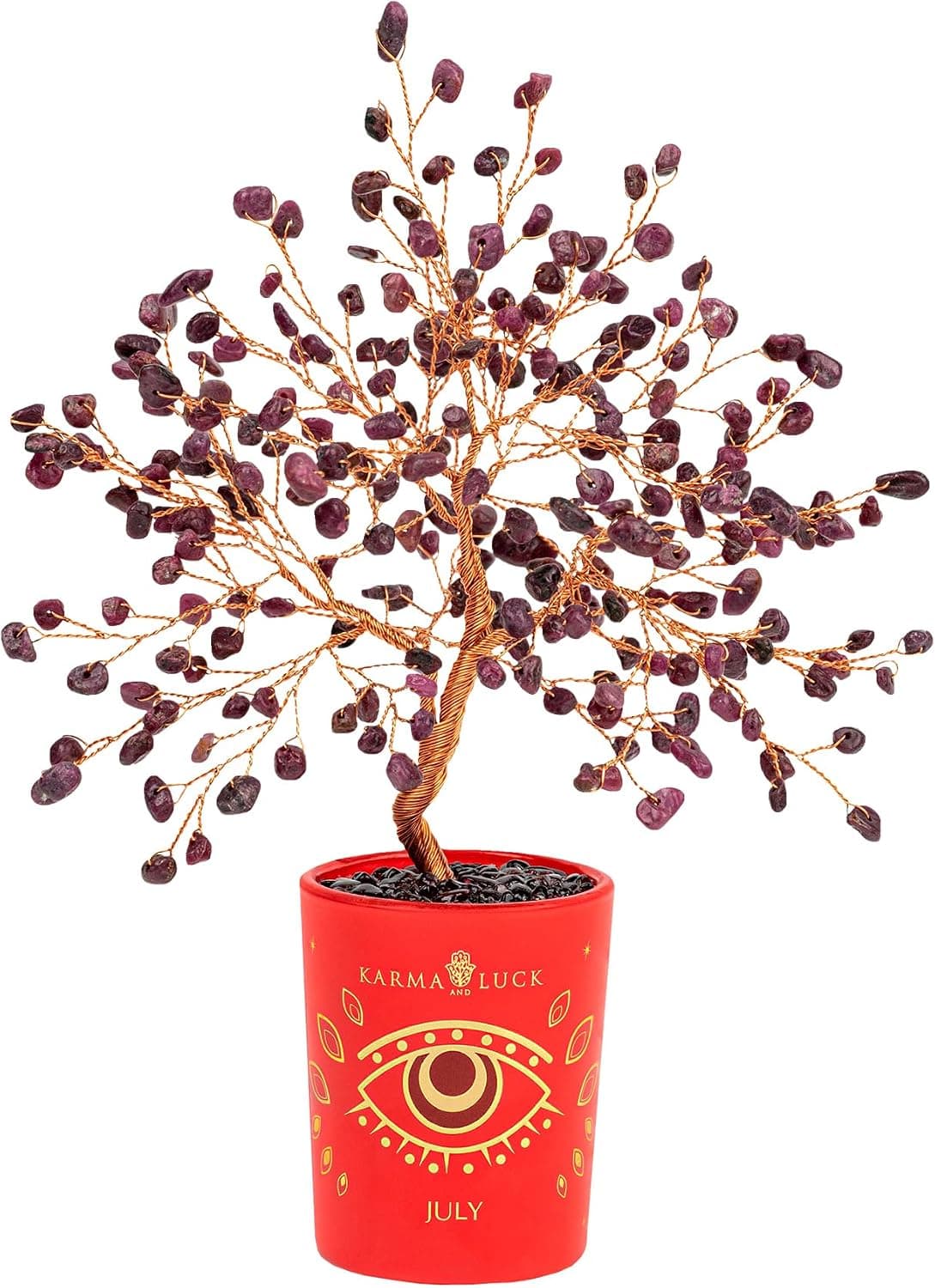
-29%Karma and Luck July Birthstone Crystal Tree of Life, Ruby Gemstone Feng Shui ...
 -29%
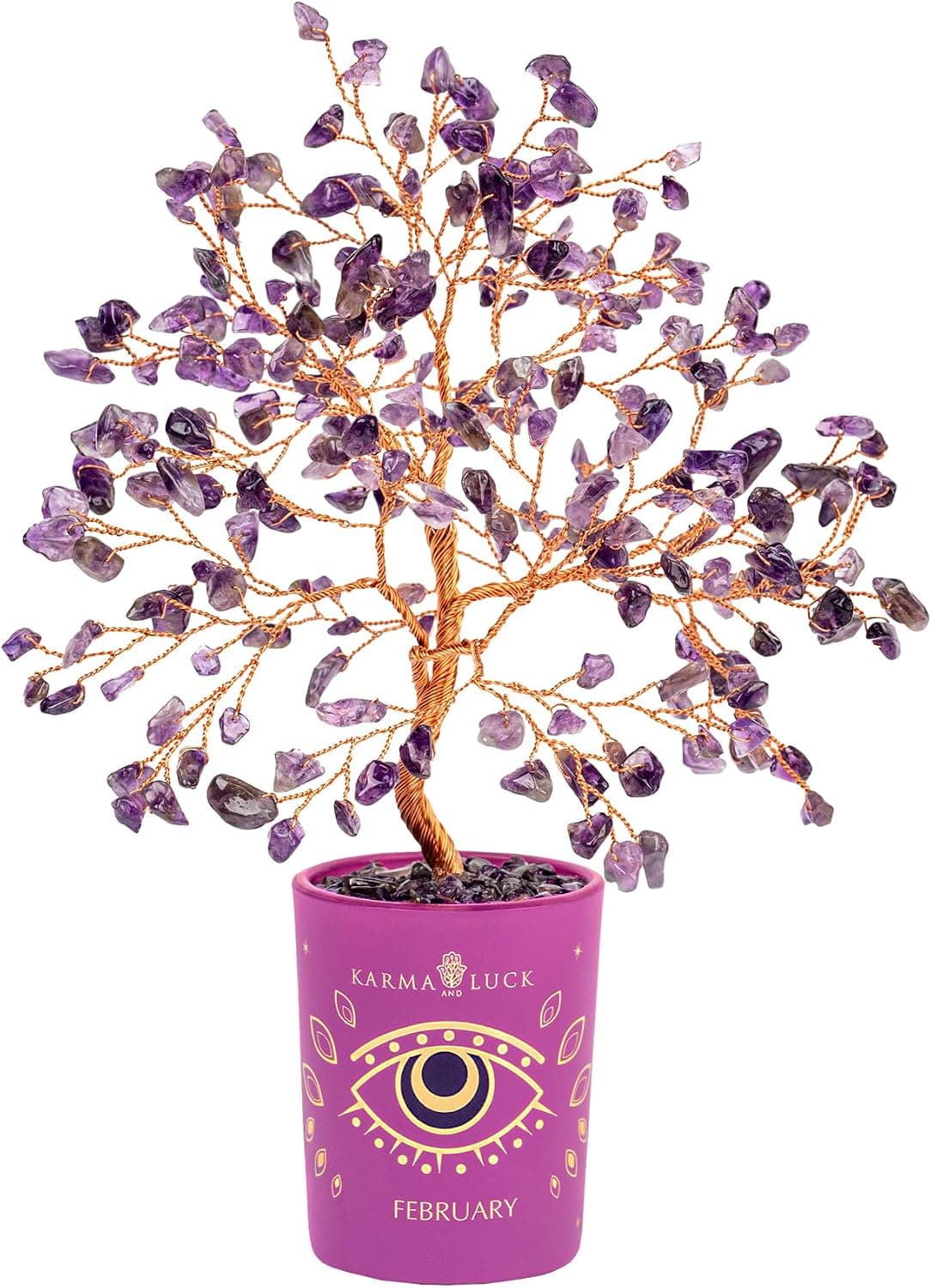
-29%Karma and Luck February Birthstone Crystal Tree of Life, Amethyst Gemstone Fe...
 -50%
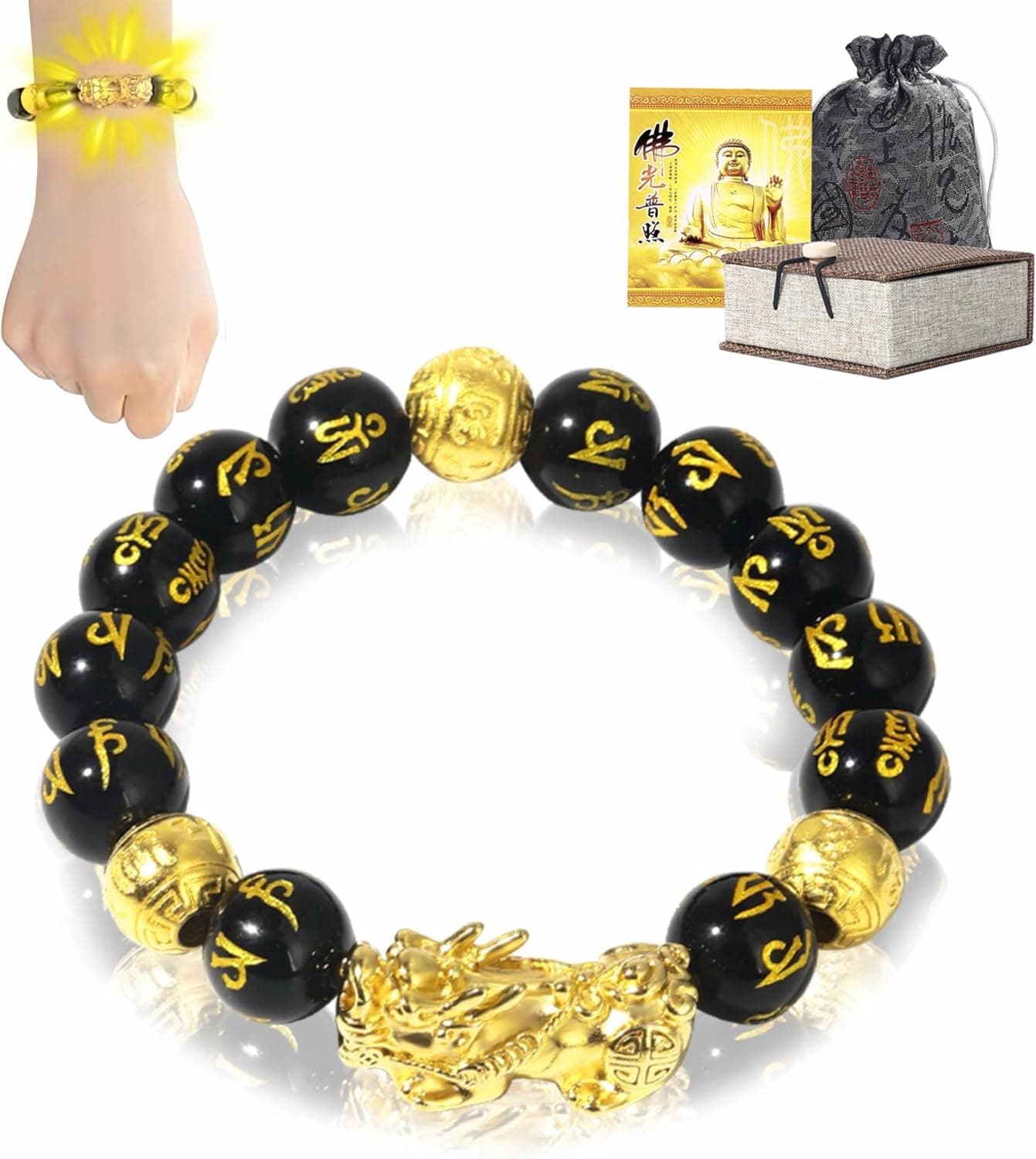
-50%biuufish Feng Shui Black Obsidian Bracelet for Men Women, 24K Gold Plated Pix...
As an Amazon Associate, we earn from qualifying purchases. We only recommend items our practitioners have personally tested.
Continue Your Journey
Explore these related guides to deepen your understanding:

Ready for Deeper Guidance?
Try our free I Ching reading for personalized wisdom, or explore our curated Feng Shui essentials.