The right move is not always the hard one; sometimes it is the cleaner one.
The River at the Fork
At the fork in the trail, one path runs fast and loud beside the water. The other stays shaded, slower, and almost annoyingly quiet. People reach that split and feel a familiar pressure: choose motion, choose certainty, choose the option that looks active.
That pressure is where the old Chinese way of seeing life becomes useful. Not as a slogan. Not as a mood. As a decision tree.
I have watched people waste entire weeks because they treated every problem like a wall that had to be hit harder. I have also watched them improve a room, a project, and even a marriage by doing less, but doing it at the right moment.
The point is not passivity. The point is to stop confusing strain with wisdom. That confusion is expensive.
When Force Feels Productive, But Isn’t
Control can feel safe because action is measurable. You send the email. You tidy the desk. You schedule the meeting. Your nervous system gets a reward: something happened. But measured action is not the same as aligned action, and people blur those two constantly.
I once stood in a cramped office at 6:45 p.m. with a glowing monitor, unread emails stacked in the corner of the screen, and a half-cold coffee leaving a bitter smell next to a warm laptop. The room had the dry hum of an air conditioner, and the worker beside me—an architect, sharp and exhausted—kept insisting she needed one more round of revisions before she could leave. Her shoulders were up near her ears. Her judgment was going down by the minute.
She wanted force because force looked responsible. That is the trap.
In a Taoist frame, the question is not, “Can I push?” The question is, “Is pushing reducing friction or manufacturing it?” If your effort is making the path narrower, louder, and more brittle, you are probably fighting conditions instead of working with them. That is a subtle distinction, but it changes everything.
This is why so many people misread agitation as clarity. A racing mind feels urgent, and urgency can masquerade as insight. But agitation often means you are too close to the problem to see it cleanly. The body is announcing strain before the mind admits it.
The Quiet Signal Beneath the Noise
Look for the signal that arrives after the noise drops, not during the noise itself. That quiet signal is often small: a sentence you can finally hear, a room that suddenly feels too hot, a task that stops looking noble and starts looking pointless.
Soft morning light on a wooden table can tell you more than another hour of mental wrestling. I remember a narrow kitchen in early morning light, where a teacher stood by a kettle hearing the faint boil, staring at a cluttered counter, and deciding whether to reorganize the entire kitchen or simply clear one useful space. Steam carried a faint mineral scent. The counter was crowded with mail, a cutting board, two mugs, and a dish rack that had no business being there.
She chose the small clear surface.
Within ten minutes, the room changed. Not magically. Practically. The kettle had room to breathe. She had room to think. That is a cleaner version of effort that does not waste itself, and it is far more useful than vague talk about “going with the flow.”
Reduced resistance lowers cognitive load. That matters. When a space or a plan stops fighting you, attention returns to what is already working. You begin noticing patterns instead of only problems, and timing becomes visible again.
Here is the surprise for people who love grit: ease is not always laziness. Sometimes ease is accurate. Sometimes the body senses the right move before the personality does.
If You Move, How Do You Move?
This is where the decision tree gets practical. Do not ask only whether to act. Ask how action should be shaped.
If the path is clear, move directly. If the path is blocked, reduce resistance first. If the situation is noisy, wait for one clean signal. If your body feels contracted, do not pretend you are making a wise decision just because your calendar is full.
A good Taoist response is often precise, not dramatic. You do not smash the gate when the door is open. You do not stand still when the current is carrying you. And you do not keep tightening your grip on a situation just because you are afraid of losing your role in it.
One of the best tests is simple: after you act, does the environment become easier to read or harder? If your move adds clarity, keep going. If it multiplies friction, pause. This is not mysticism. It is applied judgment.
There is a reason the Tao Te Ching keeps returning to restraint rather than theatrical heroics. It is not praising indecision. It is warning against force that damages the very thing you want to improve.
The Room That Changes When You Stop Fighting It
A room will tell on you. So will a relationship. So will your own face in the mirror after a sleepless week. I walked into a bedroom after an argument once and noticed the texture of the linen bedsheet, the coolness of a brass door handle, and the hush that follows a room when no one is trying to win. One partner sat on the edge of the bed with folded hands. The other was in the hallway, still heated, still certain that speaking now would fix everything.
It would not have.
The doorway mattered more than the words. That threshold space held the real decision: enter too soon and turn silence into a fight, or wait long enough to let the room cool down. The right timing was not passive. It was intelligent.
That same logic works in conflict, in design, in work, and in self-respect. People often want an immediate answer because waiting feels like weakness. Yet an unripe response can cost more than a delayed one. If your nervous system is still clenched, you are not seeing the whole board.
For some problems, the move is to speak. For others, it is to sit still long enough to hear what the silence is already saying. Daoist thought is useful here because it refuses the childish idea that action is always superior to restraint.
Choosing the Path That Leaves Less Friction
Use this sequence the next time you face a hard choice. First, ask which option creates less internal strain after the first ten minutes, not just which one feels morally impressive. Second, check whether the environment supports the move or whether you are forcing it into place. Third, notice whether your attention gets sharper or thinner after you begin.
If you are in work mode and the task is concrete, act decisively. If you are tired, irritated, or rushing to prove something, simplify before you escalate. Clear one surface. Finish one sentence. Send one careful message. Leave the rest alone until the signal improves.
In relationships, do not weaponize patience and call it wisdom. If a conversation is needed, have it. But if the room is still hot, if the hands are still tense, if the air still carries the aftershock, waiting may be the cleaner path. That is not avoidance when it protects the quality of the next exchange.
The same goes for identity. You do not need to force a new self into existence by sheer will. Sometimes the old shell cracks when you stop feeding it with unnecessary struggle. That change can be slow, then sudden. Quiet, then obvious.
If you want the larger philosophy behind this way of choosing, start with practical Tao wisdom for ordinary life. It will help you see why the smallest correct move often beats the biggest impressive one.
And if you are asking whether this means you should never push, the answer is no. Push when the path is open and the effort matches the moment. Wait when force is only producing heat. The trick is not to worship action or restraint. The trick is to read conditions honestly, then move with less friction.
FAQ
Is this just another way of saying “be passive”?
Not at all. Passivity waits because it has given up; this approach waits because timing matters. There is a real difference between surrendering your agency and refusing to waste it.
How do I know whether to act or pause?
Start with the body. If your chest is tight, your jaw is locked, and your mind is speeding up, you may be reacting rather than deciding. If the situation becomes clearer after you simplify, that is a strong sign you are moving in the right direction.
What if everyone around me expects constant effort?
That pressure is common, especially at work. The surprising fact is that many people respect clean results more than visible strain, even if they never say it out loud. Delivering with less friction can make you look calmer, sharper, and far more reliable.
David Liu
Traditionally informed guidance • Cross-referenced with classical Chinese source texts
Rooted in classical Chinese metaphysics and cross-referenced with original texts. Product recommendations are based on traditional symbolism, not guaranteed outcomes.
Practitioner-Selected Tools for This Topic
Items our team has tested and found effective for the principles discussed above. Individual results may vary.
 -29%
-29%Karma and Luck March Birthstone Crystal Tree of Life, Aquamarine Gemstone Fen...
 -29%
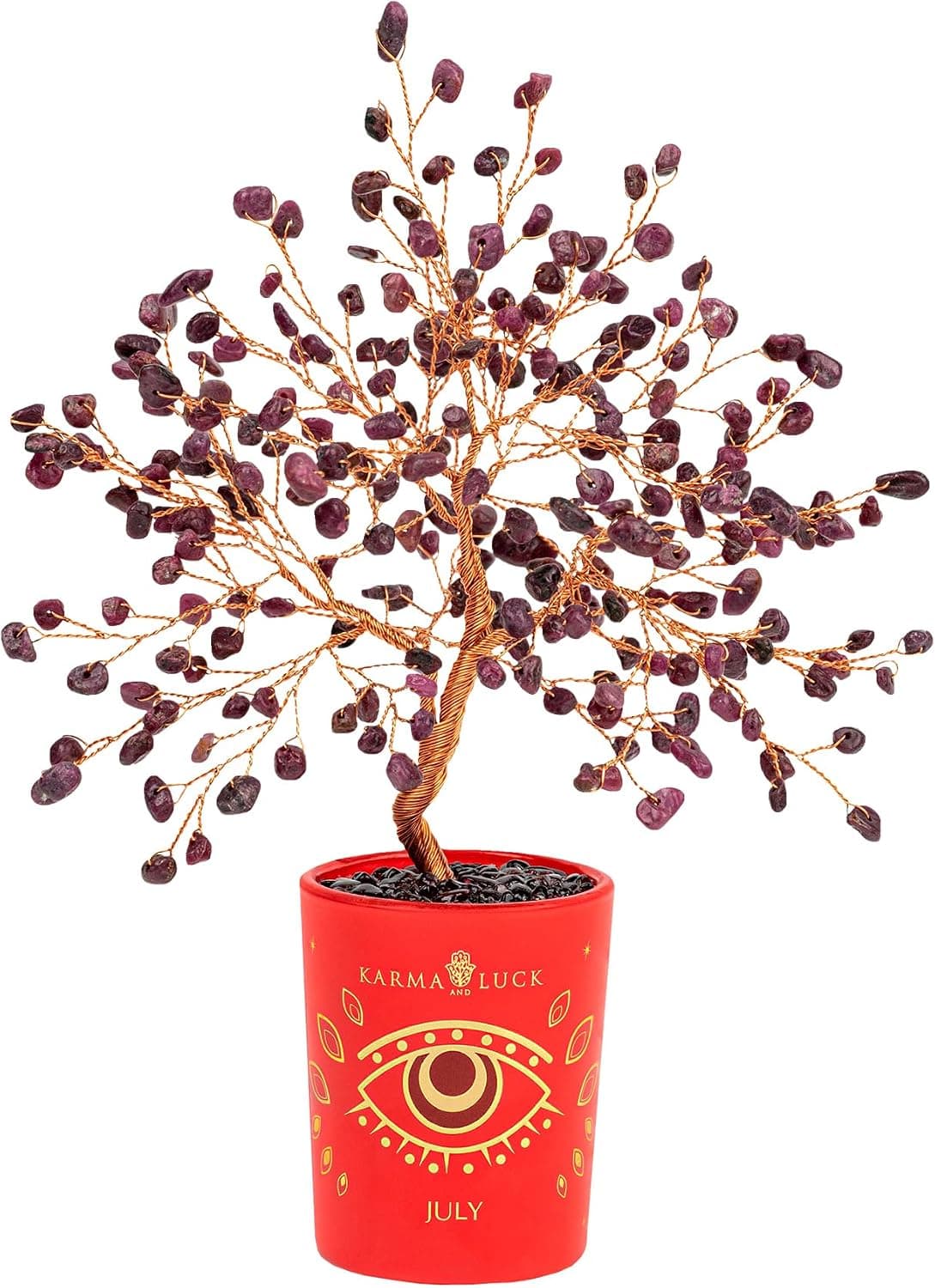
-29%Karma and Luck July Birthstone Crystal Tree of Life, Ruby Gemstone Feng Shui ...
 -29%
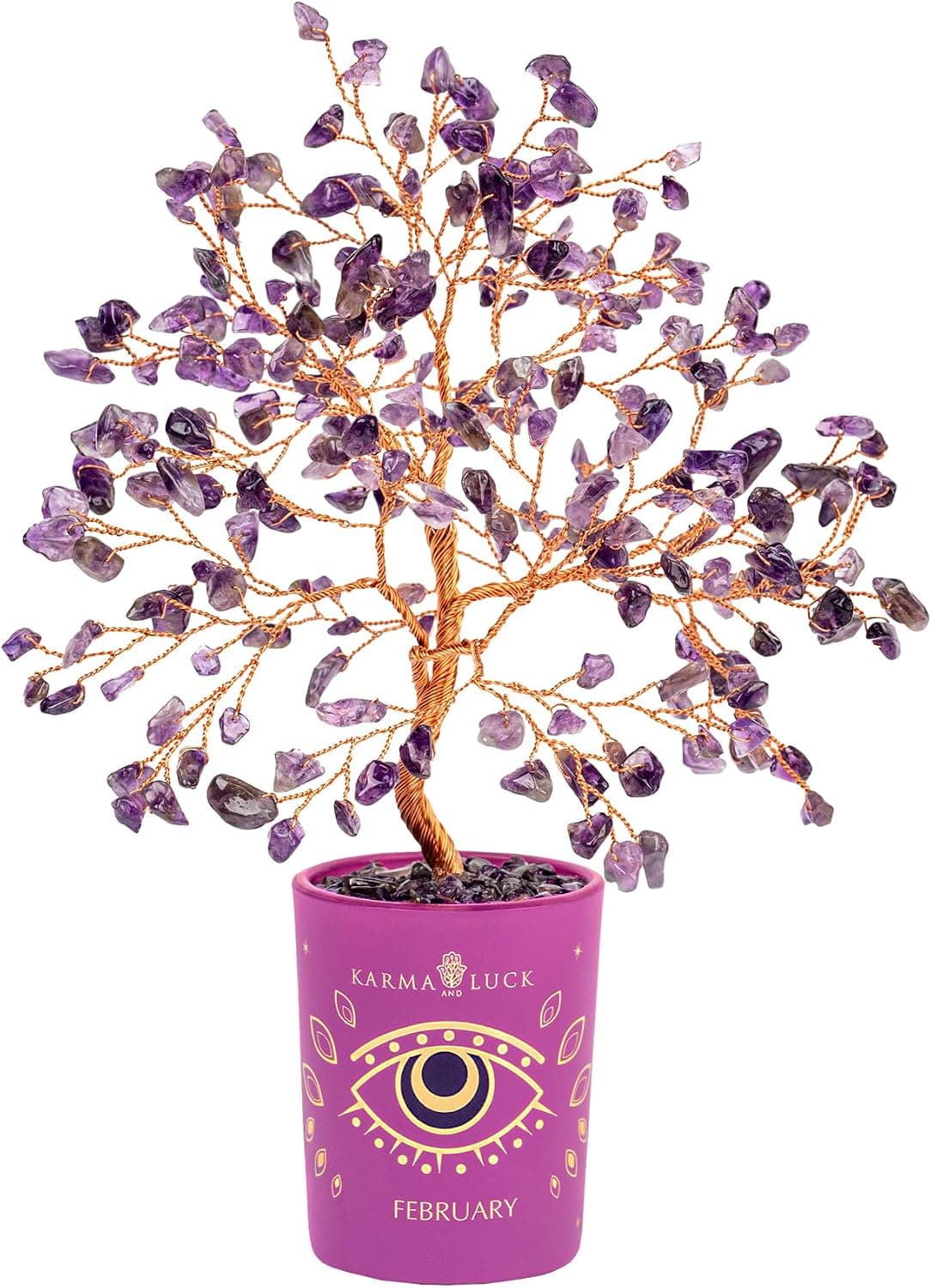
-29%Karma and Luck February Birthstone Crystal Tree of Life, Amethyst Gemstone Fe...
 -50%
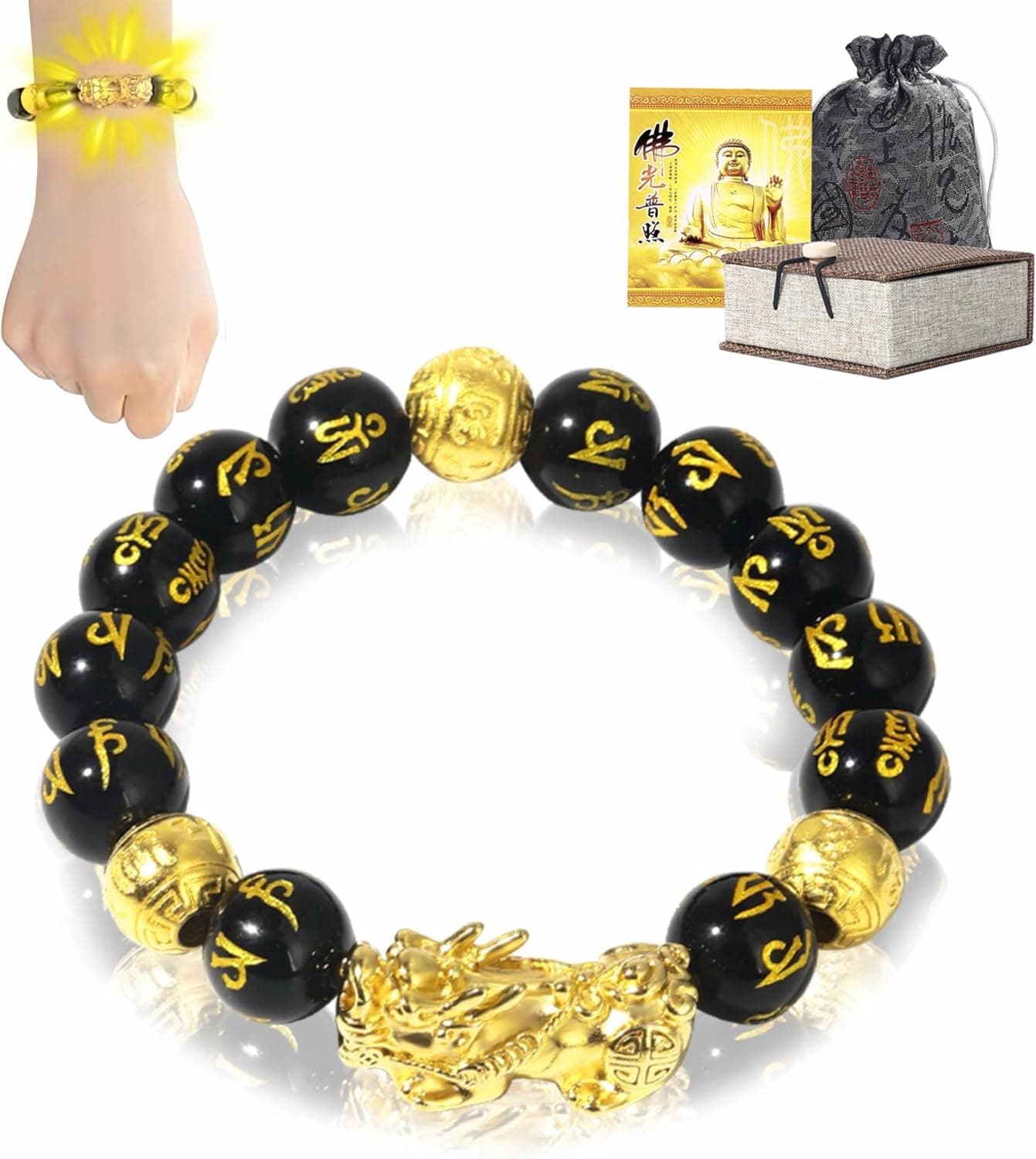
-50%biuufish Feng Shui Black Obsidian Bracelet for Men Women, 24K Gold Plated Pix...
As an Amazon Associate, we earn from qualifying purchases. We only recommend items our practitioners have personally tested.
Continue Your Journey
Explore these related guides to deepen your understanding:

Ready for Deeper Guidance?
Try our free I Ching reading for personalized wisdom, or explore our curated Feng Shui essentials.