The shift is tiny: one breath, one room, one refusal to keep forcing what is already moving.
The Second the Room Stops Fighting Back
At dawn, the kitchen was almost silent except for a kettle beginning to hiss. A woman stood at the sink with both hands resting flat on the counter, looking past the dish rack, past the pale bowl drying on the rack, as if she had forgotten what she came in for. Then her shoulders dropped. Not dramatically. Just enough to matter.
That is often how the first real encounter with Daoist thought arrives. Not as a lesson. Not as a slogan. It lands when the room stops feeling like an enemy to manage and starts feeling like a situation to meet.
I have seen this in a narrow kitchen with checkerboard tiles, a chipped blue mug near the toaster, and a window cracked open to cold air. The morning light was slanting across the wooden floor, pale and low, and the whole space looked simpler than the woman’s mind had been making it. She had been planning her day in clenched fragments: emails, school drop-off, a tense call she had been rehearsing for two days. Then she noticed that the kettle was already doing its work.
That was the click. Not mystical. Immediate.
People imagine insight as a grand philosophy arriving in polished language. More often, it is the moment you stop bracing against the ordinary. The body knows first. The mind catches up later.
On a crowded train platform, I watched a man in a charcoal coat hold a paper coffee cup while rainwater dripped from his sleeve onto the concrete. The train was late. Commuters were shifting their weight, checking phones, sighing through their teeth. He looked irritated at first. Then he looked at the dripping sleeve, then at the tracks, then at the people around him, and something loosened. The whole scene was still annoying, but it no longer felt personal. That shift matters more than most people admit.
It is the difference between resistance and attention.
When Trying Harder Makes Everything Smaller
There is a point where effort stops being useful and starts shrinking the field of possibility. You can feel it in the jaw, in the chest, in the way your thoughts become narrow and repetitive. You keep reaching for control, and each reach costs more than the last.
This is where Daoist practice becomes practical instead of poetic. Not because it tells you to do less in every situation, but because it shows you when force is making the situation harder to read. The old habit is to push until something gives. The newer response is to notice what is already moving and stop standing in front of it.
That change is often cognitive reappraisal. The event itself has not changed, but the meaning has. The bill is still due. The phone still rings. The child still cries in the middle of the night. Yet the mind stops treating each event as a battle to win and starts seeing it as a process to join. That is a very different internal weather.
In a small study room, I once sat across from a retired architect named Peter. He had a low wooden table, a black brush pen, and an open window that let in the smell of rain on stone. He had been struggling with a single line of text for twenty minutes, crossing it out, tightening it, trying to make it sound profound. Then he placed the pen down, looked at the page, and laughed. The answer was not in another sentence. It was in the blank space around the sentence. That room taught him more than the page did.
The same thing happens in a crowded life. Empty space is not failure. It is structure.
That idea is easy to miss because Western habits reward visible effort. We praise the push, the grind, the plan, the staircase. Daoist understanding often appears in the opposite shape: the narrow path beside the stream, where the water goes around rocks instead of announcing its strategy, instead of the rigid stone staircase that demands every step be accounted for. One route exhausts you. The other teaches you how to move without turning your whole life into a climb.
The Quiet Move You Didn’t Notice You Made
The moment of realization is usually so quiet that people doubt it later. They think something bigger should have happened. Fireworks. A revelation. A sentence from nowhere.
Instead, you may notice that you are no longer arguing with the dishwasher noise, or the traffic outside, or the fact that your timeline has changed. The room is the same. Your posture is not.
That is not passivity. It is a reduction of control struggle, and the relief can feel almost physical. The shoulders unclench. The tongue stops pressing against the back of the teeth. The breathing drops lower in the body. You stop spending energy on a fight that was never going to pay you back.
The interesting part is that this does not make you weaker. It makes you more available. Once you are no longer spending all your attention on resistance, you can notice patterns. You hear the tone in a conversation before the words become sharp. You sense when a project wants more time and when it wants less. You see that some doors are not blocked; they are simply not the right doors.
A half-open garden gate can teach this better than a lecture. I remember standing in one beside a courtyard in late spring, the wood weathered gray, the latch loose, the space beyond it held in filtered light. It was not fully open, and it was not closed. That threshold feeling is the one many people miss when they think only in terms of yes or no. The in-between is not wasted space. It is where responsiveness lives.
Daoism, when it lands, often lands there.
And this is where the body helps the mind catch up. The hands slow down. The face softens. The breath becomes less strategic. Even the feet feel different against the floor. The body is less interested in winning an argument than the mind is, and when it gets a clearer signal, the mind often follows.
Why the Stream Looks Smarter Than the Plan
People love plans because plans feel like safety. But a plan can become a cage if it cannot absorb reality. A stream is not intelligent in the human sense, and still it makes a better teacher than a rigid staircase because it never mistakes motion for mastery.
The stream is responsive. That is the whole point.
When you walk beside water after rain, you may catch the faint mineral smell of wet stone. It is clean, but not sterile. Alive, but not loud. That scent has a way of reminding the nervous system that order does not always need to be imposed from above. Sometimes it emerges from the shape of things.
This is why the structure of a room matters so much in lived philosophy. A room arranged around a central table with open space at the edges feels different from one crammed wall to wall with furniture. The first invites circulation. The second demands negotiation. The empty spaces are not lack; they are the very channels that allow movement, conversation, and attention to happen without strain.
I have watched people understand this before they could explain it. A teacher in a blue cardigan once moved a heavy chair out of the middle of her office, and the whole room changed. She sat down, looked around, and said, almost to herself, that she could think again. She was not praising furniture. She was recognizing that the room had stopped resisting her.
This is where the common comparison with other philosophies gets too flat. Daoist insight is not just about being relaxed. It is about perceiving the shape of reality well enough to stop wasting force on the wrong angle. That is why it can feel immediate once it lands: your attention changes, and the world appears less hostile because you are finally seeing it without all the extra noise of your own struggle.
The mind says, I must control this. The body says, Watch what is already happening. The second voice is usually wiser.
What Changes in the Body Before It Changes in the Mind
Before people describe a philosophical shift, they often describe a bodily one. They sleep differently. They stop holding their breath while reading difficult emails. They notice they are not clenching their hands in traffic. Small things. Real things.
That is because awareness moves first through sensation, then through interpretation. The attentional shift is the turning point. Once your focus moves from managing outcomes to observing patterns, the same event feels different. The delayed train is no longer only a delay. It is a pause you can inhabit. The argument is no longer only an obstacle. It is data.
At a glance, this sounds too simple. It is not. It is hard won. Most people spend years confusing vigilance with wisdom. They believe that if they keep pressure on the world, they will earn certainty. In practice, they usually earn exhaustion.
I learned this one winter in a dim apartment with a radiator knocking against the wall. A student had taped a page of notes above her desk, but the page kept slipping, and every time she reached to fix it she became angrier. She finally sat on the floor, stared at the crooked page, and started laughing. The page did not need to be perfect. It needed to be seen. That was enough to break the spell.
The body often recognizes this before language does. You feel less crowded inside yourself. Thoughts stop piling up in a panic stack. Breathing becomes wider. The room around you seems to have more air in it. That is not imagination. It is a change in perception, and perception changes behavior faster than willpower does.
After that, practice becomes ordinary. You answer a message without dramatizing it. You wash a bowl without turning the task into a verdict on your life. You wait at the platform without making the wait into a moral test.
Living After the Click
The real test is not whether you had the insight. It is whether you can live after it.
Start small. Notice one place in your day where you force a result before the situation has finished showing itself. It might be a conversation, a work task, or the way you rush your morning. Pause there. Not to become passive, but to stop confusing pressure with clarity.
Next, change the room before you change the habit. Clear one surface. Leave one area open. Move the chair that blocks movement. In a kitchen, make sure the sink has breathing room. In a study, let the table stand with space around it. The environment teaches the nervous system faster than a lecture does.
Then, when tension rises, ask a better question: what is already happening here that I have not yet seen? That question shifts you from combat to observation. It is a small sentence, but it changes how the day unfolds.
If you want a deeper philosophical frame, read the practice of acting without strain alongside this. The pairing is useful because the lived moment and the concept belong together. One explains the feeling in the room. The other explains why the feeling matters.
And if you are tracing the larger pattern behind this shift, connect it to the older teachings that shaped the tradition. You will see that the point was never to become detached from life. It was to meet life without the extra burden of constant resistance. That is a quieter kind of strength. Also a sturdier one.
One more thing. People often think the click will make them serene forever. It will not. You will still have bad mornings, difficult calls, and moments when you fall back into control mode. The difference is that you will recognize the moment faster. That recognition is not small. It is the beginning of freedom.
Daoist understanding does not erase the stream, the staircase, the train platform, or the kitchen at dawn. It changes how you stand in them. And once you have felt that shift even once, it is hard to mistake force for wisdom again.
FAQ
Is this kind of insight emotional or intellectual?
Usually both, and the timing matters. The mind may understand a concept first, but the real change happens when the body accepts it too. That is why the moment often feels unmistakable: it lands as both relief and recognition.
How do I know if I am actually changing or just relaxing for a moment?
A brief calm can fade quickly, but a true shift changes your default response. You notice less immediate resistance, and you recover faster when stress returns. The pattern of reaction begins to loosen.
Do I need special study to apply this?
No special performance is required. Start with observation: where are you forcing, where are you bracing, and where is the situation already moving on its own? That practice is deceptively simple, and it is enough to begin.
David Liu
Traditionally informed guidance • Cross-referenced with classical Chinese source texts
Rooted in classical Chinese metaphysics and cross-referenced with original texts. Product recommendations are based on traditional symbolism, not guaranteed outcomes.
Practitioner-Selected Tools for This Topic
Items our team has tested and found effective for the principles discussed above. Individual results may vary.
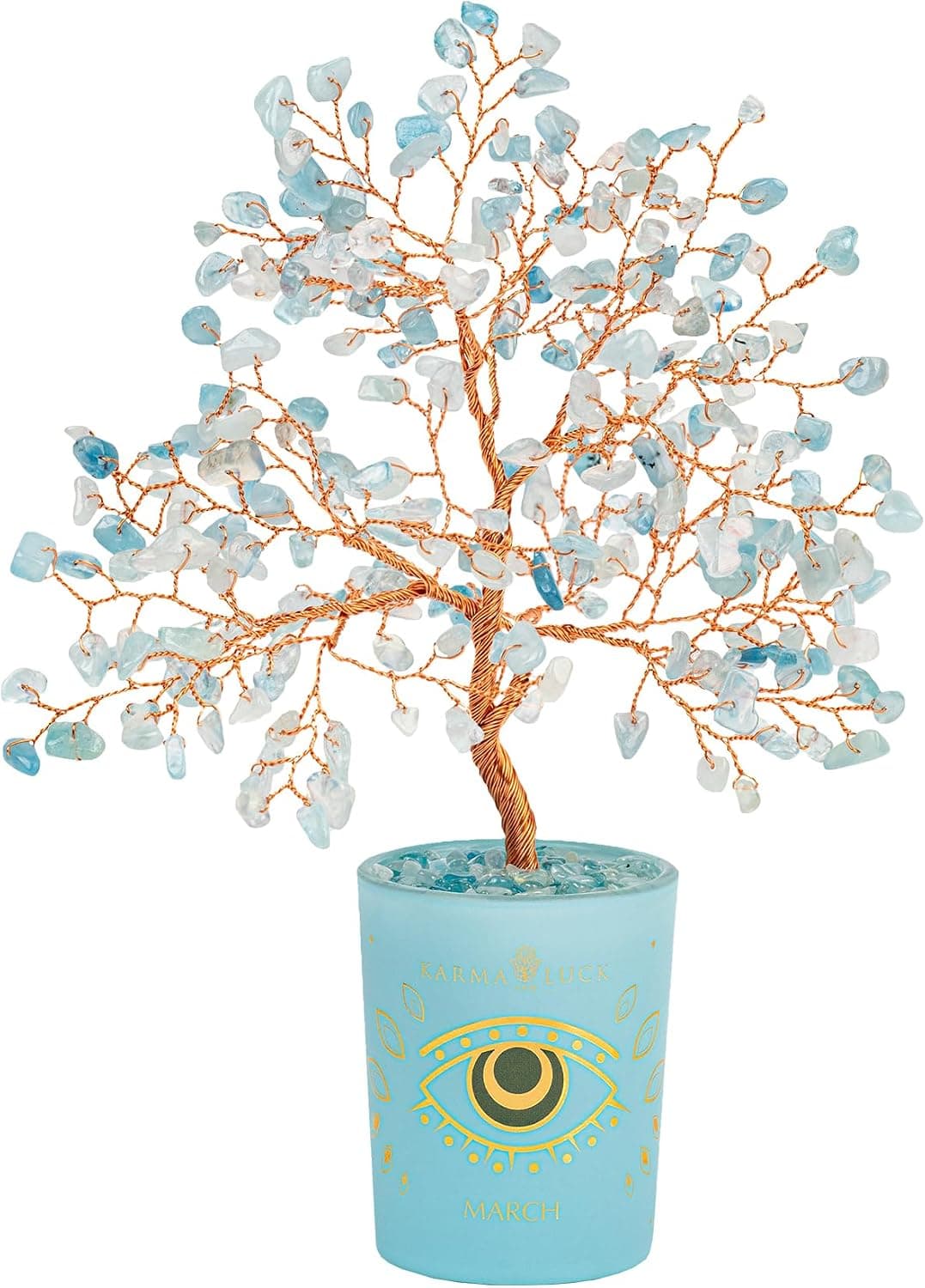 -29%
-29%Karma and Luck March Birthstone Crystal Tree of Life, Aquamarine Gemstone Fen...
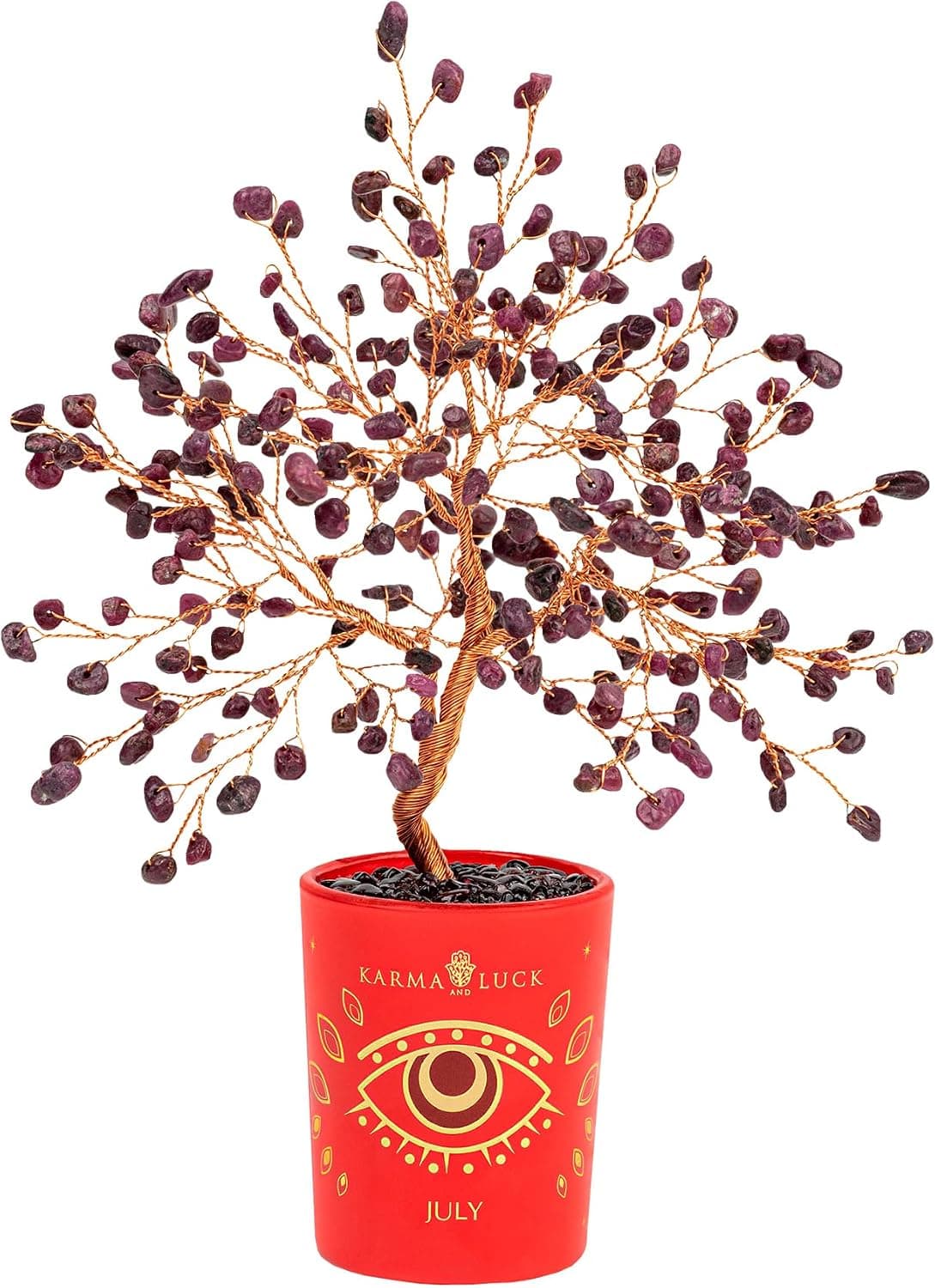 -29%
-29%Karma and Luck July Birthstone Crystal Tree of Life, Ruby Gemstone Feng Shui ...
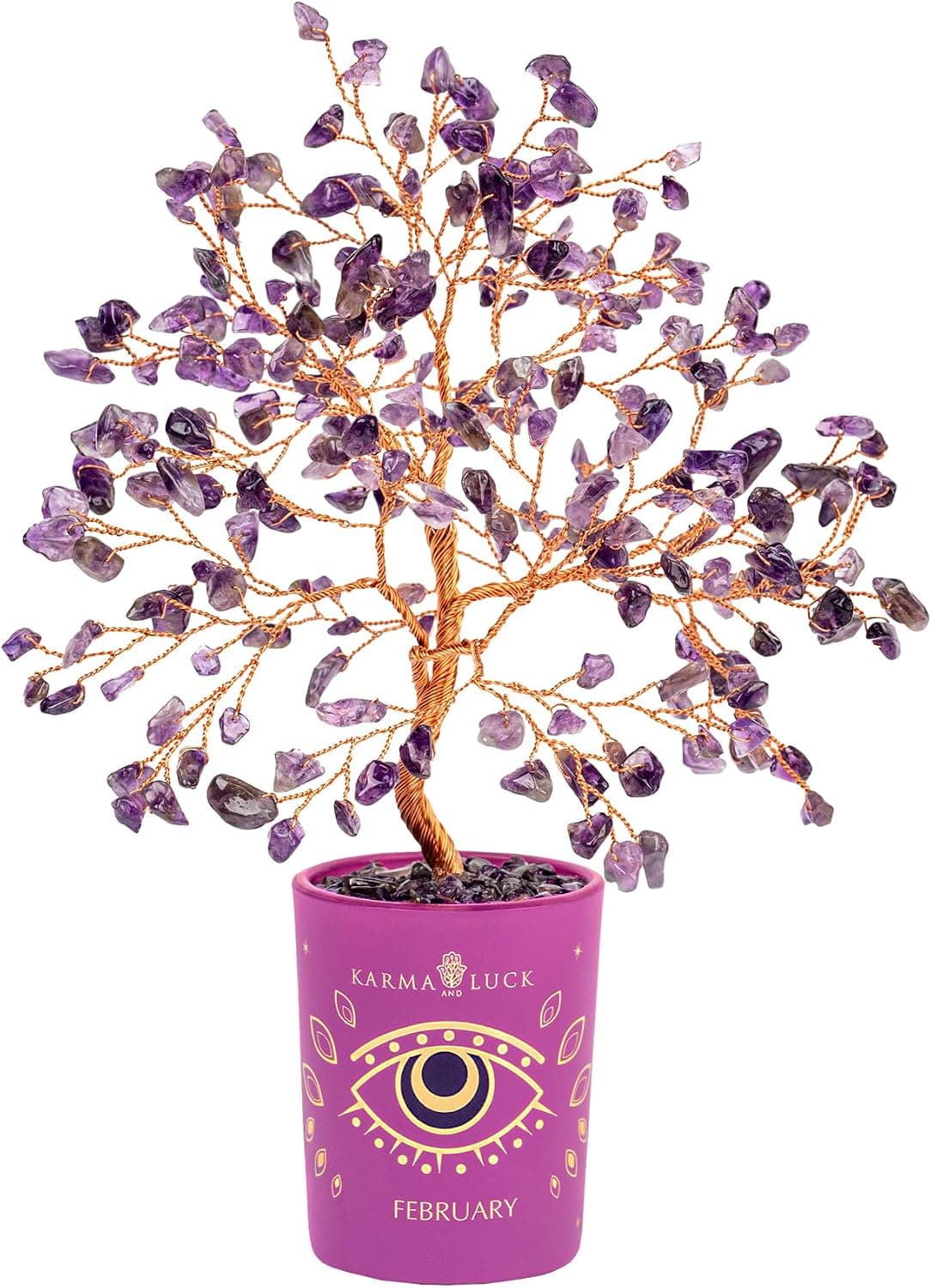 -29%
-29%Karma and Luck February Birthstone Crystal Tree of Life, Amethyst Gemstone Fe...
 -50%
-50%biuufish Feng Shui Black Obsidian Bracelet for Men Women, 24K Gold Plated Pix...
As an Amazon Associate, we earn from qualifying purchases. We only recommend items our practitioners have personally tested.
Continue Your Journey
Explore these related guides to deepen your understanding:

Ready for Deeper Guidance?
Try our free I Ching reading for personalized wisdom, or explore our curated Feng Shui essentials.