If your reading feels vague, the problem is usually the question—not the oracle.
The reading feels fuzzy because the question was fuzzy
You cast coins, see moving lines, open the text, and still feel like you’ve been handed fog. That frustration is common. The issue is rarely that the classic is “too mysterious.” More often, the question was too broad, too emotional, or too eager for reassurance.
I’ve seen this play out in a quiet kitchen in Portland: a teacher named Marisol sat with three copper coins, a blue mug, and a notebook full of underlined phrases. She asked, “Will my life get better?” Then she stared at the hexagram as if it had failed her. Three days later, after we reframed the question to “What am I being asked to change right now?” the reading became useful immediately. The answer was no longer a prediction. It was a mirror.
The Book of Changes works best when you stop treating it like a fortune cookie. It’s a decision-making lens. A pressure test. Sometimes a warning bell. If you already know what you want to hear, the text will often sound annoyingly indirect. That is not a flaw. That is the point.
The deepest i ching meaning is not “tell me the future.” It is “show me the pattern I’m inside.” That shift changes everything. Once you understand that, the hexagram stops being a cryptic symbol and starts becoming an instruction.
What the I Ching is actually doing
The old Chinese text does not hand out one-size-fits-all answers. It responds to timing, relationship, and context. A single hexagram can speak differently to a couple facing a move, a manager facing a layoff, or a student deciding whether to stay in school. That’s why generic interpretations often disappoint. They flatten something alive.
Think of it this way: the oracle does not replace your judgment. It sharpens it. If you are asking from panic, it may show you where panic is distorting the room. If you are asking from patience, it can reveal the next clean step. That is very different from “telling the future,” and frankly, better.
For readers who want the broader framework, the yi jing tradition helps explain why structure matters more than dramatic language. The text is built on change itself. Nothing stays fixed. Not your job. Not your mood. Not your relationship to the question. The oracle reflects movement, not fantasy.
That is why the i ching meaning becomes clearer when you ask how a situation is unfolding, not whether you will be rescued from it. The classic answers in rhythms, not headlines. It points to what is growing, what is weakening, and what kind of action fits the moment.
One sentence can save you a lot of confusion: the oracle is not impressed by your urgency.
How to read it without forcing an answer
Start by writing the question in plain language. Not “Will I be successful?” Better: “What is the most effective way to approach this new role?” Not “Does he love me?” Better: “What is happening in this relationship that I need to see clearly?” The more concrete the question, the more usable the answer.
Then pause. I know that sounds basic, but it matters. Before you cast coins or yarrow stalks, let the mind settle. A reading pulled from agitation tends to echo agitation. A reading pulled from stillness is more likely to identify the real shape of the issue. That is why many practitioners keep the room simple: one table, one notebook, no clutter, no phone buzzing nearby.
After the cast, read the primary hexagram first. Do not rush to the moving lines just because they look exciting. The main image gives the atmosphere. It tells you what kind of weather you are in. The changing lines then show where pressure is shifting. If there is a relating hexagram, treat it like the direction the situation is moving, not a second opinion.
When people ask me how to get better at this, I give them a boring answer: keep a record. Write the question, the date, the hexagram, the lines, and what happened afterward. Within a few months, patterns appear. You will see which questions were useful, which were self-serving, and which situations needed patience instead of action.
If you want to compare traditions, the oracle method is especially useful when you need a direct response to a live situation. It is less about theory and more about timing. That practical edge is what makes the system durable.
What to do with the answer once you have it
Do not force the text to match your preferred outcome. That is the fastest way to turn a wise tool into a mood mirror. Instead, ask three quiet follow-up questions: What is stable here? What is changing? What action would fit the image of this hexagram?
If the answer suggests retreat, retreat cleanly. If it suggests patience, stop poking the problem every twelve hours. If it suggests careful movement, move with precision, not bravado. The classic rewards alignment, not drama.
There’s a second trap I see often: people ask the same question five times because they dislike the first answer. That usually creates noise, not clarity. Another common mistake is treating one reading like a lifetime verdict. It is not a prison sentence. It is a snapshot of a moment in motion. If you need help spotting these habits, this guide to reading with better judgment explains the difference between insight and projection.
Here’s the part many modern readers miss: the text can be emotionally uncomfortable and still be correct. You may receive an answer that tells you to wait when you want action, or to act when you want reassurance. That tension is often the real teaching. It reveals the gap between impulse and timing.
And yes, some people want the oracle to behave like a yes-or-no machine. That is a very Western habit. Useful in small doses, but shallow if you stop there. If you need a stricter method for simple decisions, this approach to yes-or-no questions will keep the reading honest without flattening the system.
One short line, because it matters: clarity beats comfort.
Common mistakes that muddy the message
The first mistake is asking a question that is really a demand for reassurance. “Is everything going to be okay?” sounds innocent, but the answer can become mush. Better to ask what is required, what is changing, or what you are missing. The second mistake is reading the text as if every symbol means the same thing in every situation. It does not. Context changes everything.
Another thing I see all the time: people lean on random internet glosses and ignore the structure of the hexagram itself. That’s like reading one line of a map and calling it a destination. If you want a more grounded framework, this first-reading method helps keep your interpretation from drifting into wishful thinking.
Some readers also get distracted by elaborate spiritual language. They start hunting for destiny, soul contracts, cosmic inevitability. Fine words. Often useless. The classic is far more practical than that. It asks you to pay attention to conditions, sequence, and consequence. Plain things. Real things. The things people avoid because they are not dramatic enough.
FAQ
Is the i ching meaning always the same?
No. A hexagram has a stable structure, but its message changes with the question, the moving lines, and the moment. That is why a reading can feel sharply specific one day and only mildly relevant another.
Do I need to believe in it for it to work?
Not in the brittle, all-or-nothing sense. I’ve seen skeptical readers get very useful results because they approached the system with honesty and a real question. Respect matters more than belief theater.
Can I use it for major life decisions?
Absolutely, though I would not use it as your only source of judgment. The strongest readings help you see timing, risk, and blind spots. They work best alongside practical facts, not instead of them.
What if I get a confusing answer?
Confusion often means the question needs sharpening, or the situation is genuinely mixed. Start with the main hexagram, then look at the moving lines and ask what they reveal about your conduct. If you want a broader comparison, this comparison with tarot shows why the two systems feel so different.
David Liu
Traditionally informed guidance • Cross-referenced with classical Chinese source texts
Interpretations cross-referenced with the Zhouyi (周易) and Wilhelm/Baynes translation.
Practitioner-Selected Tools for This Topic
Items our team has tested and found effective for the principles discussed above. Individual results may vary.
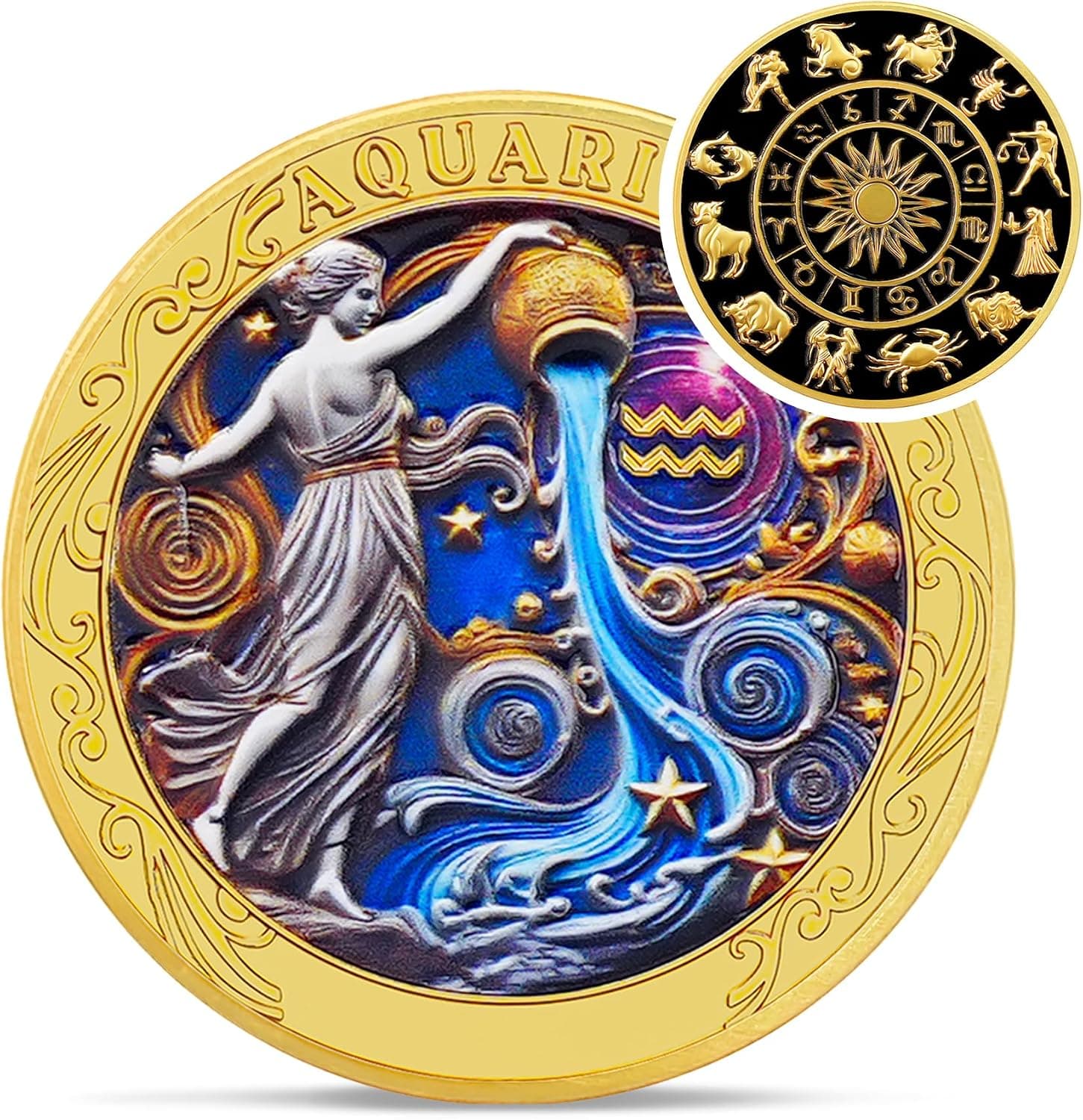 -20%
-20%Aquarius 12 Zodiac Challenge Coin - Twelve Constellations Aquarius Protective...
 -29%
-29%Karma and Luck March Birthstone Crystal Tree of Life, Aquamarine Gemstone Fen...
 -29%
-29%Karma and Luck July Birthstone Crystal Tree of Life, Ruby Gemstone Feng Shui ...
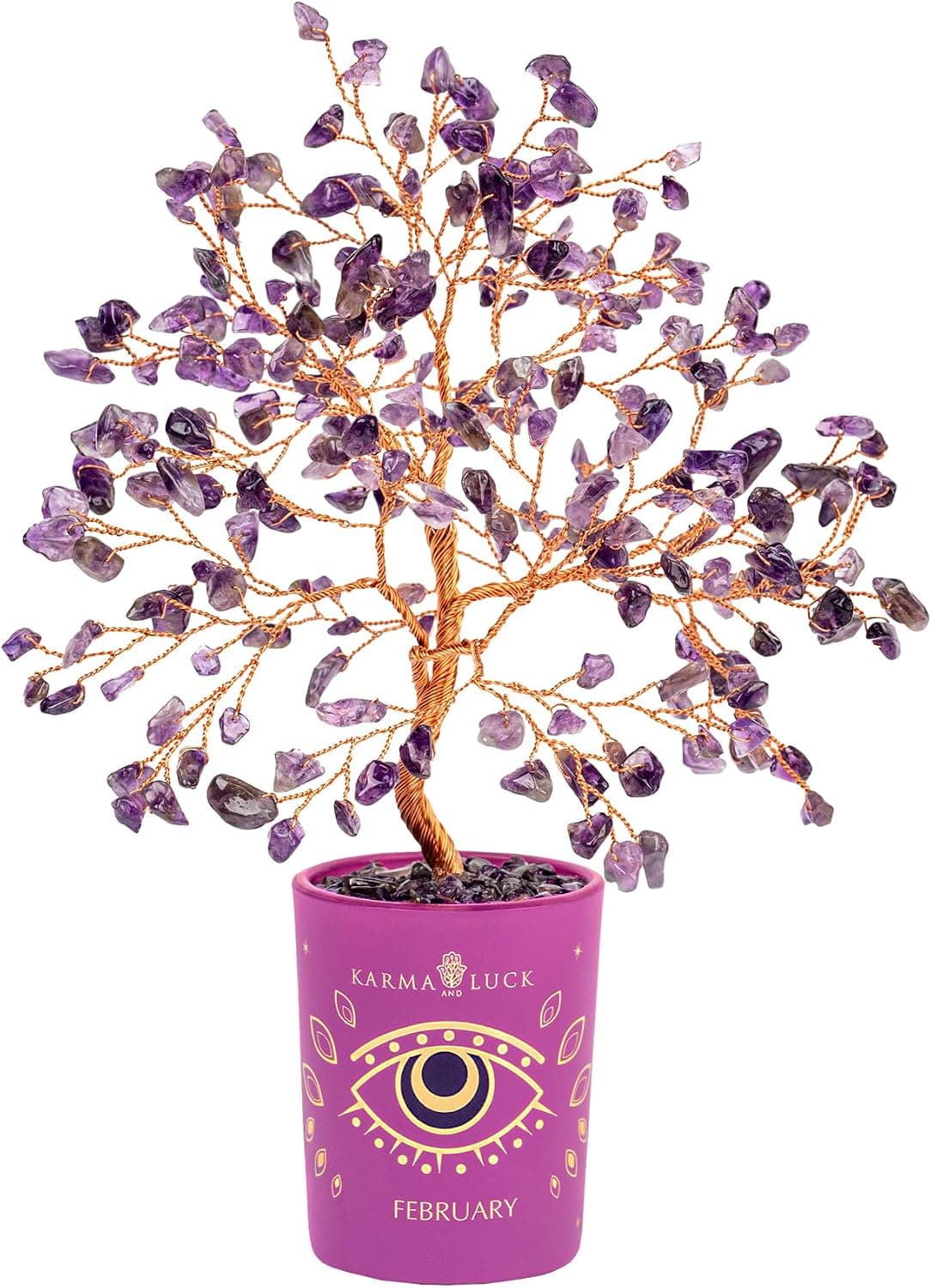 -29%
-29%Karma and Luck February Birthstone Crystal Tree of Life, Amethyst Gemstone Fe...
As an Amazon Associate, we earn from qualifying purchases. We only recommend items our practitioners have personally tested.
Continue Your Journey
Explore these related guides to deepen your understanding:

The I Ching Doesn't Answer Lazy Questions — Here's What to Ask Instead
8 min readConfucian Commentary Turns the I Ching Into a Moral Floor Plan
9 min readBroken Lines, Solid Lines, and the Real Yin-Yang Logic of the I Ching
11 min readThe Wilhelm I Ching Feels Deep Because It Slows Your Reading
11 min readReady for Deeper Guidance?
Try our free I Ching reading for personalized wisdom, or explore our curated Feng Shui essentials.