The I Ching survived because it kept changing with the world that used it.
The I Ching did not begin as a book of wisdom
It began as a tool for decision-making under pressure, and that distinction matters. A Shang diviner stood over heated bone, watched a crack split the surface, smelled smoke and dry ritual fire, then spoke to a ruler who needed an answer now. No one in that room was thinking about self-help. They were trying to keep harvests, war, and lineage from collapsing.
That starting point changes how you read the text today. When people search for how the I Ching actually functions, they often assume it was always a philosophical book. It was not. Its early life was closer to statecraft than spirituality, and that is exactly why it endured.
People like clean origin stories because the mind wants stability when reality feels uncertain. A single founder. A single moment. A single meaning. Ancient Chinese divination did not grow that way. It grew as a system that learned to stay useful across changing courts, changing media, and changing questions.
That is the real frame for understanding i ching history and origins: not a straight line, but a sequence of adaptations that kept the system working.
From oracle pits to bronze vessels, the evidence points to a state ritual
The earliest layers point toward oracle bone divination in the late Shang period. Bones and turtle plastrons were used in ritual settings, often in palace or oracle pit contexts, where questions about rain, battle, childbirth, or sacrifice were made to ancestors and powers beyond ordinary sight. The physical setup matters. This was not private meditation on a cushion. It was public, formal, and tied to power.
The key insight is that the divination was not an isolated act; it sat inside a larger administrative system. A ruler could not afford to guess blindly about a campaign or a harvest, so divination gave those decisions a ritual checkpoint. The crack on the bone did more than produce a yes-or-no answer. It created a record that linked uncertainty to authority, which made the decision socially legitimate as well as spiritually sanctioned.
I have seen how easy it is for modern readers to project modern inwardness onto old practices. But the archaeological record suggests something harder and more practical: a decision technology embedded in governance. Later bronze vessel contexts show the same pattern. Bronze inscriptions, ancestral offerings, and formal ritual all reinforced the idea that rule had to be coordinated through correct procedure. Divination was one of the tools that held that order together because it translated risk into ritual action.
The shift from bone to bronze, and then to bamboo slips and silk manuscripts, tells its own story. Systems that survive are systems that can move. A method anchored only to one material culture dies with that culture. A method that can migrate from smoke-blackened pits to bamboo strips in a court archive has a future.
That is one reason the I Ching kept its relevance. It traveled well.
How the Zhou Yi became the I Ching tradition
The Zhou period did not invent change; it reorganized it. What later became the Zhou Yi appears to have developed in a courtly environment where ritual procedure, military planning, and harvest timing all needed coordination. The text was not just about “the future.” It was about fitting action to conditions, which means it helped rulers decide not only what might happen, but what kind of action was appropriate right now.
That is a subtle but important difference. A ruler deciding whether to advance an army does not need cosmic poetry. He needs a structure that clarifies timing, restraint, and consequences. The Zhou court seems to have treated divination as part of governance, which is why the system could later be read as both practical and philosophical. In other words, the text survived because it solved a political problem first and a reflective problem later.
The famous balance of broken and unbroken lines gave the method a visual grammar that was simple enough to remember and complex enough to interpret. In a small apartment, where every object has to justify its space, this kind of compact system makes sense. One pattern can hold many states. One page can generate many readings. That is efficient design, not mystical excess.
For modern readers who want the basics first, a beginner-friendly reading path helps separate the base text from later interpretation. The confusion usually starts when people treat every layer as if it were born at the same time. It was not.
The Zhou Yi was a working text before it was a sacred one. That is the hinge on which the whole tradition turns.
The Ten Wings changed a manual into a philosophy
At some point, commentary began to gather around the core text like layers around a shell. The Ten Wings, a set of interpretive writings traditionally linked to the Confucian tradition, reframed the book as more than divination. They connected the hexagrams to ethics, cosmology, and human conduct. That move was powerful. It made the text portable across court, academy, and later private study.
Here is the practical effect: a divination manual became a text people could argue about for centuries. A Han scholar shelving a copy beside commentary in a library or academy was not just preserving a book. He was preserving a system of interpretation. The base text stayed relatively stable; the surrounding meanings kept expanding.
That is why the trigrams matter so much. They are not decorative symbols tacked on later. They are part of the system’s internal logic, one reason the text can describe movement, tension, and transition without reducing life to slogans.
Philosophically, this is where the I Ching becomes unusually durable. It treats change as real, not as a mistake to be eliminated. That sounds simple, but most people resist it. We want a final answer. The text offers a process instead. That is more sustainable, because life keeps changing after the consultation ends.
Psychology helps explain the appeal. Symbolic systems are emotionally powerful because they let people project inner conflict onto an external pattern. Once that happens, uncertainty becomes readable. Not solved. Readable. That alone can lower anxiety enough for better action.
Why legend grew around the book
Legends attach themselves to texts that matter. The more useful the system, the more people want it to have a singular, heroic origin. Fu Xi, King Wen, the Duke of Zhou, Confucius. These names matter culturally, but not every layer belongs to the same historical moment. Tradition often compresses centuries into a neat story because neat stories are easier to transmit.
A later reader may prefer the legend because it feels complete. The mind likes closure. Yet the historical record suggests something messier and more interesting: practices of divination, court ritual, textual compilation, and philosophical commentary accumulated over time. The book survived because each era preserved the parts that still solved problems.
That is a systems-thinking lesson. Sustainable systems do not stay fixed. They keep the core function and adapt the packaging. The I Ching moved from bone and bronze to manuscript and print, from ritual precincts to libraries, from state divination to private reflection. The medium changed. The function remained legible.
For readers who compare it with other divinatory tools, a direct comparison with tarot makes the contrast clear. Tarot tends to speak through narrative images. The I Ching speaks through structure, relation, and timing. Both can be meaningful. They just organize uncertainty in different ways.
That is also why legend persists. A living system attracts meaning, and meaning attracts story.
What a sustainable reading of the I Ching looks like now
A sustainable approach does not ask the text to be more ancient than it is, or more magical than it needs to be. It asks what layer you are actually using. Are you consulting a historical oracle method, reading a classical text, or working with later commentary? Those are related, not identical.
In practice, that means treating the I Ching as a decision aid that externalizes uncertainty. You pose a real question. You receive a structured pattern. Then you read it against current conditions, not against fantasy. That process can help regulate emotion because it creates a pause between impulse and action. The pause is the point.
I have seen people make the same mistake in tiny apartments and spacious homes alike: they want a symbolic system to do the whole job for them. A studio with one window, a desk jammed beside the bed, and a red lamp glowing all night can create mental noise. So can a reading approach that piles on meaning without any structure. The answer is not more drama. It is better fit.
That is why the best reading habit is modest. Ask one precise question. Hold your situation steady. Read the result in relation to timing, limits, and momentum. If you want the mechanics behind that process, starting with your first reading keeps the method grounded instead of theatrical.
And if you want the deeper logic behind the transition from base text to philosophical system, the Book of Changes tradition shows how later readers built layers without erasing the original function.
The part most people miss about survival
People assume ancient texts survive because they are revered. Reverence helps, but usefulness lasts longer. The I Ching endured because it adapted to political life, scholarly life, and private life without losing its core structure. That is rare. Most systems either stay practical and vanish, or become sacred and freeze. This one did neither.
So when you ask about i ching history and origins, the cleanest answer is also the hardest one: it began as a ritual decision system, became a classical text through compilation and commentary, and kept evolving because each generation found a use for it. The legend is not the whole story. The commentary is not the whole story. The oracle bones are not the whole story. Put together, they explain why the book still speaks.
The lesson is simple. Durable systems do not eliminate change. They organize it.
FAQ
Was the I Ching originally meant for philosophy?
No. Its earliest forms were tied to divination and state ritual. Philosophical interpretation came later, especially through commentary traditions that reframed the text for ethical and cosmological use.
Do the oracle bones prove the modern I Ching existed in Shang times?
Not in the exact form readers use today. The evidence points to early divinatory practices that share the same broad lineage, while the familiar hexagram system developed later through Zhou-era and subsequent textual traditions.
Why do so many origin stories mention legendary rulers?
Because legends give a system authority and continuity. People trust texts more when they can attach them to revered names, even when the historical development was gradual and collective.
Is the I Ching still useful if I care about history, not mysticism?
Absolutely. In fact, the historical view makes it more interesting. You can treat it as a structured way of thinking about uncertainty, timing, and change without forcing it into a simplistic supernatural frame.
David Liu
Traditionally informed guidance • Cross-referenced with classical Chinese source texts
Interpretations cross-referenced with the Zhouyi (周易) and Wilhelm/Baynes translation.
Practitioner-Selected Tools for This Topic
Items our team has tested and found effective for the principles discussed above. Individual results may vary.
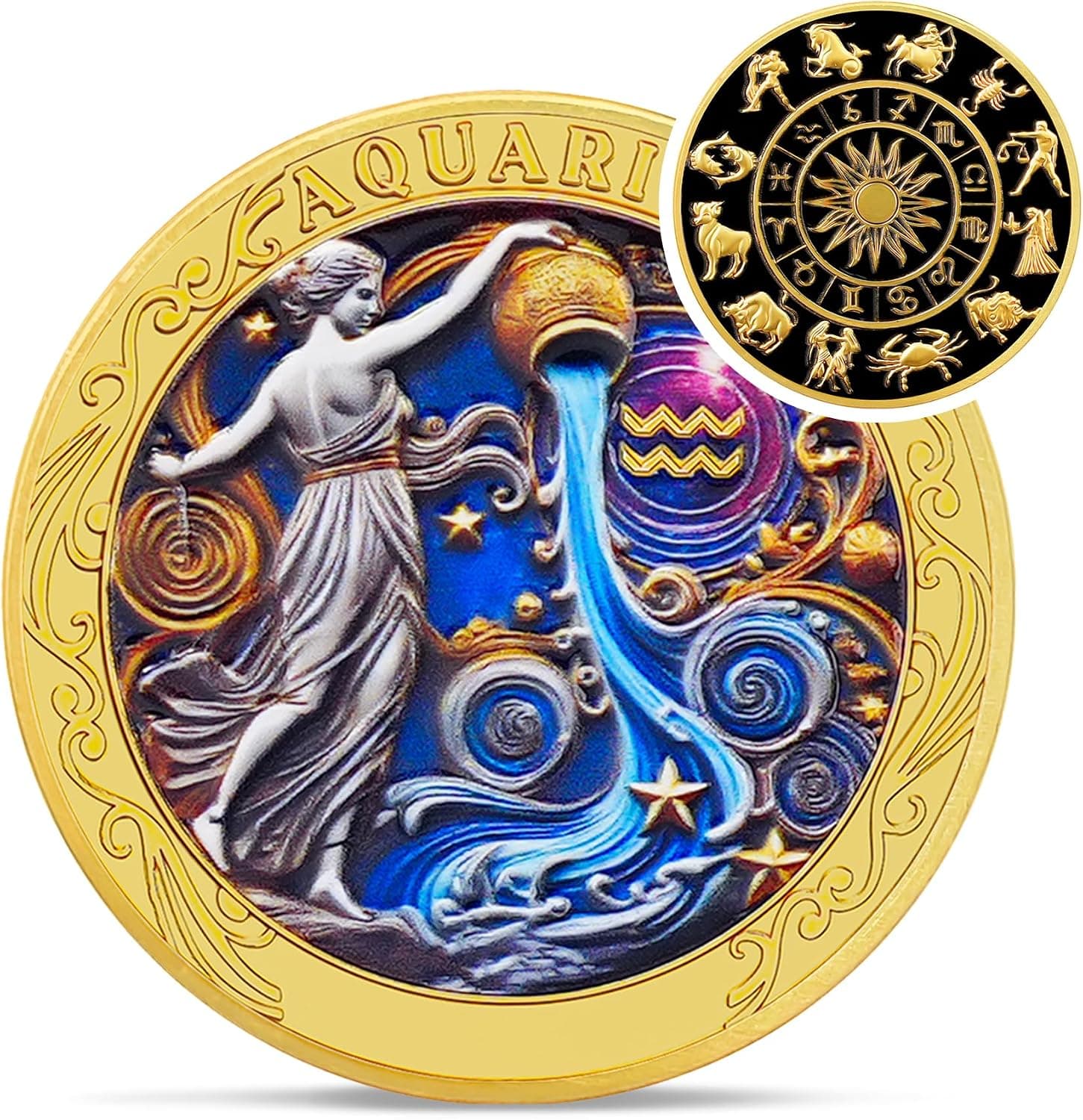 -20%
-20%Aquarius 12 Zodiac Challenge Coin - Twelve Constellations Aquarius Protective...
 -29%
-29%Karma and Luck March Birthstone Crystal Tree of Life, Aquamarine Gemstone Fen...
 -29%
-29%Karma and Luck July Birthstone Crystal Tree of Life, Ruby Gemstone Feng Shui ...
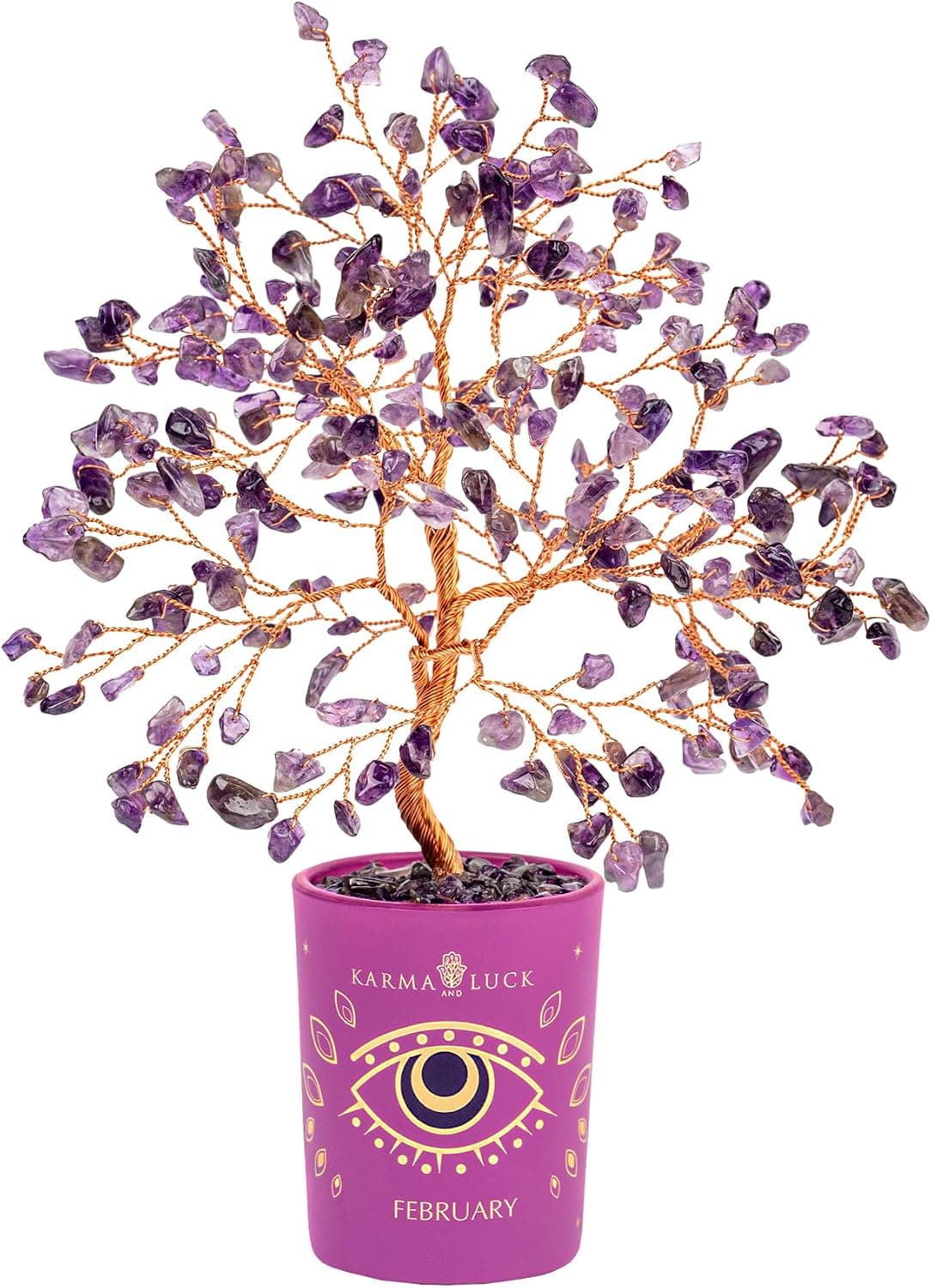 -29%
-29%Karma and Luck February Birthstone Crystal Tree of Life, Amethyst Gemstone Fe...
As an Amazon Associate, we earn from qualifying purchases. We only recommend items our practitioners have personally tested.
Continue Your Journey
Explore these related guides to deepen your understanding:

The I Ching Doesn't Answer Lazy Questions — Here's What to Ask Instead
8 min readConfucian Commentary Turns the I Ching Into a Moral Floor Plan
9 min readBroken Lines, Solid Lines, and the Real Yin-Yang Logic of the I Ching
11 min readThe Wilhelm I Ching Feels Deep Because It Slows Your Reading
11 min readReady for Deeper Guidance?
Try our free I Ching reading for personalized wisdom, or explore our curated Feng Shui essentials.