The 64 hexagrams become useful only when you can find them three ways: by number, by shape, and by name.
Why the list is not just a list
Open a clean reference page and the first surprise is this: the first encounter with the I Ching is not really about memorizing 64 objects. It is about learning how the same figure can be entered from different doors. Number, symbol, Chinese characters, and trigram pair all point to the same house.
I have seen readers freeze at the first page because they expect a single line from start to finish. That is the wrong model. The better model is a hall of bays, each hexagram fixed in place, evenly lit, easy to return to. Broken and unbroken lines create a cadence of shade and brightness, but the real skill is navigation.
A library table makes this obvious. One book shows classical Chinese. Another gives a Western translation. A phone screen shows the same figure as Unicode, with a quick jump to the sequence. The forms match, yet the route to them changes with the culture holding the text.
That is why an i ching 64 hexagrams complete list matters as more than a catalogue. It is a map for recognition. If the page does not help you find the right hexagram fast, it has failed the reader.
How the 64 hexagrams travel from classical China into modern use
The journey starts in classical China, where the hexagrams were read inside ritual, commentarial, and scholarly worlds that assumed layered meaning. The forms were not treated as isolated labels; they worked because readers already knew how to connect image, judgment, and pattern. Translation later moved the system into European languages, but translation also forced a new question: should the translator preserve Chinese terms, choose evocative English equivalents, or standardize the list for quick reference?
That choice changed how readers met the text. A title like Force, Creative, or Heaven is not just a different word; it points to a different reading emphasis. One stresses agency, another stresses generation, another stresses cosmic order. The Wilhelm translation became influential because it made the text accessible, but it also showed that every English version carries interpretation inside the heading itself.
Once the text entered Western scholarship, psychology, meditation, and popular divination, its use broadened again. Each community pulled on a different part of the system. Scholars wanted historical structure. Psychologists wanted symbolic depth. Practitioners wanted guidance. Casual readers wanted a fast lookup. The result is not a diluted text; it is a text that now has to serve multiple reading jobs at once.
That explains why a modern reference page has to do more than repeat names. It has to reduce friction for someone arriving from ritual history, from academic study, or from a quick personal reading at a kitchen table. The best list does that by preserving the older form while making the route into it faster.
What gives each hexagram its shape
Each hexagram is built from two trigrams, one above the other, and that pairing is what gives the figure its logic. The lower trigram usually reads as the underlying condition or starting pressure, while the upper trigram shows the form that receives, caps, or directs that pressure. In other words, the shape is not just visual; it describes how forces are arranged in relation to one another.
That structure matters because meaning comes from interaction, not from a single label. A reader who knows both trigrams can infer the hexagram faster because the pair tells a story about movement between levels: what supports, what presses, what contains, and what emerges. The page becomes a working tool instead of a wall of names. The yin and yang logic behind the lines is what makes the whole system legible.
Look at the lines themselves. A solid line signals continuity and assertive presence; a broken line signals openness, receptivity, or interruption. When those lines repeat in a trigram, they create a recognizable pattern of three-step energy. When two trigrams stack, the pattern doubles into a larger structure. That is why hexagrams feel architectural: they are modular forms built from a small set of repeating parts, and the meaning comes from the arrangement rather than from decoration.
In practical terms, the form is easier to remember when you can see it three ways at once. Number gives order and sequence. Symbol gives shape and visual memory. Name gives speech and searchability. Remove one layer and the reader has to do more reconstruction than necessary.
How the sequence creates meaning
The list is not random. The King Wen order creates progression, and progression changes interpretation. Readers do not only want isolated definitions; they want to know what comes before and after, what shifts, what resolves, what repeats with a new pressure.
That is a familiar human habit. We search for pattern the way we walk through a building and notice where one corridor opens into another. A sequence page should honor that instinct. It should let the eye move smoothly, with no dead ends, from one figure to the next. Compared with the Tao Te Ching, the I Ching is more structural, more dependent on adjacency and transition.
Sequence browsing matters because memory is weak and relation is strong. A reader may not recall Hexagram 31 by name, but they may remember it as the figure next to another that marked a change in tone. That is not a flaw. It is how the system was meant to be used.
The conventional mistake is to treat the 64 as 64 isolated notes. They are closer to a scale. The tune comes from movement.
Why naming variants matter more than they seem
Names are where people get lost. One edition uses Creative, another uses The Creative, another says Force. The Chinese character is stable, but the English edge shifts. That small shift can make a reader doubt they have found the correct hexagram when they have, in fact, landed on the right figure.
This is where a complete list earns its keep. A good reference should show the Chinese characters, the Romanized name, the common English variants, and the symbol together. Parallel naming lowers friction. It lets a reader verify identity without guesswork, which is especially helpful when they are comparing editions at a library table or on a small phone screen.
I have watched people hover over a page, thinking they misread the symbol because the translation sounded unfamiliar. Usually they did not misread it. The naming simply came through a different cultural gate. Jung’s reading of the I Ching helped Western audiences accept that more than one translation can point to the same depth.
For search purposes, this is not a cosmetic issue. It is the difference between confidence and doubt. A reader who can cross-check number, name, and trigram pair is far less likely to abandon the search halfway through.
Using the full list as a working reference
If you want the list to be usable, build your reading path around recognition. Start with the fastest route you have. A symbol may be easiest if you saw the figure in a book. A number may be easier if you are using notes. A trigram pair may be the best route if you are comparing structure.
Think of the page like a circulation plan. Number navigation is the main corridor. Symbol lookup is the side entrance. Trigram pair is the stairwell that gets you to the right level quickly. All three should bring you to the same place without forcing you to backtrack. That is the standard a serious reference should meet.
Here is the practical method I recommend. First, locate the hexagram by the feature you remember most clearly. Second, confirm the Chinese character and English name together. Third, check the upper and lower trigrams so you know you have the right form and not a near miss.
Then read the sequence relationship, not just the entry itself. Ask what changes from the previous figure and what pressure the next one adds. That step turns a static list into a living reference, which is the difference between collecting labels and actually using the system.
For regular practice, pair the reference with a simple daily reading habit so the hexagrams stop feeling abstract. A list becomes memorable when it is used, not when it is admired.
What the system keeps proving across cultures
The I Ching travels well because it is modular. Each hexagram is a unit, but the unit only makes sense through relationship. That is why the system survived translation, scholarship, psychology, and modern digital lookup. It can change surface language without losing structural integrity.
History explains the variety. Chinese tradition gave the forms their original depth. European translation multiplied the names. Modern Western use added speed, comparison, and searchability. None of that erased the older layers. It simply exposed new thresholds.
The system keeps proving one simple thing: people understand change better when they can see structure. A page that lists the 64 hexagrams cleanly, with clear routes through number, symbol, name, and trigram pair, respects that fact. It gives the mind a stable frame so the meanings can move.
That is also why the best reference page feels orderly and evenly lit. No hexagram should disappear into a dense wall of text. Every entry deserves the same weight. Every threshold should be easy to cross. That is how a classical Chinese system becomes readable in a Western room without being flattened.
FAQ
How should I start if I only know the symbol? Start there and confirm the number second. The symbol is often the quickest memory hook, especially if you saw the hexagram in a book or image first. Once you have the number, the rest of the system opens faster.
Why do different books use different English names? Because translation is never neutral. Some editions aim for poetry, some for precision, and some for broad readability. The Chinese character stays fixed, but the English label often reflects the translator’s priorities.
Do I need to memorize all 64 hexagrams? No. A better goal is fast recognition of the ones you actually meet in practice. Surprising as it sounds, readers often learn the system faster by using a good reference page than by forcing pure memorization first.
David Liu
Traditionally informed guidance • Cross-referenced with classical Chinese source texts
Interpretations cross-referenced with the Zhouyi (周易) and Wilhelm/Baynes translation.
Practitioner-Selected Tools for This Topic
Items our team has tested and found effective for the principles discussed above. Individual results may vary.
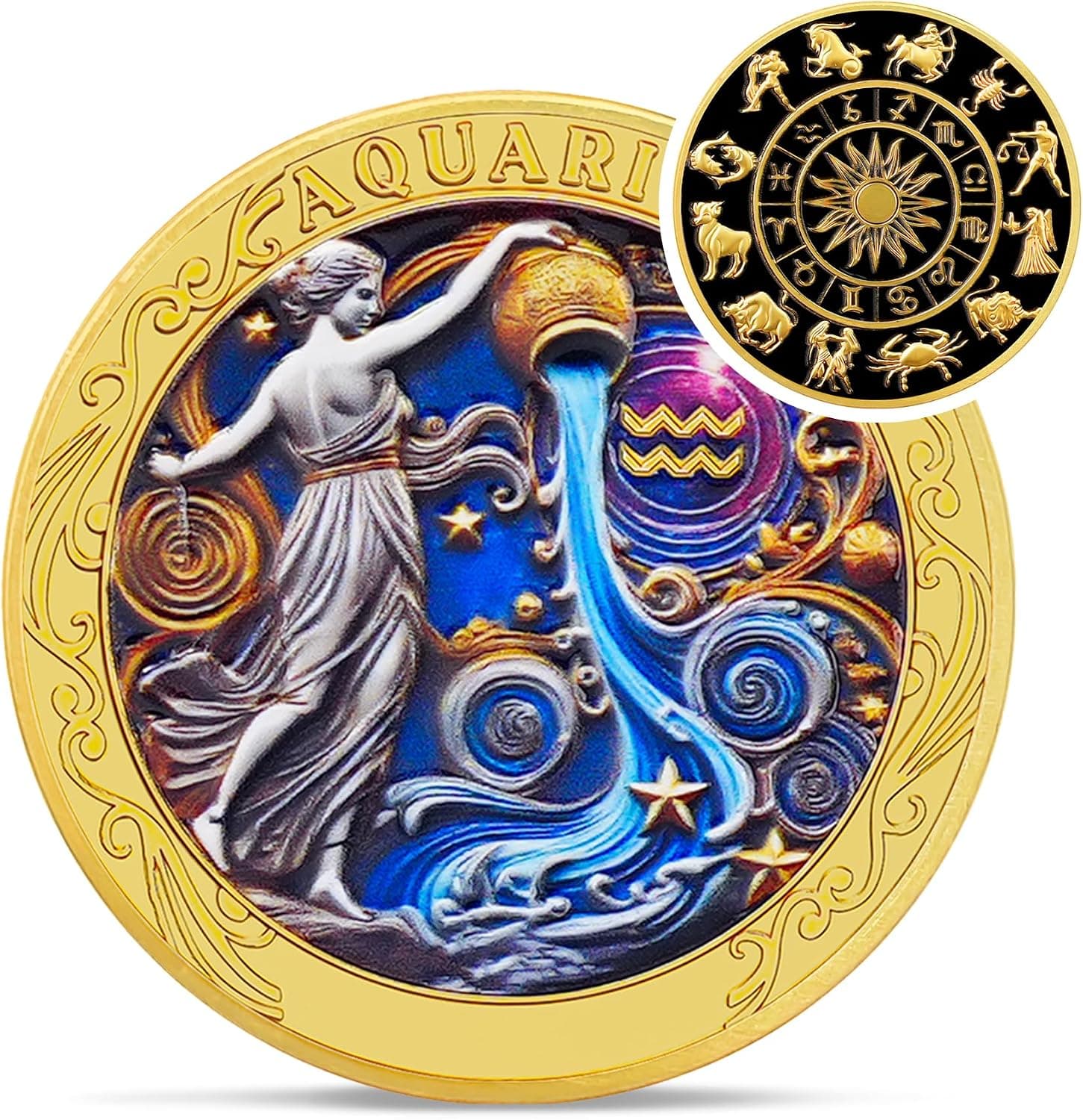 -20%
Aquarius 12 Zodiac Challenge Coin - Twelve Constellations Aquarius Protective...
 -29%
Karma and Luck March Birthstone Crystal Tree of Life, Aquamarine Gemstone Fen...
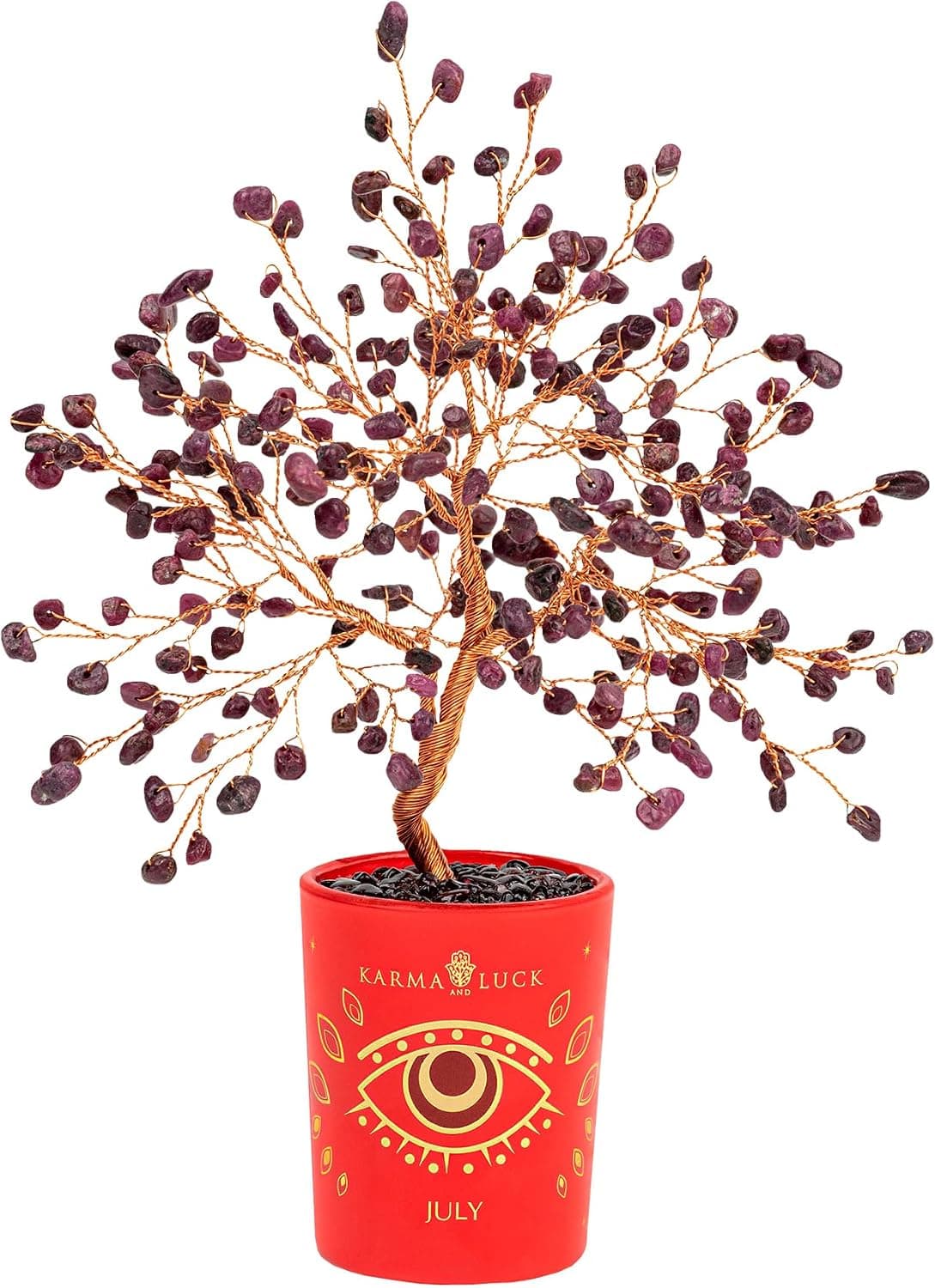 -29%
Karma and Luck July Birthstone Crystal Tree of Life, Ruby Gemstone Feng Shui ...
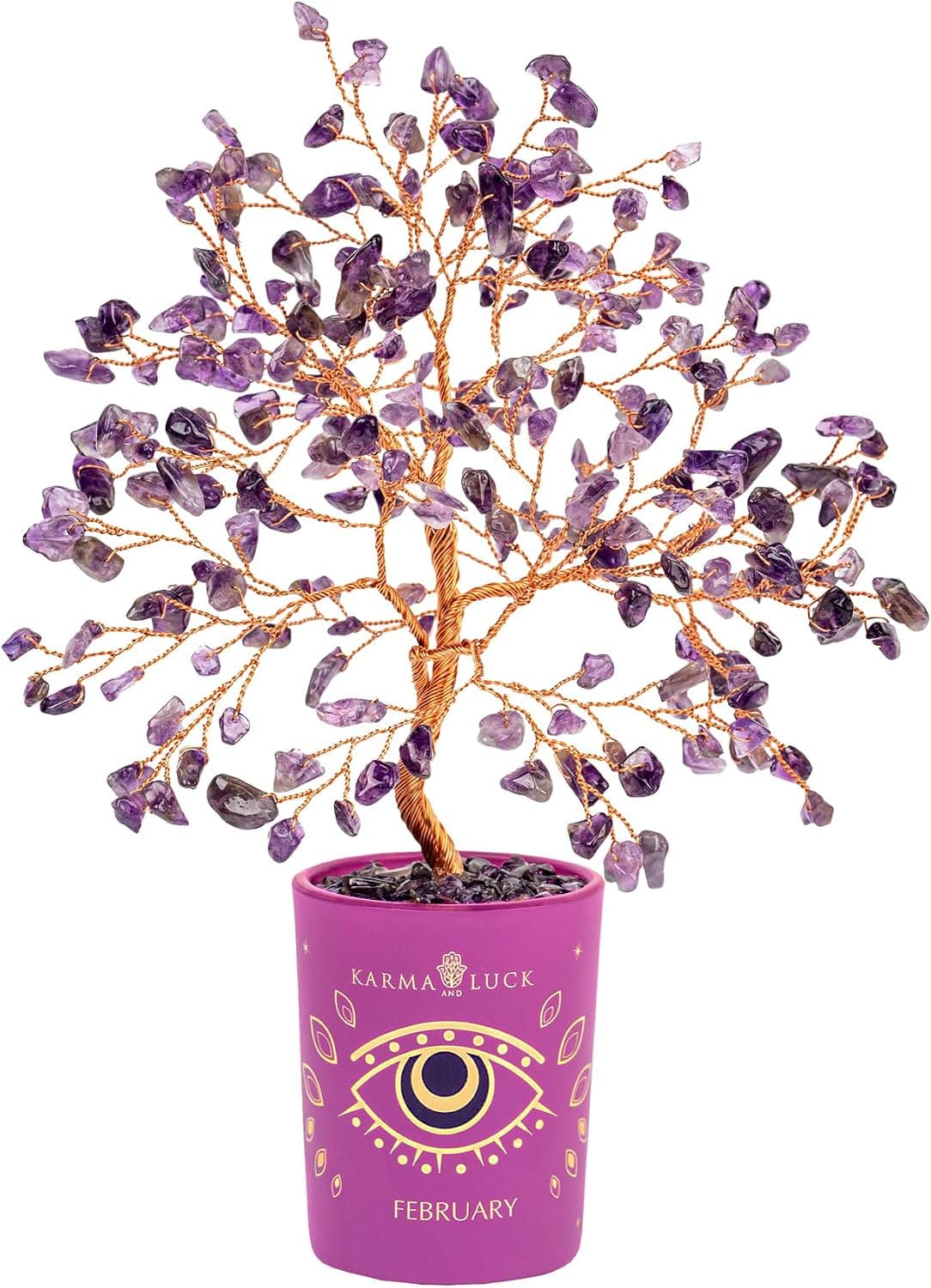 -29%
Karma and Luck February Birthstone Crystal Tree of Life, Amethyst Gemstone Fe...
As an Amazon Associate, we earn from qualifying purchases. We only recommend items our practitioners have personally tested.
Continue Your Journey
Explore these related guides to deepen your understanding:

The I Ching Doesn't Answer Lazy Questions — Here's What to Ask Instead
8 min readWhy Most i Ching Apps Fail the Reading Before You Even Cast
8 min readConfucian Commentary Turns the I Ching Into a Moral Floor Plan
9 min readBroken Lines, Solid Lines, and the Real Yin-Yang Logic of the I Ching
11 min readReady for Deeper Guidance?
Try our free I Ching reading for personalized wisdom, or explore our curated Feng Shui essentials.