
Most people approach the I Ching like a fortune cookie. They ask a vague question, get a vague answer, and feel more lost than before.
I've been reading the I Ching for fifteen years. And I still remember my first reading.
I asked: "Will I be successful?" The answer was Hexagram 29 — The Abysmal, Water. Danger. Pits. Repeated plunging. I felt devastated. I put the book down for six months.
Looking back, I asked the wrong question. Not a little wrong. Completely wrong. And that's why the answer felt like an attack instead of guidance.
Why Your I Ching Readings Feel Like Nonsense
Most guides teach you the mechanics: three coins, six throws, build the hexagram from bottom to top. They explain yang and yin lines, moving lines, the transformed hexagram. It's all accurate. It's all useless if your question is garbage.
Here's what nobody tells beginners: the I Ching isn't a fortune teller. It's a mirror. It reflects the dynamic pattern of your situation back to you. If your question is vague, the mirror has nothing clear to reflect.
I teach students to spend more time formulating their question than they spend casting the coins. Seriously. Ten minutes on the question. Two minutes on the casting. Most people do the opposite.
Reason #1: Your Question Is Too Vague
"Will I be successful?" What does that even mean? Success in what? By when? According to whose definition? The I Ching can't answer a question that has no edges.
Here's the test: if your question can be answered with "yes" or "no," it's too narrow. If your question requires a five-page essay to answer, it's too broad.
A good I Ching question sounds like this: "What is the most effective way for me to approach the conversation with my business partner about restructuring our agreement?" Specific. Actionable. Open-ended enough to allow wisdom, but focused enough to receive useful guidance.
Most people ask their question in five seconds. They get a confusing answer. And they blame the oracle.
Reason #2: You're Treating It Like a Magic 8-Ball
The I Ching isn't a slot machine. You don't feed it a question and pull the lever for an instant answer. It's a contemplative practice. The casting is ritual. The reading is meditation. The hexagram is a starting point for reflection, not a final verdict.
I've seen people cast three times in a row because they didn't like the first answer. That's not divination. That's denial with coins. The first cast is the true response. If you don't like it, your job is to understand why — not to roll again until you get a "better" hexagram.
Be careful with this one. It's a trap almost everyone falls into at some point.
Reason #3: You're Ignoring the Moving Lines
The real gold in an I Ching reading isn't the main hexagram. It's the moving lines.
When you get a 6 (old yin) or a 9 (old yang), those lines are changing. They're the active, dynamic part of your situation. The main hexagram describes where you are. The moving lines describe what's in motion. The transformed hexagram describes where you're going.
Most beginners read the main hexagram, skim the moving lines, and ignore the transformed hexagram entirely. It's like reading the first chapter of a book and skipping to the ending. You miss the entire story.
Here's what I tell my students: read the moving lines first. Then the main hexagram. Then the transformed hexagram. The moving lines contain the most specific, actionable guidance. They're where the oracle speaks most directly.
How to Actually Read the I Ching
Spend ten minutes crafting your question. Make it specific, open-ended, and about action — not about prediction. Cast once. Read the moving lines carefully. Sit with the answer for 24 hours before taking action. The I Ching isn't fast food. It's slow medicine.
Your readings will stop being confusing the moment your questions become clear.
David Liu
Traditionally informed guidance • Cross-referenced with classical Chinese source texts
Interpretations cross-referenced with the Zhouyi (周易) and Wilhelm/Baynes translation.
Practitioner-Selected Tools for This Topic
Items our team has tested and found effective for the principles discussed above. Individual results may vary.
 -20%
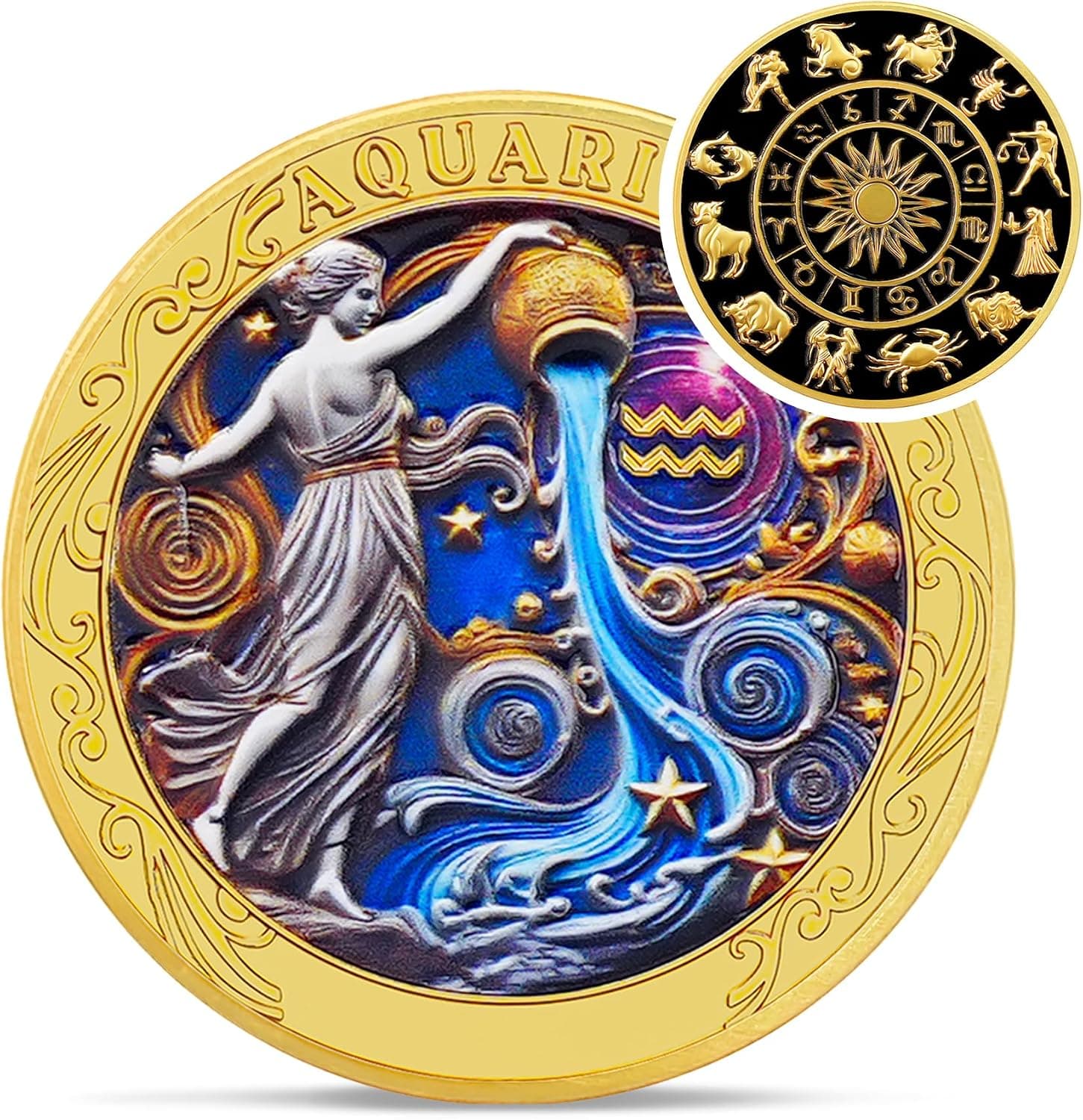
-20%Aquarius 12 Zodiac Challenge Coin - Twelve Constellations Aquarius Protective...
 -29%
-29%Karma and Luck March Birthstone Crystal Tree of Life, Aquamarine Gemstone Fen...
 -29%
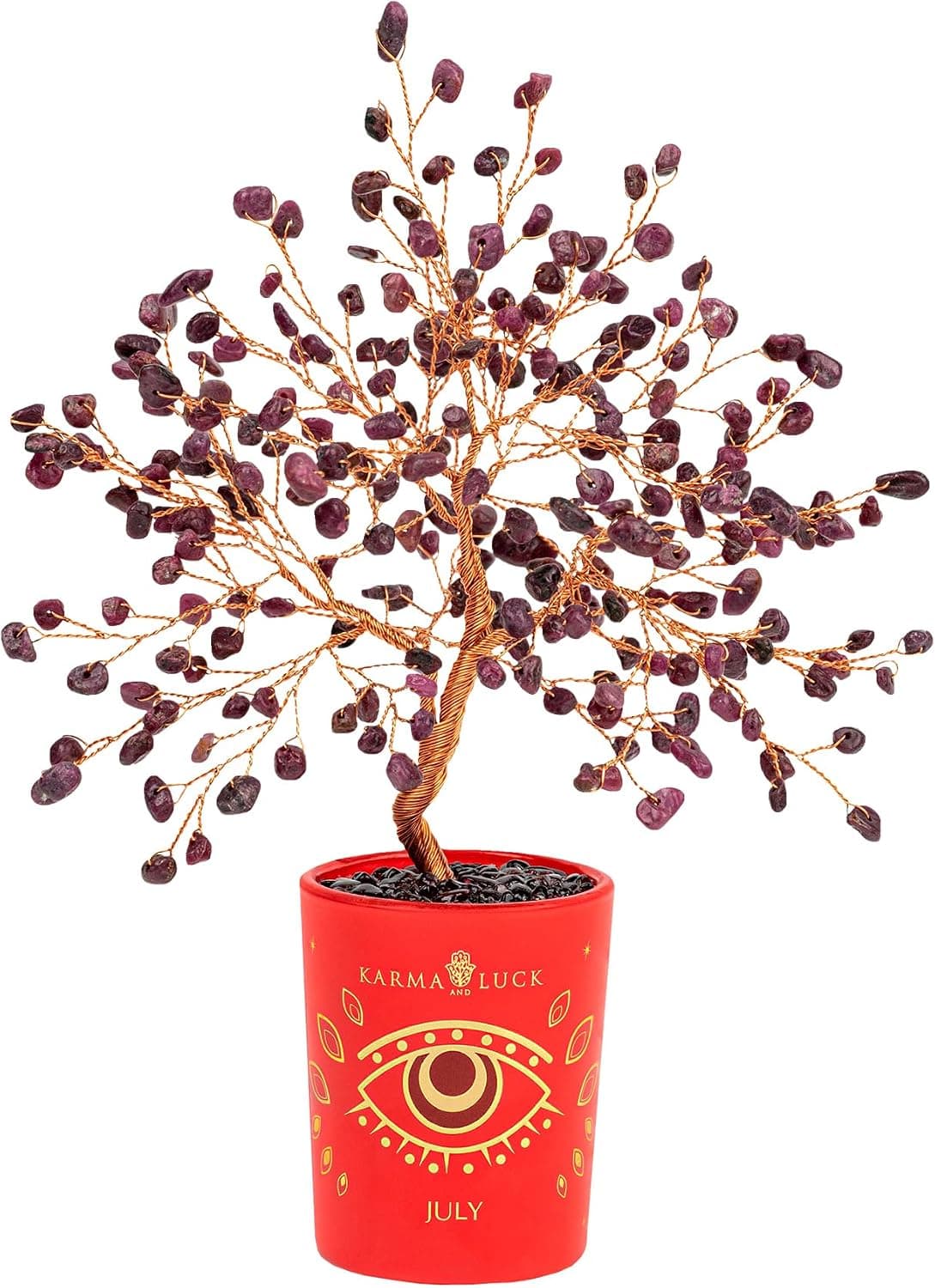
-29%Karma and Luck July Birthstone Crystal Tree of Life, Ruby Gemstone Feng Shui ...
 -29%
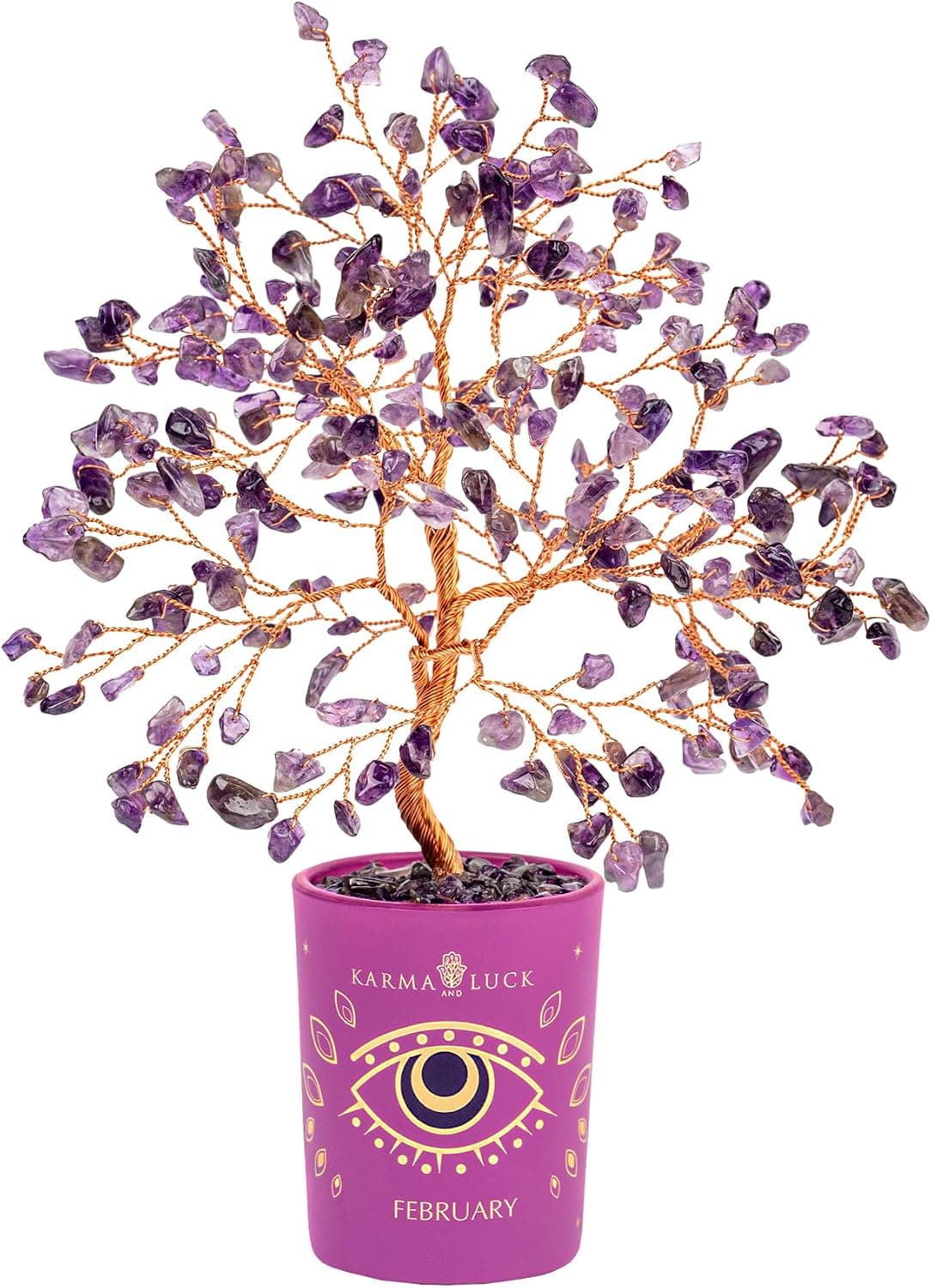
-29%Karma and Luck February Birthstone Crystal Tree of Life, Amethyst Gemstone Fe...
As an Amazon Associate, we earn from qualifying purchases. We only recommend items our practitioners have personally tested.
Continue Your Journey
Explore these related guides to deepen your understanding:
Ready for Deeper Guidance?
Try our free I Ching reading for personalized wisdom, or explore our curated Feng Shui essentials.