The trigram is not a label. It is the pressure pattern telling you what is building, what is visible, and what must change next.
What does a trigram mean when the question is urgent?
If you are staring at a reading and feeling only half-informed, the missing piece is usually not the symbol itself but the position it occupies. A lower trigram shows the base condition, the thing underfoot; an upper trigram shows what is pressing in from outside or becoming visible. That difference changes everything. I have seen people memorize eight names and still miss the answer because they treated the trigram like a personality tag instead of a moving force.
The phrase how the I Ching sends its answer matters here because the system is not pointing at fate in a straight line. It is showing a situation’s structure. The question is not, “What does this symbol mean in the abstract?” The better question is, “What kind of energy is rising, where is it located, and what does that imply for timing?”
That is the real use of i ching trigrams meaning. Once you see trigrams as motion rather than decoration, the reading stops feeling vague. A thunder image means something different when it sits beneath another trigram than when it stands above it. Same force. Different job.
Picture a small apartment with a narrow entry, a desk in the living room, and one window facing east. If the lower trigram in a reading suggests Water, the situation may be built on uncertainty, hidden pressure, or an inward pull. If the upper trigram is Fire, the outcome wants visibility, speed, and exposure. The symbols are not random. They are describing the path from concealed conditions to open expression.
Why the eight trigrams work as a system, not a list
The eight trigrams work because they form a closed pattern of change, not a set of unrelated labels. Each one describes a basic kind of movement or constraint: rising, yielding, entering, stopping, releasing, bearing, striking, or opening. Those motions matter because situations rarely stay still. They build, resist, leak, harden, spread, or break through. The trigram system names those transitions so you can see what a situation is doing before it becomes obvious.
Classical Chinese thought did not separate mind from world as neatly as modern Western habits often do, so a trigram could describe weather, family dynamics, bodily timing, and political tension at once. That is why the system has staying power. It reduces chaos without flattening experience. The same pattern can show up in a storm front, a tense meeting, or a decision that is almost ready to move.
Philosophically, this is a balance model, but the important part is causality. Yin and yang are not moral labels; they are functions. A trigram matters because it shows whether force is pushing, receiving, entering, rising, stopping, or spreading. That tells you what kind of effect the situation is likely to have next. In other words, the symbols work because they explain how change propagates.
In practice, this means you should stop asking whether a trigram is “good” or “bad.” That question hides the real issue: good for what, and under what conditions? Speed helps when a project needs momentum, but speed can ruin a conversation because the other side has not yet stabilized. Stillness helps when a decision needs containment, but stillness becomes blockage when action is overdue. The trigram is not judging the situation; it is showing the tradeoff built into it.
Modern Western readers often approach the trigrams as archetypes or inner states, which can be useful, but it changes the emphasis. The classical framework is more ecological. The question is not only what you feel, but what the situation is doing around you. That distinction matters because context determines whether the same energy will help, stall, or destabilize the outcome.
How to read a trigram in context, not in isolation
The first step is to identify position before meaning. Lower means foundation. Upper means surface, pressure, or visible outcome. If you ignore that, you will misread the whole hexagram. A lower Mountain does not mean the situation is “mountain-like” in some vague sense; it means the base is stopping, containing, or resisting movement. An upper Mountain means the visible environment is closed off, formal, or difficult to pass through.
Then ask what the trigram is doing under pressure. Beginners often memorize labels and miss the why: trigram meaning becomes useful when it describes behavior under pressure, not when it is treated as a fixed personality tag. Wind is gentle, but it is also persistent; it works by repeated contact, so it changes things slowly and often invisibly. Thunder is sudden, but it can be a release after buildup, which is why it often shows decisive moments rather than random disruption. Water is yielding, but it keeps moving toward the lowest point, so it exposes weak spots and gathers force where resistance is thin. That is why the same energy can support one decision and complicate another.
A simple way to test the reading is to compare the lower trigram to the current condition and the upper trigram to the direction of events. If the lower trigram suggests Earth, you may be dealing with a situation that can bear weight, but only if you respect its limits. If the upper trigram suggests Fire, the outer result may become clear, obvious, or even overheated. You do not need to force a mystical interpretation. You need to trace the movement: what is stable enough to hold, and what is becoming visible enough to act on?
I once saw this in a reading about a new job offer. The lower trigram was strong and active, the kind that feels like Thunder: initiation, pressure, readiness to move. The upper layer showed something more restrained, which changed the whole answer. The issue was not whether the job title was impressive. The issue was whether the foundation of the situation could actually support the pace. The question became, “Can the structure hold the speed?” Not “Do I like the role?” That shift saved the reading because it identified the real bottleneck.
When you are working from a studio or a cramped apartment, this same logic helps. If your desk is under a shelf that feels visually heavy, you already understand the difference between what is above and what is beneath. Trigrams operate the same way. One layer supports. One layer presses. Read the pressure points first, and the symbol becomes precise instead of poetic.
David Liu
Traditionally informed guidance • Cross-referenced with classical Chinese source texts
Interpretations cross-referenced with the Zhouyi (周易) and Wilhelm/Baynes translation.
Practitioner-Selected Tools for This Topic
Items our team has tested and found effective for the principles discussed above. Individual results may vary.
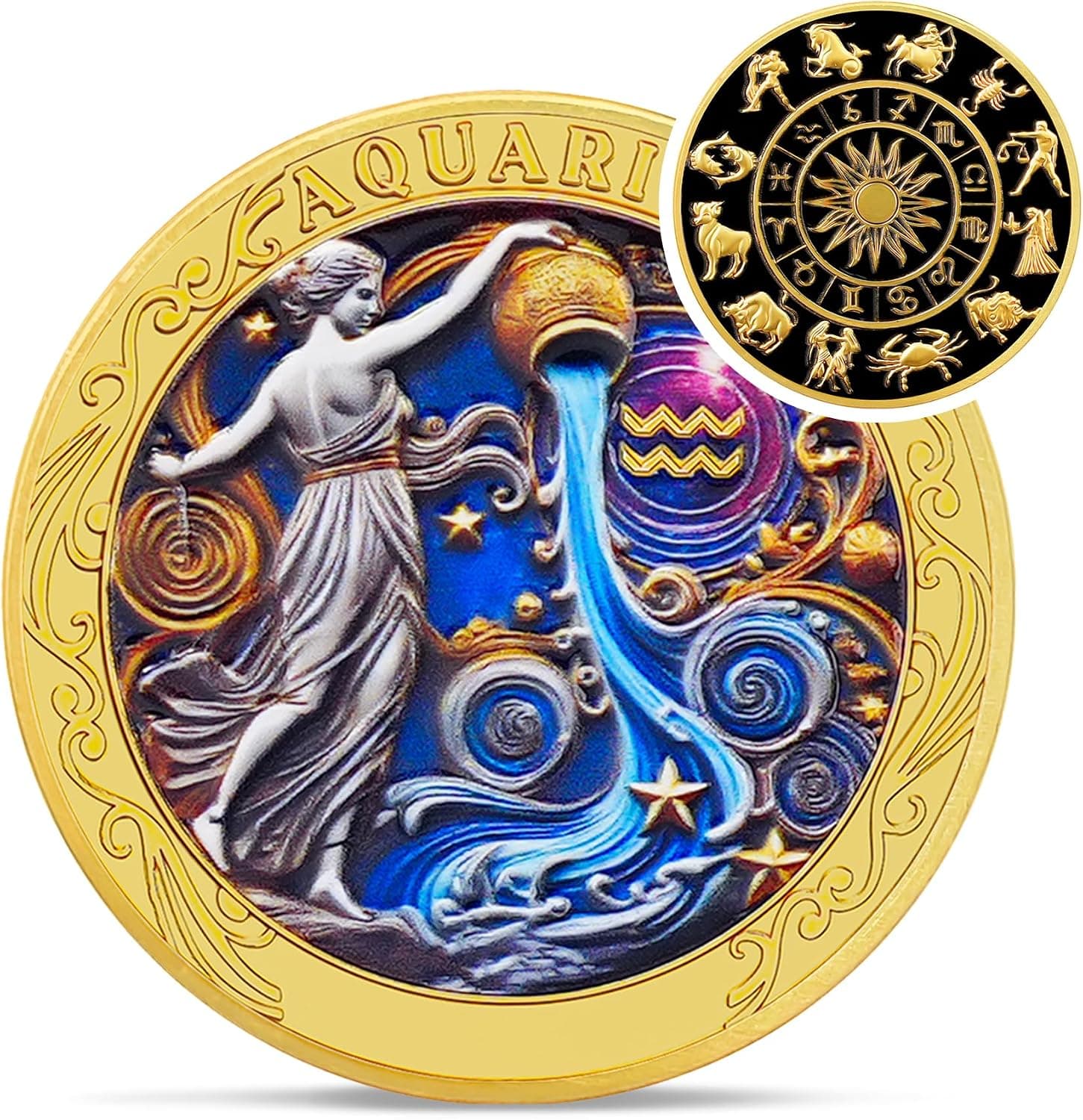 -20%
-20%Aquarius 12 Zodiac Challenge Coin - Twelve Constellations Aquarius Protective...
 -29%
-29%Karma and Luck March Birthstone Crystal Tree of Life, Aquamarine Gemstone Fen...
 -29%
-29%Karma and Luck July Birthstone Crystal Tree of Life, Ruby Gemstone Feng Shui ...
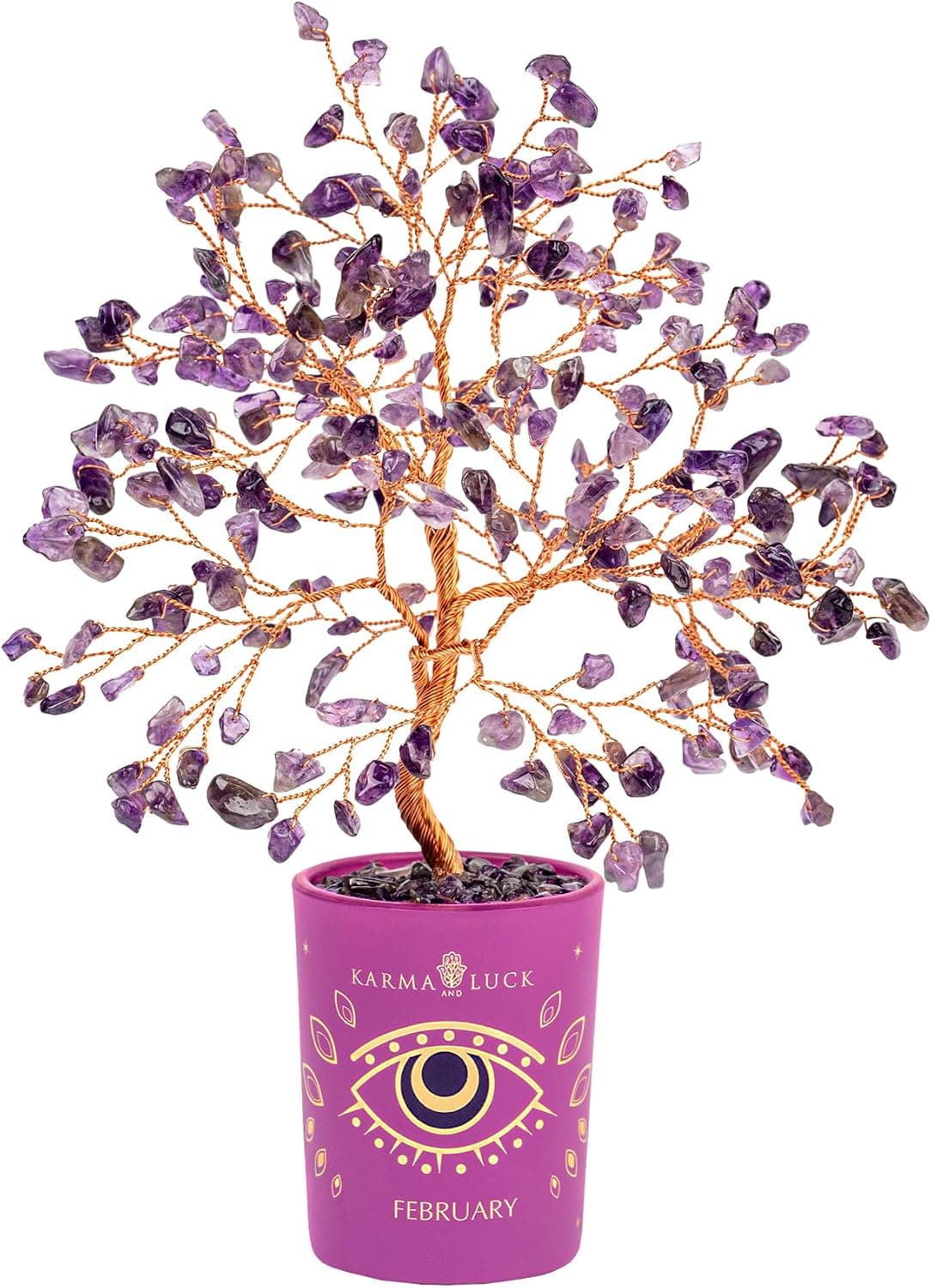 -29%
-29%Karma and Luck February Birthstone Crystal Tree of Life, Amethyst Gemstone Fe...
As an Amazon Associate, we earn from qualifying purchases. We only recommend items our practitioners have personally tested.
Continue Your Journey
Explore these related guides to deepen your understanding:

The I Ching Doesn't Answer Lazy Questions — Here's What to Ask Instead
8 min readConfucian Commentary Turns the I Ching Into a Moral Floor Plan
9 min readBroken Lines, Solid Lines, and the Real Yin-Yang Logic of the I Ching
11 min readThe Wilhelm I Ching Feels Deep Because It Slows Your Reading
11 min readReady for Deeper Guidance?
Try our free I Ching reading for personalized wisdom, or explore our curated Feng Shui essentials.