The commentary does not replace divination; it redirects where you stand, what you notice, and how the hexagram organizes action.
What is hiding behind the label “Confucius commentary”?
The label hides layers, not a single voice. When readers say the I Ching translation they trust most has a Confucian feel, they are usually reacting to the Ten Wings: later commentaries that frame the oracle as ethics, pattern, and self-cultivation rather than only prediction.
I have seen people open to Hexagram 34 and expect a blunt forecast about power, success, or conflict. Instead, the commentary turns the gaze away from event-chasing and toward the quality of force itself: restraint, timing, and the way strength behaves when it meets a boundary.
That shift matters because the commentary is not sitting outside the book like a decorative note. It is more like a corridor system around a central chamber. The oracle text is terse, compressed, and often ambiguous; the Confucian layer guides circulation through that chamber so the reader moves in a particular direction. Once you enter through that corridor, you are no longer only asking, “What will happen?” You are also being asked, “What kind of person is fit to act here?”
And that is where the misunderstanding begins. People search for Confucius as if they are looking for his personal opinion line by line, but the historical reality is less neat. The so-called Confucian commentary is a tradition of interpretation, not a single signed memo from one sage at one desk.
That sounds less glamorous, but it is more useful.
Why a divination text starts sounding like a moral architecture
The shift from oracle to moral architecture happens because the commentary changes the unit of meaning. Instead of treating each line as an isolated omen, it reads lines as positions in a relationship: ruler and subject, inner and outer, beginning and completion, firmness and yield. Once that relational frame is in place, the text starts to sound ethical because it is asking how forces fit together, not only what they predict.
This is where architecture helps. A building can have a strong core and still feel chaotic if circulation is bad. The same is true here. The core oracle text bears the load, but the commentary makes the pathways intelligible, telling you where the interpretive traffic should move and where it should slow down. In other words, it does not just add meaning; it assigns function.
The reader’s psychology plays a role, too. We often arrive at the I Ching with a hunger for certainty, and certainty is seductive. The Confucian layer feels steadier because it converts ambiguity into conduct. Instead of asking the reader to decode a single outcome, it trains attention on what can be governed: timing, restraint, hierarchy, and response. That makes the text feel like moral architecture rather than raw forecast.
That can be helpful. It can also be misleading. Once you expect ethical instruction, your perception starts filtering for it. Advice-like phrases glow brighter; omen-like features slip into shadow. Confirmation bias does the rest, and the text can seem more obviously philosophical after the fact than it was at first glance.
Light and shadow are not just metaphors here. They describe emphasis. The commentary illuminates some lines and leaves others partially dark, which changes the whole room.
A polished surface feels different from a grainy one. The oracle layer often reads like raw timber: terse, uneven, structural. The commentary feels more finished, as if the grain has been planed, layered, and stained. That finish invites interpretation, but it also hides some of the roughness that makes the oracle honest.
Which passages actually carry the Confucian voice?
Not all attributed material is equally Confucian, and that is where historical care matters. The Ten Wings include texts such as the Xici and Wenyan, which traditionally shape the philosophical reading of the I Ching, but scholars have long recognized that these layers come from different hands and eras.
So if you ask, “What did Confucius say here?” the answer is often, “That question is too clean for the evidence.” The tradition preserved a Confucian-style voice, but not a single uncontested authorial signature.
That is not a weakness. It is a clue.
The text developed like a building renovated over generations. One floor holds the oracle imagery. Another adds moral commentary. Another layer adjusts the stairs, the hallways, the sightlines. By the time you arrive, the structure works as a whole, but the seams still show if you know where to look.
Read the Xici, and you will notice a concern with how patterns connect: yin and yang, change and continuity, symbols and meaning. Read the Wenyan, and the hexagrams are often treated as moral situations rather than raw forecasts. The reader is quietly moved from event to character, from outcome to alignment.
That is the hidden mechanism. The commentary changes the center of gravity. It does not delete divination; it reorients it.
In a 2026 context, that matters more than it sounds. People want fast answers from apps, charts, and automated readings. But speed exaggerates the oracle layer into a slogan, while the commentary asks for sequence, proportion, and relation. It slows the room down.
How the commentary changes the reading of a hexagram
Take Hexagram 34. Without the commentary, a reader may hear raw force: power present, action possible, pressure building. With the commentary, the question changes. Is the force disciplined? Is it too early? Is strength being shown off instead of used well?
That is a different engine. One version predicts energy; the other judges its handling.
Imagine a small study with a walnut desk, a pale gray lamp, and a brass paperweight placed too close to the edge. The room feels slightly off, not because the objects are wrong, but because their proportions are. The commentary works the same way. It does not merely name an object; it tells you how the objects relate. It changes the foreground and background, deciding what should sit in view and what should recede.
That is why Confucian reading often feels more “practical” than oracle reading. It asks how the parts of a situation hold together. It is systems thinking before the phrase existed. The reader is nudged to notice sequence: what comes first, what supports what, and where imbalance begins.
When the commentary is absent, many readers project a desire for clean causality onto the text. They want a line to say yes or no. But the Confucian layer is less interested in yes-or-no certainty than in structural balance. It behaves like design critique. The question is not only whether the room is beautiful, but whether circulation works, whether the light lands well, whether a heavy object is blocking movement.
That is why a historical reading changes the emotional tone of the book. The oracle can feel like weather. The commentary feels like instruction in how to build a shelter that can handle weather.
The hidden mechanism: from symbols to systems
The mechanism is simple once you see it. Step one: the oracle presents symbols with a narrow, charged focus. Step two: the commentary links those symbols to social roles, moral conduct, and recurring patterns. Step three: the reader internalizes the pattern and begins to see the original symbol through a broader system of relationships.
That broadening is not neutral. It teaches the mind to prefer coherence over shock. A broken line is no longer just a broken line; it becomes part of a balanced structure, a role in a sequence, a place in a larger order.
This is where the comparison to architecture becomes exact. A load-bearing wall does not matter because it is pretty. It matters because it supports the whole. The commentary treats each hexagram the same way: the point is not isolated brilliance, but whether the pattern can carry itself without collapse.
And yes, this can make the text feel more humane. It can also make it easier to over-read. A commentary can flatter the reader’s bias by giving a moral frame to nearly anything. Once the frame is there, almost every event can be fitted into it. That is a risk, not a virtue.
So I keep one rule when reading this layer: if the commentary makes the oracle feel too neat, I go back and read the original lines again. The roughness usually returns. The grain shows through. The building reminds me it is built, not imagined.
For a companion perspective on how interpretive habits shape the text, the psychology of synchronicity in I Ching reading is a useful next stop.
Reading the text like a designed space
Think of the core oracle as the central chamber. You enter, and the air is spare. The Ten Wings are the surrounding corridors, and they do not merely decorate the chamber; they regulate movement through it. They decide where you pause, what you notice first, and how you exit with meaning.
That is why object placement is such a useful metaphor. In design, where you place the chair changes the room before anyone sits down. In commentary, where the text places ruler, subject, family, or role changes the meaning before the reader even finishes the sentence.
Color works the same way. The oracle often feels dark, black-lined, high-contrast, stripped to essentials. The commentary adds a warmer glaze, a second and third coat. The original texture is still there, but the finish changes how the light lands.
In practical terms, this means a historically grounded reading should not flatten the book into either pure divination or pure ethics. The stronger approach is layered reading. Ask first what the oracle image says on its own. Then ask how the commentary reframes that image. Only then decide what the combined structure is asking of you.
If you skip the first step, you let later interpretation rule too quickly. If you skip the second, you miss the architecture that generations of readers actually used. The point is not to choose one room and deny the rest of the house.
For a broader foundation on how readers move from a first casting into a usable practice, see how to handle your first I Ching reading without freezing.
What a historically grounded reading changes today
It makes the text less magical in the childish sense and more exact in the practical sense. You stop asking the commentary to predict your week and start asking it to expose the structure behind your reaction, your timing, and your role.
That is a better use of the book because it respects the difference between omen and judgment. The omen tells you what is present. The judgment tells you how to stand inside it.
There is also a seasonal dimension to this. In 2026, many readers are paying more attention to timing because they feel how unstable a rushed reading can be. A winter room with poor light will make you think the furniture is wrong when the problem is circulation. The same mistake happens with interpretation. A hasty cast can make the line seem decisive when the real issue is that the reader has not yet walked the whole corridor.
So the best modern use of Confucian commentary is disciplined, not devotional. Let it sharpen perception. Let it widen the frame. But do not let it erase the original oracle voice.
That balance is the point. The book is not only telling you what may come. It is showing you how meaning moves.
If you want the structural lens in a broader philosophical contrast, the Tao Te Ching comparison clarifies what the I Ching is doing differently.
FAQ
Is Confucius actually the author of the I Ching commentary?
Not in the simple sense most people hope for. The commentary tradition grew over time, and the texts associated with Confucian interpretation are layered historical works rather than a single verified voice.
Does the commentary replace divination?
No, it redirects it. The oracle still gives the initial pattern, but the commentary changes the proportions of the reading by emphasizing conduct, relationship, and structure over raw prediction.
Why does the commentary feel clearer than the oracle text?
Surprising as it sounds, clarity can come from narrowing the range of meaning. The commentary gives the mind a moral frame, and once that frame is in place, ambiguity feels organized even when the original text remains open-ended.
David Liu
Traditionally informed guidance • Cross-referenced with classical Chinese source texts
Interpretations cross-referenced with the Zhouyi (周易) and Wilhelm/Baynes translation.
Practitioner-Selected Tools for This Topic
Items our team has tested and found effective for the principles discussed above. Individual results may vary.
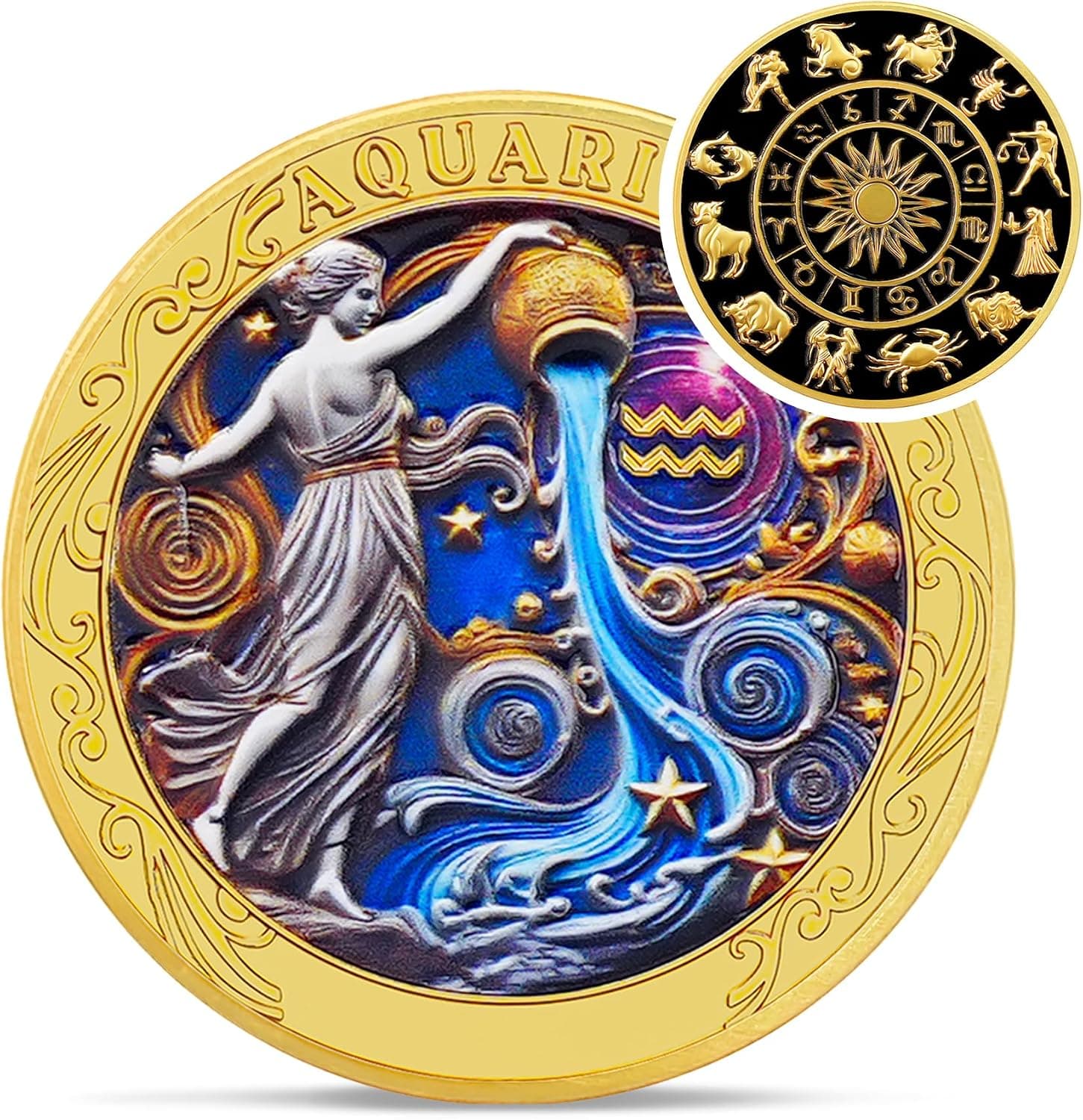 -20%
-20%Aquarius 12 Zodiac Challenge Coin - Twelve Constellations Aquarius Protective...
 -29%
-29%Karma and Luck March Birthstone Crystal Tree of Life, Aquamarine Gemstone Fen...
 -29%
-29%Karma and Luck July Birthstone Crystal Tree of Life, Ruby Gemstone Feng Shui ...
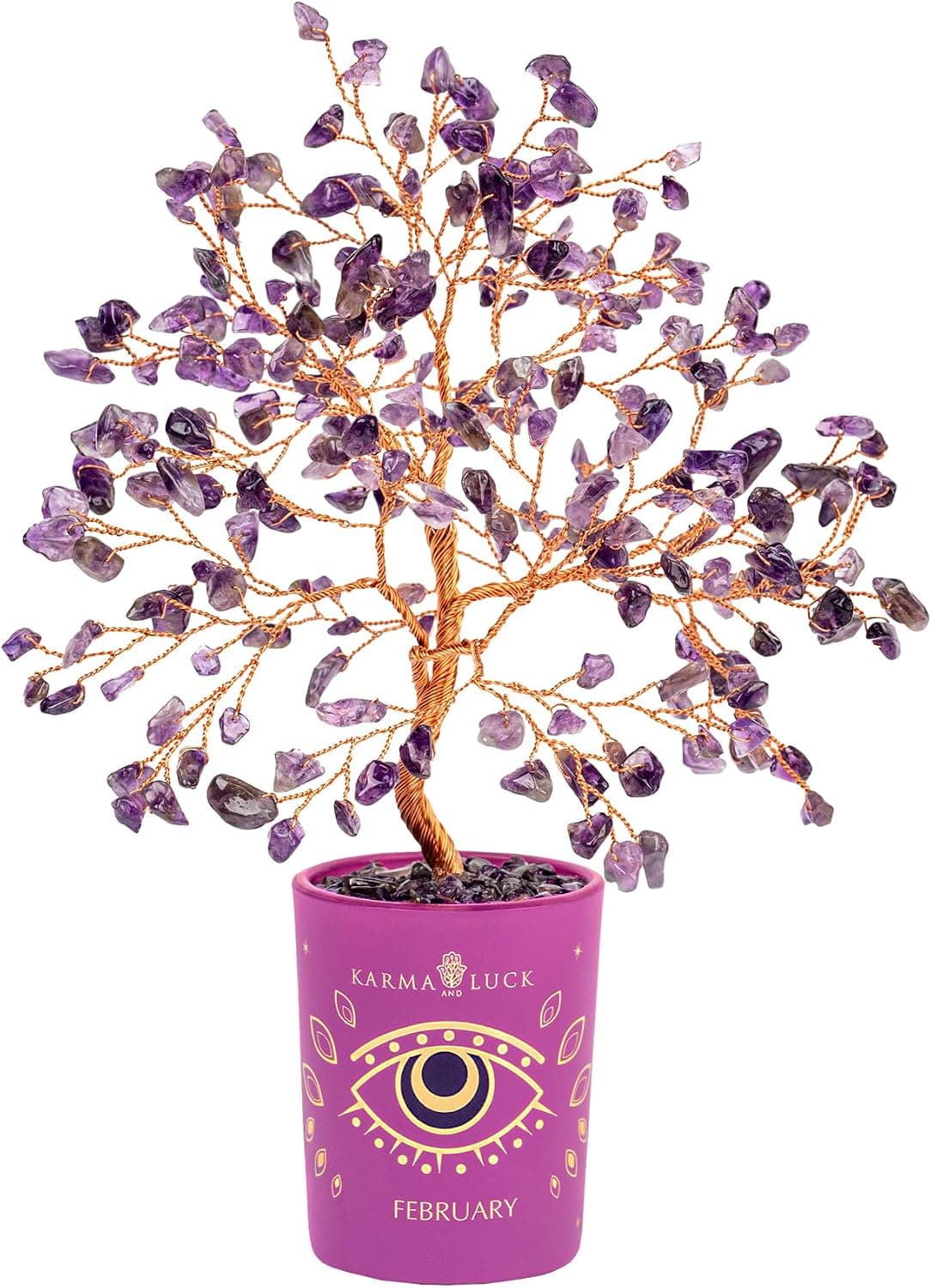 -29%
-29%Karma and Luck February Birthstone Crystal Tree of Life, Amethyst Gemstone Fe...
As an Amazon Associate, we earn from qualifying purchases. We only recommend items our practitioners have personally tested.
Continue Your Journey
Explore these related guides to deepen your understanding:

The I Ching Doesn't Answer Lazy Questions — Here's What to Ask Instead
8 min readBroken Lines, Solid Lines, and the Real Yin-Yang Logic of the I Ching
11 min readThe Wilhelm I Ching Feels Deep Because It Slows Your Reading
11 min readHow Jung Read the I Ching Without Turning It Into Fortune-Telling
9 min readReady for Deeper Guidance?
Try our free I Ching reading for personalized wisdom, or explore our curated Feng Shui essentials.