A hexagram chart stops being confusing the moment you treat it like a floor plan instead of a quiz key.
Standing in the doorway: the moment the chart becomes useful
You are not trying to memorize sixty-four symbols in one sitting. You are standing at a threshold after a hard conversation, one hand still on the doorknob, and you need to know what pattern you just stepped into. That is where an first reading with the I Ching becomes practical: not as a performance of wisdom, but as a way to name a situation that is already moving.
I once watched a reader spread a paper chart on a small oak table in a quiet room, just beside a narrow hallway. The coins had landed with a sharp click on the wood, and the room went still. She kept looking at the chart as if it were a puzzle with a single correct answer, but the real question was simpler: what kind of passage am I in right now?
The good news is that an i ching hexagram chart is built for that exact moment. It gives you a visual place to land when your mind is busy, your body is tense, and the question is too alive to hold in abstraction. Read it as a map of change, not a label machine.
That shift matters more than people expect. Beginners often want the chart to behave like an answer key. It doesn’t. It behaves more like a corridor plan: one zone leads into another, one line alters the route, and the meaning comes from recognizing where movement is already underway.
There is a reason this feels easier at a doorway than at a desk. Thresholds sharpen attention. You notice direction, hesitation, and timing. You know whether to enter, pause, or wait for the room beyond to settle.
When the chart looks like a wall of symbols
Open a phone at a kitchen table and a hexagram reference can look brutally dense. Sixty-four entries, broken and solid lines, names, numbers, sometimes changing lines, sometimes trigrams, sometimes a second hexagram at the end. It can feel like someone handed you an architectural blueprint and expected you to understand the building by staring at the legend.
The problem is not the chart itself. The problem is too much information arriving all at once. People get stuck because they try to read every layer at the same time, and the mind under stress hates that. Reduce the load, and the structure becomes visible.
Start with the primary hexagram only. Find the six-line pattern first. Then notice whether any lines are changing. Only after that do you look at the transformed result. If you are using a chart that includes the relating hexagram, the nuclear hexagram, and extra commentary, do not let the system bully you. A useful chart should serve the reading, not overwhelm it.
This is where architecture gives a clean analogy. A well-designed room lets your eyes move. A cramped one traps you in clutter. The same is true here. White space, clear line spacing, and a logical order help the mind navigate the symbols the way a corridor helps a body move through a house.
What makes the chart feel unreadable at first is usually not ignorance, but simultaneity. The eye sees sixty-four possibilities, the mind wants certainty, and the result is freeze. So separate the tasks: identify the figure, check for change, then interpret. That sequence lowers friction because each step answers one question instead of ten.
For a plain-language bridge between this system and the larger method, I recommend pairing the chart with how the I Ching actually works in practice. That keeps the diagram from becoming a relic. The chart is not the oracle. It is the index to the oracle.
How the chart is built: lines, trigrams, order, and change
At the base of the system are six lines. Solid lines and broken lines create the full hexagram, but those six marks are not floating randomly. They are stacked in a sequence that moves from bottom to top, much like a building rises from foundation to roof. The lower three lines form the lower trigram, and the upper three lines form the upper trigram.
That upper and lower pairing is the heart of the chart. Think of them as two zones of circulation. The lower trigram often describes the inner situation, the conditions underfoot, or the first impulse of the matter. The upper trigram points toward expression, environment, or the way the situation presents itself in the world. When you read both together, the hexagram becomes a relationship, not a static sign.
What gives the chart its depth is that the two trigrams do not simply sit beside each other; they interact. A hexagram can show an inner force that is not yet visible, or an outer situation that is stronger than the private will inside it. That mismatch is often where the insight lives. For example, a person may feel ready to act while the outer conditions still call for restraint, and the chart can show that tension directly instead of flattening it into a slogan.
If you need a clean way to understand those building blocks, the eight trigrams and their meanings are the right next stop. Once you see how Heaven, Earth, Thunder, Water, Mountain, Wind, Fire, and Lake function, the chart stops feeling like a code sheet and starts reading like a structure.
Order matters too. The most common chart in the West follows the King Wen sequence, which arranges the sixty-four hexagrams in a meaningful progression rather than a simple visual pattern. Another arrangement, the binary order, groups them according to line structure in a more mathematically tidy way. A third, the palace system, organizes them by family or home. Each system is valid, but each answers a different need. The mistake is not choosing one. The mistake is mixing them without knowing why.
History helps here. Classical Chinese sources did not treat the hexagrams as decorative icons. They were read within a living tradition of observation, commentarial layers, and practical consultation. Western readers often encounter the chart as a printout first, which is fine, but it explains why the symbols can feel oddly flat until they are used in context. The old texts were never meant to sit alone on the page.
Change is what turns the chart from inventory into guidance. A changing line is not a random decoration; it marks where the current pattern is becoming something else. That is why the six-line stack matters so much: it lets you see not just what is present, but where transformation is already underway. In practice, the chart is less like a static code and more like a snapshot of motion.
Why one chart can lead to different readings
The same cast can yield a primary hexagram, a changing-line message, and a transformed hexagram. That is not confusion; it is the point. Life is not one layer deep, and neither is the chart.
Suppose the coins give you a pattern with two changing lines. The primary hexagram tells you the current condition. The changing lines show where the movement is happening. The resulting hexagram shows the direction of that movement if the pattern continues. On a good day, this feels elegant. On a tense day, it can feel like being asked to interpret the weather while you are already standing in the rain.
There is also the nuclear hexagram, which many beginners ignore at first. It reveals an inner pattern formed by the middle lines of the original figure. Not every reader uses it in every consultation, and that restraint is healthy. A chart that presents too many derived forms at once can create cognitive noise. Use what the question needs. Leave the rest on the shelf.
In a small studio with one window, I once saw a chart laid flat beside a bowl of oranges and a stack of bills. The reader kept tracing downward with one fingertip, line by line, until the pattern clicked into place. That simple gesture mattered. She was not hunting for magic. She was noticing structure. The room, the question, and the chart finally lined up.
If you want to compare one reading method with another, this comparison of I Ching and tarot can help. Tarot often offers a more pictorial scene; the hexagram chart asks for structural recognition. Different tools. Different strengths.
Reading the chart in practice: from coins to the right hexagram
Begin with a calm surface. A table is better than a lap if you can manage it. Coins need a place to land, and the chart needs enough room that your eyes can move without snagging on crowded text. If you are using a phone, enlarge the image before you cast. Small screens make a structured method feel like a scavenger hunt.
After the cast, write the six lines from bottom to top. People often reverse them when they are nervous. Do not trust memory in a charged moment. Write them down. A broken line stays broken, a solid line stays solid, and any changing line should be marked clearly so you do not lose the direction of movement.
Then look up the pattern in the chart. Match the lower trigram first if that helps your eye. Match the upper trigram second. If your chart includes the full name and number, use those as confirmation rather than as the first step. A good reading is matched by pattern recognition, not by guesswork.
The question itself matters as much as the lookup. If you ask, “Should I quit my job?” you are forcing the chart into a narrow gate. If you ask, “What is the condition of this situation if I stay for the next three months?” you give the reading a corridor to move through. The response becomes sharper because the question has shape.
For beginners, I often suggest a simple discipline: cast, record, identify, then pause before interpreting. That pause is where the chart does its work. A lot of people rush straight to a keyword and miss the relation between lines. If you are new to this, the notes in the beginner-facing I Ching guide will keep the process grounded.
One more practical point: do not make the chart answer every emotional question in the same way. A career issue, a relationship question, and a health concern live on different time scales. The same hexagram can describe each one differently because the context changes the room around it.
A chart that fits the hand, the room, and the question
The best chart is not the prettiest one. It is the one you can use when your mind is busy and the question matters. That means clear ordering, enough whitespace, and a layout that lets the eye travel without friction. Proportion is not decoration here; it is function. A chart that breathes is easier to read.
That is why I prefer charts that show the hexagram number, the name, the six lines, and the trigrams without burying everything under dense commentary. Commentary has its place. But if the first glance is exhausting, the reader will avoid the chart exactly when they need it most.
If you have been treating the chart as a static poster, shift that habit. Lay it out like a plan of circulation. Ask where the movement begins, where it turns, and where it settles. That is a more faithful reading of the tradition, and it is far more usable in an ordinary home, at a kitchen table, or in the brief silence after a hard conversation.
And if a reading seems flat at first, do not assume the system failed. Sometimes the question needs a cleaner setting. Sometimes the chart needs to be read again with less noise. Sometimes the answer is not dramatic; it is architectural. It tells you where the passage is blocked and where the opening already exists.
When people misread the chart
One common mistake is treating the chart like a quiz result: find the symbol, read the summary, move on. That habit strips out line change, which is where the living edge usually sits. The answer becomes a label instead of a process.
Another mistake is piling every system onto one reading. Some people want the primary hexagram, the changing lines, the relating hexagram, the nuclear hexagram, and the calendar timing all at once. That is too much for a first pass. If this is where you keep getting lost, the issues discussed in common first-reading mistakes will probably feel uncomfortably familiar.
The chart is strongest when it helps you notice transition. It is not there to congratulate certainty. It is there to sharpen perception.
FAQ: using an I Ching hexagram chart
How do I find the right hexagram on the chart?
Write the six lines from bottom to top, then match the pattern exactly. If your chart lists trigrams, use the lower three lines first and the upper three lines second. That keeps you from guessing by name too early.
Do I need a chart with all sixty-four hexagrams on one page?
You do not need the biggest chart available. You need one that is readable under pressure. A smaller, cleaner layout often works better than a crowded poster because it lowers the mental load during a live reading.
What should I do if the changing lines confuse me?
Mark only the lines that change and move slowly. Those lines are the bridge between the first pattern and the resulting one, so they deserve attention. The surprise is that many readings become clearer when you stop trying to interpret everything at once.
Is the chart meant to predict the future?
Not in the crude sense most people mean. It describes the shape of a situation in motion, which is often more useful than a fixed prediction. That difference matters when the question is about timing, choice, or pressure inside a real-life threshold.
David Liu
Traditionally informed guidance • Cross-referenced with classical Chinese source texts
Interpretations cross-referenced with the Zhouyi (周易) and Wilhelm/Baynes translation.
Practitioner-Selected Tools for This Topic
Items our team has tested and found effective for the principles discussed above. Individual results may vary.
 -20%
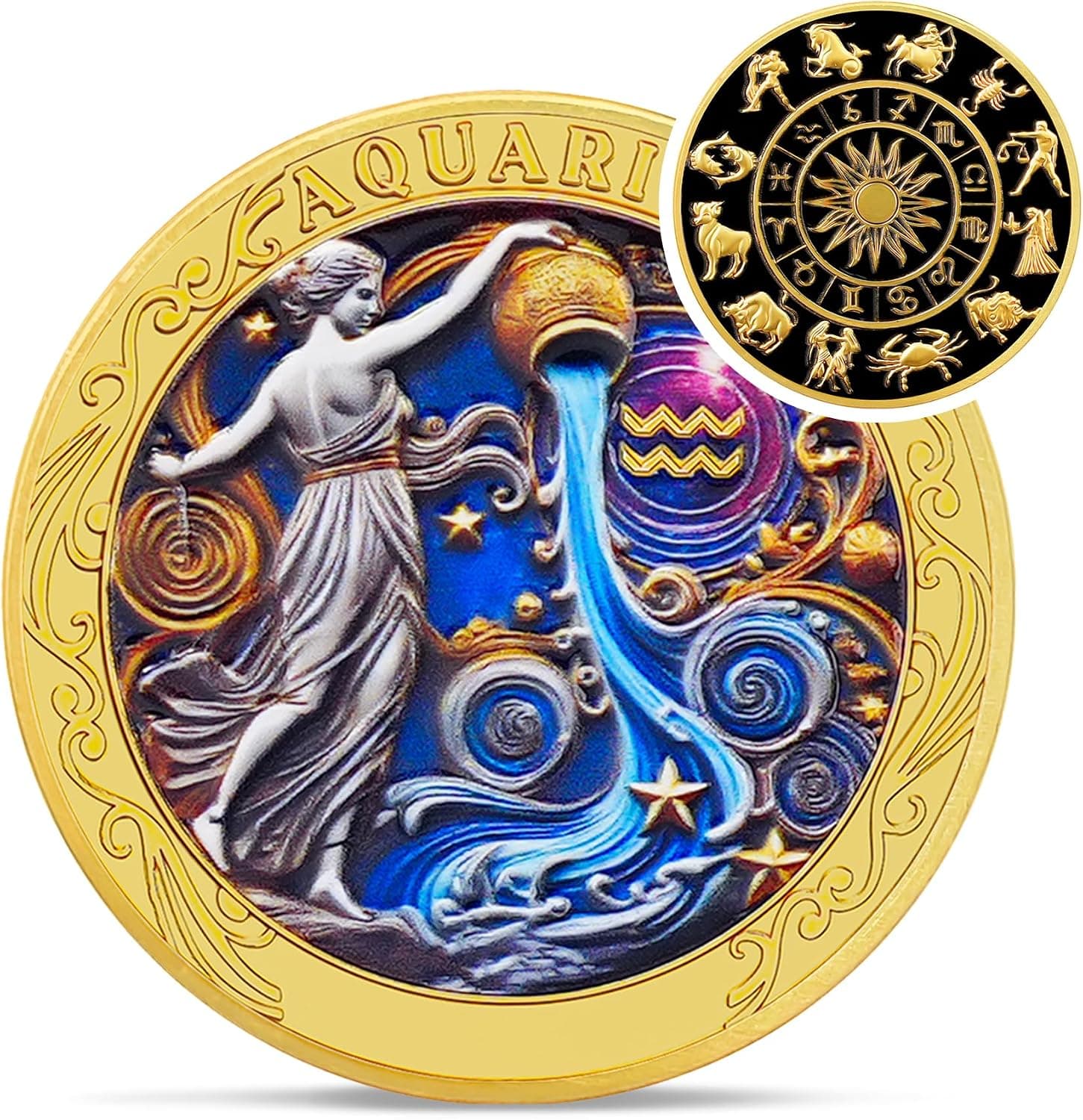
-20%Aquarius 12 Zodiac Challenge Coin - Twelve Constellations Aquarius Protective...
 -29%
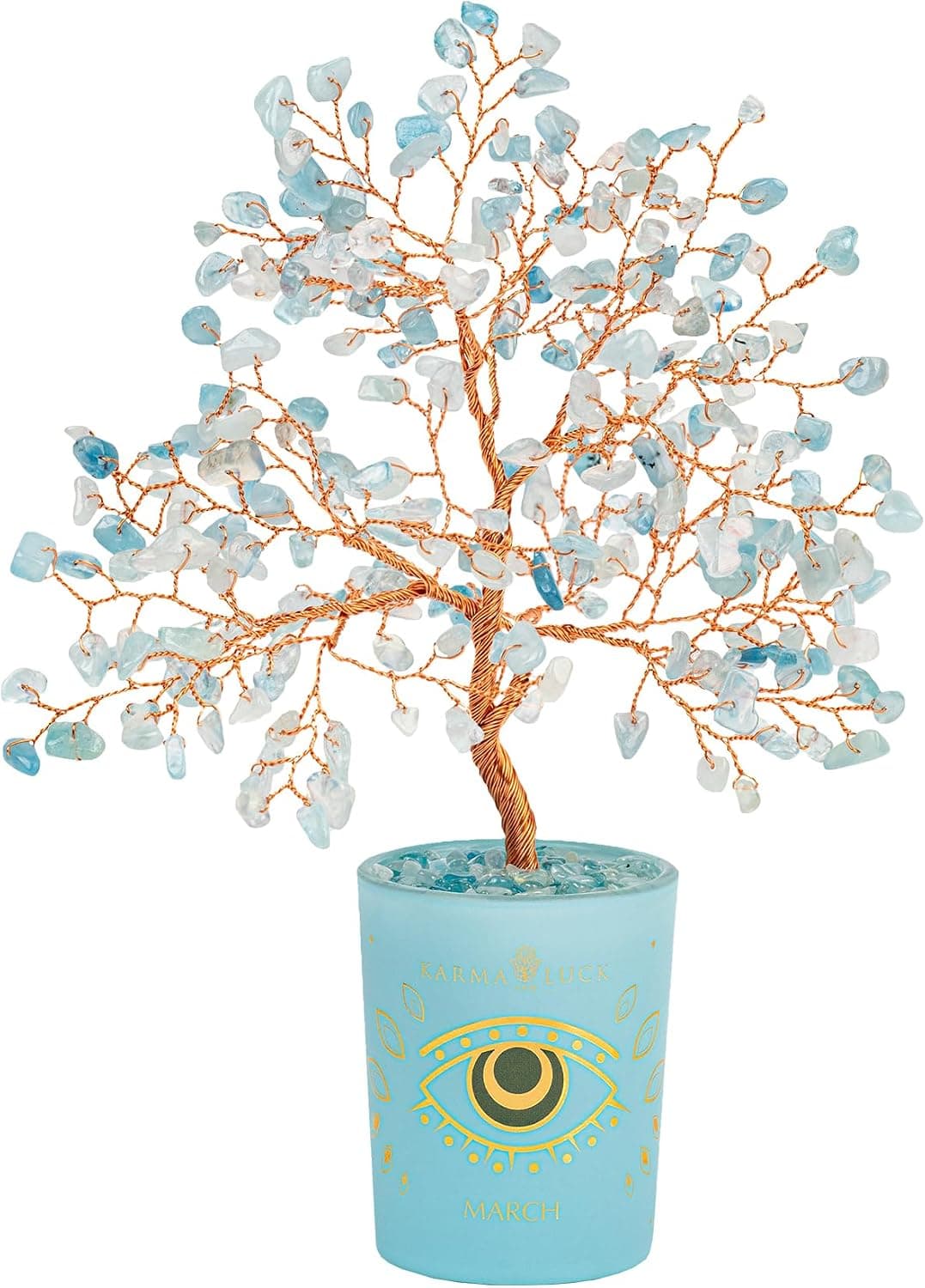
-29%Karma and Luck March Birthstone Crystal Tree of Life, Aquamarine Gemstone Fen...
 -29%
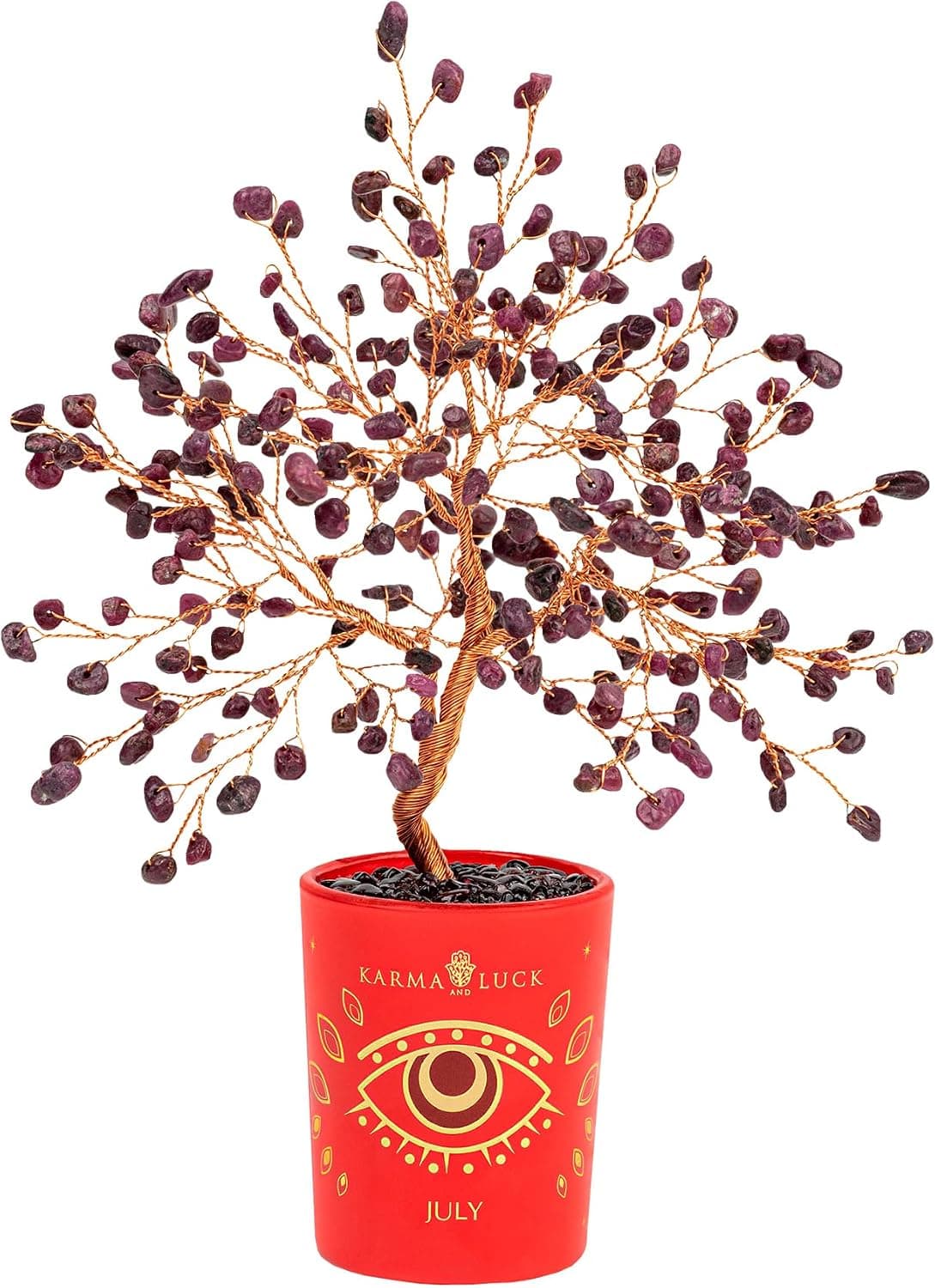
-29%Karma and Luck July Birthstone Crystal Tree of Life, Ruby Gemstone Feng Shui ...
 -29%
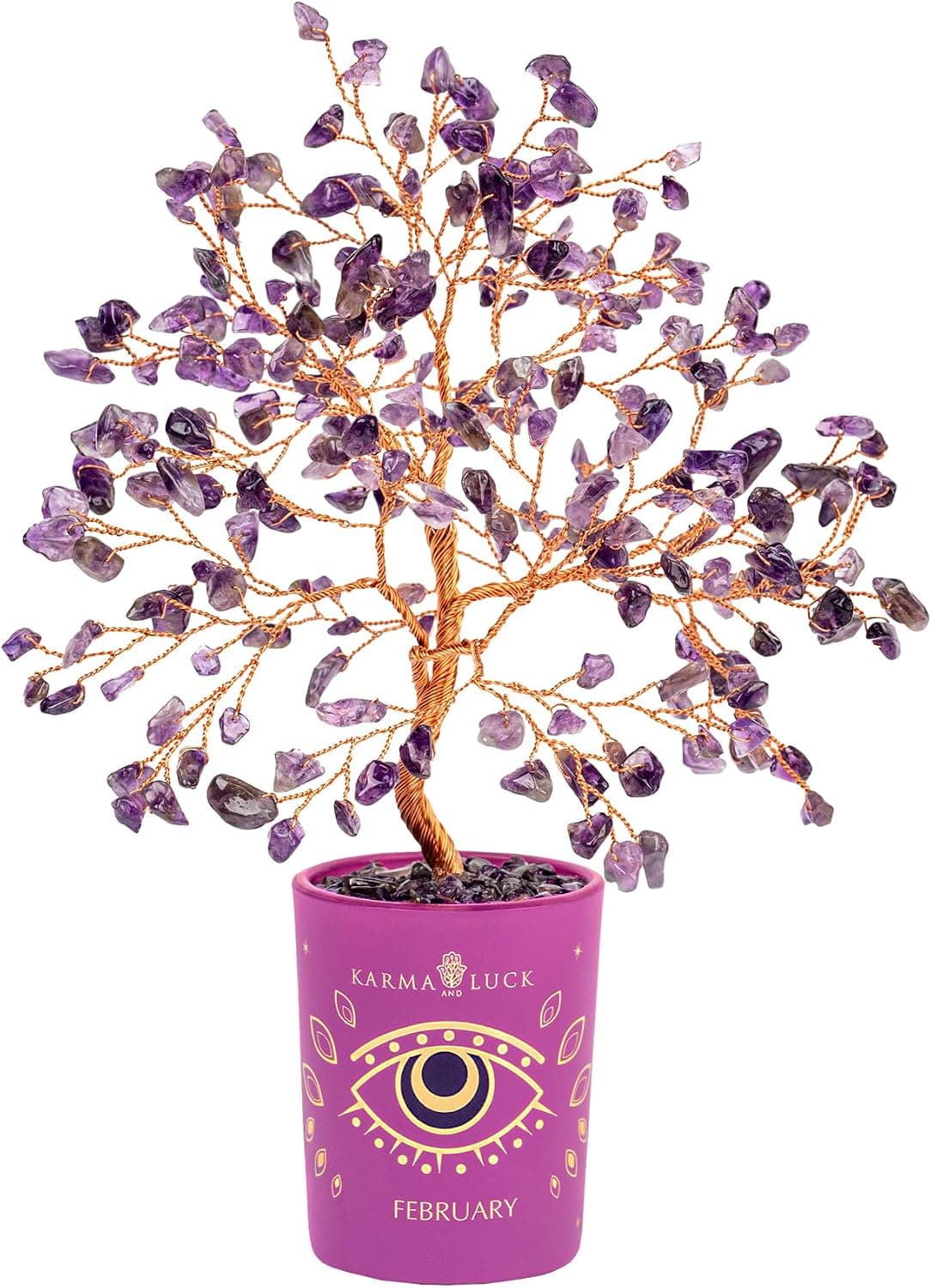
-29%Karma and Luck February Birthstone Crystal Tree of Life, Amethyst Gemstone Fe...
As an Amazon Associate, we earn from qualifying purchases. We only recommend items our practitioners have personally tested.
Continue Your Journey
Explore these related guides to deepen your understanding:

The I Ching Doesn't Answer Lazy Questions — Here's What to Ask Instead
8 min readConfucian Commentary Turns the I Ching Into a Moral Floor Plan
9 min readBroken Lines, Solid Lines, and the Real Yin-Yang Logic of the I Ching
11 min readThe Wilhelm I Ching Feels Deep Because It Slows Your Reading
11 min readReady for Deeper Guidance?
Try our free I Ching reading for personalized wisdom, or explore our curated Feng Shui essentials.