A recessed corner can hold more meaning than a whole wall, and one badly placed cure can make that space feel worse.
The Hidden Truth About book-of-changes
when people treat every room as if it were a flat diagram. A recessed nook, a shallow alcove beside a hallway, even a built-in bookshelf set back from the wall can change the entire reading of a space. Ignore that indentation and you miss the place where movement slows, attention lingers, and the room starts making decisions for you.
In one study I looked at, the owner had followed every rule she found online. She placed a red tassel by the window, set three brass coins near the desk, and kept a crystal bowl in the southeast corner. The room still felt oddly tight. Her notebooks drifted to the floor. She began answering emails from the sofa and leaving the desk untouched for days. The problem was not her effort. It was the alcove behind the desk, a recess about four feet wide, painted cream, with a low lamp and a deep shadow that pulled the eye away from the work surface.
That is where conventional advice starts to wobble. Flat-room thinking assumes the map is the terrain. It isn't. Recessed spaces behave like pockets: they hold, collect, and delay. In the language of the bagua map and room layout, an alcove can become a storage point for intention or a dead zone that swallows it. The same person who complains that a room feels scattered is often standing beside an indentation nobody has bothered to read.
One sentence matters here: not every quiet corner is supportive.
Alcoves can stabilize a space when they are respected, but they can also trap clutter, stale light, and unresolved habits. I've seen a narrow recess beside a bedroom doorway become the place where laundry lands, the cat sleeps, and late-night worry collects. The owner swore the room was fine until sleep began breaking at 3:10 a.m. and the bedside lamp seemed to cast a smaller pool of light every week. Once the alcove was cleared and given one clear function, the room stopped feeling like it was leaning inward.
How a Recessed Space Changes the Reading
Think of an alcove as a pause in the wall. That pause can be useful. A wall that never changes direction is straightforward, but a wall that steps back introduces compression, shelter, and a subtle drop in momentum. In book-of-changes terms, that matters because every change in contour shifts the quality of response. People feel it before they can explain it. They sit longer in one chair, avoid another corner, or keep returning to the same spot to stack papers, shoes, or unopened mail.
The first question is not “How do I activate this?” It is “What is already happening here?” A recessed area behind a front room sofa may be pulling the household toward passive storage. A niche near the kitchen might collect glassware nobody uses. A shallow entry alcove can hold shoes and umbrellas neatly, or it can become the home’s first visible pile of hesitation. If the space has a clear job, it supports. If it has two or three competing jobs, it blurs.
That blur shows up in ordinary behavior. You forget the library book. The charger disappears into the recess. A bill sits in the bowl by the mirror for ten days because the bowl is in a place your eyes skim past. This is not mystical fog. It is a sequence: less visual clarity, more deferred action, more objects taking over the smallest tucked-away surfaces.
The fix begins with restraint. Remove the accidental occupants. Give the recess one function only. A reading nook wants a chair, a lamp, and a single side table; not a stool, a basket, a stack of magazines, and a decorative tray you never touch. A storage alcove wants opaque bins or closed cabinetry, because open piles broadcast indecision. Sharp edges matter too. If the recess ends in a hard, dark back wall, a soft light at the front can keep it from becoming a visual sink.
There is a reason practitioners keep returning to this point: form governs behavior. If the wall steps in, the mind steps back. If the recess is overfilled, the body registers the crowding even before the eyes do.
Case Notes From a Room With Too Many Solutions
Here's the odd part. The more remedies people try in a recessed space, the less they usually notice the actual structure. A person buys a new plant, then a mirror, then a string of coins, then a quartz cluster, and wonders why the corner still feels pinched. Recesses are not cured by adding symbols on top of bad spatial logic. They need a decision.
A small west-facing dining room in an apartment near a stairwell gave me a clear example. The alcove measured just over two feet deep, with a pale blue back panel and a narrow shelf at shoulder height. The owner had turned it into a shrine of sorts: incense, a small ceramic cat, a stack of receipts, two candles, and a framed photograph leaning crookedly against the wall. He thought the arrangement felt meaningful. In practice, it created a visual tug-of-war. Conversations at the table stayed short. Guests glanced toward the recess instead of the people across from them.
I asked him to clear everything except one object. He kept the photograph and moved it to eye level, centered. The shelf went empty. A warm bulb replaced the cold one. The room did not become magical. It became legible. That distinction matters more than most advice admits. When a recessed area is legible, the nervous system stops scanning it for unfinished business.
For a broader frame on that logic, see how changing lines alter the message. The same principle applies here: the small shift changes the meaning of the whole.
What surprised the owner most was not the calmer feeling at dinner. It was that the mail stopped landing on the dining chair beside the alcove. The corner had been training his habits. Once the corner changed, the habit broke.
Where Conventional Advice Goes Thin
Conventional advice often says to “energize” awkward spaces. That phrase sounds reassuring and usually fails in practice. A recess does not always need more activity. Sometimes it needs less visual noise, better lighting, and a single task that does not compete with the rest of the room. If you force action into a pocket of space that was asking for containment, you create friction. The body notices. So do your routines.
That is why placing a plant in every empty niche can backfire. A leafy plant in a dim alcove with a low ceiling may look cheerful for a week, then droop, attract dust, and remind you of another thing to maintain. The same goes for mirrors. A mirror inside a narrow recess can amplify a cramped feel if it reflects clutter or a dark hallway. On the other hand, a carefully chosen light source may open the pocket without exposing every object inside it.
One sentence, no decoration: not every empty place wants filling.
In a bedroom, an alcove beside the headboard can become a benefit or a burden depending on what you do with it. Keep it spare if you want rest. Use it for one lamp and a single book if you want a softer wind-down pattern. I have seen bedrooms where the recess held three decorative boxes and a backup vacuum attachment, and nobody could understand why sleep felt shallow. Once the recess was emptied, the room stopped carrying the feeling of unfinished errands.
For more on that specific pattern, bedroom rules that affect both sleep and relationships explain why the sleeping space is less forgiving than people think.
How to Read an Alcove Without Overthinking It
Start with the back wall. Is it dark, bright, or visually crowded? Then stand at the room’s main entrance and look straight into the recess. If your eye drops there first, the alcove is claiming attention. If it disappears, it may be underused rather than harmful. Either way, decide whether it should hold, display, or disappear.
Hold means storage with doors, baskets, or boxes that close. Display means one or two objects only, with room around them. Disappear means paint, lighting, or furniture placement that reduces its presence. Those are different treatments because the spatial problem is different. A recess used for books needs a low rhythm of shelf spacing. A recess used for shoes needs containment. A recess used for nothing at all should become visually quiet.
Don't let mixed categories share the same niche. That is where trouble starts. A single charger cable beside a framed print beside a stack of envelopes creates a tiny argument every time you pass by. The eye reads the conflict even when the mind pretends not to.
If the alcove sits near the wealth area of a room, think in terms of containment and dignity, not spectacle. A clean cabinet, a solid box, or one well-placed object can support the area better than a crowded display. For a larger frame on that zone, the wealth corner and its hidden pockets article shows why recessed spaces there deserve special care.
And if the recess opens onto a hallway or front entry, pay attention to what people do with their hands when they arrive. Keys tossed into a bowl? Coat dropped over a chair? Bag set down, then forgotten? That is the corner teaching the household how to enter. Don't ignore the lesson.
What People Mistake for “Bad Energy”
Many homes are not suffering from some vague heaviness. They are suffering from too many unresolved pockets. A recessed shelf filled with six unrelated items asks the eye to keep starting over. A shallow wall niche with harsh light and no function feels unfinished. A wide alcove stuffed with boxes becomes a storage refusal disguised as organization.
I've also noticed that people blame the wrong thing when the problem is really orientation. A north-side alcove with cool paint and metal decor can feel icy. An east-side recess with no daylight can seem stagnant. The cure is not the same in every case, because the issue is not just the niche itself; it is the niche in relation to light, direction, and use.
Here is the uncomfortable bit: some rooms become more peaceful the moment you stop trying to improve every awkward corner. Let the recess be plain if plain is honest. Let it serve storage if storage is its job. Let it disappear if the room works better without it. That restraint looks unimpressive. It also works.
For people who want a broader map of the room-wide logic, the front door guide for broader home flow helps explain why the first visible pocket in a home can set the tone for everything that follows.
And if you are still tempted to layer more cures into the same space, pause. A room can absorb only so many gestures before it starts looking like it can't make up its mind.
Practical Ways to Work With the Recessed Space
Choose one role. That is the first move. A reading nook, a storage niche, a display ledge, or a blank buffer. Once you choose, remove anything that violates the role. A reading nook does not need mail. A storage niche does not need candles. A blank buffer does not need a symbolic object “just in case.”
Then adjust light to match the job. Warm and low for rest, even and bright for storage, directional and modest for display. Recesses often fail because the back corner is either swallowed by shadow or lit so harshly that every object looks stranded. A small lamp aimed at the rear edge can do more than a shelf full of ornaments.
Mind the threshold too. If the alcove sits at a transition point, keep the front clear. People should know at a glance whether to enter, pause, or pass through. A small rug can define the edge. So can a bench, a cabinet, or simply open floor space. Clarity at the boundary reduces hesitation.
One bedroom in a narrow terrace house had an alcove beside the window, painted deep green, with a wicker basket and two framed prints leaning inside it. Sleep became better only after the basket left and one print stayed. The space looked less curated. It also stopped pulling the eye away from the bed at 11:40 p.m., which is when people usually discover they are more sensitive to rooms than they admit during the day.
The deeper lesson matches the pattern described in reading the pattern instead of forcing meaning: start with what the structure is actually doing, not with what you wish it meant.
FAQ
Is conventional book-of-changes advice reliable?
Not always. A lot of it assumes the room is a clean rectangle and that symbols work the same everywhere, which is not how actual homes behave. Recessed spaces, odd angles, and built-ins change the reading fast.
Should I always activate an empty alcove?
No. An empty niche is not automatically a problem. Sometimes the smartest move is to let it stay quiet so the rest of the room can breathe.
What if my recessed area is already full of storage?
Then sort it by function, not by sentiment. Closed storage usually helps more than a visible pile, and mixed categories are where the friction starts. If the space is in a bedroom or by a desk, the clutter effect shows up quickly in sleep and concentration.
Can a small alcove affect the whole house?
Surprisingly, yes. A repeated habit in one tucked-away place becomes a household script, especially near the entry, bedroom, or dining area. The room teaches people how to act, then they repeat it without noticing.
What should I do first if the alcove feels wrong but I can't name why?
Clear it completely for one day. Stand in the doorway and watch what your attention does. If your eyes relax when the niche is empty, you have your answer; if they keep landing there, the space wants a clearer role.
Does a recessed space near the front door matter more than one in a back room?
Usually, yes. The entry sets the tone for movement and arrival, so a confusing pocket there tends to affect the whole routine of coming and going. A back-room recess is more local, though it can still disturb rest or concentration.
In some homes, the smallest recess is the loudest thing in the room. What would yours say if you stopped filling it and listened?
David Liu
Traditionally informed guidance • Cross-referenced with classical Chinese source texts
Interpretations cross-referenced with the Zhouyi (周易) and Wilhelm/Baynes translation.
Practitioner-Selected Tools for This Topic
Items our team has tested and found effective for the principles discussed above. Individual results may vary.
 -20%
-20%Aquarius 12 Zodiac Challenge Coin - Twelve Constellations Aquarius Protective...
 -29%
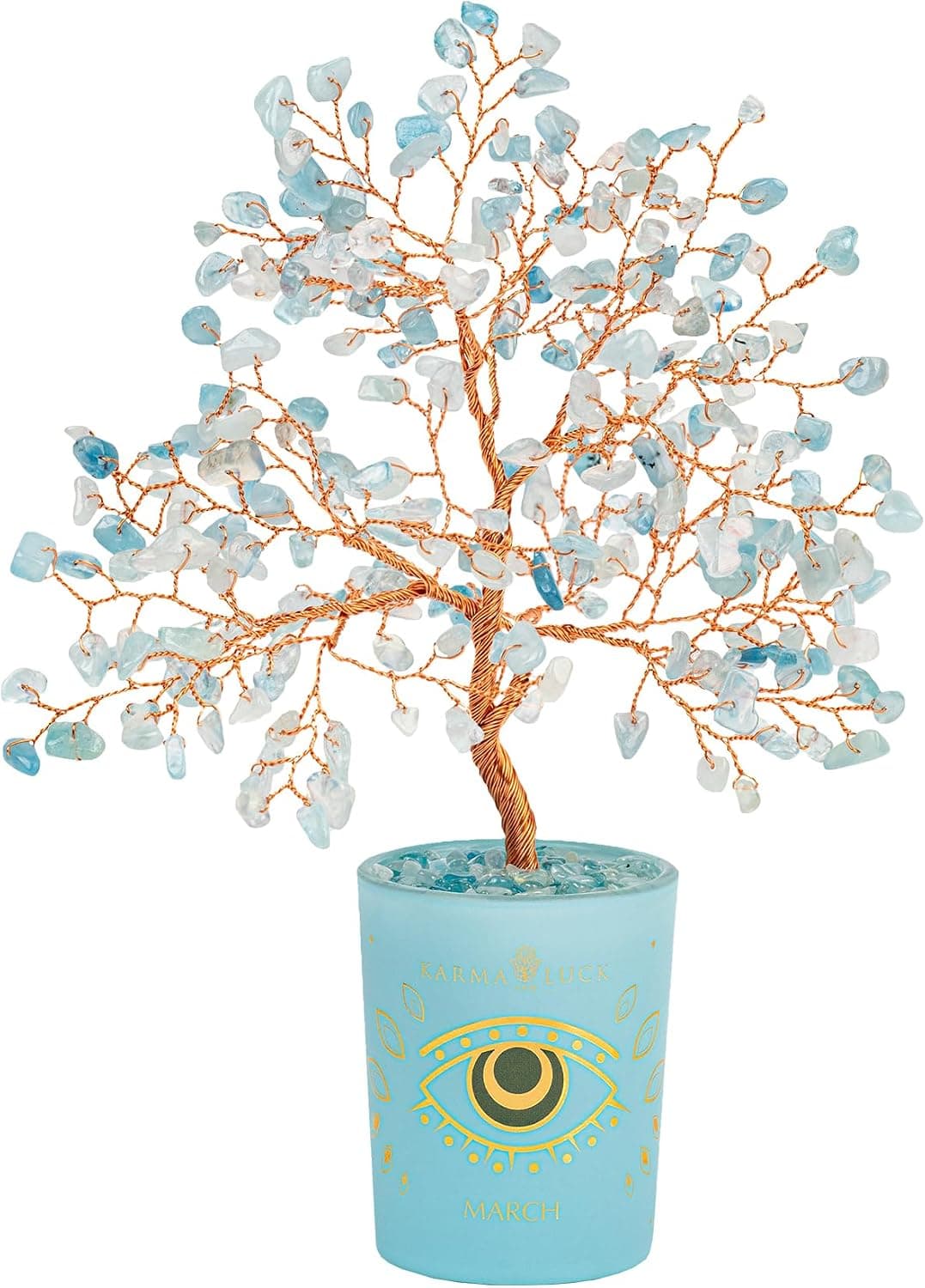
-29%Karma and Luck March Birthstone Crystal Tree of Life, Aquamarine Gemstone Fen...
 -29%
-29%Karma and Luck July Birthstone Crystal Tree of Life, Ruby Gemstone Feng Shui ...
 -29%
-29%Karma and Luck February Birthstone Crystal Tree of Life, Amethyst Gemstone Fe...
As an Amazon Associate, we earn from qualifying purchases. We only recommend items our practitioners have personally tested.
Continue Your Journey
Explore these related guides to deepen your understanding:

The I Ching Doesn't Answer Lazy Questions — Here's What to Ask Instead
8 min readConfucian Commentary Turns the I Ching Into a Moral Floor Plan
9 min readBroken Lines, Solid Lines, and the Real Yin-Yang Logic of the I Ching
11 min readThe Wilhelm I Ching Feels Deep Because It Slows Your Reading
11 min readReady for Deeper Guidance?
Try our free I Ching reading for personalized wisdom, or explore our curated Feng Shui essentials.