If your questions keep coming back muddy, the problem is usually the way you ask—not the oracle.
When the coin toss keeps echoing your own confusion
You cast the coins, open the book, and somehow the answer feels both profound and useless. I see that frustration a lot. People don’t come to i ching divination because life is tidy; they come because something is stuck, vague, or quietly urgent.
And then they expect the oracle to behave like a search engine. It won’t.
The I Ching works best when you stop treating it like a verdict and start treating it like a mirror. If you ask sloppily, you usually get a clean-looking mess. If you ask with precision, the response can be startlingly specific. That is the part many beginners miss.
I’ve seen more confusion come from the question than from the hexagram.
One winter afternoon, a software architect named Elena sat at her dining table with a white ceramic bowl full of three coins and a notebook already stained with tea. She had been asking whether to quit her job, but every reading felt flat. We rewrote the question to focus on the next three months of work, not her entire identity, and the whole reading changed tone. The answer did not tell her to burn everything down. It told her where the energy was leaking, which was far more useful.
What the method is really doing
At its best, the oracle method is a disciplined way of meeting uncertainty without panic. You create a focused question, generate a hexagram, and read both the main figure and any moving lines as a living pattern. That pattern is not random noise. It is a snapshot of your situation at the moment you asked.
That matters because the I Ching does not reward people who ask for prophecy with a capital P. It responds more clearly to questions about direction, timing, relationships, conflict, and the shape of change. You are not trying to control the future. You are trying to see the current more accurately.
If that sounds abstract, think of it this way: the coins do not decide your fate. They expose the shape of the water you are already swimming in. Once people understand that, their readings become calmer and more exact.
For readers who want the roots before the method, the Book of Changes tradition is worth knowing because it explains why this text is built around transition, not fixed answers. The old text is not interested in flattering your ego. It is interested in pattern, consequence, and timing.
How to ask so the answer can actually help
Start with the question before you start with the coins. That sounds obvious, but most people rush it. Write the situation in plain language first. Then strip away the emotional clutter until the question can be answered with movement, choice, or timing. “What will happen if I resign?” is usually weaker than “What should I understand about the next step at work?”
Then sit quietly for a moment. Not because silence is mystical theater, but because it stops you from performing your anxiety onto the reading. I tell people to hold the question in their mind, not to chant it like a spell. One clear intention is enough.
Cast the coins or use your preferred method consistently. Consistency matters more than style. Whether you use three coins, yarrow stalks, or a digital tool, the point is to avoid improvising the process every time your nerves spike. A stable method gives the reading a stable frame.
When the hexagram appears, read the main image first. Do not sprint to the changing lines like a gambler checking a ticket. The main hexagram tells you the larger climate. The moving lines explain where the situation is shifting, maturing, or breaking apart. That order saves you from overreading one dramatic phrase and ignoring the structure around it.
The Yi Jing text itself rewards patience. A line that sounds harsh can be protective. A line that sounds soft can be demanding. People who want instant comfort often miss the actual instruction because it arrives in symbolic language, not corporate bullet points.
Then ask the most annoying but most useful follow-up question: what action fits this pattern? Not what action feeds my mood. Not what action proves I was right. What action fits the situation described by the reading? That question changes everything.
Here is the practical rhythm I use with students. Ask once. Record the result. Read slowly. Pause. Notice the emotional tone before you assign meaning. If the reading feels stubborn, look at the question again. Often the oracle is not withholding; it is rejecting a bad frame.
And yes, sometimes the answer is a correction to your timing. A chef I worked with in Portland kept asking about opening a second restaurant. Every reading looked blocked. The real issue was not the business plan. It was that she had not stabilized the first kitchen. Once she accepted that, the readings became almost embarrassingly direct.
Two mistakes that waste good readings
The first mistake is asking a question that is too broad to carry meaning. “Will my life improve?” sounds meaningful, but it is too big, too vague, and too loaded with fear. The I Ching can handle depth, but it cannot do your emotional sorting for you.
The second mistake is cherry-picking the line that sounds nicest and ignoring the rest. That habit turns i ching divination into wishful reading. The text may comfort you, but comfort is not the same as guidance.
If you want a sharper way to compare approaches, this comparison with tarot helps clarify what the I Ching does better: it describes the situation’s logic, not just your inner mood. Different tools, different strengths. Confusing them creates sloppy interpretation.
And one more thing. A hexagram that feels disappointing is not a failed reading. It may simply be a truthful one. That can sting. Good.
What to do after the reading
Write the date, question, hexagram, and any moving lines in a notebook. Then add one sentence about what you think the reading is asking of you. Do not write a page. One sentence forces clarity. Over time, that record becomes far more valuable than memory, because memory edits everything to match your mood.
Next, wait before acting if the reading points to transition rather than emergency. The I Ching often clarifies direction without demanding immediate motion. People hate hearing that. They want resolution. But not every answer is a green light, and not every blockage is a stop sign.
For some readers, the most useful next step is to study how the hexagrams repeat over time. The same pattern appearing twice in different months usually means the issue is structural, not accidental. That is where deeper I Ching wisdom starts to matter more than novelty.
Readings also sharpen when your life is less noisy. A cluttered desk, ten open tabs, and a frantic question rarely produce clean insight. Quiet the room first if you can. Then ask. The oracle meets you where you are, not where you pretend to be.
There is a reason experienced readers respect restraint. If you keep asking the same question five times in one evening, you are not seeking guidance anymore. You are negotiating with discomfort. The I Ching is not impressed by that. Honestly, neither is your nervous system.
That said, the practice does become easier. After a few months, you start hearing the difference between a reading that invites patience and one that calls for action. You notice when a moving line is pointing to a hidden dependency, and when the main hexagram is warning you that your plan is built on speed instead of substance. That is real skill, not mysticism theater.
FAQ
How often should I use the I Ching?
Use it when you have a real question, not as a daily habit you reach for out of boredom. Repeated readings on the same issue only make sense when the situation has genuinely changed. Otherwise, you are mostly hearing your own anxiety in different costumes.
Do I need a formal ritual before casting the coins?
No elaborate setup is required. A clean surface, a clear question, and a few quiet seconds are enough. A surprising amount of clarity disappears when people overdecorate the process.
Can the same hexagram mean different things?
Absolutely. Context changes everything, especially the wording of the question and the moving lines. The same figure can counsel patience in one situation and restraint in another.
What if I do not understand the answer?
Start with the obvious layer before reaching for hidden symbolism. Sometimes the answer is plain but inconvenient. If you still feel lost, revisit the question instead of forcing the text to speak in a way that flatters you.
your first reading will usually be stronger than you expect if you ask one clean question and record the result honestly. That is where confidence starts: not in perfect technique, but in careful attention.
And if you want to understand why the old text sometimes feels like it knows more than you do, the link between the I Ching and synchronicity is worth studying next. It explains why the right answer can arrive before you know how to frame the problem.
David Liu
Traditionally informed guidance • Cross-referenced with classical Chinese source texts
Interpretations cross-referenced with the Zhouyi (周易) and Wilhelm/Baynes translation.
Practitioner-Selected Tools for This Topic
Items our team has tested and found effective for the principles discussed above. Individual results may vary.
 -20%
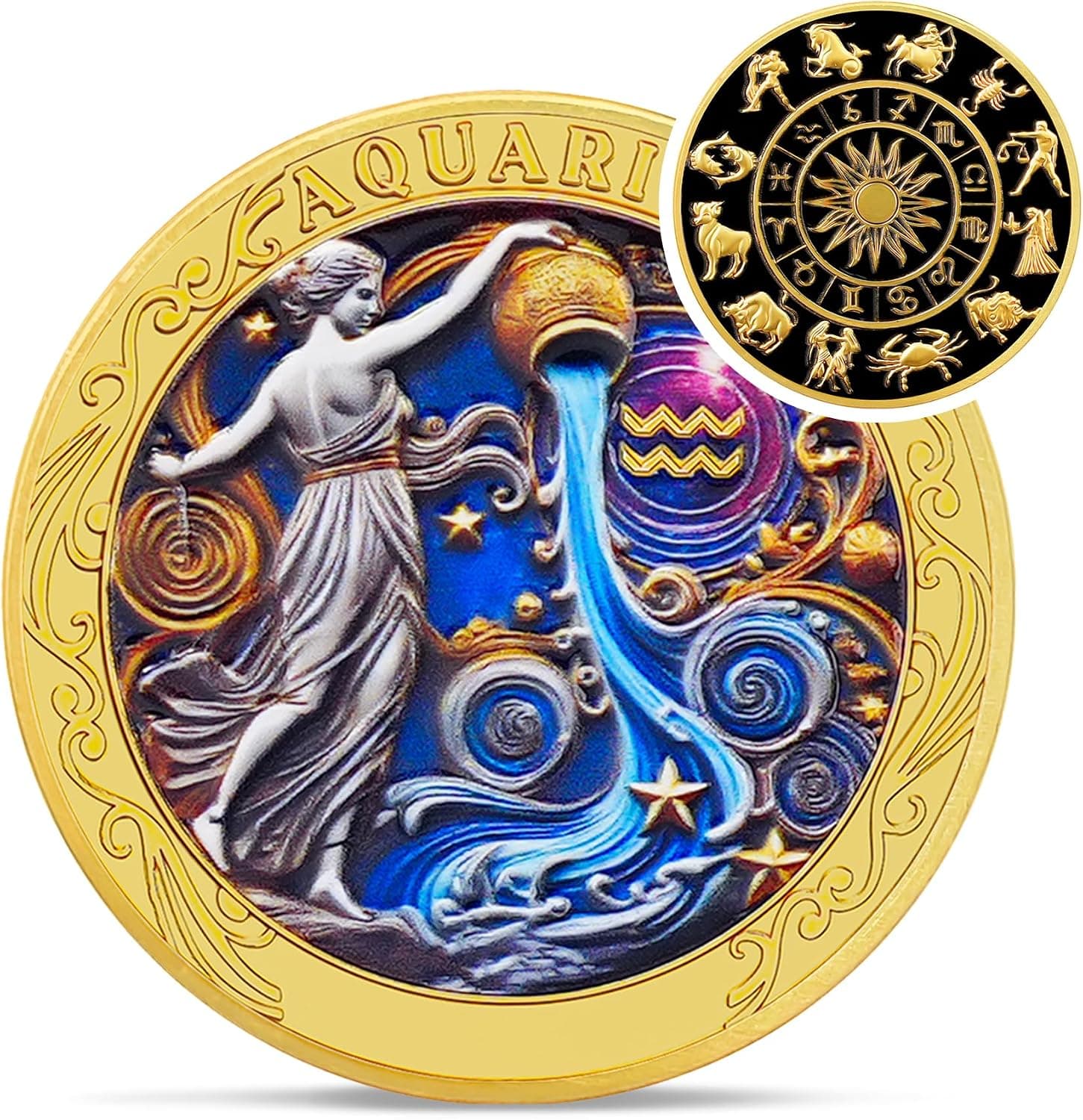
-20%Aquarius 12 Zodiac Challenge Coin - Twelve Constellations Aquarius Protective...
 -29%
-29%Karma and Luck March Birthstone Crystal Tree of Life, Aquamarine Gemstone Fen...
 -29%
-29%Karma and Luck July Birthstone Crystal Tree of Life, Ruby Gemstone Feng Shui ...
 -29%
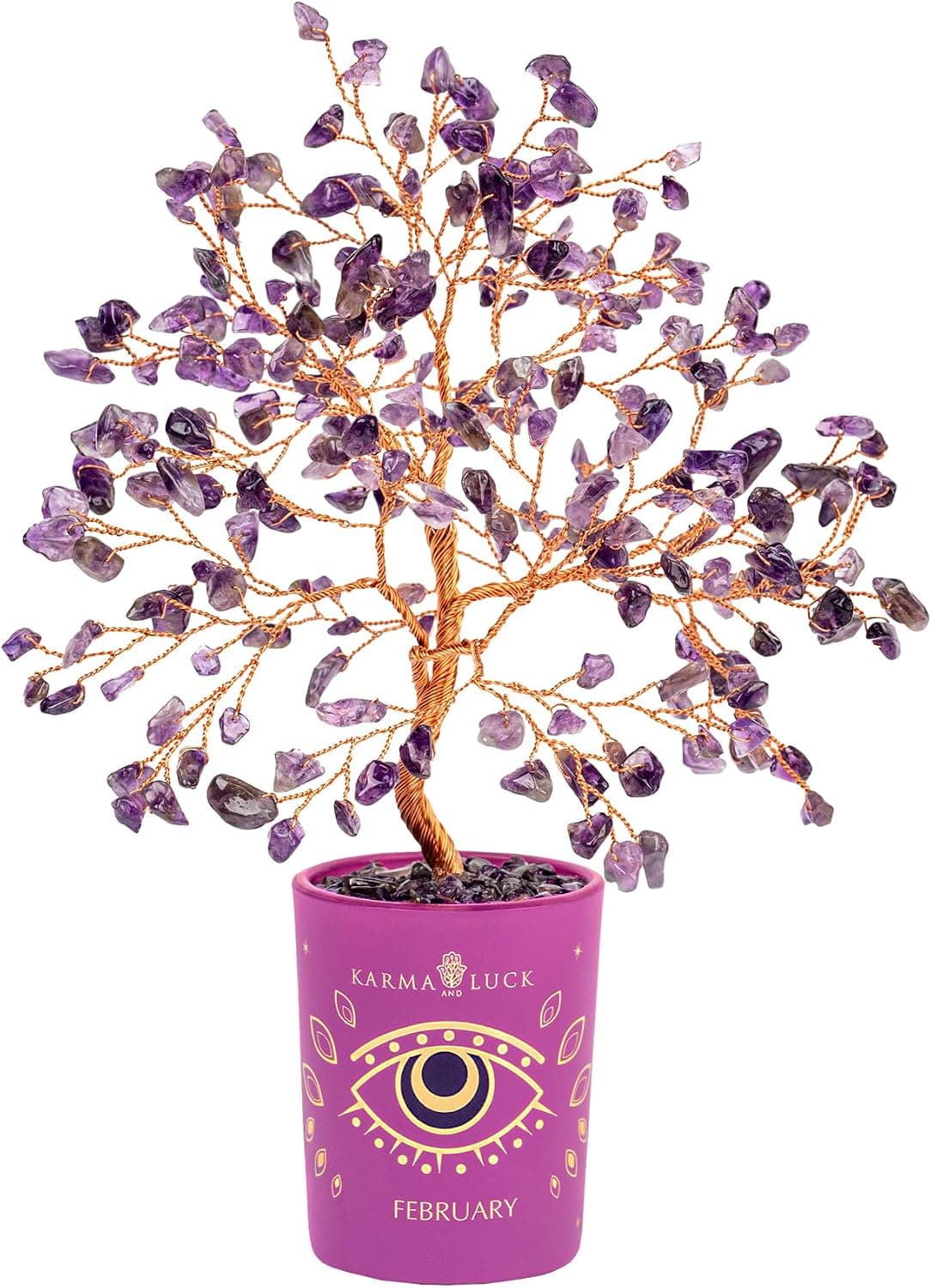
-29%Karma and Luck February Birthstone Crystal Tree of Life, Amethyst Gemstone Fe...
As an Amazon Associate, we earn from qualifying purchases. We only recommend items our practitioners have personally tested.
Continue Your Journey
Explore these related guides to deepen your understanding:

The I Ching Doesn't Answer Lazy Questions — Here's What to Ask Instead
8 min readConfucian Commentary Turns the I Ching Into a Moral Floor Plan
9 min readBroken Lines, Solid Lines, and the Real Yin-Yang Logic of the I Ching
11 min readThe Wilhelm I Ching Feels Deep Because It Slows Your Reading
11 min readReady for Deeper Guidance?
Try our free I Ching reading for personalized wisdom, or explore our curated Feng Shui essentials.