A half-step in the floor can undo a whole kitchen. The stove doesn’t care about your checklist.
The Real Story Behind Feng Shui Stove Placement Direction
The conventional wisdom on Feng Shui Stove Placement Direction deserves closer examination. I walked into a split-level house in Oakland last spring and saw a matte-black range sitting on the upper landing, not quite in the kitchen and not quite in the dining room, with two pale blue steps dropping to the family room beside it. The owners had done what every forum recommends: commanding position, no direct line to the door, clean backsplash, no clutter on the counter. Yet the wife had stopped cooking dinner after 7 p.m. because the room felt oddly sharp at night, and the husband kept burning rice even when he stood over the pan. Not a mystic problem. A floor problem.
The common advice misses one thing: a stove reads the room from the level it stands on, not from the floor plan you drew in pencil. Split-level homes create a strange argument between heights, sightlines, and pressure. The burner may face the right compass sector and still sit in a pocket where qi drops, gathers, then stalls at the edge of a step. That shift matters more than people admit, because fire wants support under it and around it. Without that support, the kitchen starts behaving like a drafty stairwell. Wrong.
I've seen this in a narrow galley kitchen with cream cabinets, a red kettle, and a gas stove set exactly three feet from the north window. The placement looked textbook. The problem was the half-rise to the breakfast nook behind the cook, which made the stove feel exposed from above and below at once. The daughter in that house kept skipping breakfast, then complaining of headaches by midafternoon. When I asked where she stood most mornings, she pointed to the exact spot where the floor dipped. That dip was doing the damage, not the compass needle.
The fix starts with understanding the room as a body. The stove should sit where your shoulders relax when you face it, where the back is protected, and where the floor underfoot feels steady rather than transitional. If you need the larger system, compare it with the logic in most Bagua maps get hung backwards — here's how to know if yours is wrong, because an upside-down map can make you chase the wrong sector entirely. For homes with multiple levels, I also cross-check the layout against reading a feng shui compass wrong is more common than you'd think, since a tiny orientation error becomes bigger when stairs cut through the middle of the house. And if the kitchen keeps feeling off even after the obvious fixes, five elements theory explains why good feng shui still feels wrong more clearly than any trendy checklist ever will.
Split levels create a subtle leak. Energy moves fast over changes in elevation, then gets thin at the threshold. That means a stove placed beside a step, a sunken dining area, or a raised pantry platform can lose the grounded quality it needs to hold heat, attention, and routine. You may not notice it in the first ten minutes. Then you start rushing meals, forgetting ingredients, or avoiding the kitchen entirely after dark. That is how a floor becomes a habit.
Why the stove reacts to height before direction
The moment a burner sits near a level change, the room stops reading as a stable container. Fire is an active element; it likes support, but it also amplifies whatever is around it. Put it beside a stair edge and the movement in the house pulls at it from below. Put it where people descend or rise past it every hour and the mind never fully settles around the work of cooking. You feel it as impatience, then as small domestic mistakes. A pot boils over. Salt gets doubled. The oven timer goes unheard.
That is why I don't accept the lazy claim that direction alone solves everything. Direction matters, sure. So does the landing under your feet, the openness behind your back, and whether the cook stands in a place that feels safe enough to slow down. In one split-level condo, the stove faced a respectable sector but sat at the top of two narrow steps leading to the den. The homeowner, a nurse named Elena, kept saying the kitchen felt like a corridor. She moved a wooden butcher-block cart beside the range, placed a brass bowl on it, and added a closed panel at the stair edge. Within a week she said she could hear the food again — the sizzle, the simmer, the pause before a boil.
That shift makes sense. When the floor steadies, attention steadies. When attention steadies, the stove stops feeling like an interruption and starts acting like the heart of the room. I don't mean this in a soft-focus way. I mean the practical stuff: fewer rushed meals, less resentment about cooking, and fewer evenings where everyone ends up eating crackers in separate rooms.
Some readers try to solve everything with a mirror, a crystal, or a lucky trinket near the range. Big mistake. A shiny cure cannot compensate for a floor that keeps telling the body to brace itself.
For cooks who want the broader context, kitchen knives carry more energy than you'd think — here's why placement matters is worth reading because sharp objects near a split-level edge can increase the same nervous feeling. The kitchen is not just where food happens. It is where the house learns whether it can trust its own footing.
How the wrong level shows up in daily life
People rarely complain about the stove first. They complain about being tired in the evening, about arguing while chopping onions, about forgetting to turn off the rice cooker. Then they discover the kitchen sits on an awkward transition between floors, and suddenly the pattern makes sense. In a townhouse with a terracotta stove hood and sage-green walls, the couple stopped eating together at the island because the wife felt watched from the sunken living room below. That feeling was real enough to change their habits. She started plating food in silence. He started eating standing up.
The house was doing what houses do: broadcasting tension through space. A half-level drop nearby can make the stove feel exposed to traffic, even when no one is physically looking at it. The cook’s back never fully relaxes. The mind stays half on guard. From there the consequences get ordinary and annoying: overcooked vegetables, arguments about grocery lists, an expensive spice rack left untouched because no one wants to stand there long enough to use it.
What helps is not decoration first. It is containment. A solid wall behind the stove. Fewer sightlines from the stair. A grounded surface close by, like a heavy wood tray, a ceramic jar, or a low cabinet edge that visually says the cooking zone has borders. If the stove sits on the higher part of a split level, try to keep the surrounding area visually heavy so the eye does not slide downward. If it sits on the lower level, give it support above — a hood, a shelf, or a darker tile field that makes the space feel held.
For bedrooms near a split-level kitchen, I point people toward turning a bedroom into a sanctuary requires less than you'd think because smoke, sound, and floor movement often travel farther than expected. The kitchen may be the source, but the sleep problem shows up across the hall. That is the part most people miss.
What to change before you move the stove
Don't rip out the cabinetry on day one. Start with the edges of the problem. Stand at the stove and look down. Do your heels land on one level and your toes on another? Is there a stair landing in peripheral vision? Does the cook face a long run of hallway or a void that drops into a living room? Those details matter more than a decorative compass print pinned to the fridge.
If the stove hugs a level break, try to create a firmer visual field around it. A darker rug just outside the cooking zone can anchor the eye, though you do not want fabric too close to the flame. Better still, use a change in cabinet color, a thicker counter profile, or a backsplash that feels substantial rather than glossy and jumpy. In a beige-and-oak kitchen outside Portland, we shifted the barstools away from the stair edge, changed the pendant bulbs from bright white to warm amber, and moved a red teapot off the range top. The room stopped feeling like it was leaning forward.
When the floor cannot be changed, the cook's position can. Stand so you can see the entrance without having the doorway directly behind your shoulder. Keep the stove face oriented toward the more stable side of the home, not the most dramatic one. That often means resisting the urge to follow the compass sector with religious intensity and instead honoring the way the body senses support. I know that sounds less glamorous than a perfect formula. It works better in real houses.
For a deeper read on the room's overall balance, your apartment has too much yang energy. That's why you can't relax offers a useful lens, especially in kitchens that sit over garages or beside stairs. And if you keep second-guessing every placement, what your feng shui calculator isn't telling you will save you from trusting a neat number more than your own observation.
One sentence can spare a remodel: if the stove feels exposed, the house will show it somewhere else. Maybe in meals eaten too quickly. Maybe in the pile of takeout boxes near the recycling bin. Maybe in the strange quiet that settles over a kitchen after everyone has learned not to linger there.
Common mistakes that look sensible
People love to place the stove where the view is pretty. Mountains out the window. Open sightline to the garden. Nice in a brochure, bad in practice if the range sits on a transition point and the cook feels pulled outward while working. Another favorite is pushing the stove into a corner because it looks tidy. That can trap heat and make the space feel cramped, especially if the corner borders a stairwell or a split landing. The body notices tightness before the mind does.
Then there's the obsession with symmetry. Two stools, two lamps, two framed prints, as if repetition alone can fix a kitchen that feels unsteady. Not even close. A split-level layout asks for support, not matching accessories. You can see this mistake in homes with polished stone counters and a gorgeous range hood, yet everyone still ends up eating in the den because the kitchen feels like a stopping point, not a gathering place. The problem was never the styling.
Another one: placing a loud red object on the stove because someone read that fire likes fire. Sometimes it does. Sometimes it becomes too much. In a cream kitchen with a cobalt blue tile border, a giant crimson kettle made the cook rush every meal. The house already had enough heat from the nearby step-down living room. All that extra color did was sharpen the atmosphere and increase short tempers around dinner.
For knife placement mistakes that often travel with stove errors, see kitchen knives carry more energy than you'd think — here's why placement matters. Sharp tools left beside a split-level range can make the whole zone feel defensive. And if the rest of the kitchen still seems off after you fix the obvious pieces, a smaller adjustment like the ones in metal and water decor that makes a room feel complete can help soften overexposed edges without turning the space into a showroom.
One kitchen in Seattle taught me something I still quote. The homeowner had the compass right, the colors right, the cookware expensive, and the herbs clipped neatly in jars. The stove sat two inches from a short step down into the sunroom. Everyone who entered the kitchen instinctively paused there, as if the floor had asked a question. The question was simple: are you sure you want to stand here?
FAQ
Is conventional Feng Shui Stove Placement Direction advice reliable?
Often not by itself. A compass reading can be accurate and still miss the way a split-level floor changes how the room feels underfoot. In older houses, the level change can override the neat answer on paper.
Should I move the stove if it sits near stairs?
If you can move it, that may help, especially when the range is perched beside a landing or exposed to constant foot traffic. If moving it would be expensive, begin by tightening the visual boundary around the cooking zone and reducing the sense of drop-off beside it.
What matters more: direction or height?
Height often wins in split-level homes. A stove facing the “right” way but sitting on an unstable transition can still create restlessness, rushed cooking, and a room that people avoid after dark. Direction should support the floor, not ignore it.
Can decor fix a bad stove location?
Decor can help, but it cannot carry the whole burden. A heavy wood surface, a grounded cabinet run, or a darker wall tone may calm the area, yet a stove that straddles levels will keep broadcasting that split until the layout changes. The room knows.
What should I look at first in my kitchen?
Stand at the range and watch the edges of the room, not just the center. Notice whether your body relaxes, whether your back feels protected, and whether the floor around you stays visually level. Those reactions tell the truth faster than a checklist does.
One split-level kitchen I remember had a copper pan hanging over a narrow peninsula, a white cat curled by the radiator, and a single step down to a breakfast nook painted gray-green. At dusk, the whole room looked calm. Then the cook lit the burner, and the scene changed by a degree you could feel in your ribs. What does that tell you about the floor beneath the flame?
Mei Chen
Traditionally informed guidance • Cross-referenced with classical Chinese source texts
Content draws from both Compass (Luopan) and Form (Xingshi) school traditions. Illustrative examples are composites based on consultation experiences.
Practitioner-Selected Tools for This Topic
Items our team has tested and found effective for the principles discussed above. Individual results may vary.
 -19%
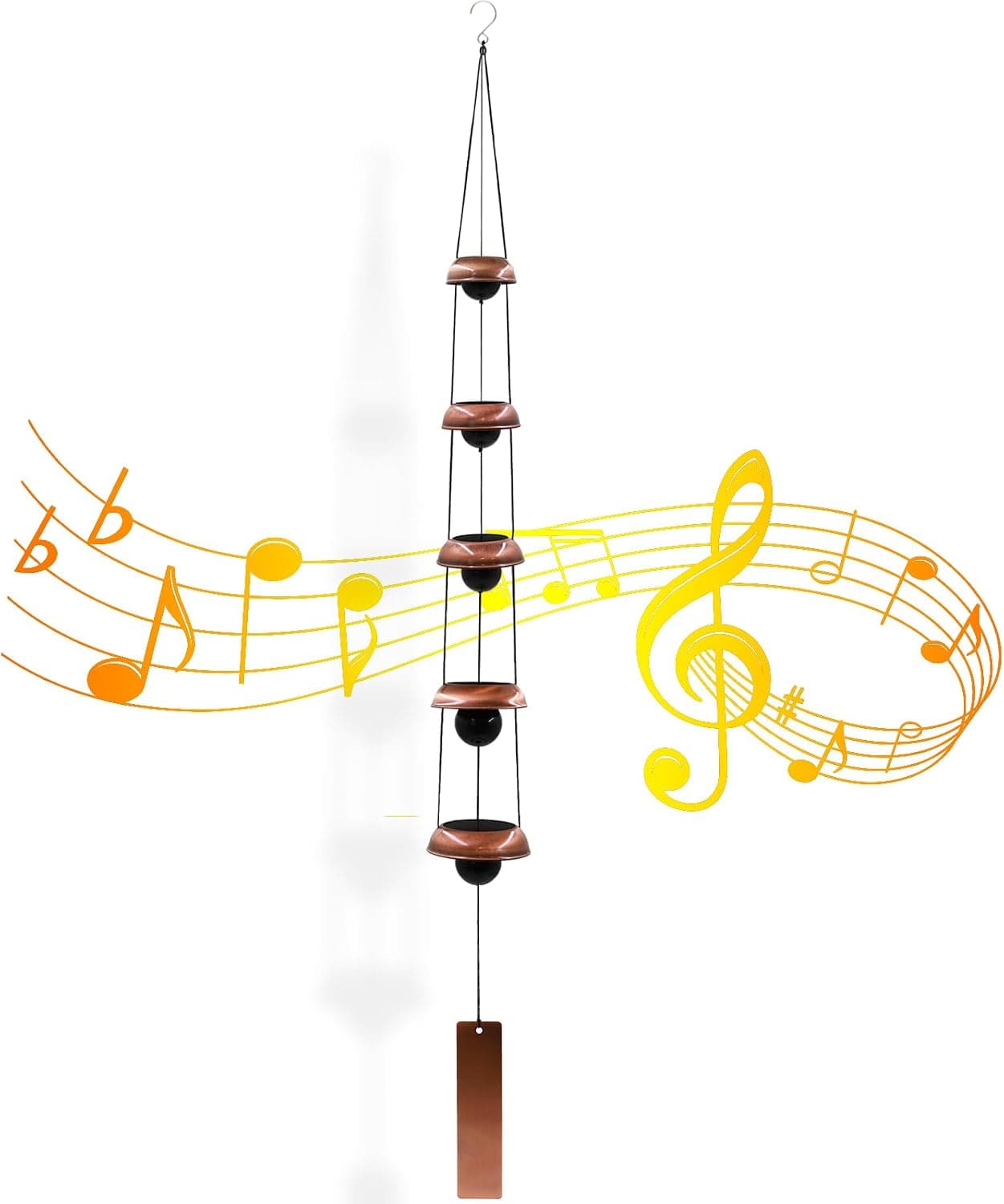
-19%Wind Chimes for Outside with 5 Bell Unique Copper Musical Chimes Feng Shui Wi...
 -5%
-5%YU FENG Evil Eye Money Tree, Blue Feng Shui Decor with Golden Buddha
 -29%
-29%Karma and Luck March Birthstone Crystal Tree of Life, Aquamarine Gemstone Fen...
 -29%
-29%Karma and Luck July Birthstone Crystal Tree of Life, Ruby Gemstone Feng Shui ...
As an Amazon Associate, we earn from qualifying purchases. We only recommend items our practitioners have personally tested.
Continue Your Journey
Explore these related guides to deepen your understanding:


Ready for Deeper Guidance?
Try our free I Ching reading for personalized wisdom, or explore our curated Feng Shui essentials.