A mirror can cancel a lucky color before it reaches you—or double it if the angle is right.
The Hidden Truth About lucky colors feng shui-2026-by-zodiac
I saw it in a guest room with pale jade curtains, a lacquer-red lamp, and a full-length mirror leaning three inches off center against the east wall. The owner had followed every color chart she could find, yet her sleep went thin, her emails turned sharp, and she kept missing calls that mattered. The colors were not the problem. The mirror was.
That room taught me more than any clean diagram ever did. A color only reaches you through a surface, a sightline, or a reflective bounce; otherwise it sits there like paint on a sample card. A mirror placed to face the bed, or angled toward a door, can throw the year's tone back into the room and reverse the effect people think they are buying with a lucky shade. Quietly. Fast.
People love simple charts because they feel controllable. Wear this hue, place that object, avoid the other one. Yet a north-facing bedroom with a mirror aimed at the wardrobe door does not care about tidy advice. The reflection changes the pull of the room, and the eye follows the bright return more than the fabric on the chair. That's the twist most lists skip.
I've seen enough homes to trust the geometry before the slogan. A soft peach wall in a dining nook can feel warm and settled if the mirror catches candlelight at a shallow angle; move that same mirror to face the window directly, and the room becomes restless, almost watchful. That is why one couple can use the same color and feel supported, while another feels irritated within a week. Different angle. Different result.
Why the Mirror Changes Everything Before the Color Does
Mirrors are not decorative afterthoughts. They act like second windows, and windows always matter more than the catalog promised. In classical terms, a reflection can lift a quality, scatter it, or send it back toward the threshold where it gets thinned out before it settles.
Think about a bedroom with a silver-framed mirror on the closet door. If it faces the bed, the room never truly rests; your eye keeps catching motion, and the nervous system behaves as though something has shifted. Put that same mirror on the side wall, angled so it reflects a lamp but not your body, and the space suddenly feels less exposed. Same room. Different outcome.
There is a reason I keep returning to the relationship between surface and direction in how to map energy in your home without overthinking it. Placement determines whether a color becomes a cue or a distraction. A yellow throw pillow in the right corner can feel steady; the same pillow reflected in a tilted mirror near the doorway can become visual noise.
So no, this is not about buying more objects. It is about deciding what gets multiplied. That detail matters in 2026 because many people will chase the right lucky shade while standing in front of a badly placed mirror that quietly erases the benefit.
How the Angle Reverses the Effect
Here is the part that usually surprises people: the strongest angle is not the one that faces the item directly. It is the one that catches the edge of it. A mirror set at about 30 to 45 degrees from the color source tends to amplify the feeling without creating glare, while a direct face-to-face reflection can turn the room harsh and overstimulated.
Picture a home office with a deep blue desk mat, a brass pen cup, and a round mirror on the wall to the left of the monitor. If the mirror sees the desk at an oblique angle, the blue reads as calm and focused. If the mirror sits straight across from the desk, that same blue bounces back with extra visual weight, and the corner starts to feel crowded, even if the furniture never moved.
That is why I caution people about pairing mirrors with the wrong objects. In a room where you want money to feel handled, not scattered, it helps to study coin placements that make money feel managed, not chaotic. A reflective surface can support that sense of order if it catches the coins or the metal accent from the side. Face it head-on, though, and you create a little display case for anxiety.
One more practical detail: the eye trusts what repeats. A mirror bouncing a color across the room can make a space feel larger, but it can also make a single tone dominate like a voice that never stops talking. That is why the exact angle matters more than the color itself when people are trying to tune a home for the year ahead.
Where People Backfire Without Realizing It
A lot of people put lucky colors in the wrong place and blame the year. They buy a red cushion for a north sector, then set a tall mirror beside it because they want the room to feel brighter. The mirror reflects the red, but it also cuts the calm of the corner and turns the whole arrangement into visual static. The cushion never had a chance.
Another common slip happens in bedrooms. A blush duvet looks gentle, and it usually is. Add a mirror at the foot of the bed, however, and you start waking earlier than you want, noticing every movement in the room, and feeling oddly on guard when you should be dropping into sleep. I have seen this happen in a narrow room with cream walls, one blue vase, and a mirrored wardrobe that turned moonlight into a thin silver stripe across the pillow.
That is why I send people to turning a bedroom into a sanctuary requires less than you'd think before they start decorating with annual color schemes. Sleep needs fewer visual interruptions, not more lucky symbolism.
And in kitchens, the risk shows up differently. A warm accent near a reflective backsplash can make the room feel active and generous, but too much bounce near knives, steel appliances, or cluttered counters produces an edgy, overlit look. If you want to understand why shiny surfaces can make a room feel more tense than festive, look at kitchen knives carry more energy than you'd think — here's why placement matters. Reflections magnify whatever is already sharp.
Don't mistake visual sparkle for support. One makes a room look lively for a minute. The other helps your body settle when you walk in and close the door.
How I Would Use Colors and Mirrors in 2026
Start by standing in the room and looking at the mirror before you look at the color. Ask yourself what it reflects first: a door, a bed, a plant, a blank wall, or a useful object. If the first thing it returns is movement from a hallway or the clutter on a chair, move it. If it reflects a stable lamp, a framed image, or a clean line of shelving, you are closer.
Then choose the color by purpose, not by superstition. A muted green works well where the room needs breath and recovery. A clear, grounded red accent belongs where activity is welcome, not where you are trying to reduce strain. Blue can support focus, but not if it is bouncing around a room with five reflective surfaces and no visual pause.
One practical approach: place the mirror so it catches the chosen color indirectly, from the side or at a shallow angle, never straight on if the room already feels busy. In a living room, that might mean a mirror on the west wall reflecting a rust-colored throw over the sofa from four feet away. In a bedroom, it may mean removing the mirror altogether if the bed is the strongest thing it sees.
Here is where the annual charts become useful instead of theatrical. If you also follow the yearly color notes in 2026 flying stars need different remedies room by room, you can place tones where they support the room's actual behavior. A color without a reflection plan is decoration. A color with a reflection plan becomes direction.
And yes, mirrors can help. In a dark hallway, one placed to borrow light from a side lamp can make a pale gold wall feel awake rather than flat. In a cramped studio, a mirror can extend a soft earth tone across the room so it no longer feels chopped into pieces. The difference is control. Not abundance.
What I Would Never Ignore Again
Oddly enough, the most common error is not choosing the wrong color. It is assuming the room will obey the chart even when the surfaces disagree with it. A red accessory near a mirror can become restless; a calm gray near a harsh reflection can look drained; a fortunate shade in the wrong angle turns into a visual argument.
I've watched this play out in a home office with a teal desk mat, a bronze shelf, and a mirrored cabinet across from the chair. The owner said the room felt "busy," though nothing looked dramatic in photographs. Once the cabinet moved to the side wall and stopped reflecting the chair directly, the same teal suddenly felt organized instead of jittery. That kind of change is almost embarrassing in its simplicity.
If the room still feels off after you adjust the mirror, check the larger structure. Some homes distribute attention badly from the start, which is why five elements theory explains why good feng shui still feels wrong. A reflection can reveal a weakness, but it cannot repair an imbalanced layout on its own.
There is a second layer too: mirrors near entry zones often pull the eye outward before the house has finished greeting you. That is why front areas benefit from care beyond color alone, especially when the threshold is narrow or shaded. You can explore that pattern in the alcove advantage that changes a front door fast, because the first sightline sets the tone for everything after it.
So when someone tells you the right color fixed their year, I usually ask one quiet question: where was the mirror?
FAQ
Is conventional lucky colors feng shui-2026-by-zodiac advice reliable?
Often not by itself. The color may be right, yet the room can undo it through reflection, glare, or a bad sightline. If the mirror faces a bed, a door, or clutter, the result is usually weaker than the chart promised.
Should I remove every mirror if I want better results?
No. A mirror placed to the side can support light, depth, and calm. The problem starts when it becomes the first thing your body notices on entry or while resting.
What angle is safest for a mirror near a lucky color?
A shallow side angle usually works better than a direct face-to-face setup. The goal is to let the color appear in the reflection without turning the room into a bright echo chamber.
Can one wrong mirror undo an entire room's color plan?
Surprisingly, yes. A single badly aimed mirror can make a room feel busy, thin, or sleepless even when the colors are appropriate. Small surfaces carry more influence than people expect, especially in compact rooms.
Where should I start if my bedroom already feels restless?
Begin with the mirror before you repaint or buy anything new. Move it away from the bed, then see whether the room gets quieter by evening. That change often tells you more than a dozen color swatches ever will.
How do I know whether a mirror is amplifying or reversing the effect?
Watch your first reaction when you enter. If your gaze keeps jumping to the reflection instead of settling on the room, the mirror is probably dominating the space. If the reflection supports a lamp, plant, or calm color, it is helping rather than competing.
Mei Chen
Traditionally informed guidance • Cross-referenced with classical Chinese source texts
Content draws from both Compass (Luopan) and Form (Xingshi) school traditions. Illustrative examples are composites based on consultation experiences.
Practitioner-Selected Tools for This Topic
Items our team has tested and found effective for the principles discussed above. Individual results may vary.
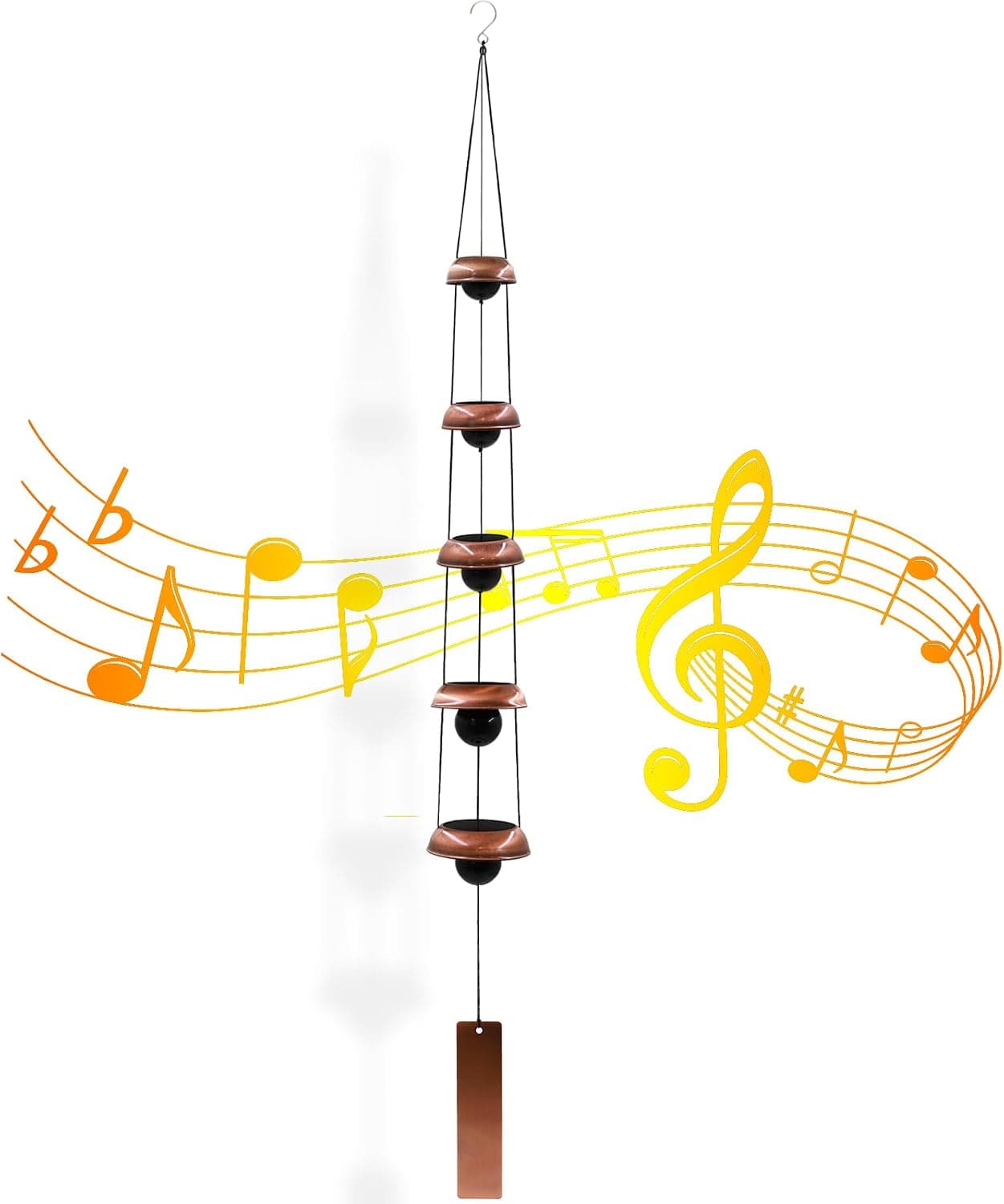 -19%
-19%Wind Chimes for Outside with 5 Bell Unique Copper Musical Chimes Feng Shui Wi...
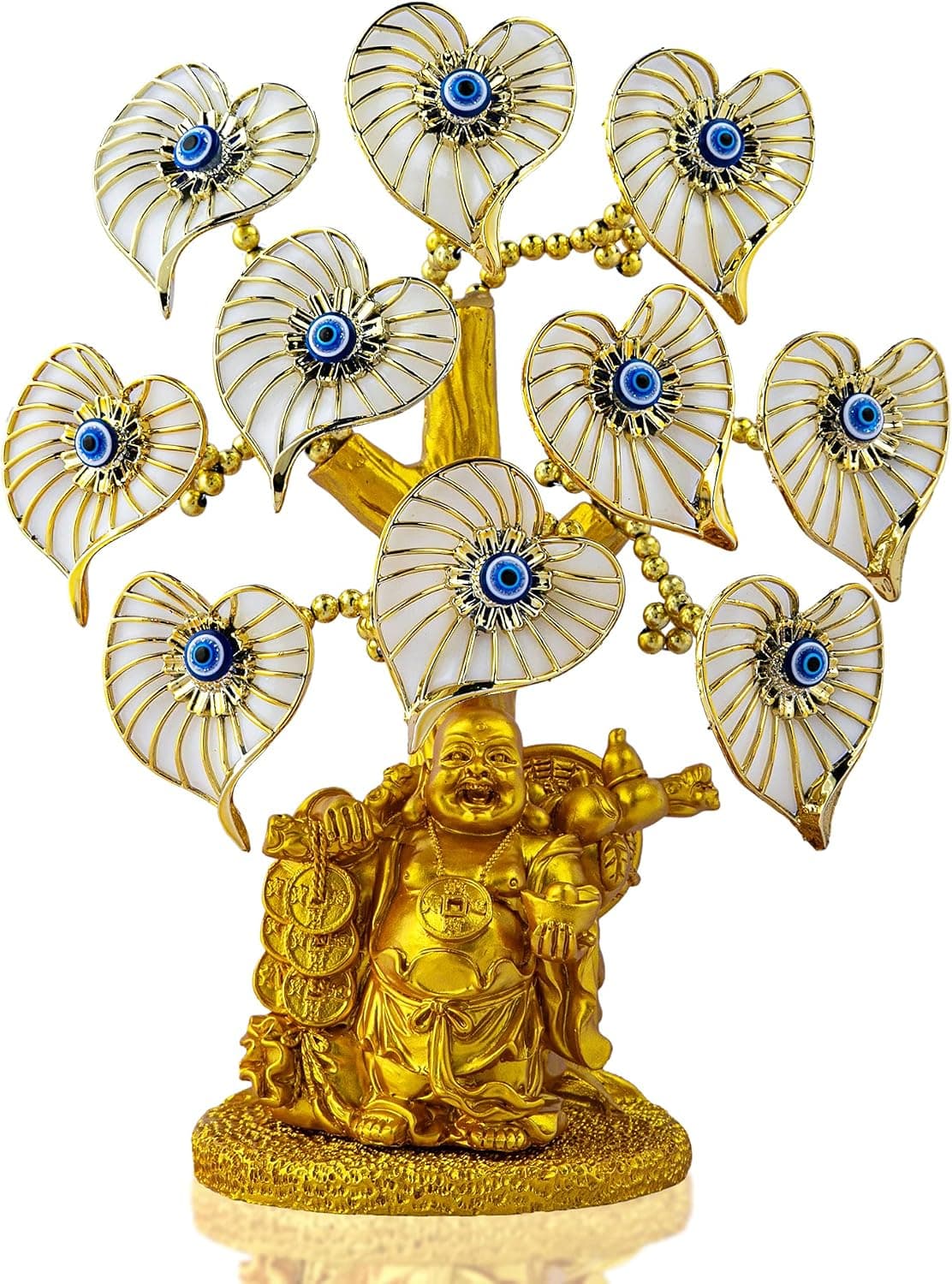 -5%
-5%YU FENG Evil Eye Money Tree, Blue Feng Shui Decor with Golden Buddha
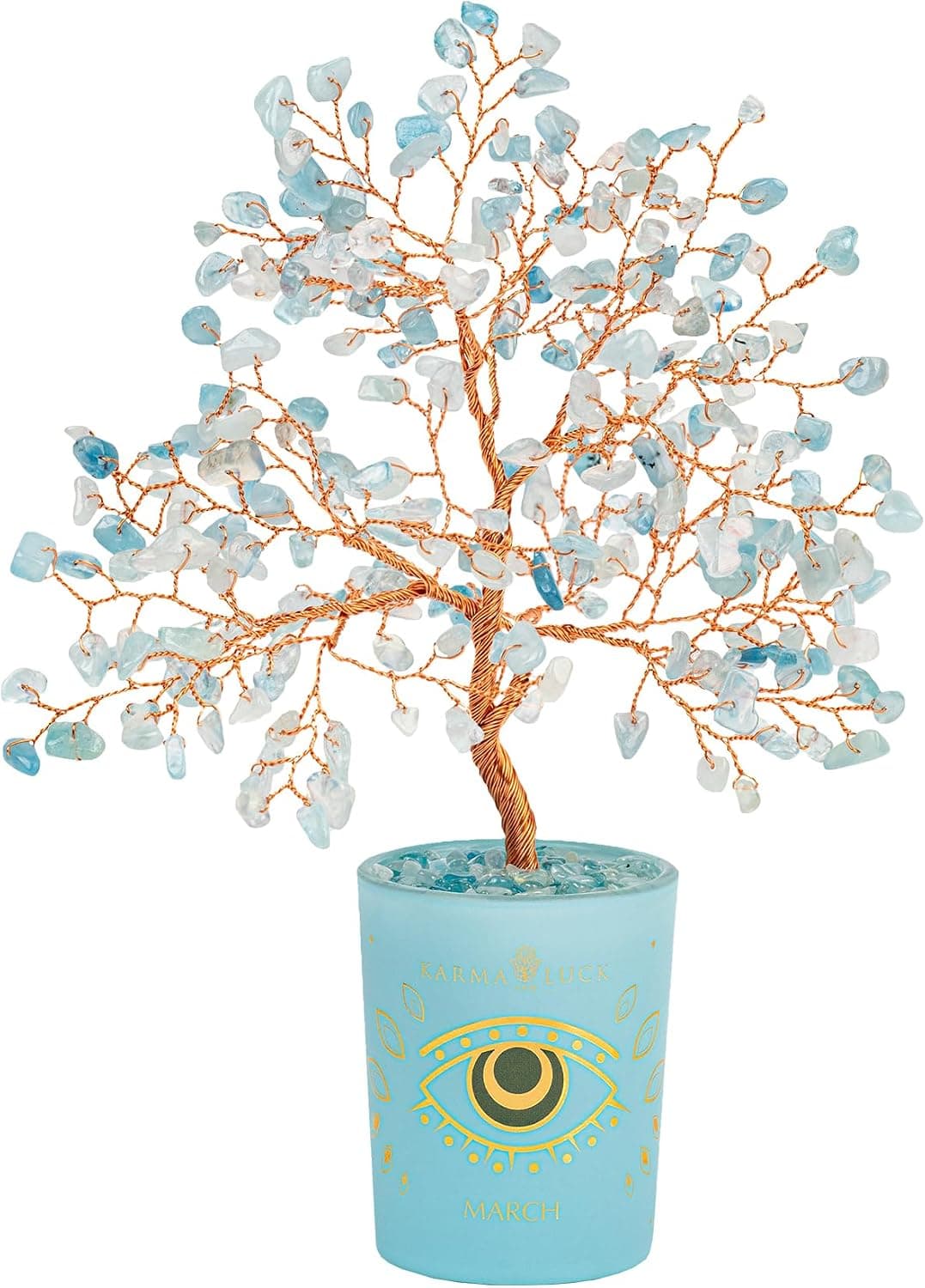 -29%
-29%Karma and Luck March Birthstone Crystal Tree of Life, Aquamarine Gemstone Fen...
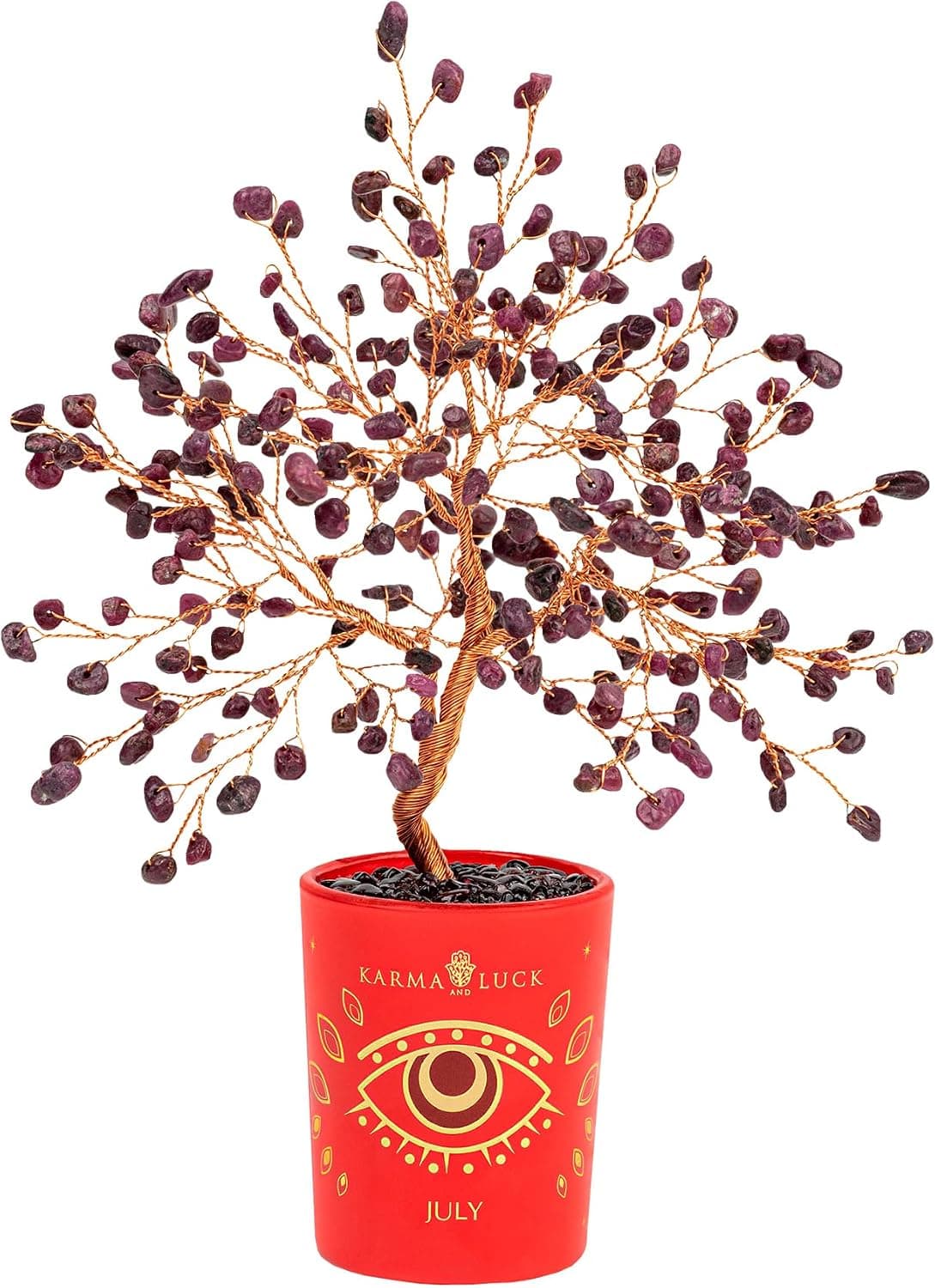 -29%
-29%Karma and Luck July Birthstone Crystal Tree of Life, Ruby Gemstone Feng Shui ...
As an Amazon Associate, we earn from qualifying purchases. We only recommend items our practitioners have personally tested.
Continue Your Journey
Explore these related guides to deepen your understanding:


Ready for Deeper Guidance?
Try our free I Ching reading for personalized wisdom, or explore our curated Feng Shui essentials.