A recessed kitchen corner can calm the whole room—or quietly wreck it if the sink and stove argue there.
The Hidden Truth About kitchen sink and stove position feng shui
The usual warning sounds neat on paper: keep water away from fire, separate the sink from the stove, and don't let them glare at each other across a narrow run of counter. Fine. But a recessed nook changes the rules fast, because an alcove behaves like a pocket, not an open plane.
I once walked into a galley kitchen with a pale blue tile alcove on the north wall, a stainless sink tucked under a small window, and a four-burner stove just around the inner corner. The owner had done everything she read online: she added a cutting board bridge, moved a copper kettle away from the burners, even bought a red mat for the stove front. Still, the room felt jumpy. The mail piled on the counter by the toaster. She forgot the soup twice. That wasn't because she broke some sacred formula. It was because the alcove trapped movement and made every object louder than it looked.
An enclosed recess can help. It can also concentrate stress. Mapping the room instead of memorizing rules shows you why: the useful question is not only where water and fire sit, but how the side walls, the ceiling line, and the path into the kitchen shape attention. In a tight pocket, the eye lands harder. The body follows.
And that's why the common advice persists. Open-plan kitchens rarely create the same pressure, so people assume the old rule is the whole story. It isn't. In a shallow alcove, the sink and stove may be less important than the pinch point between them, the shadow under the cabinet, or the dead end created by a fridge door opening into the cook zone.
Why the alcove changes everything
Water and fire are not abstract symbols here. They are behaviors. The sink invites rinsing, sorting, and pausing. The stove asks for focus, heat, and timing. Put both inside a recessed bay and you create a narrow mental corridor where two tasks compete for the same patch of attention. That's why people call such kitchens “busy” even when nothing much is happening.
The alcove advantage appears when the recess gives each function a clear boundary. A short return wall can protect the burners from traffic. A deep sill under the window can keep the sink from becoming a dumping ground. A framed niche with open upper sides can feel contained without becoming sealed off. This is where the logic of entry and flow helps, because kitchens and doors share the same problem: once movement gets compressed, habits harden.
One client set her stove inside a white-tiled recess on the east side of a condo kitchen and left the sink on the outer run. She complained that the room felt colder after dinner than before it. The fix was not a dramatic cure. She swapped a clear acrylic dish rack for a low bamboo tray, moved a dull gray utensil crock out of the alcove, and left a warm-toned lamp on the adjacent counter. Suddenly the corner stopped feeling like a storage bay and started behaving like a cooking station. Small change. Real shift.
Conventional advice remains popular because it's easy to repeat. “Don't place sink and stove together” sounds decisive. Yet in recessed spaces, distance alone can mislead. Three feet in a straight line can feel calmer than six feet broken by a blind corner. A designer's measurement and a resident's nervous system do not always report the same thing.
What people keep getting wrong inside recessed kitchens
They treat the alcove like a mistake instead of a feature. That is the first error. A recessed kitchen is not automatically inferior; it just has a stronger edge definition. If the space is deep enough to cradle the work zone, it can make cooking feel contained and efficient. If the recess is too shallow, it can act like a bottleneck and force the sink, stove, and prep area to crowd each other.
They also overfocus on the visible line between sink and stove, then ignore the floor path. I have seen a brushed-steel stove sit “far enough” from the sink while a dishwasher door blocked the only route from the fridge to the cutting board. The household kept saying the kitchen was inconvenient, but the real issue was circulation. People had to twist around the same appliance every time they cooked, and that kind of repeated body turn wears on patience.
Then there is the mirror trick. Some homeowners place shiny backsplashes or glass panels behind the stove and assume reflection equals expansion. Sometimes it works. Sometimes it doubles the visual noise in a small recess and makes the burners feel exposed. A matte ceramic tile can calm an alcove better than a glossy sheet of glass, especially when the window light already bounces around.
Here's the part that surprises people. A sink placed inside an alcove can be fine even near the stove if the recess gives the cook a sense of enclosure and the counter between them is used with intention. The issue is not proximity alone; it's whether the space supports a clean handoff from washing to chopping to heating. The moment that handoff becomes cluttered, the room starts leaking focus.
Knife storage matters more than most kitchen advice admits because a recessed zone magnifies sharp visual cues. A knife block on the corner counter, a magnet strip beside the stove, or loose blades in a drawer all change the feel of the pocket. In a tight alcove, even one exposed blade can make the whole area seem impatient.
How to work with the space, not against it
Start by standing in the doorway and looking at the alcove as a sequence, not a problem. Where does your eye land first? Where do your hands actually move? If the sink is under a window in the recess, keep the surrounding ledge clean enough that rinsing feels natural. If the stove sits deeper inside, let the surrounding walls be calm and uncluttered so heat has somewhere to settle instead of bounce back at you.
Do not force symmetry where the room wants function. A single bowl of citrus near the edge of the recess can do more than three decorative objects. A narrow wooden board between sink and stove can create a workable buffer without screaming “cure.” In one apartment kitchen, a butcher block panel sat 18 inches from the burner line and turned a awkward seam into a prep landing. The owners stopped using the dining table as overflow. That alone changed the room's mood.
Color helps, but only when it respects the recess. Deep reds around a stove in a narrow alcove can feel too hot. Cold gray around a sink can make washing up feel administrative. Earth tones, muted woods, and soft metal finishes often sit better inside a recessed kitchen because they temper contrast instead of amplifying it. Nothing flashy. Just steady.
Careful ventilation matters more than decorative cures. A hood that actually clears steam will do more for the room's temperament than a shelf of crystals. I mean that literally. Lingering moisture above a stove makes the whole recess feel sluggish, and that sluggishness often shows up as abandoned pans, greasy walls, and the odd decision to order takeout because the kitchen already feels like work.
For deeper placement logic, the way color shifts first impressions offers a useful parallel. A kitchen alcove presents itself the same way a doorway does: in a flash. If the first flash feels cramped, people unconsciously shorten their time there. That's when good intentions decay into piled dishes.
One more thing. Don't assume the best fix is to move the stove as far from the sink as possible. Sometimes the better move is to bring both into a better relationship with the walls. A recessed kitchen benefits when the sink gets a stable view and the stove gets breathing room at the sides. The alcove should feel like a frame, not a trap.
Why conventional advice still has a place
Open kitchens, especially wide rectangles with no side walls, often do need more separation between water and fire. In those rooms, the sink-stove conflict becomes a straight visual argument. In an alcove, though, the geometry can soften that clash if the recess is well proportioned and the work path stays uncluttered. Same principle. Different terrain.
There is also a psychological reason people cling to the old rule. Simple instructions feel safer than spatial reading. “Keep them apart” asks for almost no interpretation. Looking at the room, noticing where the light drops, and tracking where the elbow bumps the cabinet requires attention. Attention is harder. It also works better.
So yes, respect the traditional caution. Don't jam the sink directly beside the burners if the alcove is tiny and the counter between them is basically decorative. Don't let the stove stare into a basin full of dishes. But don't flatten every recessed kitchen into the same formula either. Some alcoves need separation. Some need containment. A few need only better order.
The conventional view survives because it protects people from obvious errors. Fair enough. Still, if you have a recessed kitchen with a narrow side wall, a windowed sink, and a stove tucked into the deeper section, the room may be asking for balance through framing rather than distance. That is a subtler read, and it usually beats rigid rules.
For homes where the whole layout feels compressed, the balance between stillness and activity becomes easier to spot when you walk the room with your shoulders relaxed. If the alcove makes you hold your breath, it is already telling you something. If it lets you settle, the layout may be doing more right than the internet would admit.
Common mistakes in alcove kitchens
Some people cram the recess with hanging utensils, a drying rack, and a stand mixer, then wonder why the sink and stove feel hostile. The alcove is not the place for every object that cannot find a home elsewhere. Its job is to support work, not store the whole house.
Others leave the ceiling light too dim. A shadowy recess makes the stove feel isolated and the sink feel forgotten, which is a strange way to encourage cooking. Bright, even light across the work surface often does more than any symbolic adjustment.
And then there is the over-clean look. Sterile white, empty counters, and no tactile object anywhere can make the alcove feel like a clinic. A wooden spoon in a crock, a tea towel in a grounded color, or a small plant on an outer ledge can restore life without cluttering the zone.
Do not put sentimental objects in the hottest part of the recess either. Family photos, paperwork, and mail near the stove pull the room away from cooking and toward agitation. The kitchen starts acting like an inbox. That is rarely what anyone wants.
One hard lesson: the wrong cure can be more disruptive than the original problem. A bright red appliance placed between sink and stove may look like an elegant answer, but in a narrow bay it can feel like a flare. The eye keeps going back to it. The hands do not settle. The room stays loud.
Questions people ask when the layout feels off
Is conventional kitchen sink and stove position feng shui advice reliable? Sometimes, but not always. It works best in open kitchens or in layouts where the sink and stove truly compete for the same visual lane. In a recessed space, walls, light, and traffic can matter more than the raw distance between fixtures.
Can a sink and stove be close if they are in an alcove? They can, if the recess has a clear buffer and the daily workflow feels smooth. A short prep strip, good lighting, and low clutter often matter more than an abstract rule about separation. If the kitchen forces you to twist, reach, or dodge doors, the closeness will be felt every day.
What if the alcove feels cramped no matter what I do? Look at what is stealing space before you blame the sink or stove. Oversized stools, a bulky trash bin, and a crowded counter can make a perfectly serviceable layout feel tight. Move the obstruction first, then watch how the room changes.
Should I use mirrors or glossy finishes to expand the recess? Be careful. A reflective surface can widen a small kitchen visually, but it can also double steam, glare, and visual motion. If the alcove already feels active, a calmer matte finish may serve you better.
The odd part is that a well-used alcove can feel more restful than a bigger kitchen with poor flow. I have seen it happen in a narrow corner with cream cabinets, a charcoal stove, and a single bowl of pears on the outer counter. Nothing dramatic. Just a room that stopped fighting itself.
And that is where the real question hangs: if the recess is the problem, why does it sometimes become the reason a kitchen finally works?
Mei Chen
Traditionally informed guidance • Cross-referenced with classical Chinese source texts
Content draws from both Compass (Luopan) and Form (Xingshi) school traditions. Illustrative examples are composites based on consultation experiences.
Practitioner-Selected Tools for This Topic
Items our team has tested and found effective for the principles discussed above. Individual results may vary.
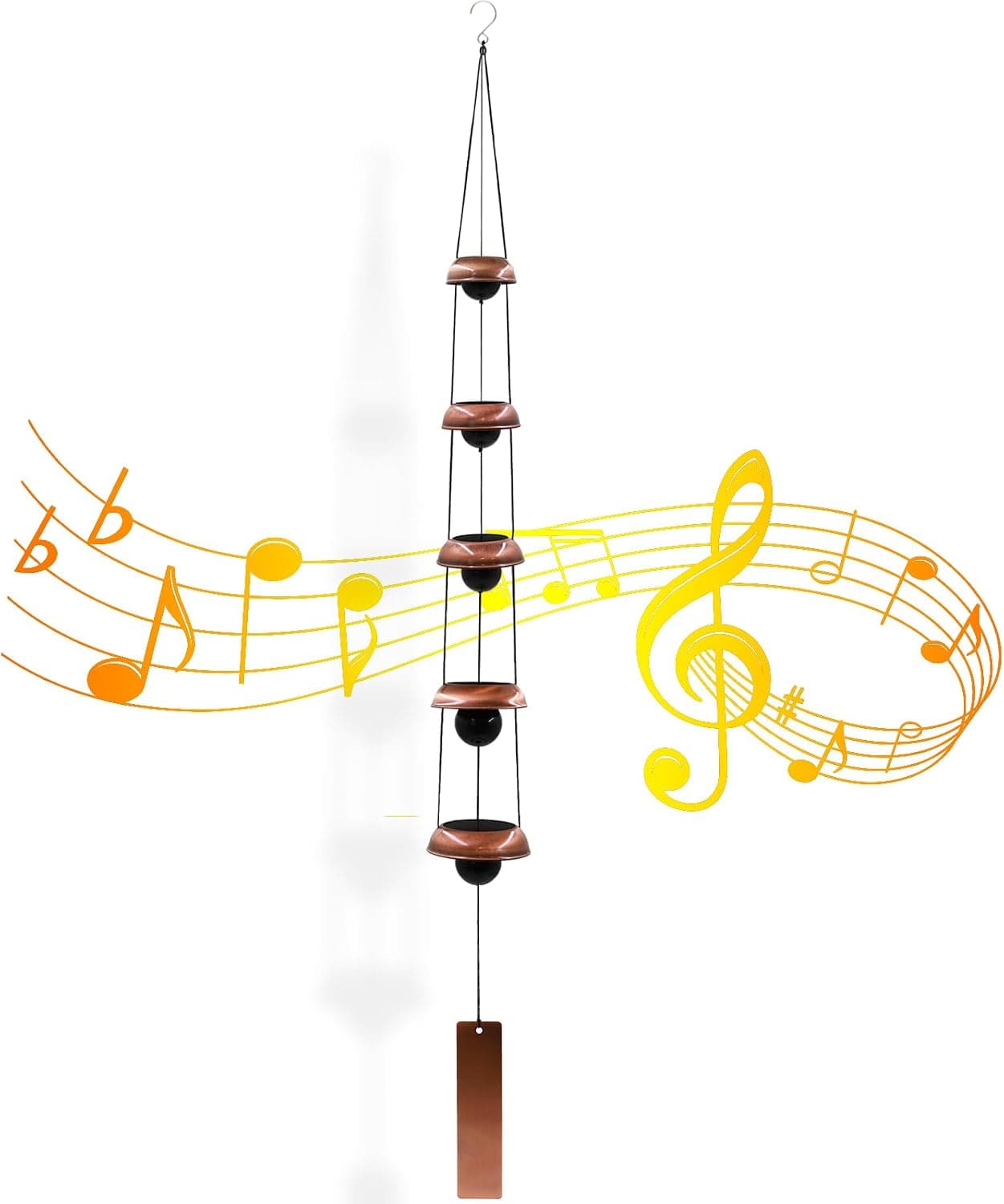 -19%
-19%Wind Chimes for Outside with 5 Bell Unique Copper Musical Chimes Feng Shui Wi...
 -5%
-5%YU FENG Evil Eye Money Tree, Blue Feng Shui Decor with Golden Buddha
 -29%
-29%Karma and Luck March Birthstone Crystal Tree of Life, Aquamarine Gemstone Fen...
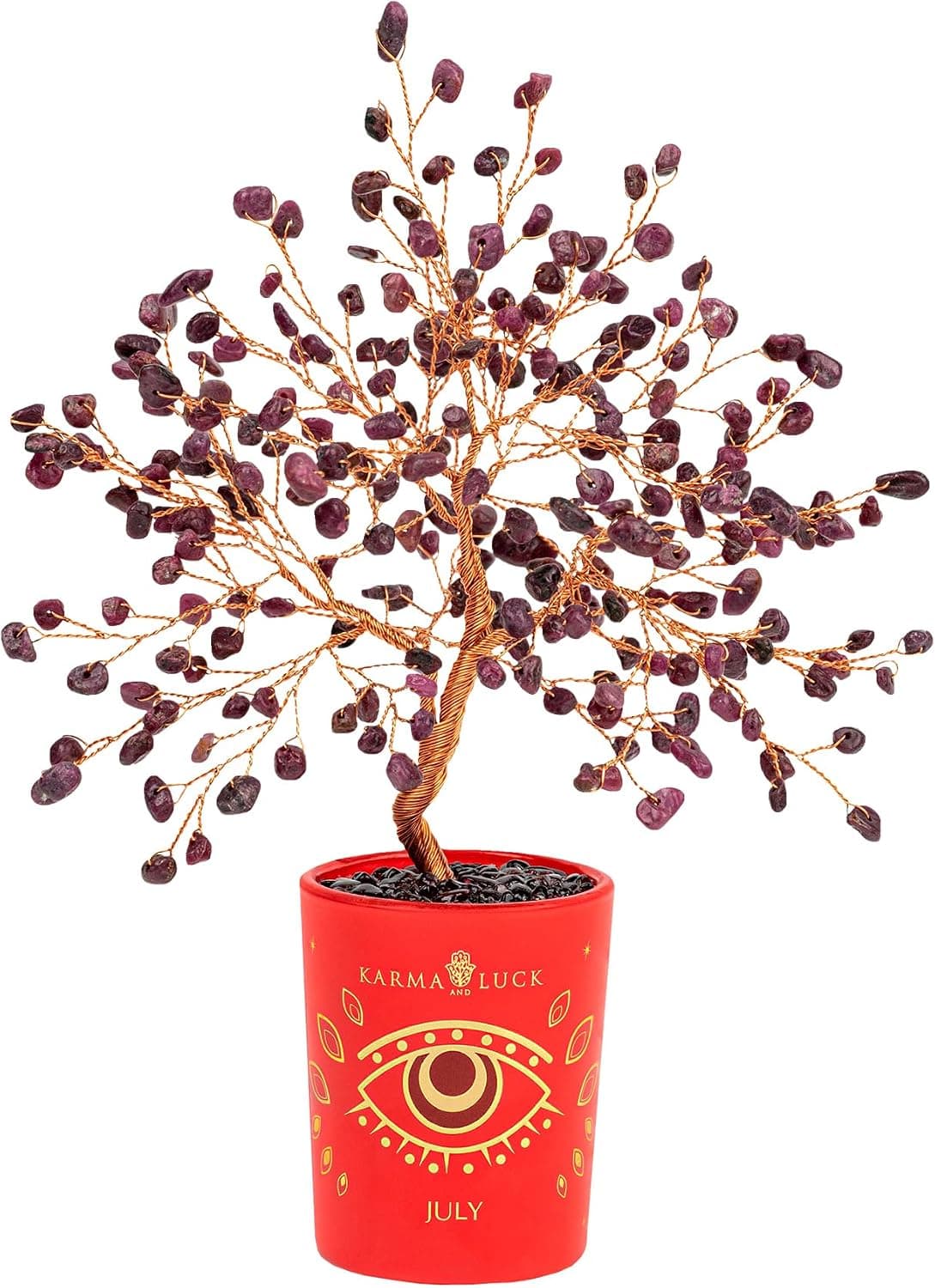 -29%
-29%Karma and Luck July Birthstone Crystal Tree of Life, Ruby Gemstone Feng Shui ...
As an Amazon Associate, we earn from qualifying purchases. We only recommend items our practitioners have personally tested.
Continue Your Journey
Explore these related guides to deepen your understanding:


Ready for Deeper Guidance?
Try our free I Ching reading for personalized wisdom, or explore our curated Feng Shui essentials.