Follow every rule blindly, and a room can still feel wrong because objects move through a home, not ideas.
The Hidden Truth About five elements theory feng shui
when the room is full of real objects, real habits, and real clutter. A person can place a red lamp, a round mirror, and a wooden shelf exactly where a chart suggests, then still sleep badly, argue more, or avoid that corner without knowing why. I've seen that happen in a north-facing bedroom with a cherry-red reading lamp beside the dresser and a metal alarm clock blinking at 3:14 a.m.; the room looked "balanced" on paper, but the body did not agree. The missing piece is the object journey: items are not just symbols, they enter, settle, reflect, block, and finally train behavior.
That matters because the Five Elements do not stay fixed. They move through the path an object takes from doorway to wall to shelf to hand, and each stop changes the story. A bright ceramic bowl on a front table does one thing; the same bowl buried under mail does another. A wooden plant stand at the edge of a sunny room lifts the eye and softens a hard corner, while that same stand shoved behind a sofa becomes a visual apology. This is why some advice sounds correct and still falls flat.
The mechanism starts with input conditions: room shape, light, traffic, and what the eye meets first. Then the first element appears through material, color, and form. Next comes friction or support, depending on whether the object can breathe, be seen, and be used without stress. After that, the space teaches the body a habit. front-door flow works the same way in the entry, and bedroom calm fails for the same reason when furniture blocks movement.
One line from classical practice helps here: form before theory. People skip it because theory feels cleaner. Real homes refuse that neatness. A metal frame near a wooden desk may look like a textbook choice, yet if the chair scrapes the wall every morning and the charging cable drapes across the seat, the room learns tension, not harmony. That is the part most advice leaves out.
How the Mechanism Actually Moves Through a Room
The first stage is contact. You bring an object into a space, and the object immediately meets the room's temperature, angle, and light. A clay teapot on a dark west shelf feels grounded; a glass one on a mirrored tray can feel restless because it catches too much glare. When that glare lands in your peripheral vision all afternoon, you start fidgeting without calling it a feng shui issue. You just say the room is "busy."
Then the object begins to recruit behavior. A brass tray near the door gathers keys, receipts, earbuds, and the little paper tag from a dry cleaner. That is not an abstract energy problem. It is a habit problem shaped by placement. I once watched a narrow foyer with a pale blue umbrella stand and a lacquered wooden bench turn from orderly to chaotic in ten days because the bench sat two steps too far from the shoe rack; people dropped things wherever their arm landed.
Fire, wood, metal, water, and earth are not only colors. They are conditions created by how something feels in the hand, how much shine it gives off, whether it anchors a corner, and whether it invites movement or pause. A red bowl near a stove amplifies activity because both the hue and the location pull attention forward. A stone paperweight on a glass desk does the opposite. It slows the visual pace. That slowing can help a scattered mind, or it can make a small desk feel like a parking ticket.
So the job is not to sprinkle elements around like seasoning. The job is to watch the route an object takes through the room and ask what it trains. Does it gather mail? Does it deflect light? Does it make a path narrower, or does it give the eye somewhere to rest? Once you ask that, the theory becomes useful.
Compass work can help locate sectors, but it cannot tell you whether your bookshelf makes the doorway feel crowded. And mapping the bagua only matters if the things inside each area support the function you actually need there. A wealth corner full of broken storage boxes is not a wealth corner in practice. It is a dumping ground wearing a label.
Why Good Advice Backfires
People often copy the visible part of the rule and miss the pressure underneath it. They hear "add wood" and buy a green plant, then place it beside a drafty window where the leaves curl. They hear "use metal" and fill a desk with shiny organizers that create glare under a white bulb. The form is correct. The outcome is not. Because the object journey was ignored, the room keeps sending mixed signals.
In one compact study with a walnut desk, matte black lamp, and pale oak shelves, the owner had followed every element chart she found online. The result was worse than before: the desk felt crowded, the lamp reflected in the monitor, and papers slid under the keyboard tray until she stopped filing them at all. She said the room felt "organized" and somehow impossible. That sentence tells you everything. Appearance had improved; behavior had not.
Here is the uncomfortable part. A cure that looks elegant can still fail if it interrupts use. A water feature in the wrong place may sound refined, but if you have to walk around it every morning, you will begin to resent the room. A crystal cluster on a shelf may look refined, but if it gathers dust and reminds you to clean it every weekend, it becomes a burden, not a support. Gentle confrontation: pretty is not the same as effective.
The better test is simple. Can you move through the room without dodging, pausing, or rearranging your posture? If not, the object has already done its work, and the work is not subtle. bed placement rules matter for this reason, and so do wealth-corner mistakes that look harmless until the mail piles up in that exact spot.
Three Adjustment Points That Change the Outcome
Start with visibility. Put the item where the eye can meet it without strain. A wood object supports growth when it sits in daylight, not in a shadowed alcove where it becomes forgotten. A metal object clears clutter when its edges are clean and its surface is not reflecting ceiling glare. A water image works best when it feels calm and contained, not like a screen fighting for attention.
Next, change distance. Three feet can save a room; six inches can ruin it. A red accent on a shelf across the room can energize the space without shouting, while the same red object on a bedside table may keep your nervous system awake. Placement is not a slogan. It is geometry. The body notices scale before the mind writes a story about it.
Third, check use. If the object has to be moved every time you sit down, it belongs elsewhere. If it supports a repeated action—putting on shoes, setting down keys, reading at night—it will reinforce the behavior you want. That is why a sturdy tray near the door can be more useful than a decorative statue on a console. One gets used. One gets admired. Those are not the same thing.
Small changes matter because they reduce friction at the exact point where the habit forms. A woven basket under an open shelf can stop loose items from spreading across the floor. A rounded ceramic planter can soften a sharp cabinet edge in a dining room. A black-framed clock moved away from the bed can quiet the visual noise that keeps waking you at 2:00 a.m. Nothing mystical there. Just a room teaching the nervous system what to expect.
plant placement gives a clean example: a healthy plant in the right light supports upward movement, but a struggling plant in the wrong corner broadcasts neglect every time you pass it. The element is not just the plant. It is the whole sequence—light, care, sightline, and whether you keep walking past it with guilt.
What People Miss When They Chase the Elements
They treat the elements like separate boxes. Real rooms behave more like a relay. Wood feeds fire, fire creates ash, ash returns to earth, earth yields metal, metal condenses water, and water nourishes wood. In practice, that means one object can affect the next object because the eye keeps moving. A long oak table, a brass lamp, a glass vase, and a terracotta bowl do not sit in isolation. They form a chain of impressions.
That chain is why a room can feel off even when every item is "correct." If one object is too shiny, it pulls the eye and steals the quiet from everything nearby. If one corner is too dark, it absorbs attention and makes the rest of the room seem unfinished. If one surface is overloaded, the entire room starts to feel like a task list. The elements are the language. Sequence is the grammar.
Questions help more than rules here. What happens when you enter? Where does your gaze stop? Which object makes you slow down, and which one makes you leave the room without noticing? Those answers reveal the mechanism faster than color charts do.
why balanced decor can still feel wrong becomes obvious once you see that a room can satisfy the theory and still fail the lived experience. Balance on paper does not guarantee ease in the body. A home is judged at the level of breath, posture, and routine.
Where the Theory Helps Most
Bedrooms, entries, worktables, and kitchen counters respond quickly because they are used every day. In a bedroom, a heavy wooden headboard can steady the room, but if it towers too high and the bedding is already dark, the atmosphere may turn dense. In an entry, a metal bowl for keys can organize the first five seconds of arrival, though it should not sit where it clashes with a narrow passage. In a work area, a plant can soften mental strain, yet only if it receives enough light to stay alive without constant rescue.
Kitchen counters are especially revealing. A knife block in view, a bright red kettle near the stove, and a glass jar of utensils can create a fast, energetic rhythm that works for some households and frays others. You can feel it the moment you cook. The counter becomes a stage, and the body acts accordingly. knife placement in the kitchen matters more than people expect because sharp visual cues change how safe the room feels, even before anyone cuts an onion.
Money areas are often handled badly because people mistake accumulation for support. Coin objects can be useful, but only when they sit where they can be seen and handled with intention. A hidden pile in a drawer does nothing except collect dust. coin placements that feel orderly work when they reduce chaos instead of adding another thing to clean.
The same principle reaches the whole home. A front door that opens into clutter sends a different message than one that opens onto a clear mat, a lamp, and a single place for shoes. A bedroom that breathes sends a different message than one packed with storage under the bed. That is why a cluster guide like front-door design in practice belongs in the same conversation as elements theory. The object journey starts at the threshold.
Quick Start: Use the Room, Not the Poster
Begin with one object. Move it one step closer to the function it should support, then observe the result for three days. If it gathers the right things, stays clean, and does not interrupt movement, keep it there. If it creates new friction, move it again. The room will tell you faster than a chart will.
Then test another item in the same way. Not everything needs a redesign. Often the entire problem is one lamp, one shelf, or one misplaced basket. Remove the item that causes the most visual strain first. Add support only after the path feels open.
Do not chase a perfect color match. Chase usefulness. A blue object can calm one room and flatten another. A wood tone can warm a study or make a narrow hall feel cramped. The result depends on what the object meets on its journey.
That simple approach keeps you from turning the home into a laboratory. It also keeps the theory honest. The elements should explain the room, not boss it around.
FAQ
Is conventional five elements theory feng shui advice reliable?
Not by itself. The advice often names the right element but ignores the route the object takes through the room, so the result can look correct and still feel wrong.
How do I know whether an object is helping or hurting the space?
Watch behavior, not theory. If people avoid the corner, drop mail on the table, or keep shifting the lamp, the object is causing friction no matter how symbolic it seems.
Can I mix elements in one room?
You should, but not randomly. A room needs sequence, contrast, and breathing room, so the elements should support one another rather than compete for attention.
What should I fix first in a home that feels off?
Start at the point of first contact: the entry, the bedside, or the desk. Those places reveal the mechanism quickly because they shape arrival, rest, and focus before the rest of the house has a chance to interfere.
Does this mean decorative cures are useless?
No. Some are useful when they support behavior, reduce glare, or restore flow. The issue is never the object alone; it is where the object sits, what it meets, and what it trains you to do next.
Why do some rooms feel good even with very little decor?
Because the sequence is clean. Space, light, and movement can do the heavy lifting when the room is not crowded by objects that demand attention every time you walk by.
The odd thing is that once you start noticing the object journey, the home gets harder to ignore. A brass tray catches the keys. The keys catch your hand. Your hand catches your mood. And a quiet room in the late afternoon can still hold one red lamp blinking near the edge of a shelf, waiting to be moved one inch or left exactly where it is.
Mei Chen
Traditionally informed guidance • Cross-referenced with classical Chinese source texts
Content draws from both Compass (Luopan) and Form (Xingshi) school traditions. Illustrative examples are composites based on consultation experiences.
Practitioner-Selected Tools for This Topic
Items our team has tested and found effective for the principles discussed above. Individual results may vary.
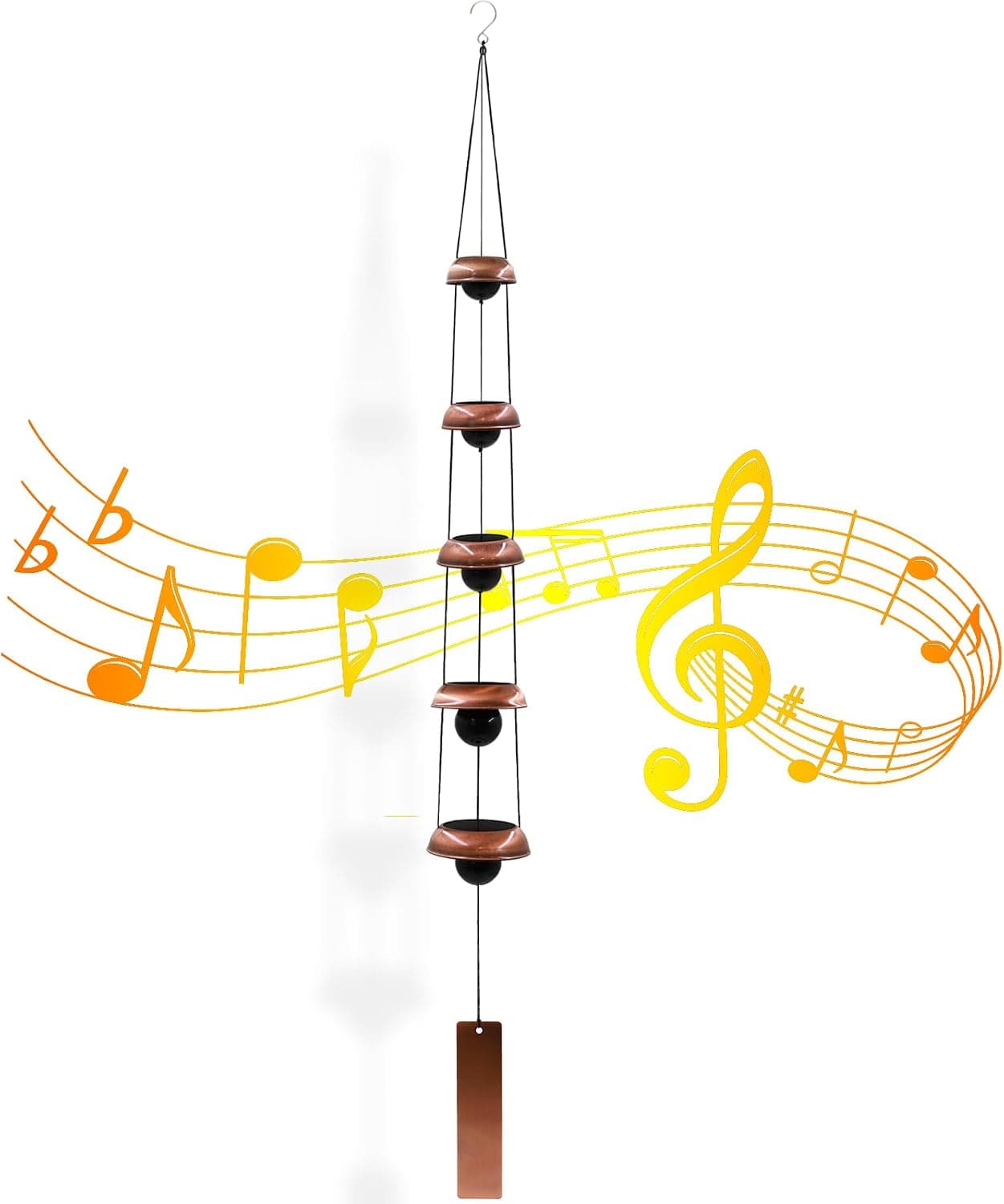 -19%
-19%Wind Chimes for Outside with 5 Bell Unique Copper Musical Chimes Feng Shui Wi...
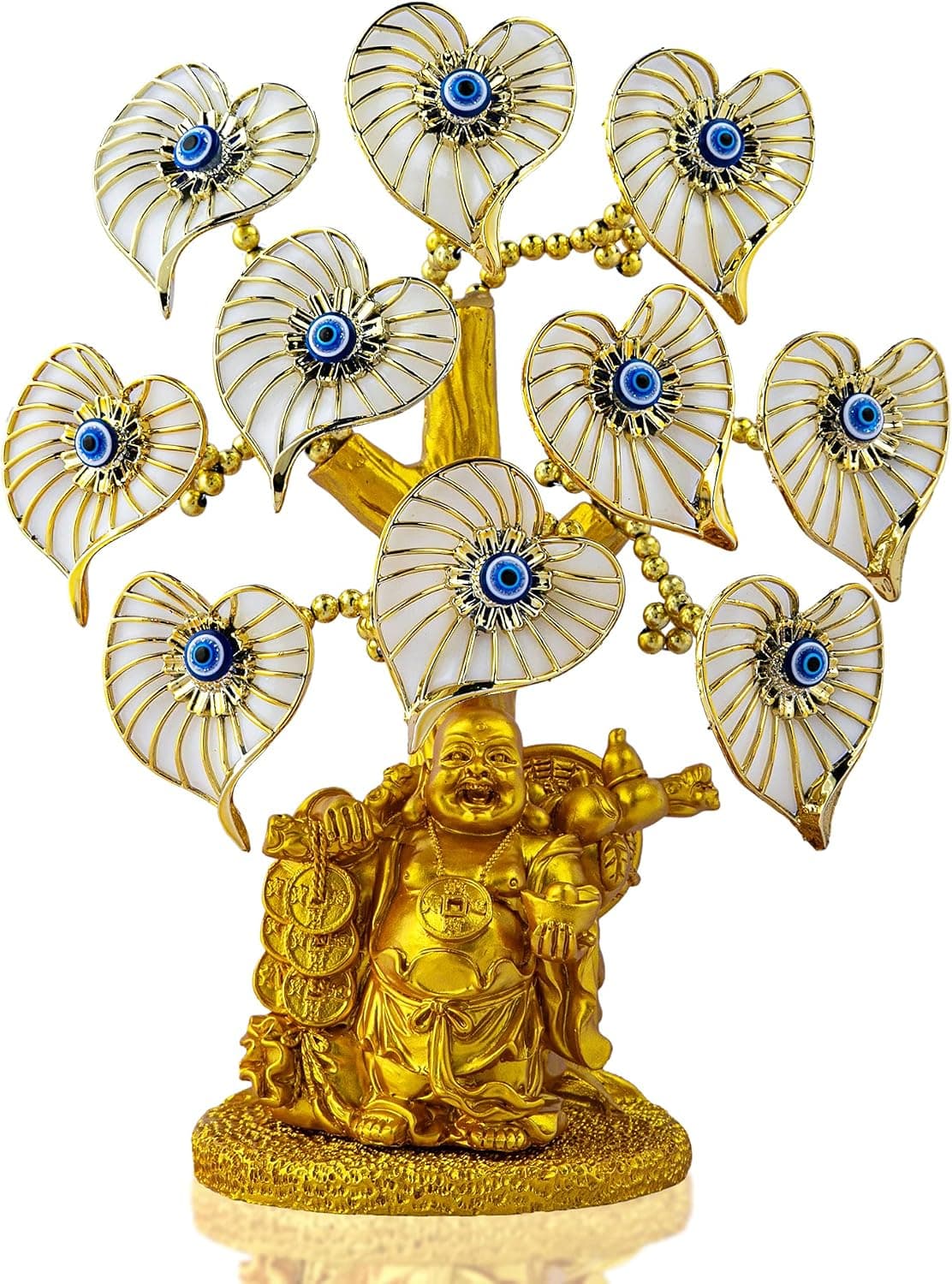 -5%
-5%YU FENG Evil Eye Money Tree, Blue Feng Shui Decor with Golden Buddha
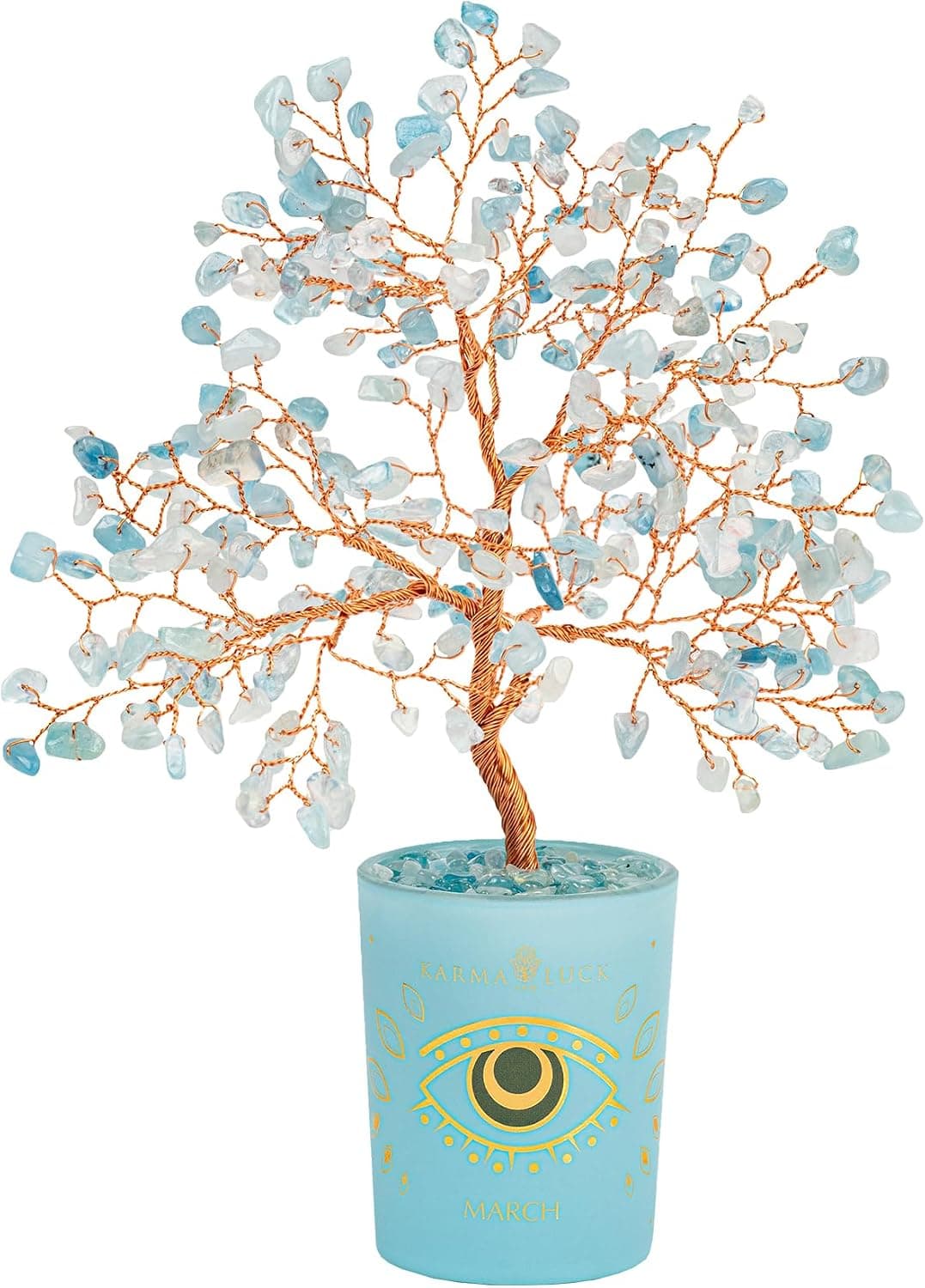 -29%
-29%Karma and Luck March Birthstone Crystal Tree of Life, Aquamarine Gemstone Fen...
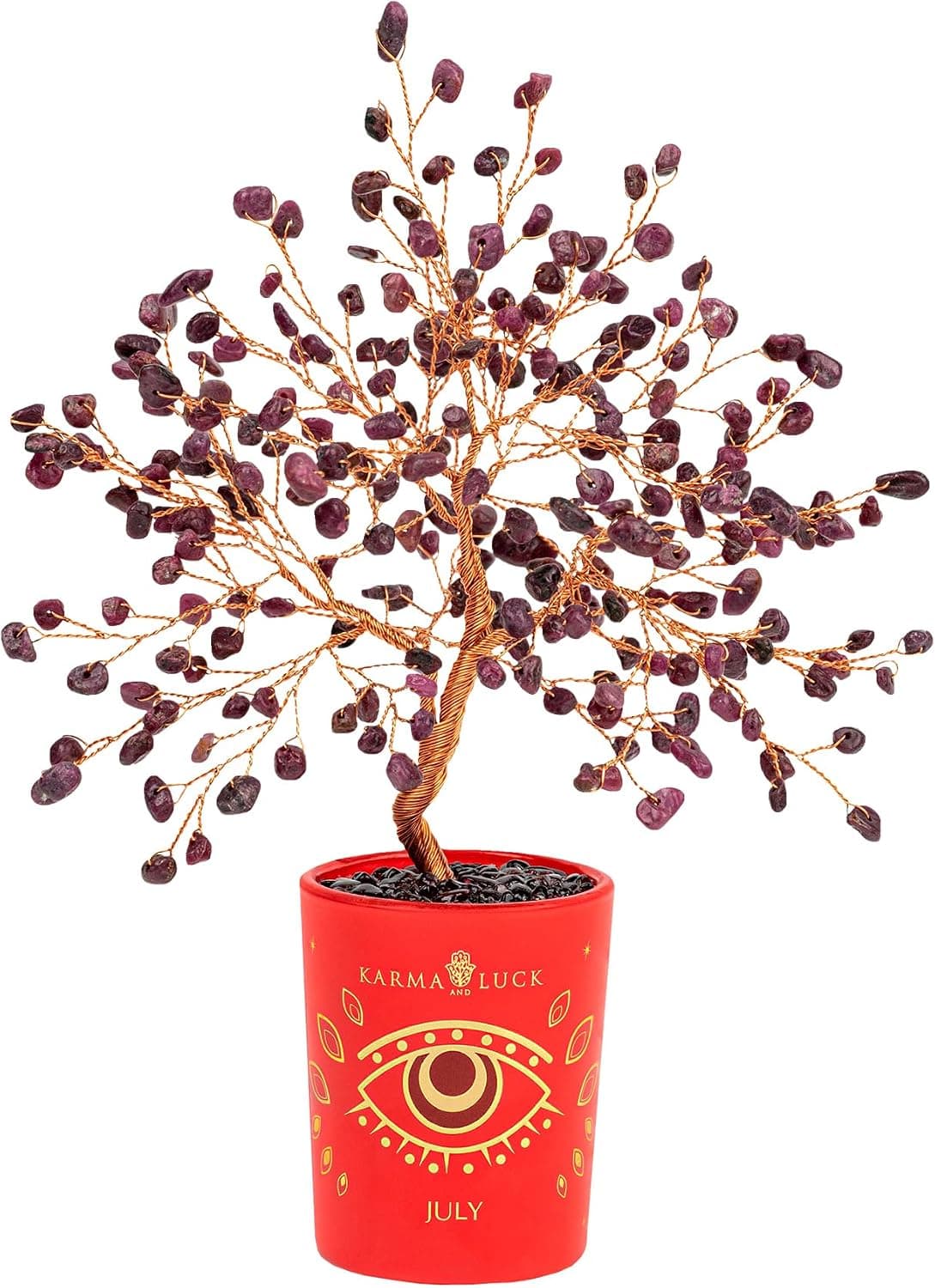 -29%
-29%Karma and Luck July Birthstone Crystal Tree of Life, Ruby Gemstone Feng Shui ...
As an Amazon Associate, we earn from qualifying purchases. We only recommend items our practitioners have personally tested.
Continue Your Journey
Explore these related guides to deepen your understanding:


Ready for Deeper Guidance?
Try our free I Ching reading for personalized wisdom, or explore our curated Feng Shui essentials.