A clean front room can still feel wrong if the doorway sightline lands on clutter, glare, or a hard edge.
The Hidden Truth About east facing house tips feng shui
I saw it in a narrow entry with pale oak floors, a black umbrella stand, and a bright white wall straight ahead of the front door; the homeowner had done everything “right,” yet the house felt tense the moment you stepped inside. Her sofa had been pushed to the east wall, her money plant was healthy, and a lucky red accent sat beside the hallway mirror. Still, people lingered near the threshold and then drifted into the kitchen without taking off their shoes. The room was technically arranged, but the first view was restless.
That is the part most advice misses: the doorway decides the story before the rest of the house gets a chance to speak. East-facing homes are often treated as if direction alone settles everything. It doesn't. What you see from the entrance can either invite qi to settle or make it sprint away, and the fastest way to lose it is a sightline that lands on something sharp, empty, or emotionally loud.
I've seen bedrooms, studies, and front halls where the east orientation looked promising on paper and awkward in real life. The fix was rarely dramatic. Move the chair two feet. Turn the hallway art. Softening one direct line changed the whole pace of the room.
That surprised the homeowner I mentioned. She had read enough online advice to trust the compass more than her own eyes. Then she stood at the door, looked straight past the runner rug, past the hall table, and saw a mirror catching afternoon light like a signal flare. Quietly, she said, “I never noticed that before.” Of course she hadn't. We get used to our own sightlines.
For a deeper foundation on the shape of a home rather than a single sector, I often point readers to how to map energy in your home without overthinking it. The map matters, but so does the first thing the eye meets. A house can have a favorable east sector and still feel clipped at the threshold.
What the Doorway Reveals Before the House Does
Stand at the front door and look in. Do your eyes hit an open run of space, or do they crash into a table corner, a mirror, or a wall of storage baskets? The body answers that question faster than the mind does. Open sightlines tend to lengthen the breath; blocked or over-bright ones tighten it. That tiny physical response is often the first clue that the house needs adjustment.
In east-facing homes, this matters even more because morning light can sharpen whatever sits in the line of entry. A white console with glossy vases can feel crisp at 8 a.m. and abrasive by noon. A dark shoe cabinet can make the same hall feel narrower than it really is. Neither object is “bad” on its own. Placement decides the effect.
One common mistake is trying to fix the whole house with a symbol while ignoring the view from the threshold. Coins in a drawer won't calm a hallway that feels like a tunnel. You need the space itself to stop shouting. If you want to see how small objects behave once the entry is already stable, coin placements that make money feel managed, not chaotic are useful after the room is no longer visually frantic.
Sight first.
Then symbolism.
That order is not trendy. It is practical. A threshold that feels overstuffed makes guests hesitate, and residents do the same thing without noticing: coats stay on, mail piles up on the nearest surface, and the house starts collecting unfinished tasks. Once that pattern sets in, even a beautiful east room can feel like it is holding its breath.
The Scene I Keep Seeing in East-Facing Houses
Picture a small entry hall with a jade-green mat, a round brass mirror, and a narrow bench pressed against the north wall. The front door opens toward the east, but the first thing visible is not the garden or a passage into the home. It is a sharp reflection of the opposite wall and the edge of a staircase. The energy doesn't have anywhere gentle to land, so it ricochets.
Now add the human response. Shoes get dropped in a hurry. Someone leaves a tote bag on the bench because the surface feels temporary anyway. The dog circles once and lies in the middle of the walkway. None of this looks dramatic. All of it shapes how the house behaves.
The correction is usually simple and a little boring, which is why people resist it. Place something soft in the line of sight: a plant with rounded leaves, a textured screen, or art that offers depth instead of glare. Shift the mirror so it reflects a calm interior wall rather than the entire entry. If the door opens and the eye can rest within a few steps, the whole front zone stops acting like a corridor and starts acting like a pause.
That pause is where east-facing homes often do their best work. Morning light enters cleanly. Movement feels lighter. Conversations begin without that irritated edge that makes everyone speak too fast. The home doesn't become magical; it becomes readable.
For the entry itself, I also link readers to the alcove advantage that changes a front door fast, because the front door is not a decorative afterthought. It is the first sentence your house writes.
Why Common Advice Backfires
People love rules that sound tidy. Put red here. Place wood there. Activate the east side and you're done. That kind of advice feels reassuring because it promises control. Yet a room is not a spreadsheet, and the eye is not fooled by a neatly labeled cure.
One east-facing dining room I reviewed had a crimson runner, a tall ficus, and three wooden stools lined up with military precision. It should have looked lively. Instead, the room felt unsettled because the doorway saw too much contrast at once: red, glossy metal, dark glass, and a mirror opposite the entry. The family ate quickly and left the table half-used. Nobody said the room felt wrong. Their behavior did.
What actually helps is reading the first visual contact as if it were a weather report. Soft edges lower tension. Too many hard angles at eye level create a nervous pace. A bright lamp directly in view can make a hall feel exposed, while a dim corner at the end of the sightline can feel unfinished. You are not decorating for a photo. You are editing how the nervous system enters the space.
That is why I challenge the idea that east-facing homes need a fixed prescription. They need a clean arrival. Once that is in place, other elements start to make sense instead of competing with each other. If fire colors dominate the entry, the place can feel impatient; if the wood is present but invisible in a cluttered hall, it may as well not be there. Balance appears through sequence, not slogans.
For a closer look at one element that people often overuse, fire energy at home that won't settle — and what to do about it shows why brightness must be handled, not worshiped. Too much glare near the door can push a calm house into restlessness.
How to Test Your Own Threshold
Do this tonight: stand outside your front door, take one slow breath, and open it halfway. Before you step in, notice the first five things your eyes catch. Maybe it's a rack of keys, a shoe pile, a mirror, a hallway rug with a loud pattern, and a stair landing with no visual anchor. Write them down. People are often shocked by how aggressive that first view can be once they look with fresh attention.
Then repeat the test from inside the house. Stand with your back to the entry and look outward. If the door frame feels like it is pulling your attention right back outside, the space may be leaking momentum. A small bench can slow that feeling. So can a plant positioned off-center, three feet from the right side of the door, where it softens the exit without blocking movement.
I once watched this in a home office near the front hall. The owner had a steel filing cabinet directly across from the entrance and a blue print above it. The first glance was all business, no welcome. After we moved the cabinet beside the wall and replaced the print with a landscape that receded into distance, the room changed in seconds. She sat down differently. Even her voice lowered.
Not mystical.
Noticeable.
If you want a broader sense of how the rest of the home can amplify that shift, see your apartment has too much yang energy. That's why you can't relax. The threshold is where yin and yang begin negotiating with each other, and the doorway decides which side gets the first word.
The East Direction Still Matters, Just Not Alone
East carries a moving, rising quality. In classical language, it is linked with growth, spring, and the kind of motion that begins before anyone else notices. That makes it useful for homes that need momentum. But a direction without context is only half the reading. A brilliant east sector hidden behind a cluttered foyer may never get the chance to express itself.
That is why I treat the doorway as a filter. It sorts what comes in. It also shapes how people leave. A home with a clear threshold often produces better routines, not because it granted permission, but because it reduced friction. You hang the coat instead of dropping it. You notice the bill instead of losing it in the mail pile. Small changes, yes. They stack.
In one apartment, a front hall faced east and had a long line to the living room. The owner kept a tall bookshelf in that path because it looked “balanced.” The result was a visible narrowing, and every visit started with a slight pause from guests. We replaced the shelf with a lower console, moved the lamp to the side, and left a blank portion of wall ahead so the eye could travel. The place immediately felt less crowded, though nothing essential had been removed.
There is a practical reason for this. Humans trust spaces that show their depth. When the entrance reveals too much at once, the mind braces. When it reveals just enough, the body settles. That is the logic behind many of the old forms, even when modern readers reduce them to checklist items.
For readers who want to understand the measuring tools behind the advice, reading a feng shui compass wrong is more common than you'd think is worth a look. Still, the compass never replaces what your feet and eyes tell you at the door.
Practical Ways to Fix the View Without Overdoing It
Start with subtraction. Remove one object that competes with the doorway sightline. Then decide whether the eye needs a soft landing point, a line of depth, or a little enclosure. A round table can calm a sharp hall corner. A textured runner can slow the pace of a long corridor. A plant can work only if it does not become another obstacle. The goal is not to decorate harder. The goal is to make arrival feel intentional.
Color plays a role, but not the cartoon version people expect. In an east-facing house, fresh greens and light woods often help the front zone feel alive without becoming loud. A pale stone tray, a muted teal vase, or unfinished oak can support the sense of growth the direction already carries. If the entry is already bright, avoid making it shinier. Reflection near the door is easy to overdo.
Mirrors deserve special care. They can enlarge a cramped hall, but they can also fling movement back toward the threshold. If you can stand at the door and see the mirror before you can see a place to rest your eyes, that mirror is doing too much. Shift it sideways or move it deeper into the home where it reflects something calm, such as a plant corner or a framed landscape.
Light should be readable, not theatrical. A warm lamp in the hallway can be more useful than a cold ceiling light that flattens the space. If the entry gets strong morning sun, a sheer curtain or reed screen may soften the edge without dulling it. Small physical changes often beat elaborate cures because they address the actual experience of entering, not the fantasy of an ideal layout.
And yes, sometimes the hallway itself needs help. A narrow passage that slices straight through the house can pull qi too quickly. In that case, a gentle interruption — a bench, a plant, a low cabinet, even a change in rug texture — slows the rush. The house begins to feel inhabited rather than streamed through.
For households where the bedroom sits near that fast-moving path, bedroom rules that affect both sleep and relationships can keep the entry rhythm from invading the place where people actually need to rest.
When the Advice Sounds Right but the House Says No
That backfiring feeling is familiar. Someone follows all the expected steps, buys the right objects, and still notices more tension than before. Usually the error is not the direction. It is the sequence. They treated the east sector like a slogan and ignored what the doorway was broadcasting at eye level.
I've seen this with a pale blue entry mat placed under a dangling pendant light, a bronze sculpture facing the door, and a key bowl so crowded it looked like a pocket emptying onto a table. Each item may have been acceptable in isolation. Together, they made the front hall feel busy before anyone had even taken off a coat. The residents started speaking in shorter sentences, and the house took on that clipped rhythm.
The door noticed first.
Once you correct the view, the rest becomes easier to read. Then a money corner cure can do its job without competing with the threshold; then a bedroom adjustment can work without fighting hallway traffic. If wealth feels scattered, the issue may begin at the front and only show up later in the back of the house. That is why I recommend looking at the threshold problem behind wealth corner mistakes before you buy another fix for the wrong room.
FAQ
Is conventional east facing house tips feng shui advice reliable?
Often not by itself. Direction matters, but the doorway view decides whether that direction can actually express itself. A house can be east-facing and still feel blocked if the first sightline lands on clutter, glare, or a hard edge.
What should I look at first when standing at my front door?
Look at whatever grabs your eyes in the first three seconds. If the answer is a mirror, a stack of shoes, or a sharp corner, start there. The eye usually shows you the problem before your mind finds words for it.
Can a mirror at the entry be okay?
Surprisingly, yes — if it reflects calm space rather than the door itself or a visually noisy wall. A mirror that amplifies light without bouncing attention back outside can work. One that bounces the whole hall around usually makes the entry feel twitchy.
Do I need to change the whole house if the front hall feels wrong?
No. Begin with the threshold and the first visual line, then see what changes in how people move. A better arrival often improves the mood of the rest of the house without a complete overhaul.
The house in that first scene still had the same east exposure after we changed it. The difference was that the front door no longer announced a rush of visual noise. From the sidewalk, the brass mirror was gone, the hallway lamp was warmer, and the first thing visible was a narrow stretch of wall with a single green branch in a ceramic bowl. You could almost feel the pause before stepping in.
Mei Chen
Traditionally informed guidance • Cross-referenced with classical Chinese source texts
Content draws from both Compass (Luopan) and Form (Xingshi) school traditions. Illustrative examples are composites based on consultation experiences.
Practitioner-Selected Tools for This Topic
Items our team has tested and found effective for the principles discussed above. Individual results may vary.
 -19%
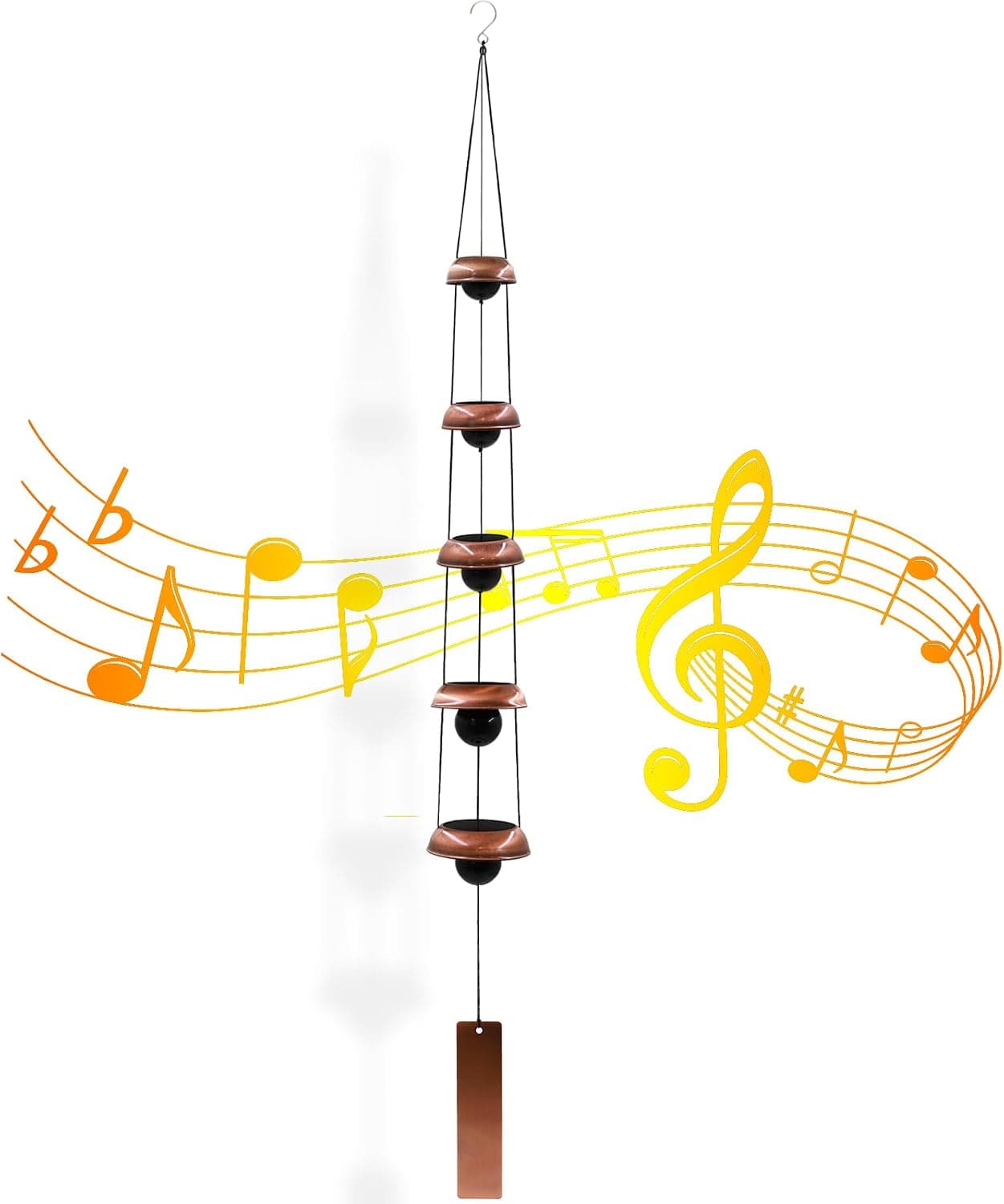
-19%Wind Chimes for Outside with 5 Bell Unique Copper Musical Chimes Feng Shui Wi...
 -5%
-5%YU FENG Evil Eye Money Tree, Blue Feng Shui Decor with Golden Buddha
 -29%
-29%Karma and Luck March Birthstone Crystal Tree of Life, Aquamarine Gemstone Fen...
 -29%
-29%Karma and Luck July Birthstone Crystal Tree of Life, Ruby Gemstone Feng Shui ...
As an Amazon Associate, we earn from qualifying purchases. We only recommend items our practitioners have personally tested.
Continue Your Journey
Explore these related guides to deepen your understanding:


Ready for Deeper Guidance?
Try our free I Ching reading for personalized wisdom, or explore our curated Feng Shui essentials.