A table can look perfect and still feel wrong when the room keeps pulling people up and away.
What Most Guides Overlook About Feng Shui Dining Table Shape And Size
Something about mapping a room properly changes the whole conversation. A round oak table in a Toronto loft once looked ideal on paper: no sharp corners, generous seating, warm finish, plenty of room around it. Yet every dinner there felt unfinished. People ate fast, stood early, and drifted toward the stair landing with their wine glasses still half full.
The owner had followed every familiar rule she found online. She bought the “best” shape, measured clearance down to the inch, and chose a table big enough for six. Still, the room behaved like a hallway with manners. That is the staircase effect: vertical movement interrupts rest, and a dining table sitting near stairs has to fight a stronger current than shape alone can solve.
Common advice treats the table like a standalone object. Big mistake. A room is not a catalog photo. If the table sits under a staircase, beside an open run of steps, or on the same visual line as a landing, the body reads motion, not settling. People lean forward. Conversations shorten. You can feel it in the shoulders before you can name it.
So yes, shape matters. Size matters too. But placement has the louder voice, especially when the staircase cuts through the qi like a vertical draft. If you want to understand how the center of a shared room changes behavior, look at how people move, not just where the furniture sits.
Why the Staircase Changes the Meaning of the Table
A staircase introduces upward and downward momentum. That sounds abstract until you sit beside one. You hear footsteps overhead. You catch a shoulder on the banister line. You know, somewhere in your nervous system, that the room is connected to another level and never fully enclosed. Dining asks for a different rhythm: pause, chew, stay, talk. The stairway keeps saying move on.
That is why a large table can fail where a modest one succeeds. Oversizing near steps creates pressure. The table starts to feel like an obstacle course, and guests unconsciously protect their elbows, angle their chairs, and avoid lingering. Smaller proportions often work better when the room already has enough visual activity from stairs, railings, or open sightlines.
Shape only becomes meaningful after that larger context is settled. Round tables soften a harsh vertical edge. Rectangular tables can steady a long room if the stairs are outside the immediate eating zone. Square tables ask for balance and symmetry, which is hard to maintain when one side of the room is being pulled upward by architecture. The wrong assumption is that one shape “wins.” It doesn’t. The room decides first.
Chinese metaphysics has always cared about movement through space, not just objects in it. The dining area belongs to gathering, the staircase to transit. Put them too close together and the message gets scrambled. You may not notice it on day one. By week three, the family is eating in shifts. By month two, the table becomes a place to drop bags, mail, and unopened takeout containers. Not because the table failed. Because the room never agreed on what it was for.
When Conventional Advice Backfires
“Get a round table for harmony.” That line gets repeated so often it sounds like law. But harmony is not produced by shape in isolation; it emerges when the table can hold attention. I’ve seen a round table placed directly beneath a staircase in a narrow Victorian house, painted cream, with a brass pendant hanging too low over the center. It looked gracious in photographs. In daily use, the family ate standing up. One son kept taking his plate to the sofa. The mother said the room made her feel watched and rushed at the same time.
Rectangular tables get blamed unfairly. In a calm, level room they can anchor conversation beautifully, especially when the long side faces the main flow and the ends are not crowded by traffic. Near stairs, though, a long table can stretch the feeling of instability if one end points at the ascent. That creates a visual arrow. People read it quickly, even if they never describe it that way.
Size has its own trap. Bigger is not safer. Too much surface near a staircase can feel like a landing pad for everything the household is trying to avoid. Keys, laptop bags, homework, bills. The table becomes a buffer zone instead of a dining place. Then no one is surprised when dinner gets shorter and the conversation turns transactional.
One spring evening I walked into a Brooklyn brownstone dining room with dark green walls, a walnut trestle table, and a steep stair rising just four feet from the table’s nearest corner. The owner had added a bowl of oranges, a linen runner, and two candles because she’d read that “warmth” would fix the space. It didn’t. The candles only highlighted the upward pull. We shifted the table fourteen inches away from the stair line, swapped the runner for a quieter surface, and turned the chairs so no seat faced directly into the steps. The room softened in three days. By the next Sunday, people stayed for dessert without being asked.
What Actually Works Near Steps
Start with the room’s movement map. Stand at the main entry and look toward the table. Then glance at the staircase. If your eye travels from door to table to stairs in one sweep, the dining area is absorbing transit energy whether you want it or not. That is the point where proportions must compensate. A table that is slightly smaller than you expected often performs better than a grand one that crowds the passage.
Distance matters more than decoration. Give the table enough breathing room that chairs can pull out without bumping the stair zone. Leave a clear path so nobody has to twist sideways with a serving dish. If the staircase is open and visible, create a visual pause between the two zones with a rug, a sideboard, or a pendant light that defines the eating area without pressing down on it.
Shape should answer the room, not the other way around. In a compact space with stairs nearby, a round or oval table can reduce the feeling of edges and soften the vertical tension. In a wider room where the stairs sit farther back, a rectangle can work if its long axis doesn’t aim directly at the stair run. Square tables are the least forgiving when the room already feels restless; they can be used, but only when the surrounding layout is quiet and symmetrical.
Pay attention to the chairs. Oversized dining chairs near a stair can make the setup feel heavier than it needs to be. Slimmer backs, lighter upholstery, and a finish that echoes the floor or trim help the table belong to the room instead of fighting it. People think the cure begins with buying a different table. Often it begins with removing the visual clutter around the one you already own.
That is where room-specific calming principles and dining space logic overlap: the goal is not decoration, it is settled attention. A space can look polished and still keep everyone on edge. You know it when no one wants to be the last person at the table.
The Mistakes That Keep the Room in Motion
Placing the table directly under an open staircase feels clever because it uses space efficiently. In practice, it creates a ceiling that keeps sinking toward the meal. People eat under that angle and unconsciously hurry. Sleepy weekend breakfasts turn into quick fuel stops.
Oversizing the table is another easy mistake. It feels generous, even impressive, until the chairs pinch the walking path and the family starts squeezing past the stair rail with dishes in hand. Then the table stops serving meals and starts policing circulation. See the difference?
Ignoring the line of sight is worse than any style choice. If the first thing you notice from the front door is the stairs climbing behind the dining set, the room never fully settles. Your guests may compliment the space and still refuse seconds. That split is the clue.
Matching the table to the staircase material can also go sideways. A heavy dark table beside an exposed metal stair can make the room feel top-heavy. A glass top near an open riser may amplify the sense of exposure rather than reducing it. The fix is not always “lighter” or “simpler.” Sometimes it is texture, sometimes it is weight, and sometimes it is just moving the table so the architecture stops shouting over dinner.
People often think the answer is more cures. Usually it is fewer interruptions.
For readers who want to avoid the usual traps, these dining-adjacent mistakes around shared spaces show how quickly a room can lose its usefulness when one feature dominates the rest.
How to Choose the Right Table for a Stair-Interrupted Room
Begin with proportion. Measure the table against the usable floor, not the entire room. A dining set that looks fine in the store can become clumsy once chairs are pulled out and the stair landing enters the equation. Leave enough room for movement, then shave a little more. The first instinct is usually too large.
Next, decide what kind of motion the room already has. A straight run of stairs introduces a stronger directional pull than a tucked-away stair with a wall beside it. Open risers intensify the effect. If the staircase can be seen from the chair backs, your table needs to work harder to create containment.
Then match shape to the room’s dominant line. Round and oval tables help if the space feels sliced by hard angles. Rectangles make sense when the dining zone itself is long and the stair occupies one end of the visual field. Square tables only behave when the room is stable enough to make them look intentional rather than stubborn.
Finally, test it at night. The effect changes when the lights are on, shadows lengthen, and the staircase becomes a darker shape behind the meal. Sit there for twenty minutes. Listen for the impulse to get up, check the hallway, or drift to another room. That urge tells you more than any product description ever will.
If you want a related lens on room flow, the balance between active and quiet areas in modern homes explains why some spaces feel compelling but never restful. The dining room should invite return, not escape.
FAQ
Is conventional Feng Shui Dining Table Shape And Size advice reliable?
Not on its own. A beautiful table can still fail if a staircase pulls attention upward or creates a corridor feeling around the meal. The room’s movement pattern matters more than any one shape rule.
Should I always choose round over rectangular?
No. Round tables soften tension, but they can also look stranded in a narrow room or oversized near steps. Rectangular tables can be excellent when the space is calm and the long edge supports rather than slices the layout.
What if my dining table is already near the stairs?
Work with distance first, then with sightlines. Shift it even a few inches if you can, define the eating zone with a rug or light, and stop the chairs from intruding into the stair path. Small changes often produce the biggest shift in how long people stay.
Does a bigger table bring better family energy?
Only when the room can hold it. Otherwise, the extra surface becomes visual noise and the chairs start crowding the walkway. People don’t gather more easily just because the table is larger; they gather when the space gives them room to settle.
Some rooms ask for a table. This kind asks for a pause at the stair line, a slower breath, and a seat that doesn’t feel like it might need to get out of the way.
Mei Chen
Traditionally informed guidance • Cross-referenced with classical Chinese source texts
Content draws from both Compass (Luopan) and Form (Xingshi) school traditions. Illustrative examples are composites based on consultation experiences.
Practitioner-Selected Tools for This Topic
Items our team has tested and found effective for the principles discussed above. Individual results may vary.
 -19%
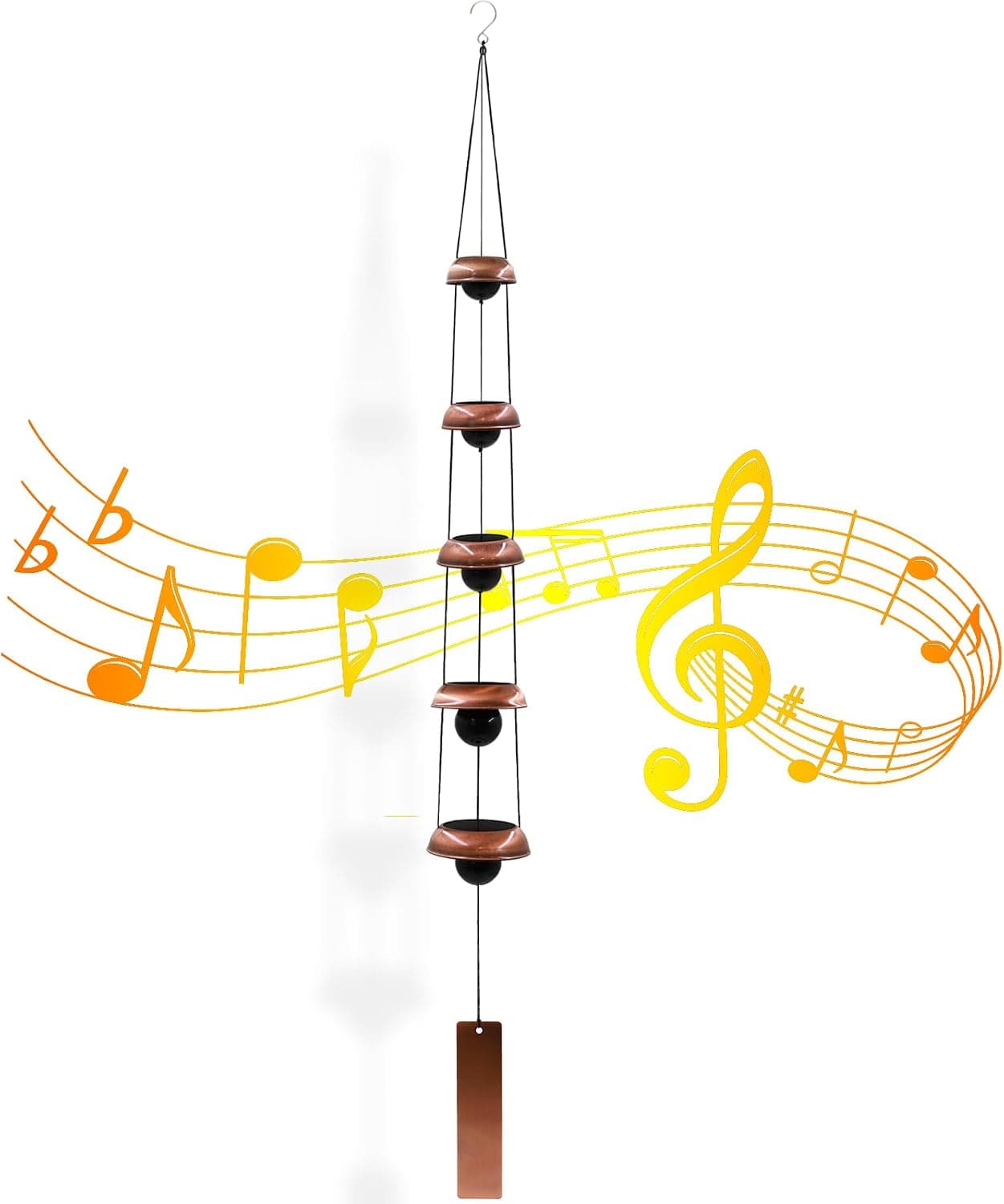
-19%Wind Chimes for Outside with 5 Bell Unique Copper Musical Chimes Feng Shui Wi...
 -5%
-5%YU FENG Evil Eye Money Tree, Blue Feng Shui Decor with Golden Buddha
 -29%
-29%Karma and Luck March Birthstone Crystal Tree of Life, Aquamarine Gemstone Fen...
 -29%
-29%Karma and Luck July Birthstone Crystal Tree of Life, Ruby Gemstone Feng Shui ...
As an Amazon Associate, we earn from qualifying purchases. We only recommend items our practitioners have personally tested.
Continue Your Journey
Explore these related guides to deepen your understanding:


Ready for Deeper Guidance?
Try our free I Ching reading for personalized wisdom, or explore our curated Feng Shui essentials.