Two schools can use the same floor plan and reach opposite answers. That split explains why one home feels settled while another unravels.
The Hidden Truth About design feng shui
One consultant insists the front door carries everything; another starts talking about the back bedroom, the stove, and the year the building was completed. Both can sound certain. Only one of them may be reading the room you actually live in.
The split starts with lineage. Northern schools lean harder on compass directions, annual stars, and the moving weather of qi; Southern schools often begin with form, doors, walls, lines of sight, and how a body moves through space. Same apartment, different mechanism. A rule that works in a courtyard house can fail in a narrow condo because the input conditions changed.
I’ve seen this in a west-facing living room with a black leather sofa, a glass coffee table, and a red floor lamp shoved beside the TV. The owner had followed every online checklist, yet sleep went thin and argument came fast, usually near the kitchen threshold. The problem was not “bad energy” in some vague sense; the room kept accelerating attention, because the hard surfaces bounced the eye from object to object and never let the nervous system settle.
That is why the first question is not, “What cure should I add?” It is, “Which school is describing the actual mechanism in this room?” For a broader map of room-by-room logic, see how to map energy in your home without overthinking it, then compare it with reading a feng shui compass correctly and the yin-yang balance problem in modern homes.
Why the Schools Split at the Start
Put bluntly, the disagreement began because practitioners were solving different problems. One lineage had to handle orientation, seasonal change, and the invisible pull of directions in large compounds. Another had to work in dense housing, where a narrow hallway, a shared wall, or a missing corner could dominate daily life far more than the compass reading.
So the method diverged. Northern methods often ask, “What does this sector receive from time and direction?” Southern methods ask, “What does this space allow or block?” Neither question is fake. Trouble starts when someone applies one lens as if it were the whole machine.
Try this in your own place. Stand in the doorway of the main room and look for the first thing your eyes lock onto. Then walk the route you use at 7 a.m. with a mug in one hand and shoes in the other. If your body has to brake, pivot, or dodge a corner every few steps, the room is already telling you which system matters most.
That is where people get misled by surface-level advice. A crystal on a shelf cannot fix a hallway that funnels pressure straight into the bedroom. A lucky charm near the sink will not calm a layout that sends your attention into the wrong corner every night. Form creates the current first. Symbols only ride along after that.
Mechanism One: Input Conditions Decide Which School Works Better
Start with the building itself. A detached house with clear frontage, a visible street approach, and distinct compass sectors can reward a direction-based reading because the land has enough breathing room for orientation to matter. A small apartment squeezed between stairwells and service shafts behaves differently because the edges and bottlenecks compress the effect of each room.
That compression changes the signal. In a tight plan, a bathroom door across from the bed can disturb sleep more than any yearly star chart. In a roomy home, the same bathroom may be harmless while a misread facing direction quietly drains focus from the office. Context decides the dominant force.
Look at the kitchen next. If the stove is jammed beside the sink and the refrigerator door clips the work triangle, the five elements are already arguing in plain sight. Fire and Water do not need an oracle to show the clash; the dishcloth gets left on the counter, the kettle boils twice, and dinner feels hurried before it starts. For a deeper element-by-element frame, compare how the five elements explain why good feng shui still feels wrong.
Compasses matter more when a space has clean edges and a clear facing. Forms matter more when walls, doors, and furniture create immediate pressure. That is not a contradiction. It is a hierarchy.
Mechanism Two: Direction Alters Timing, Form Alters Behavior
Here is the part people miss. A compass reading tells you when a pattern is likely to press harder; form tells you how the room trains the people inside it. Timing and behavior are not the same lever. Mix them up and you end up treating a schedule as if it were a wall.
Suppose an office desk sits facing a corridor, with the back open to a doorway. Even if the annual chart looks favorable, the body keeps checking behind because it cannot fully relax its blind side. The result is subtle: emails get rewritten three times, calls feel longer than they should, and the person takes fewer decisive actions by Friday afternoon.
That is why a Southern practitioner might move the desk first, while a Northern practitioner might also note the direction the chair faces. Both are reading cause and effect, just at different layers. One changes the daily loop. The other changes the background climate.
Small shift. Large consequence.
In a bedroom, this distinction gets sharp fast. A bed placed so the feet point directly at the door can trigger a jolt of wakefulness no matter how many auspicious numbers are involved. People call it “bad sleep,” but the mechanism is simpler: the body registers exposure, and exposure keeps the guard system half-on.
Mechanism Three: Why Online Advice Backfires in Split-Lineage Homes
The internet loves neat rules. Put water here. Avoid mirrors there. Use red in the south. The trouble is that rules borrowed from one housing type often get dropped into another without checking the mechanism underneath. A rule that assumes a square floor plan can misfire inside a long apartment with a cut-out dining nook and a stair landing pressing on the rear wall.
Consider a real-feeling example from a north-facing studio with one window and a narrow galley kitchen. The owner hung three metal wind chimes near the entrance because a blog said metal would “clarify the energy.” It did clarify something: every draft, every door swing, every passing neighbor turned the entry into a faintly metallic chatterbox. Mail piled on the console, the cat avoided the mat, and the place never felt quiet enough to sit down.
That is the hidden backfire. The cure amplified the wrong signal because it answered the wrong question. What was needed there was not more activation, but less edge, fewer dangling objects, and a better transition from the door to the living area. For a separate doorway-focused framework, see the front-door layout guide and front door color choices that shift the mood before you step in.
So yes, common advice can be reliable. Just not in the lazy way people hope. It works when the housing type, the orientation, and the daily traffic pattern match the method behind the advice. When they do not, the advice becomes decoration.
What to Adjust First in a Home Like This
Start with the route your body takes, not the charm shop. Ask where you slow down, where you hesitate, and where your eyes keep snapping. Those are pressure points. If the pressure lands in a bedroom, reduce reflection, remove noisy storage, and stop placing the bed in the line of the door. If it lands in the wealth area, fix the obstacle before adding symbols.
That last point surprises people. They want to buy a cure. I tell them to remove the block first. A cluttered corner with a dead plant, an unemptied bag, and a broken lamp will not improve because someone placed three coins on top of the mess. The coins just become part of the mess.
For money-related placements, use the room only after circulation is clear. coin placements that make money feel managed, not chaotic work best when the shelf is already clean and the wallet area is already orderly. If you skip the practical layer, the symbol has nowhere to land.
Bedroom and office need extra care because they amplify the split between the schools. A sleep room asks for enclosure, soft edges, and low visual noise; an office asks for a protected seat with a stable back and a clear view of the approach. Put those two needs into the wrong room and the whole house starts to feel argumentative.
Where People Usually Go Wrong
They treat the compass like an excuse to ignore the floor plan. Then they blame the floor plan when the compass reading fails. That circular logic wastes time and leaves the real problem untouched.
They also overcorrect with too many objects. A dragon here, a crystal there, a plant in every corner, and suddenly the room feels staged rather than lived in. The eye has no rest. The mind follows the eye.
A second mistake is copying cures from a year-specific article without checking the current room. Annual flying star advice can be useful in the right building, yet it turns brittle when the room already has a structural issue. A hallway that slams sound into the bedroom still needs physical calming before any yearly remedy can matter. See three flying-star mistakes that keep homes off balance for the pattern behind that failure, and compare it with bedroom rules that affect both sleep and relationships.
Then there is the glamorous error: believing the most expensive object must be the most effective. Not true. I have seen a plain linen curtain do more for a room than a shelf full of imported objects, because the curtain fixed glare, softened movement, and gave the corner a place to disappear into.
How to Read the Split Without Getting Lost
Use a three-step test. First, notice the shape of the space. Second, track the daily path of the people inside it. Third, compare both to the direction-based advice you have been given. If the advice does not explain what you see and feel, pause before buying anything.
A practical example helps. In a small apartment with the desk against the east wall, a mirror directly across from the chair made morning work feel jumpy. The occupant kept swiveling to check movement behind them, even when nothing was there. Moving the mirror two feet to the side reduced that urge immediately, because the visual field stopped doubling every action.
That is the kind of correction both schools can agree on once they stop arguing over labels. Remove the assault on attention. Restore a clear route. Let each room do one job instead of six.
For homes with tricky floor plans, the front entry often decides everything else. Read the thresholds before the decor, because doors set the cadence of the day. If the front of the home feels compressed, the rest of the design works under strain. A useful deeper reference is the wealth-corner guide, because money areas usually show the same pattern of blocked flow and over-attachment to objects.
How This Shows Up in Daily Life
You may notice it before you can explain it. The kitchen feels busy even when nobody is cooking. The bedroom gathers laundry faster than the rest of the place. The desk becomes a dumping ground for cables, receipts, and a mug ring that never quite leaves.
These are not random annoyances. They are the room’s behavior under pressure. If the layout forces continual micro-decisions, the home trains avoidance. People stop using the corner, stop opening the curtain, stop sitting in the chair that faces the wrong way. Then they call the room “awkward,” as if the word solves the mechanism.
A better question is sharper: which feature is teaching the body to flinch? That answer tells you whether the Northern lens, the Southern lens, or both are needed. For a partial, narrow example of how one element can dominate a room, see fire energy at home that won’t settle.
Sometimes the fix is quiet. Move the lamp. Shift the chair. Remove the dangling metal key holder by the door. Other times you need both the structure and the timing checked, because the room is vulnerable in more than one way.
Frequently Asked Questions
Is conventional design feng shui advice reliable?
Often not by itself. It becomes reliable only when the advice matches the house type, the traffic pattern, and the room’s actual stress points. A rule that works in a wide, freestanding home can misread a compact apartment with shared walls and a cramped entry.
How do I know whether my home needs a compass reading or a layout fix?
Start with what your body notices. If you keep bumping the same corner, avoiding one chair, or feeling alert in one room for no clear reason, the layout is usually speaking first. If the house feels structurally calm but certain rooms still cycle through rough periods, timing and orientation may deserve a closer look.
Can I mix Northern and Southern methods without confusing the result?
Yes, but do it in order. Shape first, then direction, because a blocked route will overwhelm a perfect compass reading. Once circulation is stable, directional adjustments can fine-tune the room instead of fighting it.
Why do two consultants give opposite answers about the same room?
Because they may be looking at different layers. One sees the room’s geometry and movement; the other sees the directional field and timing. That disagreement is not always an error. Sometimes it is a sign that the room has two problems at once.
And that split is exactly why a polished diagram can still fail when the hallway is too narrow, the bed is exposed, and the chair faces a wall all day. The home does not care which school won the argument. It only keeps showing you the same snag every morning, right where the light lands on the floorboard.
Mei Chen
Traditionally informed guidance • Cross-referenced with classical Chinese source texts
Content draws from both Compass (Luopan) and Form (Xingshi) school traditions. Illustrative examples are composites based on consultation experiences.
Practitioner-Selected Tools for This Topic
Items our team has tested and found effective for the principles discussed above. Individual results may vary.
 -19%
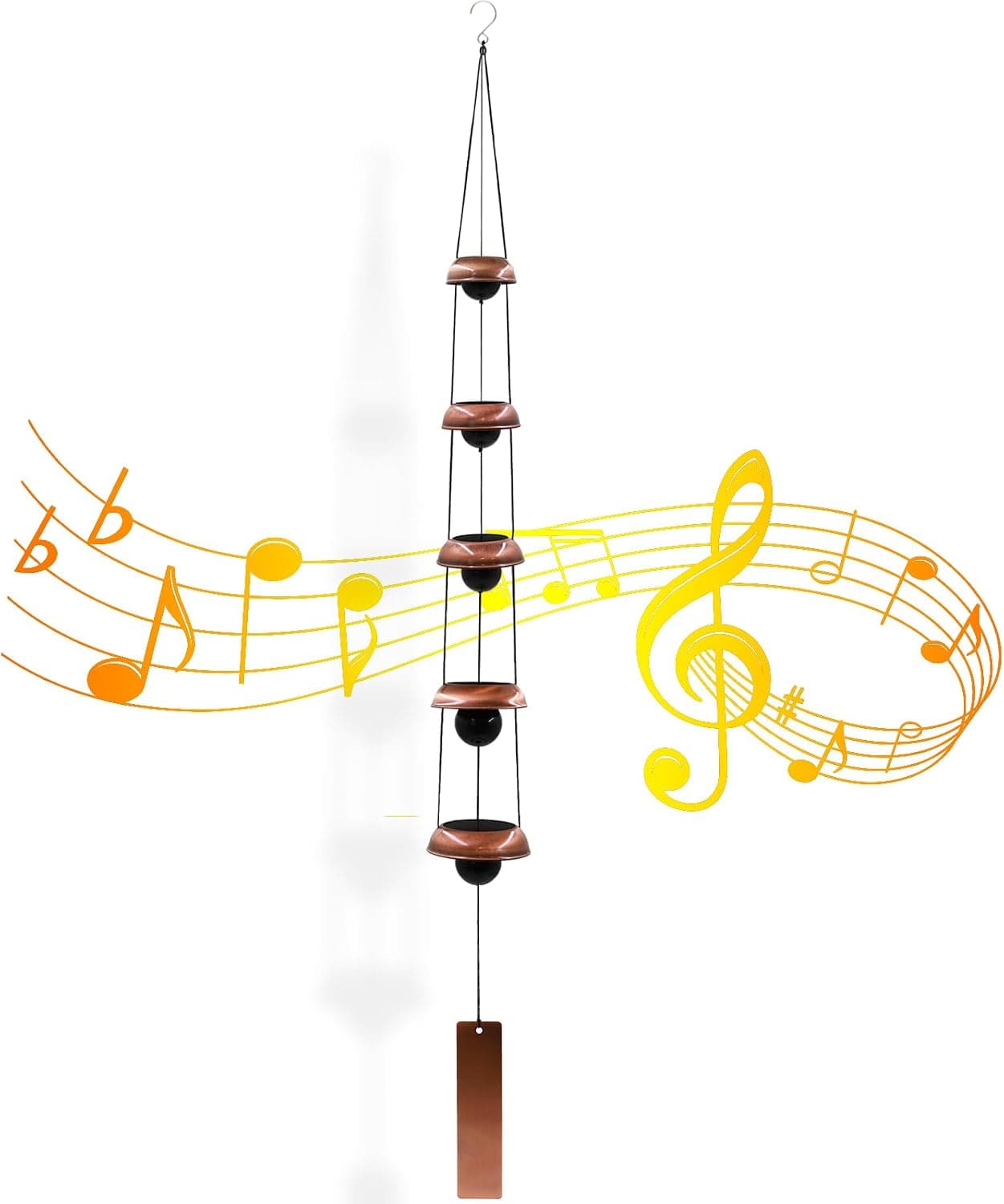
-19%Wind Chimes for Outside with 5 Bell Unique Copper Musical Chimes Feng Shui Wi...
 -5%
-5%YU FENG Evil Eye Money Tree, Blue Feng Shui Decor with Golden Buddha
 -29%
-29%Karma and Luck March Birthstone Crystal Tree of Life, Aquamarine Gemstone Fen...
 -29%
-29%Karma and Luck July Birthstone Crystal Tree of Life, Ruby Gemstone Feng Shui ...
As an Amazon Associate, we earn from qualifying purchases. We only recommend items our practitioners have personally tested.
Continue Your Journey
Explore these related guides to deepen your understanding:


Ready for Deeper Guidance?
Try our free I Ching reading for personalized wisdom, or explore our curated Feng Shui essentials.