The beads were never the problem. A bracelet is a threshold you carry — which means it can prompt a change in your space, or quietly replace one.
The Bracelet That Did Nothing
A black obsidian bracelet sat on a nightstand in a 380-square-foot studio for eleven months. The wearer rinsed it under running water every new moon, wore it on her left wrist because a video told her to, and slept badly the entire time.
Nothing about her ritual was wrong. Everything about the room was.
Her headboard shared a wall with the refrigerator. The single window faced a brick shaft, so the light in that apartment was grey at noon and grey at four. And the entry door opened within three feet of the foot of the mattress, which meant she crossed her own sleeping body every time she came home with groceries. I have walked into dozens of rooms shaped like this. The beadwork is always lovely. The sleep is always terrible.
This is the failure I want to start with, because it repeats. People buy the object, perform the maintenance, follow the wrist rule, and then wonder why the room still feels like a waiting area. They were sold a shield when what they needed was a threshold.
What the Object Actually Is
Strip away the packaging and a feng shui bracelet is a small, portable marker of a boundary. That's the whole thing. Jade, wood, hematite, or obsidian, strung on cord, worn at the point where your body meets the world.
Architects have a word for that point: threshold. The strip of floor at a doorway. The change in ceiling height as you step into a room. The two steps down into a sunken living room. Thresholds do real work — they tell the nervous system a transition is happening and give the body half a second to change state. A bracelet is a threshold you can carry.
Notice what that definition leaves out. Protection. Luck delivery. Those are later additions, and we'll get to them.
Yin and yang help here, minus the mysticism. Yin is the still, receptive, cooling side of a pair; yang is the moving, active, warming side. A bracelet is yang by contact and yin by scale — small, quiet, constant. That combination is exactly why it works as a cue and fails as a cure. It is too quiet to override a room. It is precisely the right size to remind you to do something about the room.
Where the Meaning Came From
The oldest ancestors of the form are not jewelry at all. They are ritual jades: the bi disc, a flat ring with a hole through the center, placed in Han dynasty tombs around the second century BCE, and the cong, a squared tube with a circular bore. Both are objects about passage — a hole you look through, an axis you orient around. Neither was worn to attract money. They were placed to mark a relationship between the living, the dead, and the direction of the sky.
Then comes the Buddhist strand. Mala beads, 108 of them, arrived in China with the dharma and became a counting tool for breath and mantra. The number matters because 108 divides cleanly into a full cycle of repetitions. Wear one on the wrist and you own a portable abacus for attention.
Two streams, then. A ritual object about passage, and a devotional object about repetition. Neither promises wealth. Neither is worn to fix a floor plan.
What we call feng shui bracelet meaning today is a third thing — a 1990s and 2000s fusion of those older forms with Chinese folk protection customs and a global market that needed a product small enough to ship in an envelope. The red-thread string bracelet, the obsidian bead, the jade bangle sold with a card listing five benefits: those are recent. They aren't fraudulent. They're just younger than the internet implies, and they inherit their force from the older two streams rather than from the sales copy.
The Mechanism Nobody Explains
Here is the part I wish more sellers printed on the card, because it determines whether the thing does anything at all.
Input: a repeated physical sensation at a transition point. Step one — because the bracelet sits at the wrist, and the wrist crosses every doorway, it becomes attached to entering and leaving. Step two — because it is attached to entering, wearing it nudges you to notice the entry: the shoe pile, the coat hook, the fact that your front door opens into the back of a couch. Step three — because you notice, you move something. You hang a mirror. You turn the couch. You stop dropping keys on the floor where you sleep.
Output: the room changes, and your body's response to the room changes with it. The bracelet did not do that. The bracelet started it.
This is a chain you can inspect, and it has two adjustment points. Contact frequency is the first — a bracelet worn daily does more than one saved for occasions, because frequency is what builds the association. Placement of attention is the second — a bracelet that draws your eye toward a bad corner will help you fix the corner, while one you never look at does nothing whatsoever. Everything else, the stone and the color and the bead count, tunes the flavor of the reminder. None of it replaces the reminder.
None of that is mystical. It is just how a small object becomes a prompt.
What Changed When the Bracelets Left the Temple
Once the object became a product, the meaning split in two. On one side, the folk-protection reading: red thread for a difficult year, obsidian for what people call negative energy, jade for steadiness. On the other, the design reading: a color that matches a coat, a bead size that photographs well.
The split produced a specific kind of advice that sounds traditional and isn't. "Wear black obsidian to absorb stress." Absorb is carrying a lot of weight in that sentence. A bead does not absorb anything. It reminds you — and if you've been told it absorbs, the reminder becomes passive. You wait for the bead to work instead of doing the thing.
The older material logic is more modest and more useful. Each stone is tied to an element, and each element to a quality of movement. Metal is contraction and clarity. Wood is expansion and reach. Water is descent and rest. Fire is rise and visibility. Earth is settling and weight. Pick the movement your week is missing, not the movement your week already has too much of. If you work twelve hours under fluorescent light and answer messages until midnight, another fire token is not what you need. Something that settles is. The five elements cycle gives you the vocabulary for that decision; the bracelet merely carries it.
Wrist choice is the same kind of decision, and it's covered properly in the guide to which wrist a pixiu bracelet belongs on. The short version: the receiving hand takes in, the giving hand puts out, and the rule depends on which tradition the specific figure comes from. For a plain bead bracelet with no figure, wear it wherever you'll feel it.
Contact is the mechanism.
Reading a Bracelet the Way You Read a Room
I ask three questions before I'll talk about stones. Where do you sleep relative to the door? Where does the light come in, and at what hour? What do you see in the first four seconds after you walk in?
There's a reason light comes before stones. A room with a north-facing window and no lamp above 2700 kelvin reads as dusk at four in the afternoon; your body starts its evening chemistry early and you're tired at the wrong hour. A bracelet does not fix that. A warm bulb does, and it costs nine dollars.
Those three answers tell me more about a home than any bead count, and they tell me whether a bracelet is even the right tool. In a house with a long entry hall and a bedroom at the back, a bracelet is a pleasant accessory. In a studio where kitchen, desk, bed, and door share one volume, it may be the only intervention available — which is exactly why people over-invest in it.
Here's the small-apartment paradox. Renters can't move walls, can't change the door swing, can't add a vestibule. The bracelet is the one object that requires zero square footage and survives every lease. So it becomes the entire practice. Then it fails, because a wrist object cannot separate a bed from a stove.
Use it as a diagnostic instead of a decoration and it earns its keep. Wear it for a week and notice when your hand goes to your wrist. Those moments are transitions — coming in, sitting down, opening the laptop, getting into bed. They're your map. Fix the space at those points and you've done more than a shelf of cures ever will.
When It Goes Wrong
The first failure is substitution. The bracelet replaces the change instead of prompting it. I've stood in a room with four bracelets on a nightstand and a bed pushed into the one corner where the ceiling sloped to six feet. The beads were doing nothing because the room was doing everything.
The second failure is accumulation without a question. Every stone gets added because every stone has a benefit, until the wrist carries eight incompatible reminders that cancel into noise. One bracelet, one intention, one thing you're going to change about the room. If you want to work with more than one material at a time, do it deliberately — the same discipline that goes into choosing crystals for a room applies to what you strap to your arm.
The Real Fix in 400 Square Feet
Start with the threshold you actually cross. In a studio, that's the entry, and it's probably also the kitchen. Clear eighteen inches of floor inside the door — not for symbolism, for circulation. A body that can enter without turning sideways reads the home as open, and that reading is the thing you were trying to buy with a bead.
Then find your line of sight. Stand where you sleep and look toward the door. If the first thing you see is a wall of storage or the back of a monitor, the room is announcing that it's a workspace even at midnight. A bracelet can mark the transition; a folding screen, a curtain on a tension rod, or a chair turned ninety degrees can complete it. That's apartment feng shui that respects a renter's lease, and it usually costs less than a decent strand of obsidian.
Only then choose the object. One material matching the movement you're missing. One wrist. One question you ask each time you touch it: what am I walking into? That question, repeated at every doorway for a month, is the whole practice.
The bracelet is not a shield. It's a door you carry. Doors are useful — but only if there's a room on the other side worth walking into.
Questions I Get Asked Most
Does a bracelet need to be cleansed or blessed before it does anything?
Cleansing rituals are worth keeping for a different reason than most people think. Rinsing a stone under running water, drying it, setting it down deliberately — that sequence is a small ceremony of attention, and attention is the active ingredient. Moonlight and salt don't charge a bead. They do slow you down long enough to remember why you put it on.
Which wrist is correct?
The rule is not universal, and anyone who tells you otherwise has only read one tradition. Figure-specific pieces like pixiu follow their own left-versus-right logic based on receiving and giving. A plain bead bracelet has no such constraint, so wear it on whichever wrist you notice more. Noticing beats correctness every time.
Can I wear more than one at once?
You can, and it usually dilutes the effect — for a mechanical reason rather than a spiritual one. Two or three reminders competing for the same glance become background texture, and background texture is invisible. A single bracelet you actually register will outperform a stack you've stopped seeing.
What if the room still feels wrong after I've done everything?
Then the bracelet was never the lever. Check the three things a wrist object cannot touch: where the bed sits relative to the door, whether daylight reaches the room you spend evenings in, and whether the entry has room for a body to arrive. Those are structural, and structure wins.
Mei Chen
Traditionally informed guidance • Cross-referenced with classical Chinese source texts
Content draws from both Compass (Luopan) and Form (Xingshi) school traditions. Illustrative examples are composites based on consultation experiences.
Practitioner-Selected Tools for This Topic
Items our team has tested and found effective for the principles discussed above. Individual results may vary.
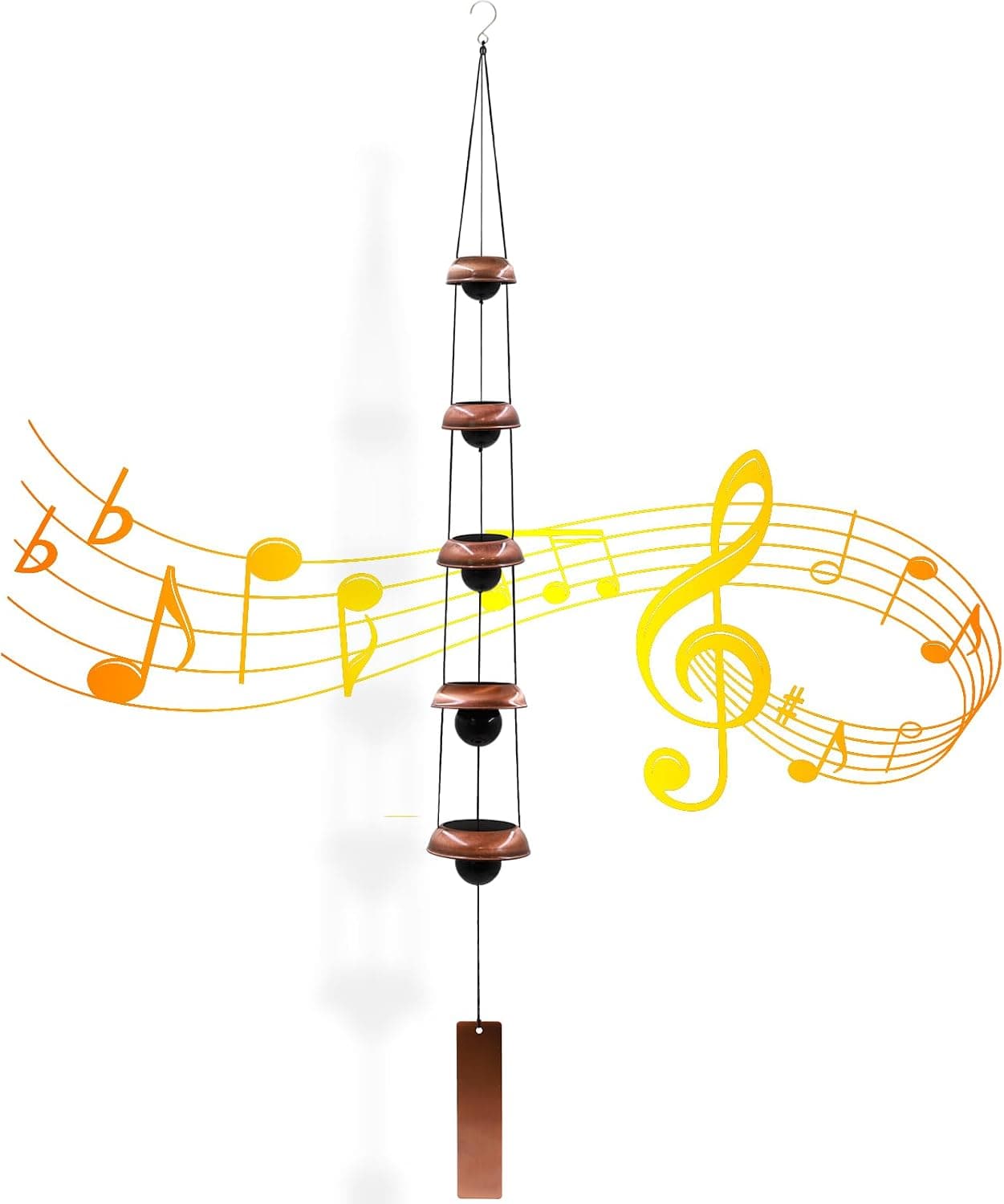 -19%
Wind Chimes for Outside with 5 Bell Unique Copper Musical Chimes Feng Shui Wi...
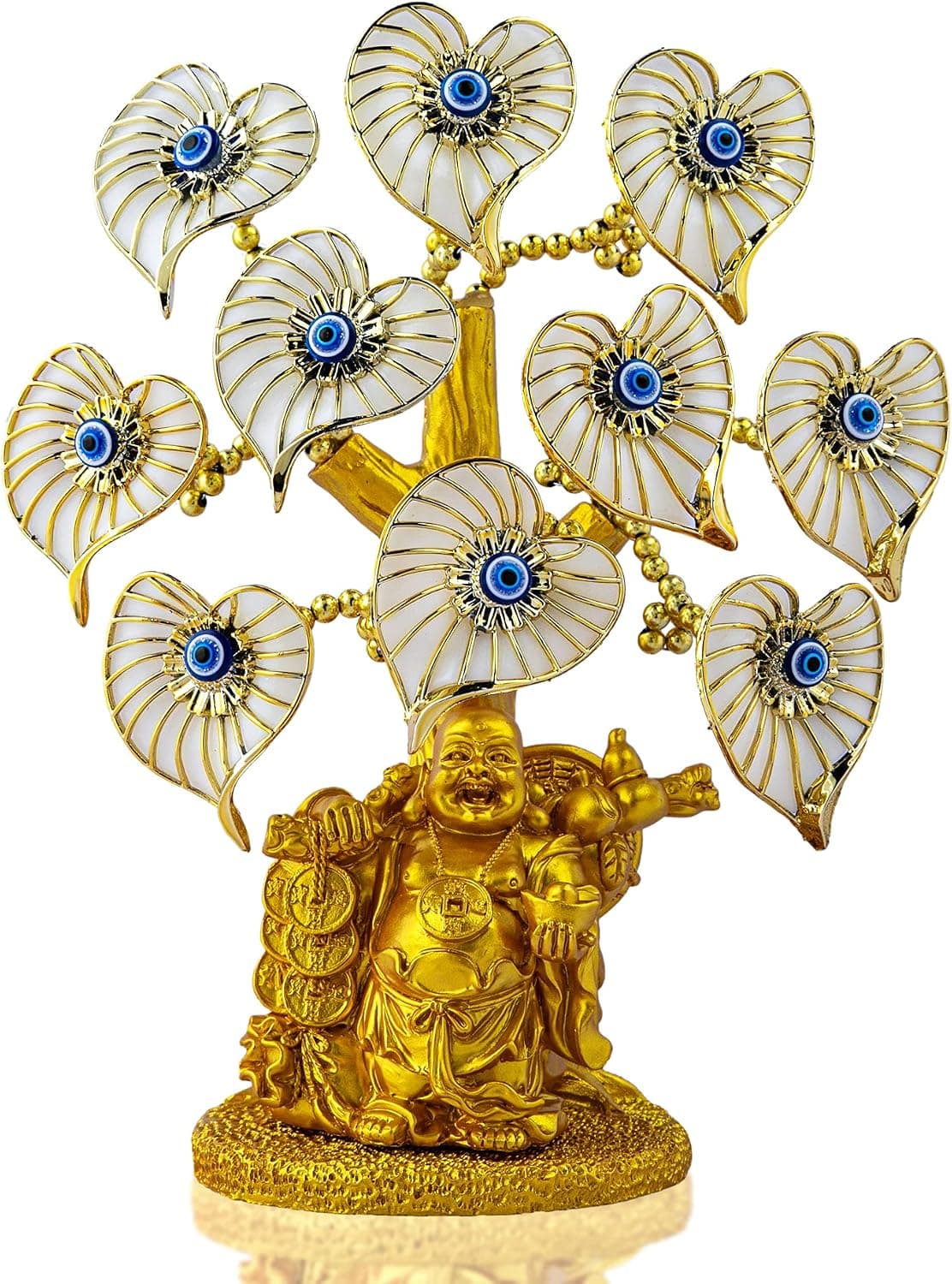 -5%
YU FENG Evil Eye Money Tree, Blue Feng Shui Decor with Golden Buddha
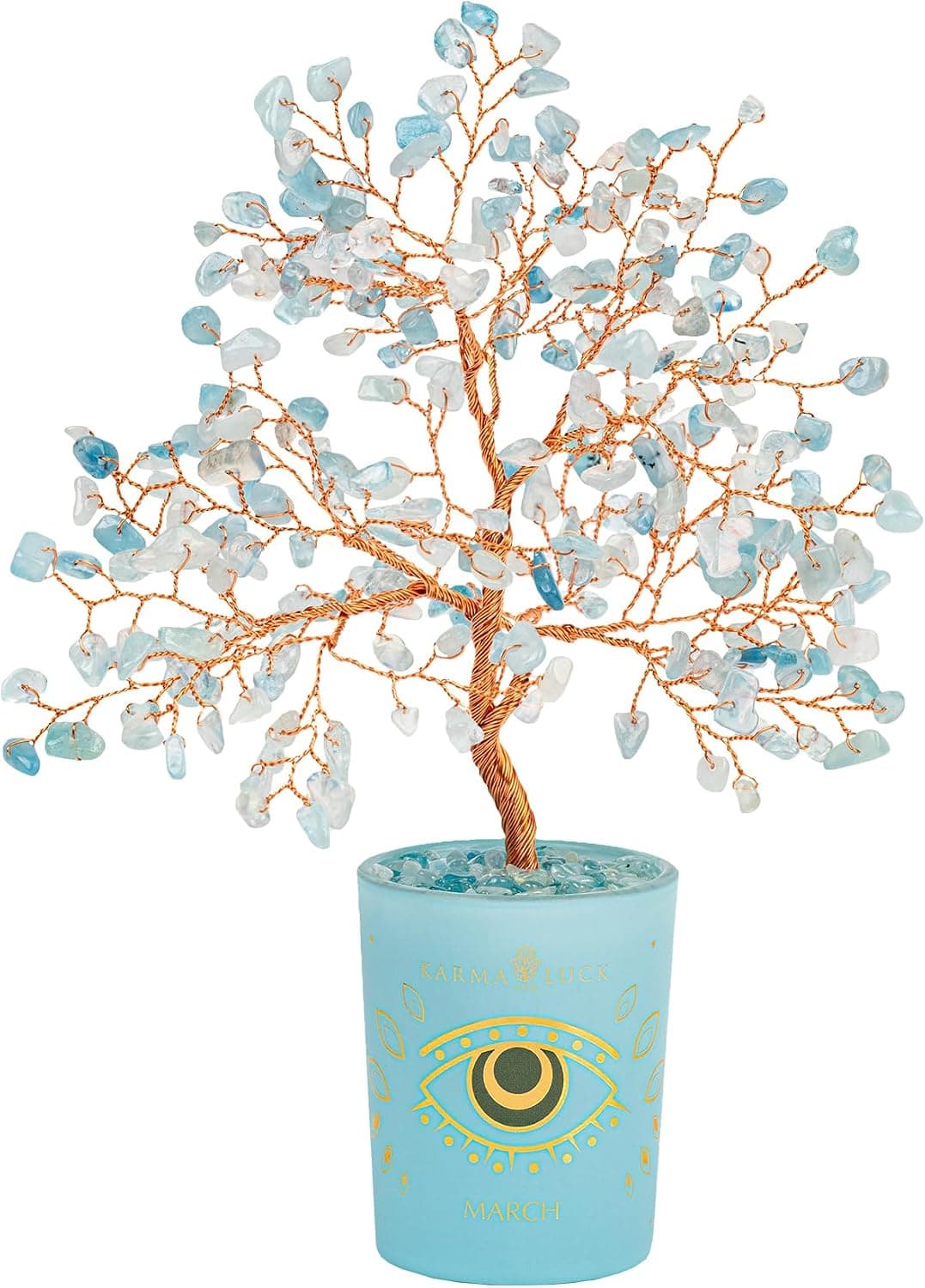 -29%
Karma and Luck March Birthstone Crystal Tree of Life, Aquamarine Gemstone Fen...
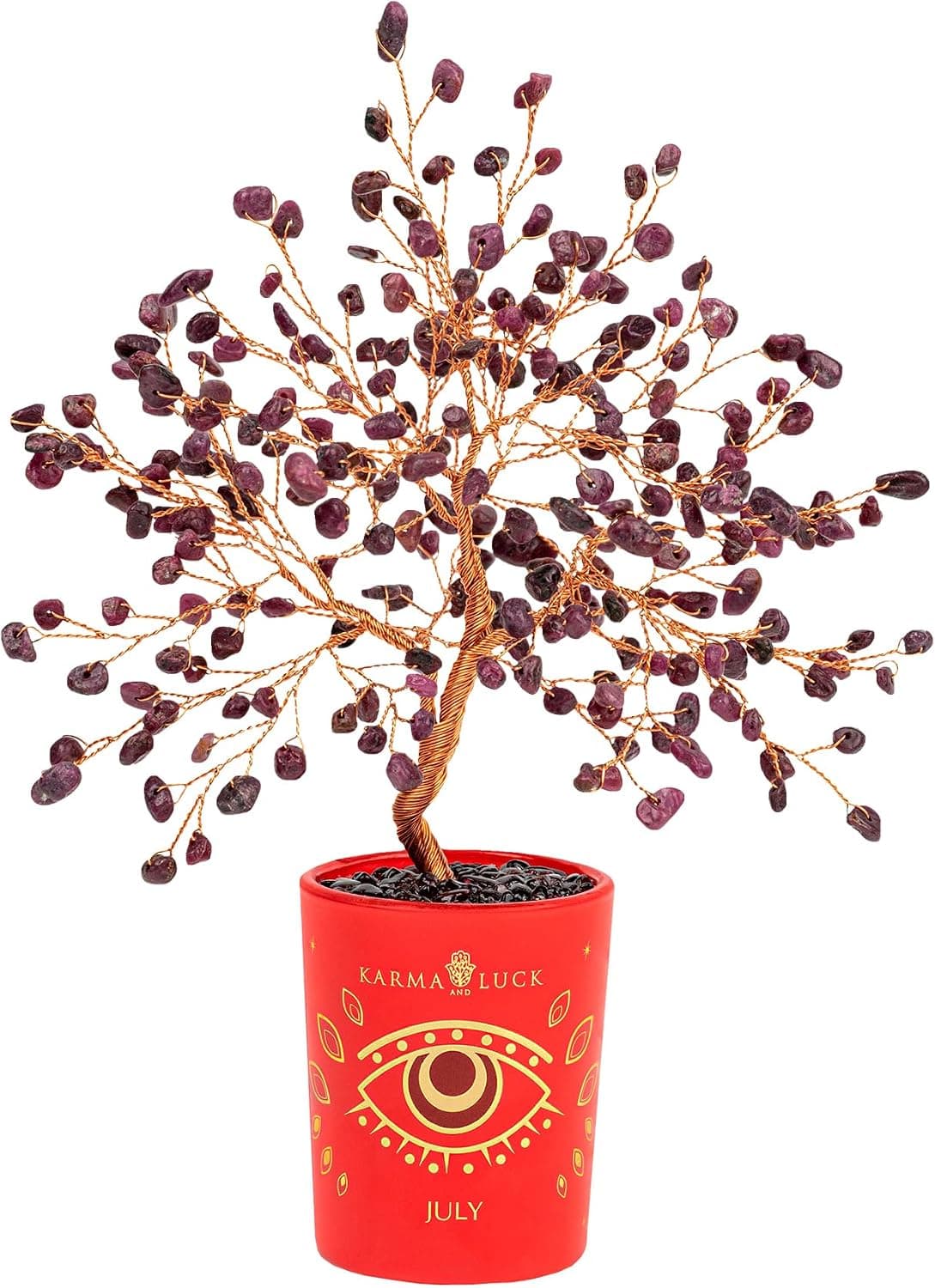 -29%
Karma and Luck July Birthstone Crystal Tree of Life, Ruby Gemstone Feng Shui ...
As an Amazon Associate, we earn from qualifying purchases. We only recommend items our practitioners have personally tested.
Continue Your Journey
Explore these related guides to deepen your understanding:


Ready for Deeper Guidance?
Try our free I Ching reading for personalized wisdom, or explore our curated Feng Shui essentials.