The left-wrist rule is right for most people, for reasons that have nothing to do with luck. Here's the decision matrix that actually holds up.
Left Wrist, Unless Your Hands Say Otherwise
Left. For most people the answer is the left wrist — and the reason has less to do with the cosmos than with which hand reaches for the doorknob. The left-hand rule collapses in exactly three situations, though, and two of them are more common than the rule itself.
Start with a room.
A home office, glass-topped desk pushed against a west wall, laptop angled so the screen faces away from the door. On the mousepad sits a red-string Pixiu bracelet, clasp open, jade body catching the flat afternoon light coming through the window. The owner had worn it on her left wrist for four months, exactly as instructed. It was on the mousepad because it kept sliding over her watch and clattering against the glass every time she typed, so she had begun taking it off at nine in the morning and putting it back on at dinner. Four months of correct placement, and the bracelet was never on her body during the hours she actually cared about.
That is the failure nobody writes about.
She followed the rule perfectly and got nothing, because the rule answered a smaller question than the one she was asking. The real question is not which wrist. It is which wrist survives your day.
What You're Actually Dealing With
The classical reasoning is directional, not decorative. In traditional Chinese spatial thought, the left is yang — the side of the rising sun and the east. A court official facing south had east on his left; the left was the side of beginning and intake, while the right was yin, the side of action and expenditure. The left-wrist instruction follows that architecture: put a gathering object on the receiving side, not the spending side.
The creature's history is stranger than the bracelet market admits. The Pixiu appears in Han dynasty tomb contexts as a guardian figure — winged, feline, sometimes called the money beast, but functionally a protector of the dead and buried wealth. The detail everyone repeats, that it has no anus so swallowed gold cannot escape, comes from later merchant folklore, when Ming and Qing trading families turned a tomb guardian into a business emblem. Protection first; wealth second. The modern Western version usually reverses that order.
What arrived in Europe and North America over the last two decades is the reversed version: a lucky charm with rigid rules bolted on, sold beside salt lamps and abundance candles. The rules got stricter as the context got thinner. I have seen printed cards listing eleven separate prohibitions for a piece of jewelry a Qing merchant would have worn without a second thought.
Here is what those cards leave out: a bracelet does not move money. It moves attention. The mechanism is a cue-contact-intention loop. A physical object on the body becomes a cue; you touch it when nervous, notice it when reaching for something, feel its weight shift when you sit down to work. Each contact is a micro-reminder of an intention you set once and would otherwise forget by Thursday. The wrist is the highest-traffic real estate on the body for this loop, which is why so many traditions put reminders there.
That is why wrist choice matters — not metaphysically, but mechanically. The non-dominant wrist is the one that does not collide with keyboards, doorframes, and carpal tunnels. If the bracelet is on the hand you use all day, it will be removed, pushed up, or ignored; if it stays on, it can keep producing cues. The rule is not magic. It is a way of protecting the cue-contact-intention loop from friction.
The Decision Matrix
The query that brings most people to this question — pixiu bracelet which hand to wear — has about forty answers online and almost no mechanism behind any of them. Read the table below not as commandments but as a diagnostic sequence: first eliminate the wrist the bracelet will not stay on, then choose by intention, then correct for head direction and material. Find the row that describes you and take the wrist it names.
| Your situation | Wrist | Reasoning |
|---|---|---|
| Right-handed, wearing it for wealth or accumulation | Left | The receiving hand. The working hand spends; the idle hand gathers — and the non-dominant wrist is also the one least likely to collide with keyboards and doorframes, so the cue stays present. |
| Left-handed | Right | Mirror the logic. Your receiving hand is the right one, and your dominant left hand is the one that spends and collides. |
| Two-mouth Pixiu (wealth in and out) | Right, head facing away from the body | A two-mouth beast handles outflow as well as intake. Outflow belongs on the active side; putting it on the receiving wrist asks a gathering piece to do a releasing job. |
| Worn for protection while travelling or sleeping | Left, head turned toward the body | This is the protection exception to the outward-facing rule. Guarding, not gathering: the head faces inward to keep what is yours, rather than drawing from the world. |
| You already wear a watch on the left | The other wrist | Friction is the enemy. A bracelet that slides over a watch or gets removed for typing stops producing the cue-contact-intention loop; a bracelet you remove is a bracelet that does nothing. |
| It was inherited or gifted | Whichever wrist the giver wore it on | Lineage beats theory when the history is known. The object's history is part of its weight. If the giver's wrist is unknown, default to the non-dominant wrist. |
Two of those rows contradict each other, and that is intentional. The two-mouth rule and the left-hand rule cannot both apply to the same person at the same moment, which is precisely where most online advice falls apart — it presents a single rule as universal when the tradition it borrows from was always conditional. The matrix resolves the conflict by ordering the questions: stability first, intention second, symbolism third.
The Hidden Pattern
Here is the coincidence that made me stop treating the left-hand rule as arbitrary.
Roughly nine in ten people are right-handed. The classical instruction puts the bracelet on the left wrist. Those two facts produce the same outcome for almost everyone, which means a rule dressed in cosmology and a rule derived from pure ergonomics are indistinguishable in practice.
I don't think that is an accident. Traditions that survive for centuries tend to survive because they encode observations about how bodies actually behave, then wrap those observations in a language that makes people follow them. The left wrist is the correct answer for a right-handed person for reasons that have nothing to do with the east and everything to do with the fact that the left hand is free. The same tradition also told you not to sleep facing a mirror and not to seat yourself with your back to the door — both of which hold up under modern environmental psychology, and neither of which required a supernatural explanation to be useful.
Which means the tradition is right about you even when it is wrong about why.
The same logic explains the head-direction rule, the piece almost everyone gets wrong. The Pixiu's head should face outward — toward the pinky, away from the body — because the beast gathers from the world, not from you. Worn with the head pointing back toward your own wrist, the symbolism reverses: it is drawing from the person wearing it. I have seen this in roughly half the bracelets I have been asked about. The wearer got the wrist right and the orientation wrong, which is like locking a door and leaving the window open.
Then there is the count of mouths. A one-mouth Pixiu takes in. A two-mouth Pixiu both takes in and releases, which is why some teachers assign it to career and social situations rather than pure accumulation. Wearing a two-mouth on the receiving wrist is not catastrophic. It is just asking a piece to do a job it was not designed for.
When It Goes Wrong
The most common failure is not the wrong wrist. It is a bracelet buried under a shirt cuff.
A cuff sitting tight against the wrist removes every one of those micro-cues the object was supposed to generate. No contact, no reminder, no ritual. The bracelet becomes invisible to the nervous system, and an invisible object carries no psychological weight at all. If your sleeves are close-fitting, either the bracelet goes over the cuff or the whole exercise is theater.
The second failure is the anxiety loop, and it is worth naming plainly. People who follow every prohibition on those printed cards — don't shower in it, don't let anyone else touch it, don't wear it to a funeral, don't sleep in it — end up with an object that generates worry instead of intention. That is the opposite of what a talisman is for. The classical sources are far more relaxed than the modern rule cards. Ritual cleanliness, yes. Fear, no.
If you want a comparison point, the way people handle feng shui crystals follows the same arc: a simple traditional object, a pile of internet prohibitions, and a user who ends up more anxious than before they started.
The Real Fix
Decide in this order and you will not need a rule card.
First, your dominant hand. The bracelet goes on the other one, always, before any other consideration. That single rule resolves roughly eighty percent of cases and produces the same answer as the classical instruction for most people.
Second, your intention. Accumulation, protection, or career movement. Accumulation stays on the receiving wrist with the head facing out. Protection goes on the receiving wrist with the head turned inward. Career and social movement — the two-mouth case — goes on the active wrist.
Third, check the physical reality. Watch, cuff, keyboard, gym bag. If the wrist you have chosen cannot hold the bracelet through a normal day, choose the other one and stop arguing with your own life.
Fourth, test for a week. Wear it continuously for seven days without adjusting the rules mid-course. Notice whether you actually touch it, whether it catches your attention at the moments you wanted it to. If it disappears — if you forget it is there by Wednesday — the placement is wrong, or the intention was never specific enough to anchor to in the first place.
And keep the bracelet in proportion. A wrist object is a reminder, not a mechanism. The room still does the heavy lifting: the cycle of the five elements governs how a space actually behaves, and a metal remedy in the wrong sector will outweigh any bracelet you can buy. If you want to know where the wealth energy sits this year, 2026 places the 8 White star in the east and the 6 White in the north — worth knowing before you decide a piece of jewelry is the thing standing between you and your finances.
There is also a yin-yang dimension almost everyone skips. The balance of yin and yang in a home determines whether a gathering object is even appropriate. In an overactive, yang-heavy space — bright lights, hard surfaces, constant motion — a gathering piece on the left wrist is doing sensible work. In a quiet, yin-heavy space, the same bracelet is one more thing holding still. Context first. Always.
What the Wrist Remembers
The bracelet on that glass desk eventually moved. Not to the other wrist — to a smaller clasp and a tighter fit, so it stopped sliding over the watch and started staying on through the workday. Same wrist. Same beast. Same direction of the head. The only thing that changed was whether it was actually touching her.
That is the whole teaching, really. Left wrist for most people, right wrist for the ones whose lives run through their left hand, and the correct answer always subordinate to whether the object stays on your body long enough to mean anything. The tradition knew this. It just said it in a language we stopped reading.
Put it on. Then leave it there.
Mei Chen
Traditionally informed guidance • Cross-referenced with classical Chinese source texts
Content draws from both Compass (Luopan) and Form (Xingshi) school traditions. Illustrative examples are composites based on consultation experiences.
Practitioner-Selected Tools for This Topic
Items our team has tested and found effective for the principles discussed above. Individual results may vary.
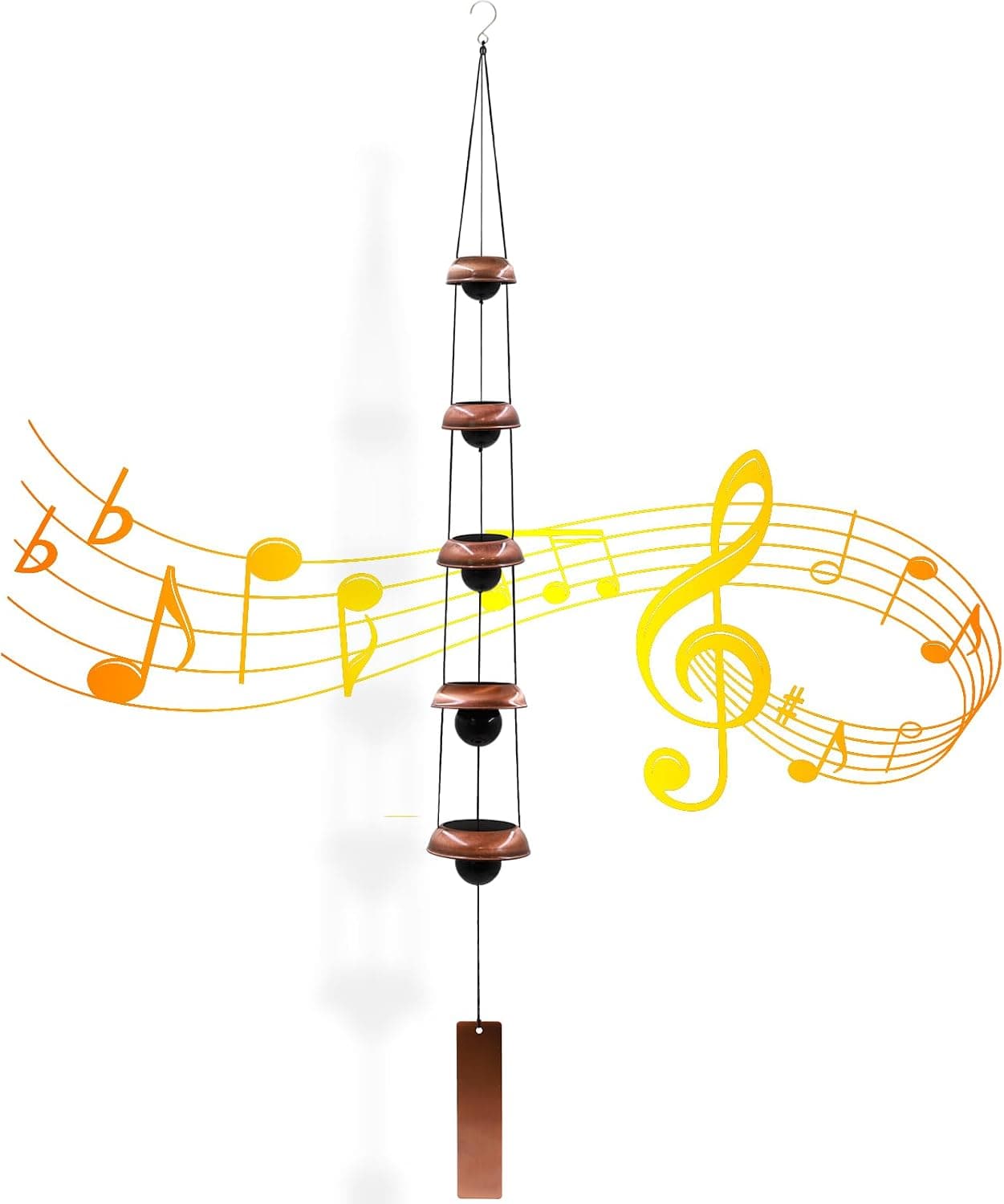 -19%
Wind Chimes for Outside with 5 Bell Unique Copper Musical Chimes Feng Shui Wi...
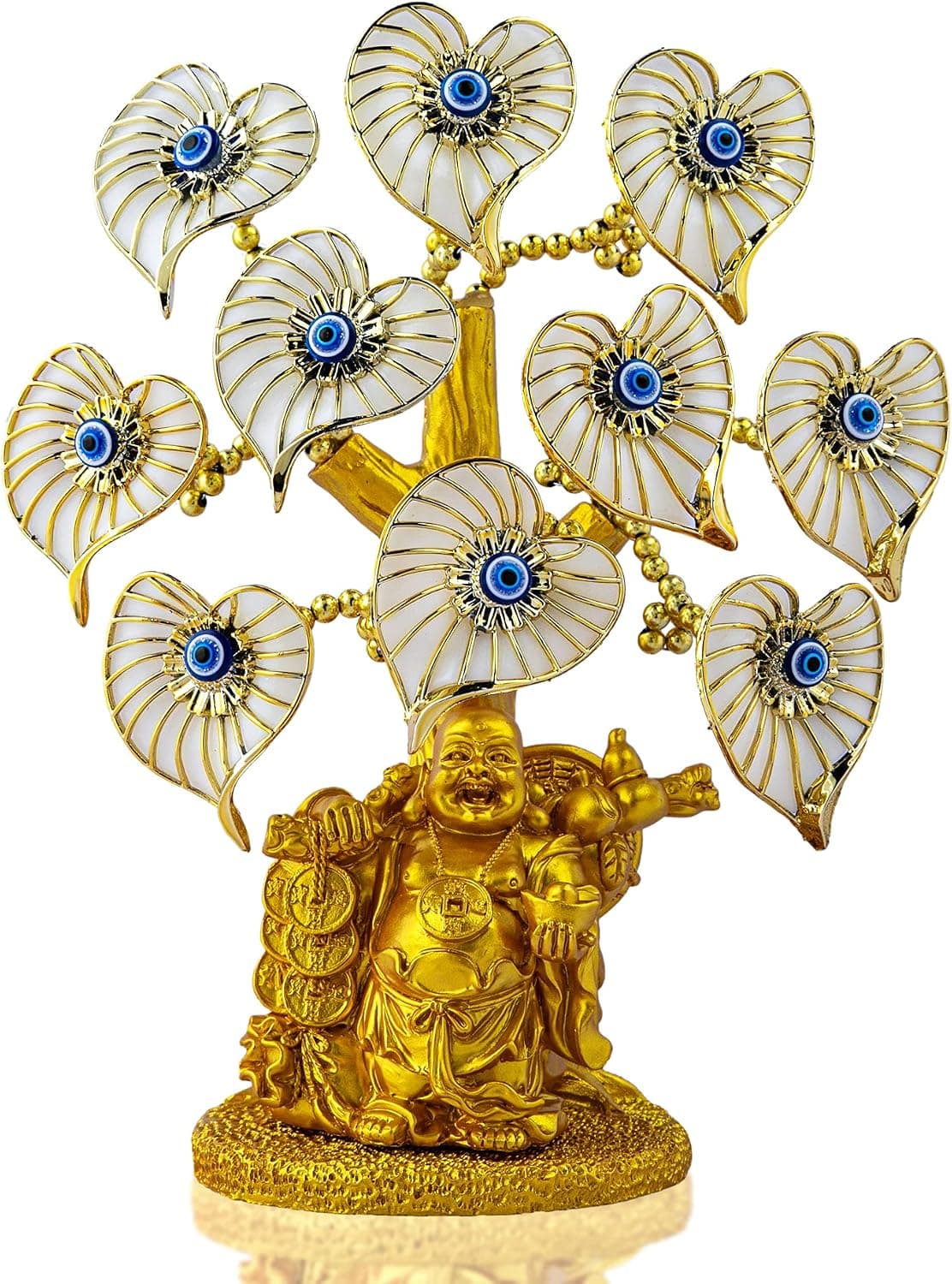 -5%
YU FENG Evil Eye Money Tree, Blue Feng Shui Decor with Golden Buddha
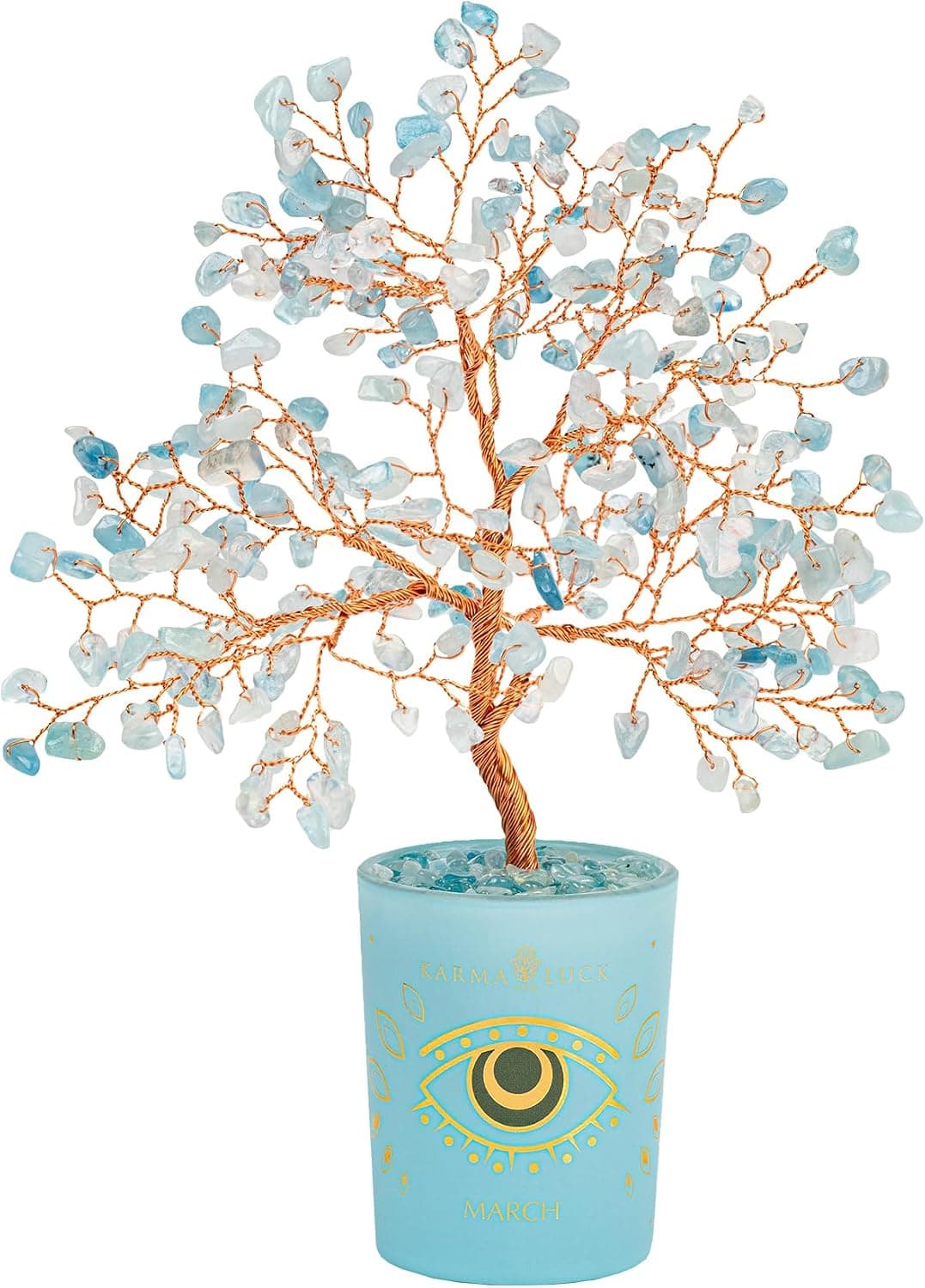 -29%
Karma and Luck March Birthstone Crystal Tree of Life, Aquamarine Gemstone Fen...
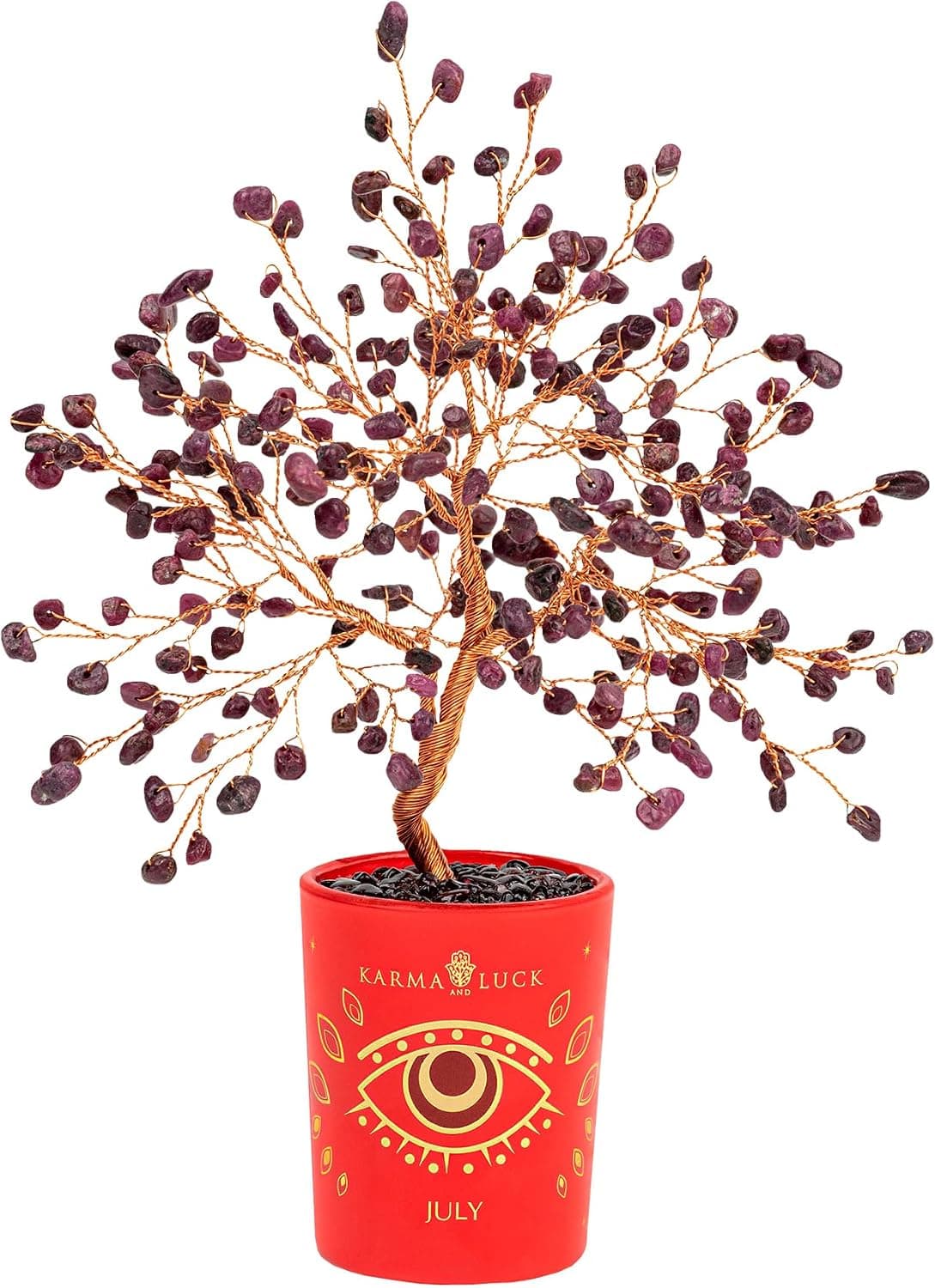 -29%
Karma and Luck July Birthstone Crystal Tree of Life, Ruby Gemstone Feng Shui ...
As an Amazon Associate, we earn from qualifying purchases. We only recommend items our practitioners have personally tested.
Continue Your Journey
Explore these related guides to deepen your understanding:


Ready for Deeper Guidance?
Try our free I Ching reading for personalized wisdom, or explore our curated Feng Shui essentials.