
Your bedroom color isn't just décor. In feng shui, it's either pulling you toward rest or quietly keeping you wired.
The Color on Your Wall Is Doing Something
Most people pick bedroom paint colors the way they pick a coffee order: whatever looks appealing in the moment. A deep charcoal because it feels sophisticated. A bold teal because a design blog said it was calming. Maybe even a warm terracotta because it photographed beautifully in someone else's space.
Then they wonder why they wake up at 3 a.m. with a racing mind.
Feng shui treats color as energy. Not metaphorically. Literally. Every hue carries a frequency tied to one of the five elements, and those elements affect the quality of chi in a room, the direction your nervous system leans while you sleep, and whether the space supports restoration or quietly stimulates activity. Getting this wrong is surprisingly easy. Getting it right requires understanding a few principles that go deeper than "soft colors are relaxing."
Why the Five Elements Make or Break Bedroom Color
If you've spent time with five elements and color theory, you already know that Wood, Fire, Earth, Metal, and Water each correspond to specific color families. What most Western guides skip is that the bedroom has a specific energetic purpose: it is a yin space. It is meant to consolidate, restore, and slow down. This means the elemental colors that work brilliantly in a kitchen or office can actively undermine sleep when used in abundance on a bedroom wall.
Fire element colors, specifically reds, hot pinks, and bright oranges, generate yang energy. They stimulate circulation, raise alertness, and accelerate thought. A scarlet accent wall might feel passionate and alive at 8 p.m. By 2 a.m., that same wall is part of why your mind won't slow down. Small doses of red in artwork or textiles can work without overwhelming the room's yin quality. An entire wall of it almost never does.
Wood element colors sit in the green family. Soft sage, muted olive, and pale celadon are genuinely supportive for sleep. They bring growth energy, but at a gentle frequency. Forest greens and saturated emeralds start pushing toward too much active Wood, which can feel invigorating rather than restful. The intensity matters as much as the hue.
Earth element colors, warm taupes, sandy beiges, soft yellows, and terracottas at low saturation, are among the most reliable choices in feng shui for the bedroom. They ground the space. They signal safety to the nervous system. A muted, dusty terracotta is very different energetically from a bold rust; both are Earth, but one whispers and one shouts.
Metal element colors, whites, soft grays, and pale silvers, bring clarity and contraction. In small doses, they support a sense of order and calm. Dominant white walls, however, create a clinical quality that many people find subtly sterile. The bedroom ends up feeling more like a hospital than a sanctuary. If you love a white bedroom, layer in warm-toned textiles to soften the Metal dominance.
Water element colors sit in the blue and black spectrum. This is where it gets counterintuitive. Deep navy and black are technically yin colors, slow and inward by nature. You'd think they'd be perfect for sleep. But Water in excess becomes cold, isolating, and even depressive. I've walked into bedrooms painted a dramatic navy blue where the occupant reported vivid, disturbing dreams and persistent low mood. The room looked stunning in photographs. It was not doing its owner any favors at night.
The Colors That Consistently Support Sleep
Across dozens of bedroom consultations, certain colors come up again and again as reliable, low-drama choices. They're not universal. Your personal element profile, your room's orientation, and the natural light conditions all shift the equation. But as a foundation, these tend to perform.
Warm, desaturated neutrals anchor the list. Think putty, linen, warm greige, soft mushroom. These carry just enough Earth energy to feel grounding without any of the stimulating charge you get from stronger hues. They don't ask anything of you when you walk in. That's the goal.
Pale sage and dusty green work well for people who run hot energetically, those who tend toward anxiety, overthinking, or restless sleep. Wood energy at this quiet frequency has a gentle downward pull. It helps the mind find its edge without tipping into stimulation.
Soft lavender sits at an interesting intersection. It's not traditionally a five-element color in classical feng shui, but in practice it behaves like diluted Water with a Metal undertone. Many people find it deeply calming. The risk is going too saturated. A washed-out lavender works; a confident purple pushes toward Fire and can feel activating by midnight.
Blush and dusty rose deserve more credit than they get. These are Fire colors, technically, but at such low saturation that the stimulating quality nearly disappears. What remains is warmth without intensity. For people whose bedrooms feel cold or disconnected, a blush wall can restore a sense of gentle human warmth without overpowering the room's yin quality.
A Real Example of Getting It Wrong, Then Right
I once worked with a nurse in her late forties who had renovated her bedroom with real care. She'd done everything she thought was correct: a king-sized platform bed, good quality linen, blackout curtains, no screens after 9 p.m. She'd even read a general feng shui bedroom guide and followed the advice about bed placement. Still, she was waking nightly around 2 a.m. and couldn't get back to sleep for at least an hour.
Her walls were painted in a deep, rich teal. Glossy finish. It looked spectacular, especially with her white bedding. But teal, particularly at high saturation, is a Wood-Water combination that carries a lot of active energy. The glossy finish amplified it further; matte surfaces absorb chi, gloss reflects it back into the room. She was essentially sleeping in a space that was radiating energy at her all night.
We repainted with a warm, matte greige on three walls and a very soft dusty sage on the wall behind the headboard as a subtle accent. She kept her white bedding. Within two weeks, her 2 a.m. waking had largely stopped. She didn't change her schedule, her supplements, or her habits. The walls changed. That was it.
This kind of result isn't magic. It's what happens when a space stops working against your nervous system.
Practical Application: How to Choose Your Color
Start with your room's natural light. A north-facing room with cool, low light needs warmer Earth tones to compensate. Pushing deeper into Water colors in an already cold, dark room compounds the problem. A south-facing room with strong afternoon light can handle slightly cooler tones because the light itself is bringing warmth and yang energy through the windows.
Consider your personal sleep patterns. If you struggle with anxiety and an overactive mind at bedtime, lean toward soft Earth and gentle Wood colors. Stay away from the full Fire spectrum. If your problem is more about waking too early or feeling low and unmotivated in the mornings, a touch more warmth, even a mild blush or warm sand tone, can help shift that pattern.
Pay attention to finish. Matte paint in feng shui terms is almost always superior in a bedroom. Eggshell at most. Satin finishes on large wall areas create reflective surfaces that bounce energy around the room. In a space meant for stillness, that's noise you don't want.
Think in layers, not just walls. The dominant wall color sets the elemental tone, but your bedding, curtains, rugs, and even the wood tones in your furniture all contribute. A room with warm greige walls but charcoal bedding, black furniture, and dark hardwood floors may still read as too Water-heavy overall. Balance the total palette, not just the paint.
If your bedroom doubles as a workspace, which feng shui generally discourages, you're already dealing with competing energies. See what most people get wrong about bedroom setup for a fuller picture of why that combination is so disruptive and what to do about it.
And if you've addressed color but your room still feels energetically off, the issue may be in how the room is organized rather than what's on the walls. The underlying architecture of the space, where the bed sits, how chi flows through the door, whether the room has any unresolved clutter behind closed doors, all of this interacts with color. Creating a true sanctuary involves all these layers working together.
One Thing Most Color Guides Miss
The yin-yang balance of your bedroom isn't just about color temperature, it's about the relationship between all the surfaces together. Understanding how your home's overall energy leans can help you make smarter choices in the bedroom specifically. If your home runs very yang, bright, active, modern, open-plan, your bedroom needs to work harder as a yin counterweight. That means softer colors, more texture, fewer hard surfaces, and definitely no high-saturation walls.
Color is a tool. It's a precise one when you understand the principles behind it. But it doesn't work in isolation. The best bedroom color in the world won't fix a bed positioned in the path of direct door chi, or a room with broken, neglected items piling up out of sight. Start with color because it's accessible and often surprisingly effective. Then keep going.
Mei Chen
Traditionally informed guidance • Cross-referenced with classical Chinese source texts
Content draws from both Compass (Luopan) and Form (Xingshi) school traditions. Illustrative examples are composites based on consultation experiences.
Practitioner-Selected Tools for This Topic
Items our team has tested and found effective for the principles discussed above. Individual results may vary.
 -50%
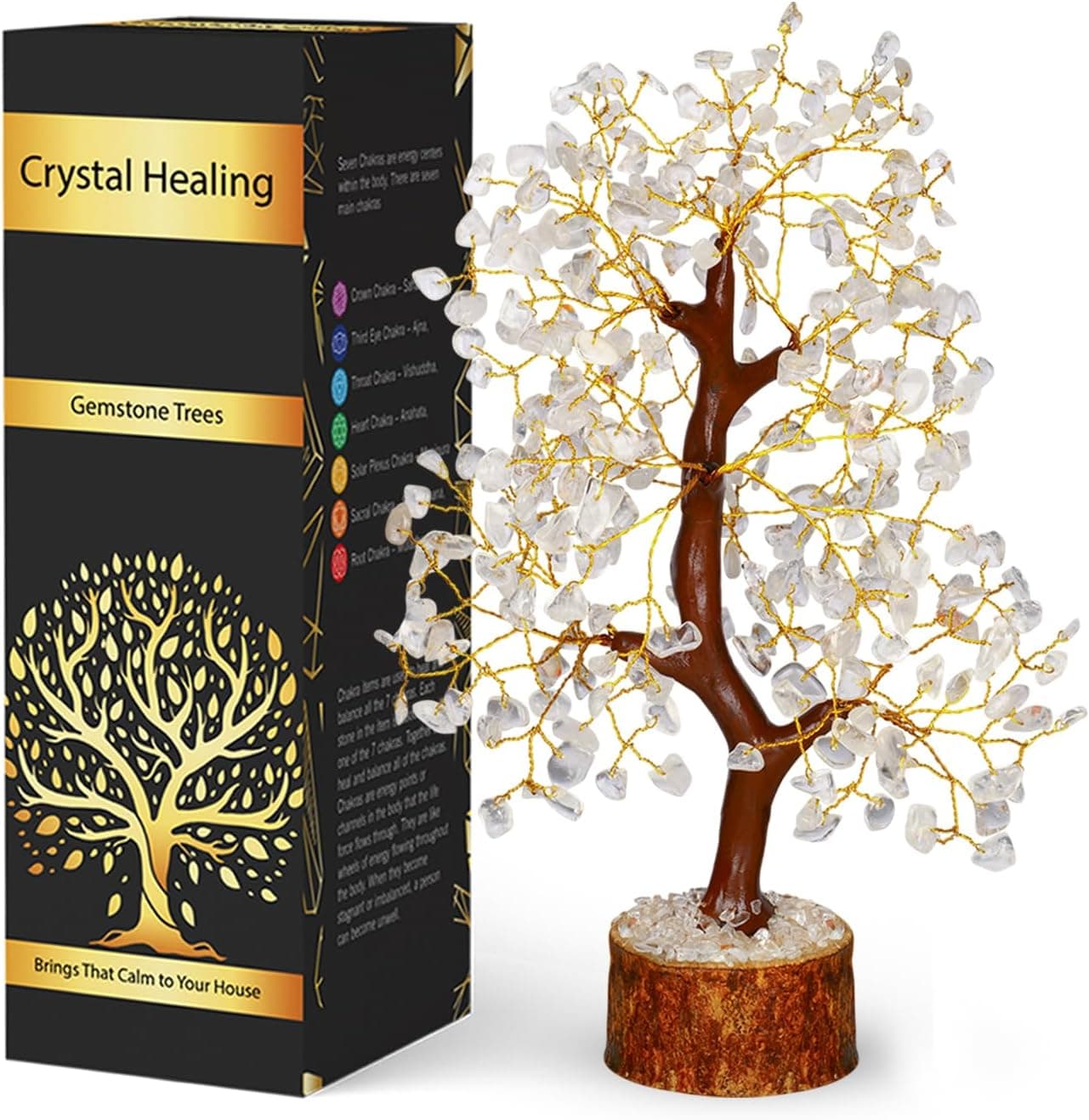
-50%NARIBABU Clear Quartz Crystal Tree, Healing Crystals Gem Tree, Gifts for Wome...
 -19%
-19%Feng Shui Hanging Ornaments Decor,Wu Lou Golden Gourd,with Red Luck Strip Tas...
Code: 7384U7JW
 -19%
-19%Wind Chimes for Outside with 5 Bell Unique Copper Musical Chimes Feng Shui Wi...
 -5%
-5%YU FENG Evil Eye Money Tree, Blue Feng Shui Decor with Golden Buddha
As an Amazon Associate, we earn from qualifying purchases. We only recommend items our practitioners have personally tested.
Continue Your Journey
Explore these related guides to deepen your understanding:


Ready for Deeper Guidance?
Try our free I Ching reading for personalized wisdom, or explore our curated Feng Shui essentials.