A bedroom mirror can calm a small room or keep your mind on duty all night. The difference is placement, not superstition.
A mirror sees everything, but a bedroom should not
If you can see the bed in the mirror from your pillow, that reflection is doing more than decorating the room. It is keeping the room visually active, and a bedroom in 2027 needs the opposite: less watching, more settling.
I have seen this in a narrow master bedroom with pale gray walls, a brass lamp, and a mirrored wardrobe facing the bed at a slight angle. The couple slept better the first night they threw a navy scarf over the closet doors. That was not magic. It was relief. The room stopped asking for attention.
This is where a lot of people get misled by the word mirror. They assume reflection always expands space, always brightens, always helps. In a living area, that can be useful. In a bedroom, especially one already running hot with movement, light, and stress, reflection can turn recovery into vigilance. If you want the larger context for room balance, the logic behind the bagua map framework helps, but the bedroom has its own rules.
In 2027, the question is not whether mirrors are allowed. The question is whether they interrupt sleep, privacy, and the feeling that the room is holding you instead of observing you.
When reflection becomes interruption
A mirror creates visual novelty, which is exactly why it can be disruptive at night. The brain is built to notice change because change may signal movement, entry, or risk. A glint from a streetlight on the glass, a reflected hallway door opening, a shadow shifting across the wardrobe surface—those small cues keep the nervous system slightly on alert, even when the room is otherwise still.
That is why bedroom mirrors can feel harmless in daylight and annoying at night. In the daytime, the mind can file the reflection away as part of the decor. After dark, the same surface becomes a repeated check point: the room is not only seen; it is re-seen. Behavioral science makes this plain. Every extra cue that invites scanning or adjustment makes it harder to downshift into sleep, because sleep depends on reduced monitoring and fewer decisions.
Traditional feng shui says the same thing in different language. A bedroom should allow qi to settle, which is another way of saying the room should stop broadcasting movement. A bright, active reflection keeps energy circulating instead of collecting. That does not mean every mirror is harmful. It means the mirror has to stop acting like a second window, especially when the bedroom is meant to recover the body rather than entertain the eye.
That principle matters even more in 2027 because many homes are being pushed toward multi-use bedrooms. Work, storage, and sleep get crammed together, which means the room already carries too many signals. The more functions a bedroom has, the more important it becomes to cut visual noise after dark. For color balance in a sleep space, compare your setup with bedroom color choices that support rest, because mirrors and color amplify each other.
How a mirror changes the room, one cue at a time
The mechanism is simple. Input: reflected movement, reflected light, reflected self-image. Step 1: your attention catches it. Step 2: your brain checks whether it matters. Step 3: your body receives a small alert. Output: a room that looks quiet but feels busy.
That alert does not have to be dramatic to matter. A tiny flash from a bedside lamp bouncing off mirror glass can be enough to keep the mind from crossing fully into rest, especially if it happens more than once as you shift in bed. The same is true of seeing your own outline when you turn over at 2 a.m. You may not wake fully, but you often stop sleeping deeply because part of your attention has been pulled back into the room.
Philosophically, the bedroom is a place of being, not performing. You are not there to manage how the room presents itself. You are there to disappear into it a little. Mirrors work against that when they keep offering an image back to you, because every reflection reminds the mind that it is still being observed. The room begins to feel public, and privacy is not a luxury in sleep; it is part of the function.
In one apartment bedroom I walked through, the bed sat along the left wall, the closet mirrored doors were on the right, and the pillow faced the reflection at a distance of about six feet. The tenant kept wondering why the room felt colder after midnight. The answer was not temperature. It was exposure. Once the bed was shifted so the mirror stayed visible only from the doorway, the room changed tone immediately because the sleeping body was no longer in the mirror’s line of attention.
If you are tracking seasonal adjustments for the year, pair bedroom decisions with the larger annual pattern. The bedroom does not exist in isolation, and some households will benefit from a broader look at the 2027 star pattern, especially when a sleep room sits in an already active sector.
The exact bedroom mirror cases that create harm
The worst setup is a mirror directly facing the bed, especially when the pillow can catch the reflection. That placement keeps the sleeping body in the field of view all night, which is a poor trade for a room meant to restore you. In feng shui terms, it is too much yang for too long, and in practical terms it means the bed never fully leaves the room’s active visual circuit.
A second problem shows up in child bedrooms. A mirror opposite the bed can make nighttime movement seem larger than it is, because the reflection doubles the visual event and gives it more presence than the original motion. I have seen rooms where a child woke repeatedly, not because the room was noisy, but because reflected motion from a fan and a hallway light kept the space feeling active. The room was technically still, yet the eyes kept finding reasons to stay engaged.
Freestanding mirrors can be just as disruptive if they catch the bed, the doorway, or a night lamp from an angle. People often think the issue is only mirror size. Not true. A small mirror with a sharp line of sight can be worse than a larger one that reflects nothing important. Placement beats scale because sleep is interrupted by what the mirror shows, not by how much glass is on the wall.
Mirrored closet doors deserve special scrutiny because people leave them in place out of habit. They are practical, yes, but practical does not automatically mean restful. If you can see the bed from the pillow in the reflection, the room is still talking to you when it should be quiet, and that constant visual conversation can make it harder to settle back into sleep after brief waking.
There is one more case people miss: a vanity mirror that faces sideways toward the bed. It may not show your face directly, yet it can still throw movement, lamp light, or the edge of the mattress back into view. That is enough to keep a light sleeper half-alert. For broader adjustments around the room, you may want to compare those choices with the guidance in how a sleeping room is usually organized, then narrow it down for your actual layout.
Low-effort fixes for real 2027 bedrooms
Start with the pillow, not the mirror. Lie down in the dark and look from your usual sleep position. If the mirror is visible, ask whether it is reflecting movement, the doorway, or the bed itself. If the answer is yes, that is your signal. You do not need a renovation to test the effect.
For renters, the easiest fix is often angle control. Slightly shift the bed so the mirror sits outside the direct line of sight from the pillow. In a narrow apartment bedroom, even six inches can change the visual field enough to soften the room because the mirror stops competing with the body for attention. If the mirror is built into a closet door, use opaque film, a curtain, or a fabric panel at night. Temporary beats perfect.
If you are dealing with a child’s room, cover the mirror after bedtime or move it to a spot that only catches daylight and not the sleeping area. That keeps the room from feeling busy when the child needs stillness. This is not about fear. It is about reducing nighttime cues that pull attention back to the room and make settling harder.
Light matters too. A lamp with a bare bulb can bounce hard off glass. A shaded lamp with a warmer glow is easier on the eyes and less likely to produce flashing highlights. That is a small adjustment, but small adjustments are what bedrooms usually need. Do not keep adding cures. Remove stimulation first, then see whether the room is calmer before changing anything else.
When people ask me about the best fixes for 2027, I usually start with subtraction. Fewer reflective angles. Fewer objects competing for attention near the bed. Less visual drama after dark. If your room still feels restless, compare it against the yearly adjustments in the 2027 annual remedies pattern, but keep bedroom recovery as the priority.
Balance, not ban
Mirror harm is not universal. A mirror that faces a closet wall, catches morning daylight, and stays out of the pillow’s line of sight can actually help a cramped bedroom feel less boxed in. The trouble starts when reflection becomes an all-night companion.
That is the practical line: use mirrors to open space, not to animate sleep. If a mirror only makes the room brighter in the morning and calmer at night, it is doing its job. If it lets your bed stare back at you, it is not serving the room.
People sometimes want a mystical answer here, and there is a cleaner one. The bedroom should support recovery by lowering stimulation, lowering self-consciousness, and lowering the number of things your mind needs to track. Mirrors can either help that process or quietly sabotage it. The room will tell you which one is happening.
One last detail matters more than people expect: if you wake up and feel exposed before you even sit up, the mirror may be part of the problem. That feeling is often the clue. Sleep should begin with less watching, not more.
For homes that use mirrors as part of a wider aesthetic, the design choice is still workable. Just keep the reflective surface away from the bed line, away from late-night lamp glare, and away from the doorway if the room already feels busy. That is the real 2027 test: not whether the mirror looks good, but whether the room lets go of you when the lights go out.
Common mistakes that make the problem worse
One frequent mistake is leaving a mirrored wardrobe uncovered because the room seems too small without it. Small rooms do need visual breathing room, but not at the cost of sleep. A fabric covering at night can preserve both.
Another mistake is buying a decorative mirror and hanging it where it can catch the bed from the footboard. People think the issue is hidden because the mirror is stylish and high on the wall. It is not hidden from the nervous system. If the reflection is visible from the pillow, the effect is real.
For related placement problems in other rooms, many readers also benefit from studying front door energy flow, because the same principle applies: what you face repeatedly shapes how you feel, think, and move.
FAQ
Should a bedroom mirror always be removed in 2027?
Not automatically. A mirror that stays out of the bed’s line of sight can be useful in a small room because it reduces the boxed-in feeling. The issue is visibility from the pillow and whether the reflection creates nighttime motion or glare.
What if the mirror is built into closet doors?
Covering it at night is usually the simplest answer. I prefer a reversible fix for renters and shared spaces because it lets you test the effect before making a permanent change.
Can a mirror actually affect sleep quality?
Surprisingly, yes. The brain tracks reflected movement and light, so even subtle flashes can keep part of your attention on duty instead of fully resting.
What is the safest mirror position for a bedroom?
Place it where it reflects light or openness, not the bed. If you cannot stand at the pillow and see yourself clearly, you are usually in better territory.
Mei Chen
Traditionally informed guidance • Cross-referenced with classical Chinese source texts
Content draws from both Compass (Luopan) and Form (Xingshi) school traditions. Illustrative examples are composites based on consultation experiences.
Practitioner-Selected Tools for This Topic
Items our team has tested and found effective for the principles discussed above. Individual results may vary.
 -19%
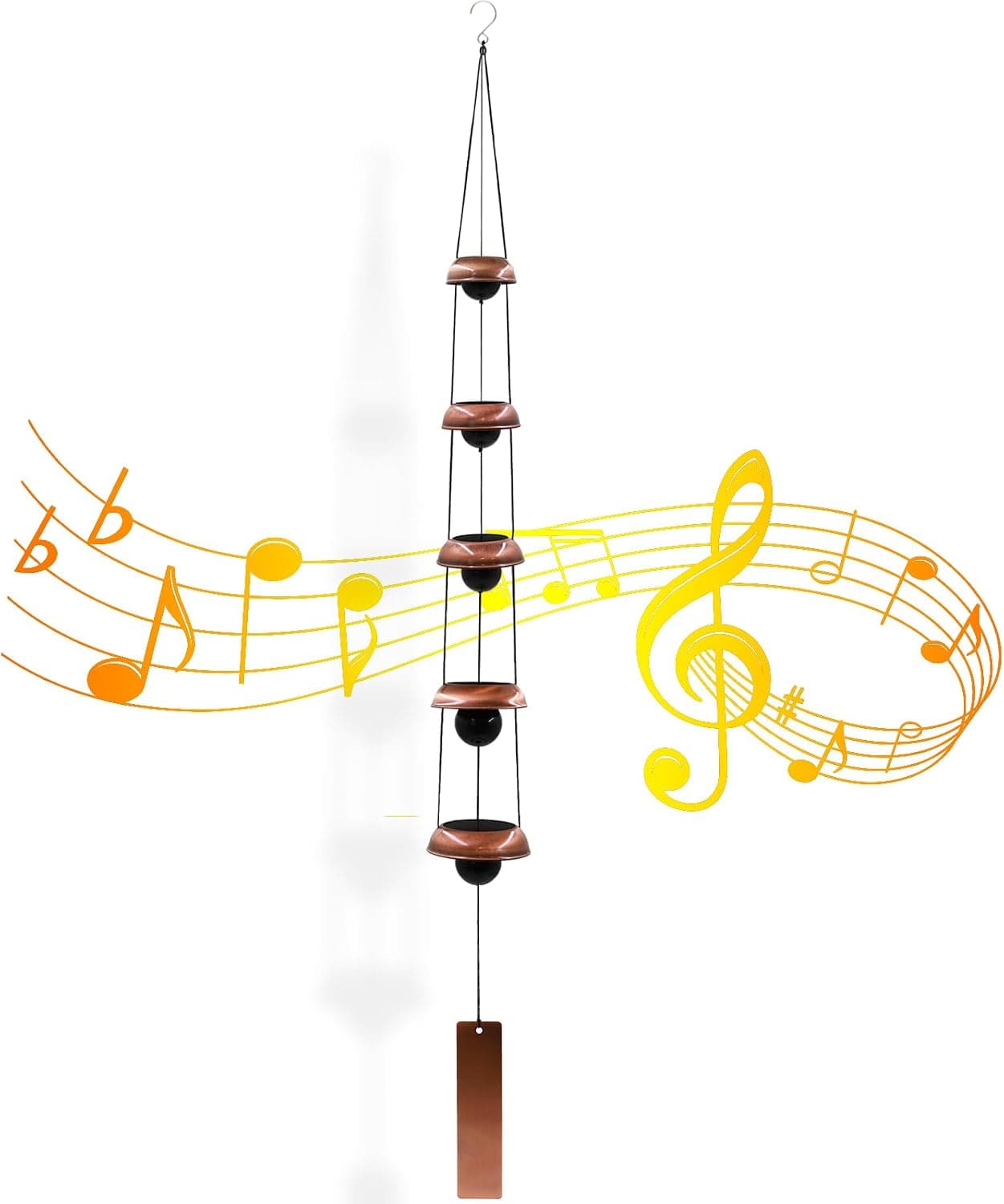
-19%Wind Chimes for Outside with 5 Bell Unique Copper Musical Chimes Feng Shui Wi...
 -5%
-5%YU FENG Evil Eye Money Tree, Blue Feng Shui Decor with Golden Buddha
 -29%
-29%Karma and Luck March Birthstone Crystal Tree of Life, Aquamarine Gemstone Fen...
 -29%
-29%Karma and Luck July Birthstone Crystal Tree of Life, Ruby Gemstone Feng Shui ...
As an Amazon Associate, we earn from qualifying purchases. We only recommend items our practitioners have personally tested.
Continue Your Journey
Explore these related guides to deepen your understanding:


Ready for Deeper Guidance?
Try our free I Ching reading for personalized wisdom, or explore our curated Feng Shui essentials.