A plant next to a fountain can look prosperous and still make a room harder to use, maintain, and think in.
When the Year Turns, the Corner Tells the Truth
Place a leafy plant beside a tabletop fountain in early 2027 and you may get a corner that looks lively in photos but feels strangely demanding in daily life. The leaves shine, the water flashes, the stones look expensive, and yet the space starts asking for attention instead of giving it back. That is the first lesson in feng shui 2027 predictions: the year is not only about which direction is lucky, but about which elements can actually work together without stealing each other’s job.
I have seen this most clearly in a living room where a homeowner set a jade plant inches from a black ceramic water bowl near the east wall. In daylight it looked polished. By week two, the soil stayed too damp, a faint cool smell lingered, and the family began avoiding that corner because it felt visually busy and oddly unfinished. The room did not become “bad.” It became unclear.
That is the real problem. Water and wood support each other in the elemental cycle, but when both are made equally loud, the room loses hierarchy. One element should lead, and the other should feed it quietly. When both compete for attention, the mind experiences the space as maintenance, not refuge.
The same thing happens in a desk corner. I have watched an office worker place a trailing plant beside a small fountain on the right side of the monitor, hoping for focus, cash flow, and “good energy.” The result was the opposite: moving ripples, glossy leaves, damp stones, and a constant sense that the desk needed wiping, straightening, or watering before any real work could begin.
The bagua map helps people locate where a room is supposed to support rest, movement, or output. But location is only half the story. A corner can sit in the correct sector and still fail if the element mix makes the space feel crowded, wet, or over-signaled.
The Tension in the Room: Water and Wood Stop Helping Each Other
Water feeds wood, but support is not the same thing as escalation. In feng shui terms, a small amount of water can nourish growth, while too much water creates softness without structure. The plant may look lush for a while, but the room starts to absorb the cost: dampness, slower cleanup, and a corner that feels managed rather than settled.
The deeper issue is that the two elements begin to compete for prominence. Leaves, ripples, reflective surfaces, stones, and gloss all push the eye in slightly different ways. Instead of one clear message, the corner becomes a cluster of signals saying growth, motion, care, and display at the same time. That creates friction because the mind has to sort the scene before it can relax into it.
This is why adding “good” symbols does not always improve a room. Each object may carry a positive meaning in isolation, but rooms do not work by dictionary entry. They work by hierarchy, maintenance, and how the setup changes behavior over time. If the arrangement increases cleaning, watering, or visual processing, the symbolic gain gets canceled by daily drag.
For a deeper seasonal lens, the 2027 flying stars chart matters because annual timing changes how a setup lands. A combination that felt tolerable in one year can feel more abrasive in another if the annual climate already pushes a sector toward activity, pressure, or repair. The year does not force a result. It shifts the margin for error.
How the Mechanism Works, Step by Step
Start with the intention. Water suggests flow, cash movement, and ease, so people add a fountain or bowl to invite those qualities. Then they add a plant because wood suggests growth, vitality, and upward momentum. The logic sounds coherent on paper: one element nourishes the other, so the corner should become more alive.
Step one is physical. Water changes the microclimate around the plant, especially in a small room. If the fountain sits close enough to keep the leaves cool or the soil damp, the plant may need less watering but more monitoring, pruning, and cleaning. That means the corner begins to require upkeep whether or not the owner planned for it.
Step two is perceptual. The eye does not separate symbols one by one. It reads the whole field at once. A tabletop fountain beside a dense green plant makes the area feel fuller, darker, and more saturated than either object would alone. That can feel rich for a moment, then tiring if the corner sits near a doorway, desk, or bed.
Step three is behavioral. People avoid what asks too much of them. They walk past the corner faster. They postpone refilling, dusting, or pruning. Over time, the arrangement stops acting like a cure and starts acting like a small unfinished task. That matters because unfinished tasks shape mood more reliably than symbolism does.
Step four is relational. In a shared home, the person who likes the symbolism is not always the person who has to maintain it. If one object creates recurring friction around cleaning or watering, the issue is no longer feng shui alone. It is domestic coordination, and the room will reveal that mismatch very quickly.
The front door is a useful place to test this logic because first impressions are ruthlessly honest. If a threshold corner has both water and wood crowding the visual field, guests may not say anything, but they will feel the lack of breathing room before they know why.
Mei Chen
Traditionally informed guidance • Cross-referenced with classical Chinese source texts
Content draws from both Compass (Luopan) and Form (Xingshi) school traditions. Illustrative examples are composites based on consultation experiences.
Practitioner-Selected Tools for This Topic
Items our team has tested and found effective for the principles discussed above. Individual results may vary.
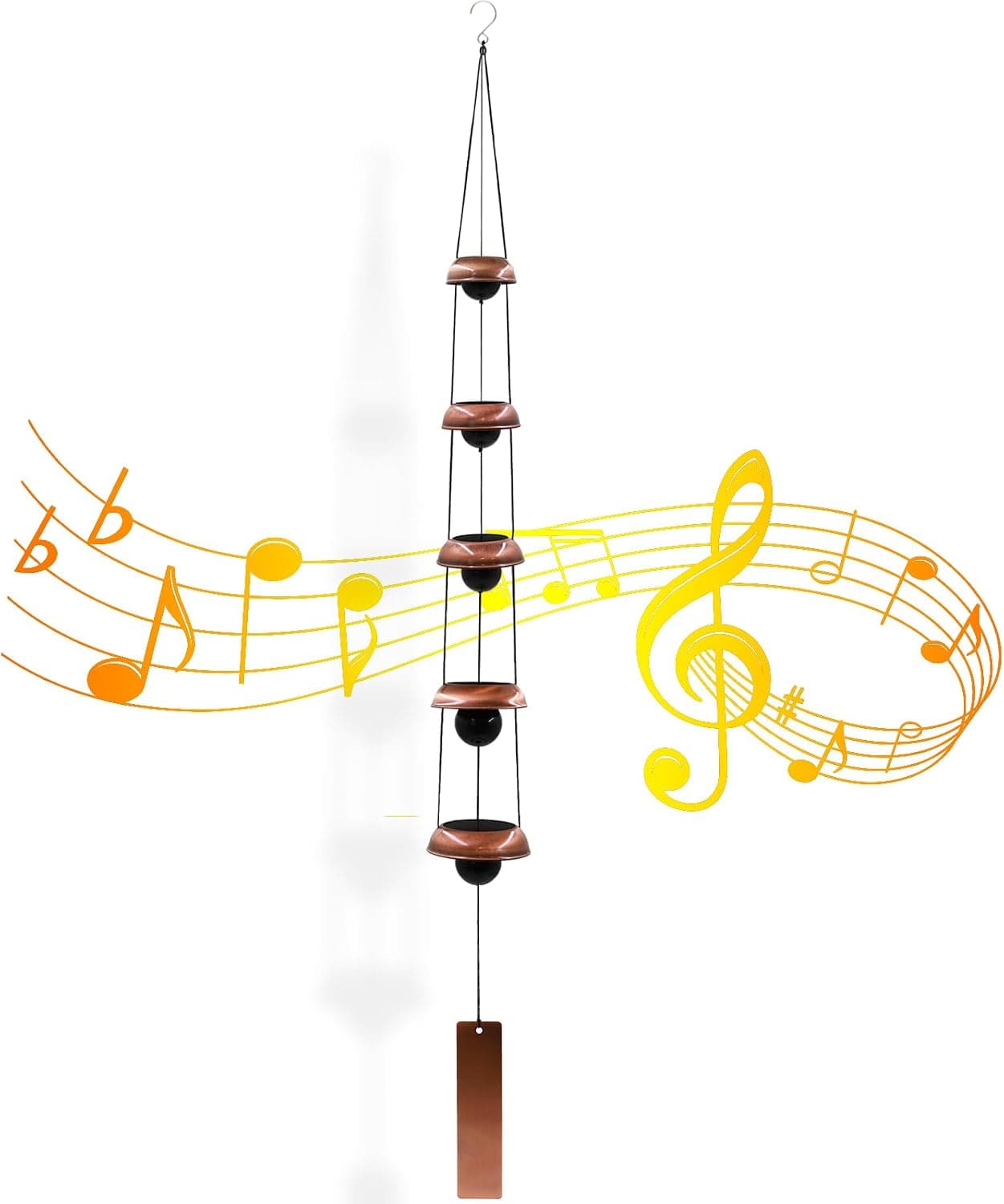 -19%
-19%Wind Chimes for Outside with 5 Bell Unique Copper Musical Chimes Feng Shui Wi...
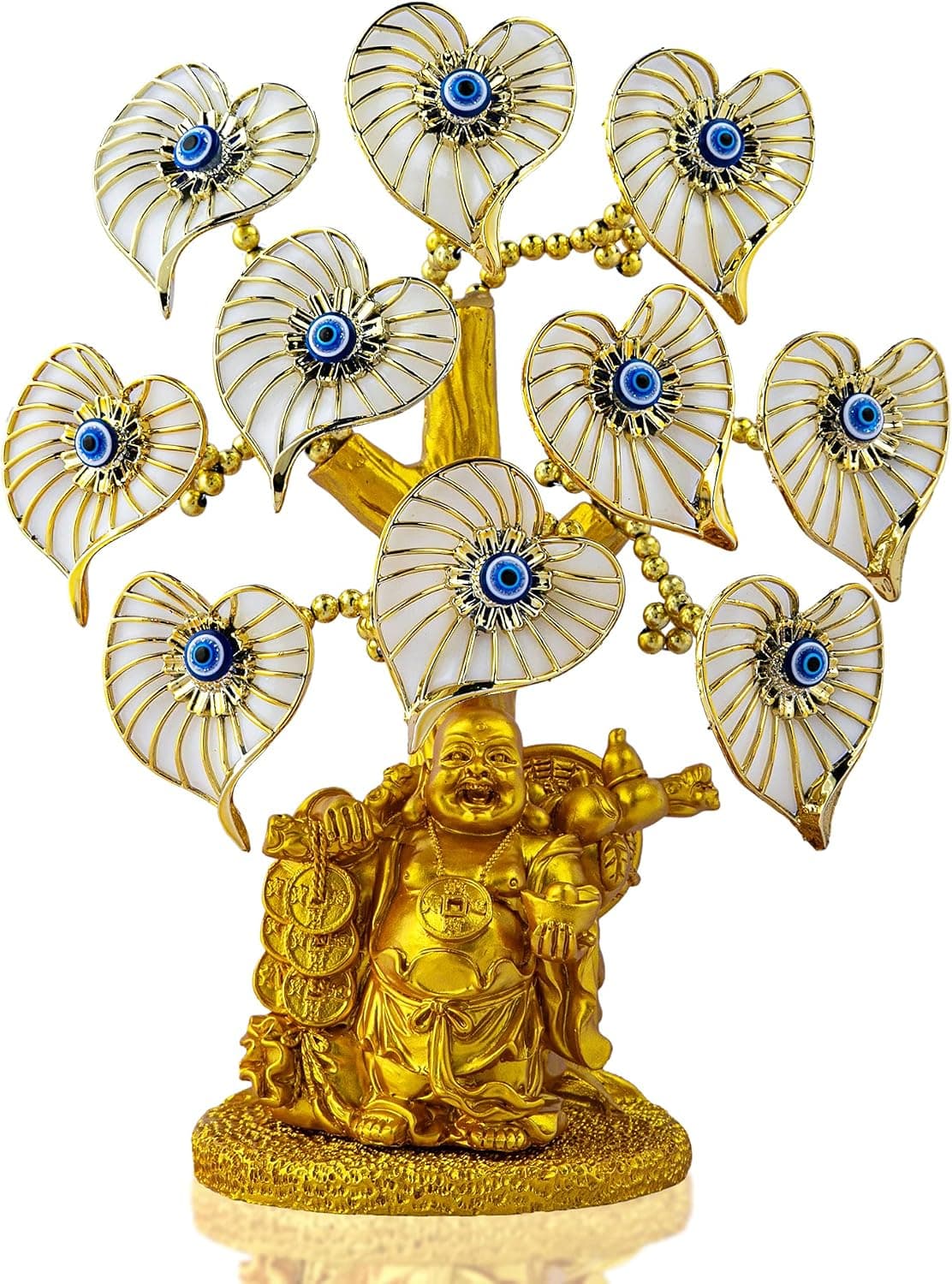 -5%
-5%YU FENG Evil Eye Money Tree, Blue Feng Shui Decor with Golden Buddha
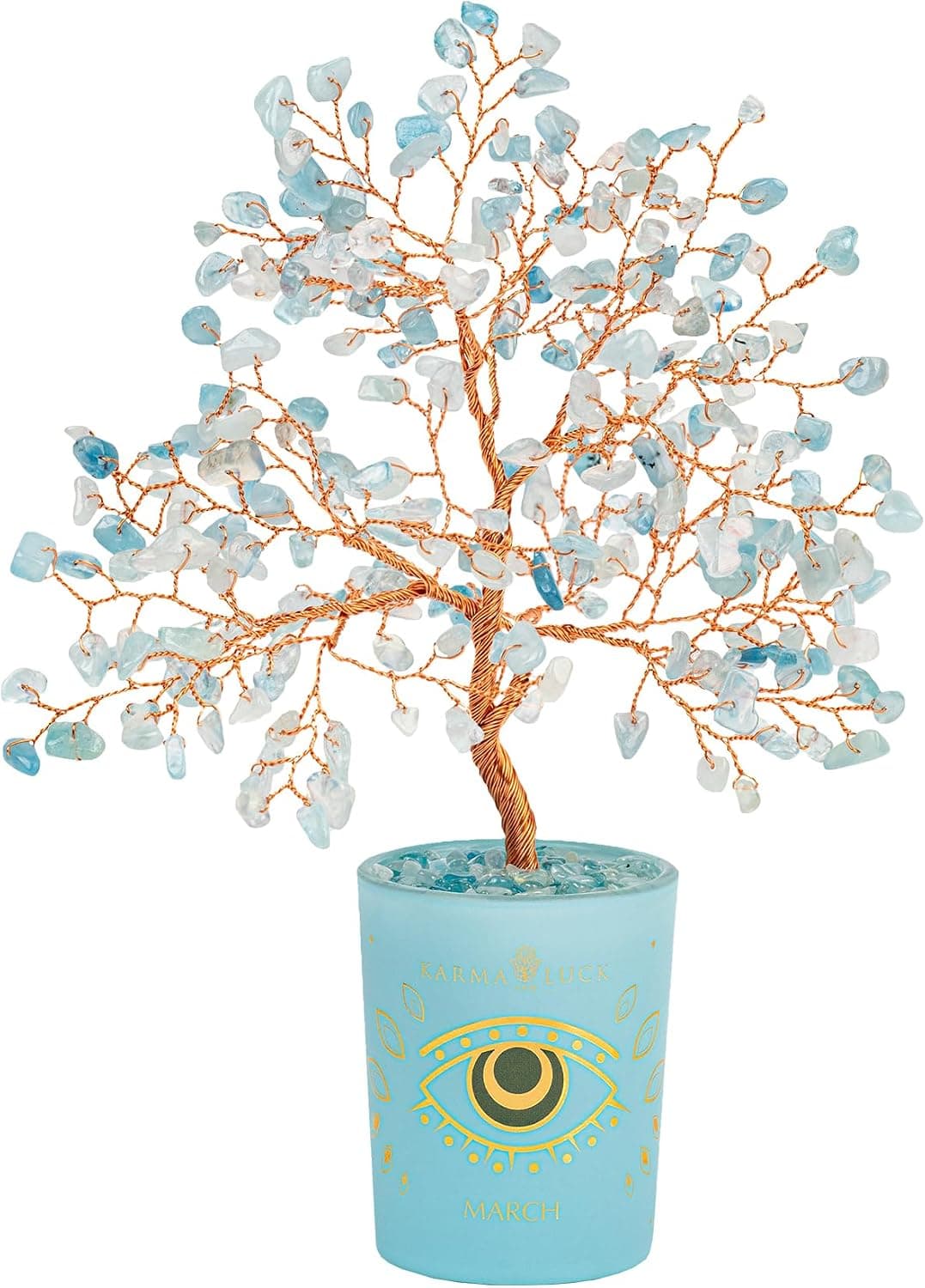 -29%
-29%Karma and Luck March Birthstone Crystal Tree of Life, Aquamarine Gemstone Fen...
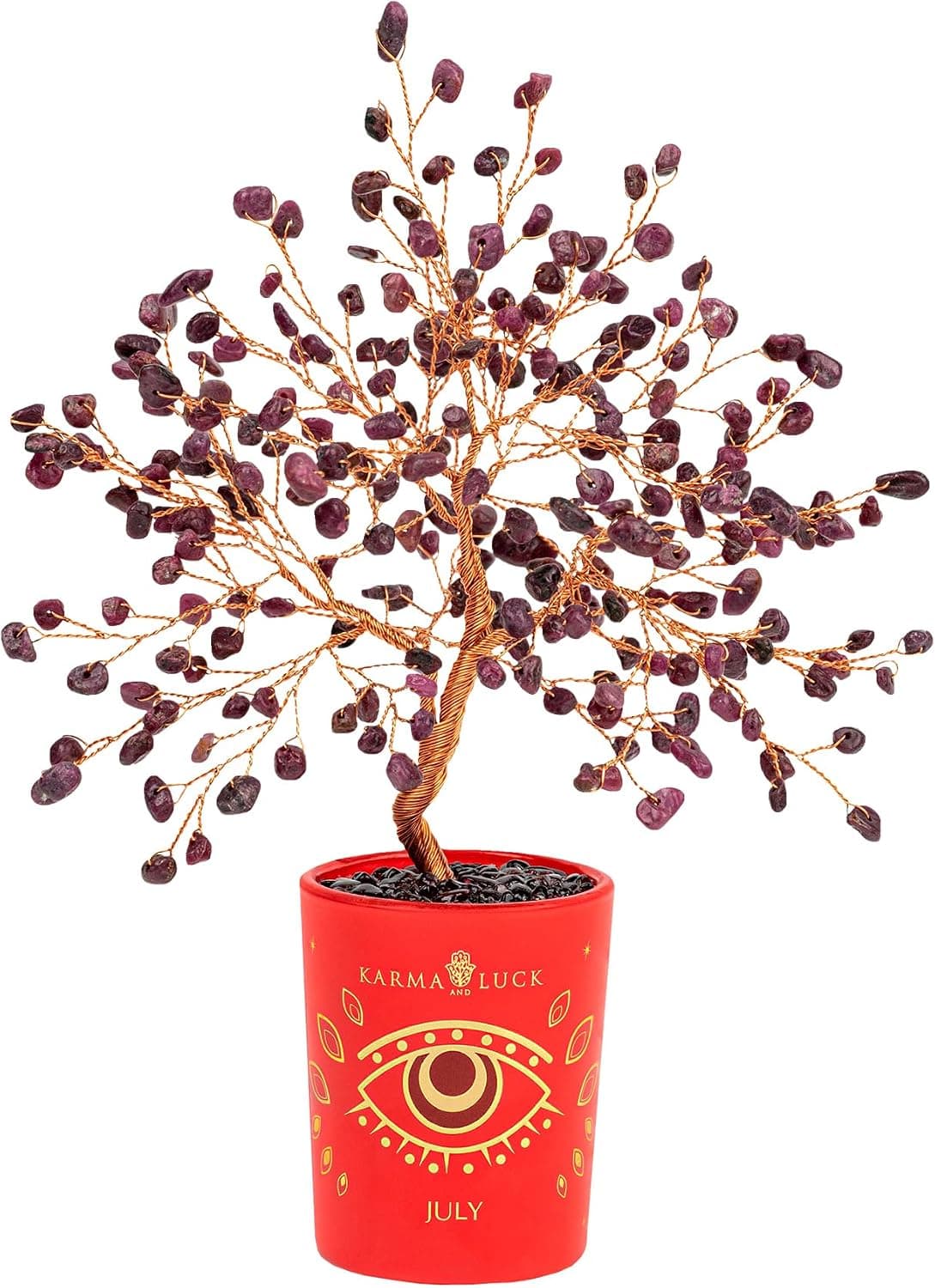 -29%
-29%Karma and Luck July Birthstone Crystal Tree of Life, Ruby Gemstone Feng Shui ...
As an Amazon Associate, we earn from qualifying purchases. We only recommend items our practitioners have personally tested.
Continue Your Journey
Explore these related guides to deepen your understanding:


Ready for Deeper Guidance?
Try our free I Ching reading for personalized wisdom, or explore our curated Feng Shui essentials.