Remove a wall too quickly and the Rat’s 2026 support can leak away before you notice.
The Hidden Truth About rat chinese zodiac-2026-predictions
The usual advice treats open plan space like an upgrade: more light, more visibility, more flow. Yet for Rat energy in 2026, that missing wall can turn a useful current into a draft that never settles anywhere.
I’ve seen this in a loft kitchen where the dining table sat under a black metal pendant, eight feet from the sofa and directly in line with the front door. The owner had followed every Rat-friendly suggestion she found online, including a tidy desk, a bowl of coins near the entry, and a blue cushion on the sofa. By March, she was still tired, the bills were getting paid late, and she kept moving her laptop from room to room because nothing felt anchored.
The mechanism is simple once you stop romanticizing open space. Rat belongs to Water, and Water needs containment before it can nourish anything. Remove walls, merge rooms, and you often remove the pressure that lets qi collect; the result is movement without retention, which looks dynamic but behaves like leakage.
That is why common advice can backfire. A wide living-dining area may look elegant, but if the seating floats in the center with no backed edge, the nervous system stays alert. People say they want openness, then wonder why they cannot rest. Oddly enough, the room answers first.
For a deeper frame on how directional reading feeds the whole layout, see reading a feng shui compass without guessing, because the Rat's 2026 pattern makes more sense when orientation is not treated as decoration.
And if your layout keeps feeling “off” even after you place the obvious cures, the issue may be elemental, not cosmetic; five elements theory explained through real rooms shows why a space can look balanced and still behave badly.
One more thing: an open plan does not erase boundaries, it just makes them invisible. Invisible boundaries are the hardest ones to manage.
Step One: Containment Comes Before Activation
Rat year advice often jumps straight to activation cures, but activation without containment creates scatter. In practical terms, that means the busiest zone in the room needs a backstop: a console behind the sofa, a tall plant at the edge of the seating area, or a rug that clearly defines the living zone from the circulation path.
Because Water moves fastest along straight lines, long sightlines from the door to the window can drain momentum before it gathers. In a north-facing apartment, especially, an uninterrupted corridor from entry to balcony behaves like a funnel. You notice it in small ways first: unopened mail on the counter, a charger disappearing every other week, a strange reluctance to sit at the dining table after dark.
That is not superstition. The brain reads undefined edges as temporary space, and temporary space invites temporary behavior. People do not fully settle in what does not feel claimed.
Place the strongest anchor where the eye lands first. A dark-backed chair, a bookcase with weight, or even a closed-panel screen three feet behind the sofa changes the room’s pacing because it tells the body where to stop. This is especially useful if the room has glossy floors and pale walls, which make every object seem farther away than it is.
For a structured home-level approach, the front door pattern that changes how qi enters is worth studying, because Rat energy never begins in the center of the room; it starts at the threshold.
Step Two: The Rat Needs a Place to Hide, Not Just a Place to Move
A common mistake is assuming the Rat thrives in exposure. It does not. The Rat’s strength comes from sensing routes, corners, and exits, which means a room with nothing to lean into can feel strangely harsh even when it is spotless.
Take a studio with one west window, a gray sofa, and a glass coffee table sitting in the middle like a showroom prop. The owner had removed two partial walls to “open everything up,” and the space looked twice as large as before. She also started sleeping less, eating on the couch, and avoiding calls near the window because there was nowhere to retreat without leaving the room.
That is the hidden cost of over-openness: your attention keeps getting pulled outward. In feng shui terms, the room loses yin support. In human terms, you stop feeling privately held, so your energy stays on watch.
Add one protected nook. A reading chair angled away from the main traffic line, a small lamp in the far corner, or a low cabinet that breaks the glare can restore the sense that the room contains more than one mode of living. Open floor plans often need pockets, not more air.
If you want to see how room shape creates these traps, compare it with the L-shaped apartment problem; both layouts can look modern while quietly forcing energy to spin instead of settle.
Not all openness is freedom. Sometimes it is exposure wearing a nice shirt.
Step Three: Directional Pull in 2026 Changes the Equation
2026 does not reward generic fixes. The yearly pattern matters because annual energy falls into different sectors, and an open-plan layout spreads those influences across multiple functions at once. When the dining area, work zone, and lounge all occupy one broad rectangle, a single disturbance can tint every use in the space.
That matters for Rat because its water signature responds quickly to environmental pressure. A room with too much visual reach can amplify the year’s nervousness: work bleeds into meals, meals bleed into rest, and rest never gets a clean border. I’ve watched this happen in a home where the owner’s desk faced the kitchen island; by the third week of the year, she was answering emails over breakfast and forgetting lunch entirely.
Fixing that does not require rebuilding the apartment. It requires introducing sequence. Put the work surface so it does not look directly into the longest uninterrupted run of the room, then interrupt the line with a plant, a shelf, or even a fabric panel. The point is to slow the eye so the body follows.
For room-by-room timing and sector logic, 2026 flying stars remedies by room gives the yearly map that makes these adjustments less random.
Sequence matters more than style here.
And if you are tempted to rely on lucky objects alone, the coin placements article shows where money symbols actually behave like control rather than clutter, which is a very different thing.
Step Four: The Back Wall, the Door, and the Missing Pressure
Most open plan failures begin at the back wall. Or rather, the lack of one that feels dependable. A sofa floating in space may photograph well, but if you can see movement behind your head all day, the body never fully exits alert mode.
The fix is mechanical, not mystical. You want a stable surface behind the primary seat, a clear path in front, and no sharp traffic cutting across the person who spends the most time there. In a family room painted soft beige, I once moved a loveseat six inches closer to the wall and shifted a brass floor lamp from the left side to the right; the room instantly felt less twitchy, and the children stopped dumping backpacks in the central walkway because the middle no longer looked like a dumping ground.
That small change worked because qi follows the shape of permission. Give it an edge, and it slows. Give it a void, and it keeps searching.
For bedrooms, the same rule grows even stricter, which is why bedroom flow and quiet support deserves its own attention if your open plan includes a sleeping alcove. Shared zones make sleep easier to disrupt than most people expect.
And no, a mirror is not a substitute for structure. Mirrors amplify what is already there; they do not create containment.
Step Five: Adjustments That Actually Change the Pattern
Start with the longest sightline. Break it once. Not ten times. One clean interruption is often enough to change how the room behaves, because the eye stops racing and the body gets a signal that the space has sections.
Then address the seat used most often. If the sofa faces the door with no backing, rotate it if possible or create a supportive line behind it with a shelf, a cabinet, or a substantial plant. If the desk sits in the center of the room, move it so there is a wall behind the chair and a clear view ahead; that arrangement usually does more for focus than any decorative cure.
Use materials with some weight. Matte wood, woven fabric, ceramic, and darker tones tend to give a room more retention than glass and polished metal. This is not about making everything heavy. It is about giving Water somewhere to pause.
One more practical correction: do not scatter Rat-themed objects everywhere. A single well-placed item can support the pattern; a cluster of them can feel like a sales display. The room does not need to be reminded that it has a theme.
And because many people skip the internal logic of Chinese metaphysics, changing lines in I Ching reading is useful if you want to understand why a seemingly lucky setup turns unstable once the surrounding conditions shift. Symbol alone never outperforms context.
That is the part most advice leaves out. It sells objects and forgets structure.
What Fails First in an Over-Open Rat Layout
Sleep usually goes first. Then spending. Then concentration. The order can vary, but the sequence is familiar: the room looks impressive, the body stays unsettled, and little domestic errors begin to multiply. Someone leaves the refrigerator door open, misplaces keys near the sink, or buys duplicate household items because there is no fixed landing zone for anything.
Sound behaves differently too. In open layouts, voices bounce farther, so even a calm conversation can feel sharper than it should. That matters in a Rat year because the mind already scans for change; added acoustic scatter keeps the system from dropping into rest.
Here is the simple test. Stand in the main living area at 9 p.m. with only one lamp on. If the room still reads like a corridor, the structure is too thin for the year’s demands. If the eye knows where to pause, where to turn, and where to sit, you are closer to balance than any glossy makeover could deliver.
People often want a bigger home feeling without adding walls. Fair enough. Yet sometimes the old wall was doing exactly the job you needed, and the new freedom is just making you work harder to find yourself.
For a wider frame on how entry movement sets the tone for everything behind it, the front door color that shifts first impressions pairs well with this question of containment, because the threshold is where the pattern begins.
So what should a Rat do in 2026 if the home is open and airy? Shape the air. Give it edges. Let the room hold one clear story at a time. The blank space between the sofa and the kitchen island looks innocent until you notice how often everyone avoids it after dark.
FAQ
Is conventional rat chinese zodiac-2026-predictions advice reliable? Often not, because it skips the layout mechanism. Advice that ignores walls, sightlines, and seat support may sound correct but fail in a real room where energy disperses instead of collecting.
Do open plan homes automatically weaken Rat luck in 2026? Not automatically, but they raise the burden on structure. If there are no clear zones, no backed seating, and no visual breaks, the space usually behaves as if it cannot settle.
What is the fastest fix if I cannot add walls? Break the longest visual line and give the main seat a solid back. A rug, a shelf, and one anchored corner can change the room faster than a shelf full of symbolic objects.
Should I place more Rat symbols to compensate? Counterintuitively, no. One well-situated object can support the year; too many can create noise and make the room feel like it is trying too hard.
How do I know my layout is leaking energy? Watch for repeated little frictions: misplaced keys, late bills, restless evenings, or a habit of standing instead of sitting. Those details usually appear before anyone notices the deeper pattern.
David Liu
Traditionally informed guidance • Cross-referenced with classical Chinese source texts
Rooted in classical Chinese metaphysics and cross-referenced with original texts. Product recommendations are based on traditional symbolism, not guaranteed outcomes.
Practitioner-Selected Tools for This Topic
Items our team has tested and found effective for the principles discussed above. Individual results may vary.
 -29%
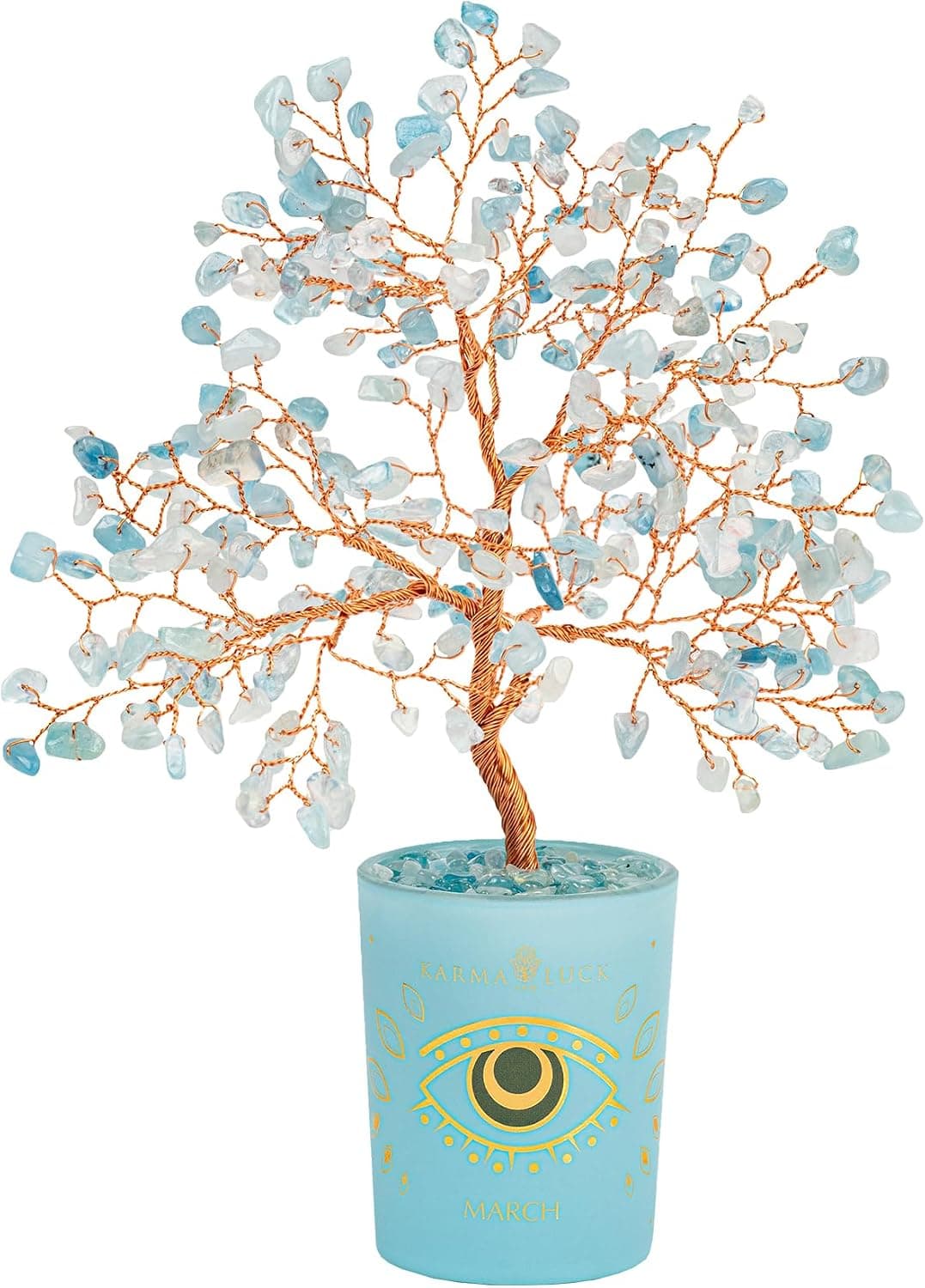
-29%Karma and Luck March Birthstone Crystal Tree of Life, Aquamarine Gemstone Fen...
 -29%
-29%Karma and Luck July Birthstone Crystal Tree of Life, Ruby Gemstone Feng Shui ...
 -29%
-29%Karma and Luck February Birthstone Crystal Tree of Life, Amethyst Gemstone Fe...
 -50%
-50%biuufish Feng Shui Black Obsidian Bracelet for Men Women, 24K Gold Plated Pix...
As an Amazon Associate, we earn from qualifying purchases. We only recommend items our practitioners have personally tested.
Continue Your Journey
Explore these related guides to deepen your understanding:

Ready for Deeper Guidance?
Try our free I Ching reading for personalized wisdom, or explore our curated Feng Shui essentials.