A Dragon’s 2026 outlook changes the moment you stand in the doorway and look straight ahead.
The Real Story Behind Chinese Zodiac Dragon-2026-predictions
Examining Chinese Zodiac Dragon-2026-predictions more carefully uncovers details that standard references skip. People read the year, circle the lucky months, and then wonder why the same old friction shows up at home, at work, and in their sleep. I’ve watched that pattern repeat in apartments with spotless altars and offices with expensive cures. The missing piece is not the zodiac date. It’s the first five seconds after you enter a room.
Stand in the doorway and look forward. That line of sight tells you whether the year will feel open, stalled, or oddly combative, because the Dragon in 2026 does not reward vague intention. It reacts to what the body reads instantly: blocked passage, hard edges, clutter at eye level, or a clear corridor that lets breath drop. That mechanism matters more than many people want to admit. Not even close.
In one Shanghai-style apartment I visited in late autumn, the owner had followed every online Dragon rule she could find. She bought a red desk lamp, a jade charm, and a gold folder for “wealth activation.” Yet every morning she walked in through a narrow foyer and saw a mirror tilted toward the stair landing, a bicycle wheel leaning beside the coat rack, and a black shoe cabinet that swallowed half the wall. Her first view was compression. By the third week of her new setup, her client calls felt sharper, and she began checking her phone before even taking off her coat. The room was teaching her nervous system to brace.
That is the mechanism most advice skips. The Dragon does not live in the calendar alone; it expresses through movement, sightlines, and the speed at which qi leaves the threshold and reaches the rest of the home. If you want the larger map, mapping a home without overthinking it gives the basic structure, and knowing when a bagua map is hung backwards keeps you from building the whole system on a mistake. The doorway is the first test. Everything after that is response, not theory.
Start with the entrance, then trace the view to the deepest point you can see. A clear hallway, a lamp with warm light, or a chair angled to receive visitors can create a feeling of arrival; a dead end, a plant dying in a dark corner, or a pile of packages beside the frame creates drag. The eye notices before the mind explains, and the body follows the eye. That is why so much guidance around the year feels off. It talks about symbols while ignoring the route qi actually takes into the home.
Step One: The Doorway Filters the Year Before It Reaches You
The front door is not decoration. It is an intake valve. When the view from that point is sharp and readable, the home signals that energy can move in, orient itself, and spread without panic. When the first thing you see is clutter, a closed interior door, or a dark wall less than six feet away, the space tells the body to hold back. In 2026, that matters because Dragon energy amplifies what it finds. Open path, open expression. Tight path, tighter reactions.
One architect I worked with had a narrow entry in a Boston brownstone. Gray tile, brass hooks, one navy umbrella stand, and a row of framed prints leading the eye toward a window at the back of the hall. He was skeptical, frankly rude about it, until he moved a bulky side table out of the sightline. Within ten days, he said his evening arguments with his partner dropped because neither of them felt ambushed the second they stepped inside. The room stopped confronting them first.
Notice the sequence: sightline first, body second, behavior third. That is the causal chain. The doorway shapes the first emotional pulse, the pulse alters posture and breath, and posture influences how you speak, spend, sleep, and decide. People love to argue about lucky colors, but a red cushion cannot fix a hallway that feels like a choke point. Wrong. The frame beats the ornament every time.
Step Two: What You See at Eye Level Decides Whether the Dragon Settles
Eye level is where the nervous system makes its quickest judgment. A clean wall with one meaningful object can feel grounded. A cluster of keys, a cracked umbrella, three bills pinned to a corkboard, and a mirror reflecting the entry all at once creates visual noise, and visual noise becomes mental noise. The year then arrives as agitation instead of momentum. That is why common advice feels incomplete: it tells you to add something auspicious without checking what the eyes are already absorbing.
Eye-level sightlines also reveal whether a space is asking for movement or restraint. In a long apartment corridor, for example, I prefer one low bench on the left and a round artwork at the far end rather than a row of hard rectangles. The round shape softens the line, and the bench gives the entry a place to pause. The result is not mystical fog. It is a practical shift in pacing. People stop rushing through the home as if it were only a tunnel.
That small change can affect the whole year because the Dragon favors coherent direction. If the door opens to a wall of unrelated objects, the home leaks intention before it forms. If the view lands on one anchored focal point, qi gathers long enough to do work. For people trying to understand a year’s tone through the body of the house, the room that rules a home’s center shows how one area can shape the rest, while an apartment with too much yang explains why some spaces never let the system settle.
And yes, a single object can change the entry when it carries the right job. A console lamp with a fabric shade works because it softens the first read. A tall mirror at the wrong angle works in the opposite direction because it multiplies motion back toward the door. Same hallway. Different instruction. That’s the part people miss.
Step Three: Backpressure Creates the Backfire
Backpressure is what happens when the door opens but the room does not receive. You feel it when the entry is crowded, when shoes spill past the mat, or when the first visual line ends on a stack of unopened mail. The body reads that as unfinished business. Then the year feels busy without reward. People call this “bad luck,” but it is often a supply problem: too much incoming energy, nowhere to settle, nowhere to organize.
That’s where the story of the “followed every rule and it backfired” comes in. A retiree in Vancouver placed a red ribbon, a crystal bowl, and a brass coin tree in her foyer after reading a forum thread about Dragon luck. The setup looked festive, almost theatrical, but the shoe bench sat directly in the doorway and the umbrella stand blocked the sightline to the living room. She kept tripping over the same sneaker, and every guest stopped in the threshold instead of moving inside. Her home was broadcasting hesitation. The ornaments were not the problem. The obstruction was.
People are often surprised by how fast this shows up in behavior. One week of a cluttered entry can mean more barking at the dog, more snapping at a spouse, and more avoiding the mail pile because it seems to stare back. A clear entry does not guarantee ease, but it lowers the friction so other adjustments can work. If you want to see how the bedroom carries that same logic in a more intimate register, a sanctuary-style bedroom setup and the rules that keep sleep from unraveling are worth studying next.
Mechanically, the year’s output depends on three linked conditions: visibility, passage, and landing. Visibility tells the mind where it is. Passage tells the body it can move. Landing tells the system it has arrived. Break any one of those, and the Dragon’s momentum turns jagged. That is why “lucky” setups sometimes produce restless nights and itchy impatience. They were built as decoration, not as a sequence.
Step Four: Adjust the Threshold, Not the Entire House
You do not need to renovate every room to change the forecast. Start with the exact angle from the front door and measure what your eye meets first. If the first view is a wall, soften it with a plant that is alive, not sad, because dead leaves broadcast neglect faster than any charm can repair. If the first view is a mirror, test what it reflects at night. If it throws the front door back at you, move it. If the view lands on a staircase, interrupt the straight pull with a bench, artwork, or a low table that slows the gaze.
Width matters too. A foyer that feels generous on paper may still read narrow if the furniture forces a zigzag around the threshold. Keep at least a direct, uncluttered path from the door to the main interior circulation. Make the first six feet easy. That distance is where the body decides whether the year feels cooperative. A basket of scarves can wait somewhere else. The stack of packages can too.
One simple test: stand outside the door, then step inside and count the number of distinct objects your eyes hit before they settle. Two or three is manageable. Seven or eight is a nervous system headache. The fix is not more symbols. It is less interruption. A cleaner line of sight will do more than a shelf of dragon trinkets ever could. I’ve seen that in homes with polished stone floors, in rented studios with peeling paint, and in suburban entryways where one overgrown ficus blocked half the light.
If you want to go deeper on the mechanics of support objects, clear quartz placed with intention can reinforce a calmer focal point, but only after the entry can actually hold the gaze. Otherwise the object becomes another thing the room has to process. First the path. Then the accent. Then the year starts to move with you instead of against you.
Step Five: Which Dragon Outcomes the Doorway Predicts
There are three common outcomes I see. A clean sightline with a warm landing usually produces quicker decisions, fewer pointless detours, and better follow-through on projects that started weak. A cluttered threshold with no visual anchor tends to create delay, resentment, and the sense that every task is heavier than it should be. A visually busy entry with too many symbols but no clear path can generate bursts of enthusiasm followed by collapse. It feels productive. It is not.
The first pattern shows up in people who can actually hear themselves think when they step inside. They drop their bag, glance toward a lit room, and keep moving. The second appears in homes where everyone pauses at the threshold, asks where to put things, and leaves coats on chairs because there is no obvious receiving point. The third is more deceptive: lots of red, gold, and dragon imagery, but no resting place for the gaze. That combination can make the year feel dramatic without making it useful.
There is a reason practitioners pay attention to line of sight before they touch any other sector. The front view sets the tone that every later room has to answer. For a more technical lens on how annual influences shift room by room, 2026 flying stars and annual remedies will help you see why one cure in the wrong place can make matters worse. And if you are comparing entries to broader movement patterns, reading a compass correctly keeps the directional analysis from drifting into guesswork.
One more thing: don’t confuse activity with movement. A foyer full of shoes, deliveries, and coats can look lived-in while quietly blocking the year’s momentum. I have seen households where everyone was busy and still stuck. That is the signature of poor threshold design. Busy is not the same as flowing. Not even close.
Step Six: A Practical Way to Read Your Own Doorway
Open the door and stop. Do not tidy first. Do not pretend the room. Look at the first object, then the second, then the farthest point visible from the threshold. Write those three things down if you have to. Ask only one question: does this sequence invite forward motion or does it compress me? That question reveals more than a dozen generic predictions because it ties the abstract year to actual sensory input.
Now adjust one layer at a time. Move the object that grabs the eye too hard. Clear the floor. Replace one harsh bulb with warmer light. If there is a mirror, check what it returns. If the entry opens straight into a living room, make sure the first seat is not facing away from the door like a wall of rejection. Small shifts change the body’s first read, and the first read changes what the year feels like in practice.
You can repeat the same method at the bedroom door, which matters more than most people admit. A dark pile of clothes at the threshold, a lamp in the wrong corner, or a door that opens straight to a mirror can leave the nervous system half on guard all night. If that sounds familiar, the deeper mechanics in which colors help sleep and which keep the mind active and how to cool excessive fire at home will make the pattern easier to read.
Try this in your own space and notice what changes first: your posture, your breathing, or the habit of putting things down at the door and walking away? Those small behaviors often tell the truth before any calendar does.
FAQ
Is conventional Chinese Zodiac Dragon-2026-predictions advice reliable?
Often not on its own. It can name a theme, but it usually skips the mechanism that makes the theme usable in real homes. Without looking at the doorway, the advice stays abstract.
Do lucky objects still matter in 2026?
They matter, but only after the room can receive them. A charm on a cluttered console will not outperform a clean entry with a clear line to the living room. The house has to know where to send the eye.
What if my front door opens straight into a wall?
That is workable. A lamp, a round piece of art, or a living plant can soften the stop point and create a landing for the gaze. The goal is not to erase the wall; it is to keep the body from hitting it too hard.
Can this approach help with relationships, not just luck?
Surprisingly, yes. Couples argue less when the first step inside does not feel like a collision with laundry, mail, and unfinished tasks. The doorway sets the tone for how people arrive to one another.
David Liu
Traditionally informed guidance • Cross-referenced with classical Chinese source texts
Rooted in classical Chinese metaphysics and cross-referenced with original texts. Product recommendations are based on traditional symbolism, not guaranteed outcomes.
Practitioner-Selected Tools for This Topic
Items our team has tested and found effective for the principles discussed above. Individual results may vary.
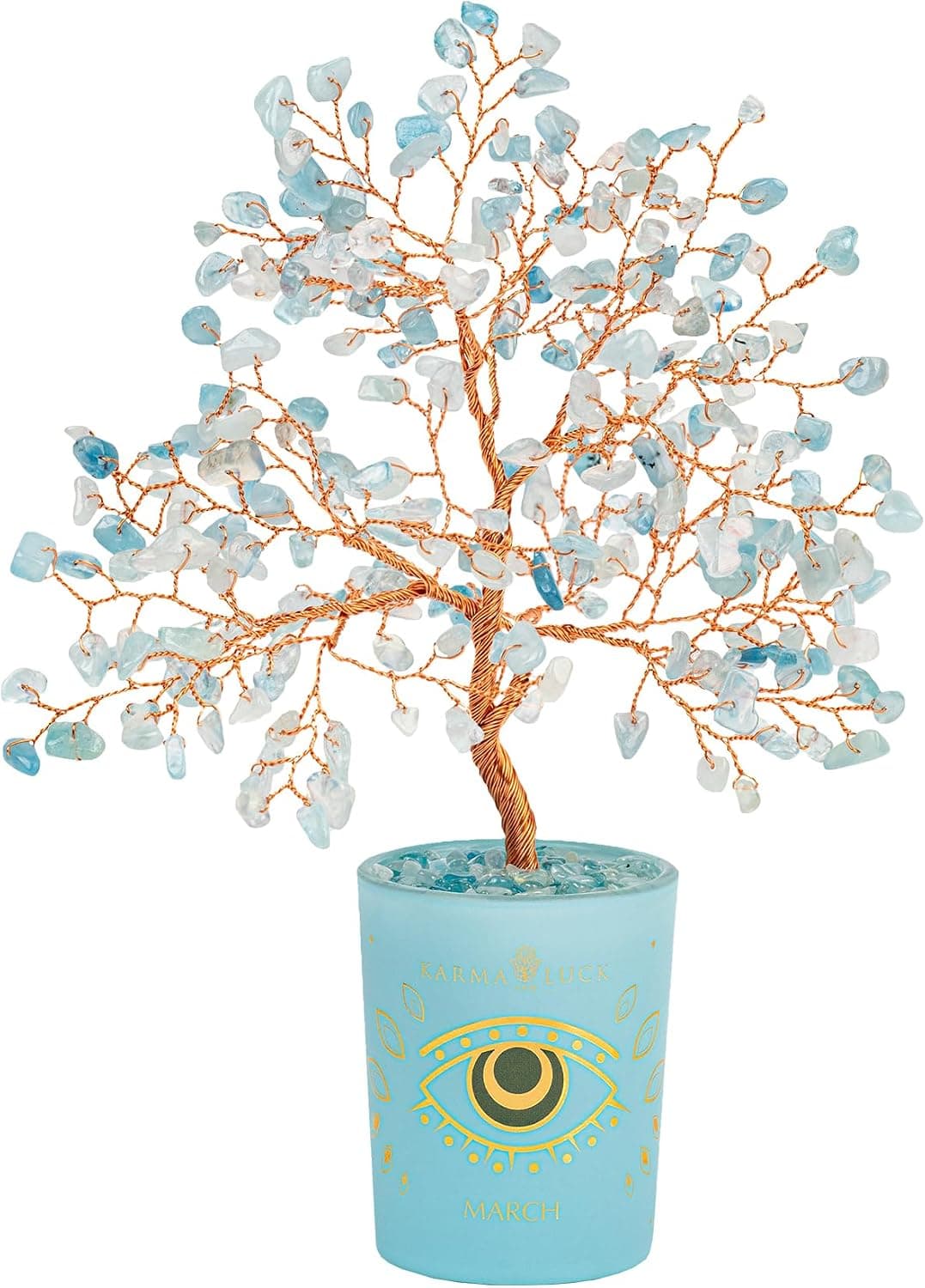 -29%
-29%Karma and Luck March Birthstone Crystal Tree of Life, Aquamarine Gemstone Fen...
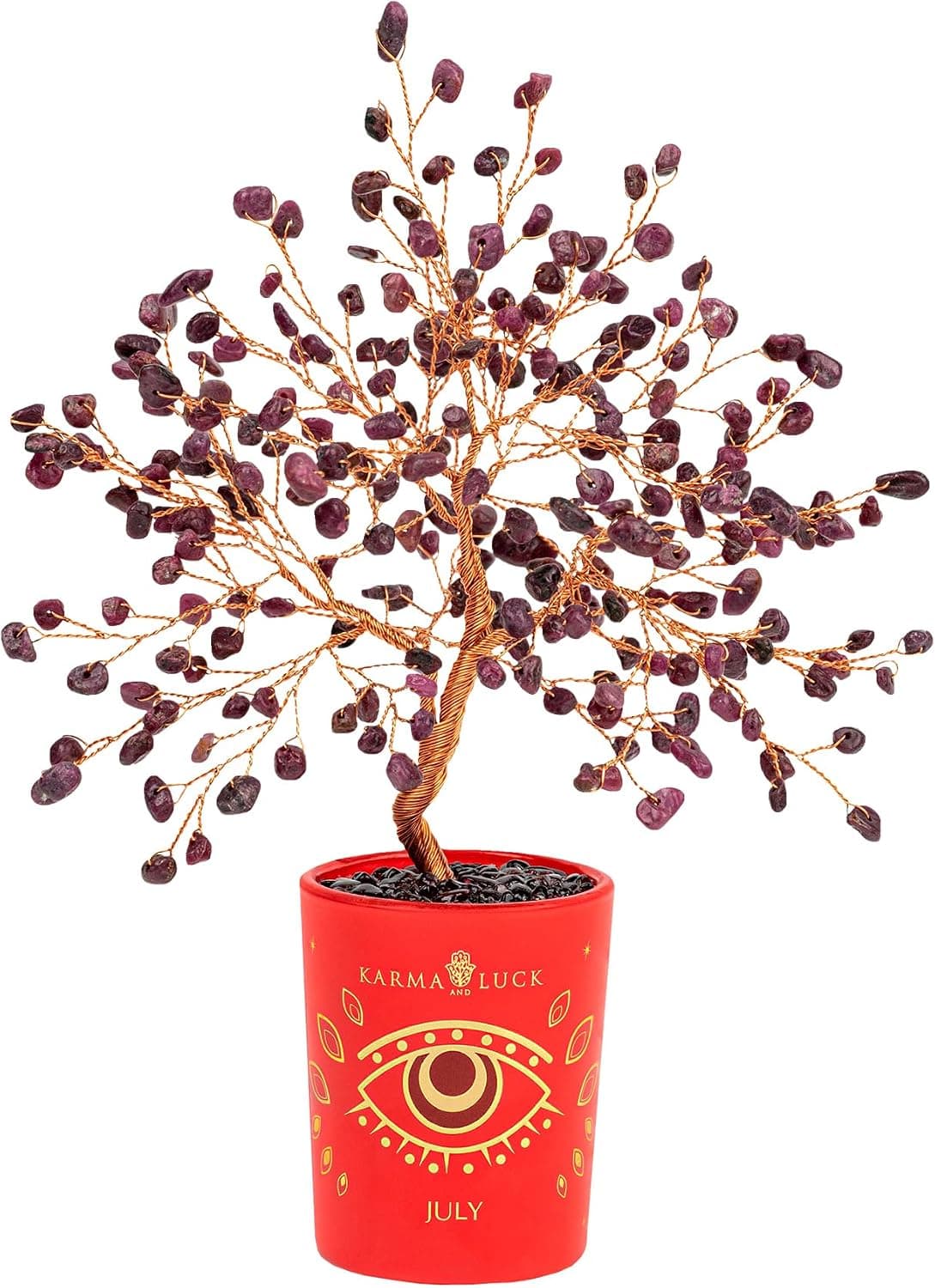 -29%
-29%Karma and Luck July Birthstone Crystal Tree of Life, Ruby Gemstone Feng Shui ...
 -29%
-29%Karma and Luck February Birthstone Crystal Tree of Life, Amethyst Gemstone Fe...
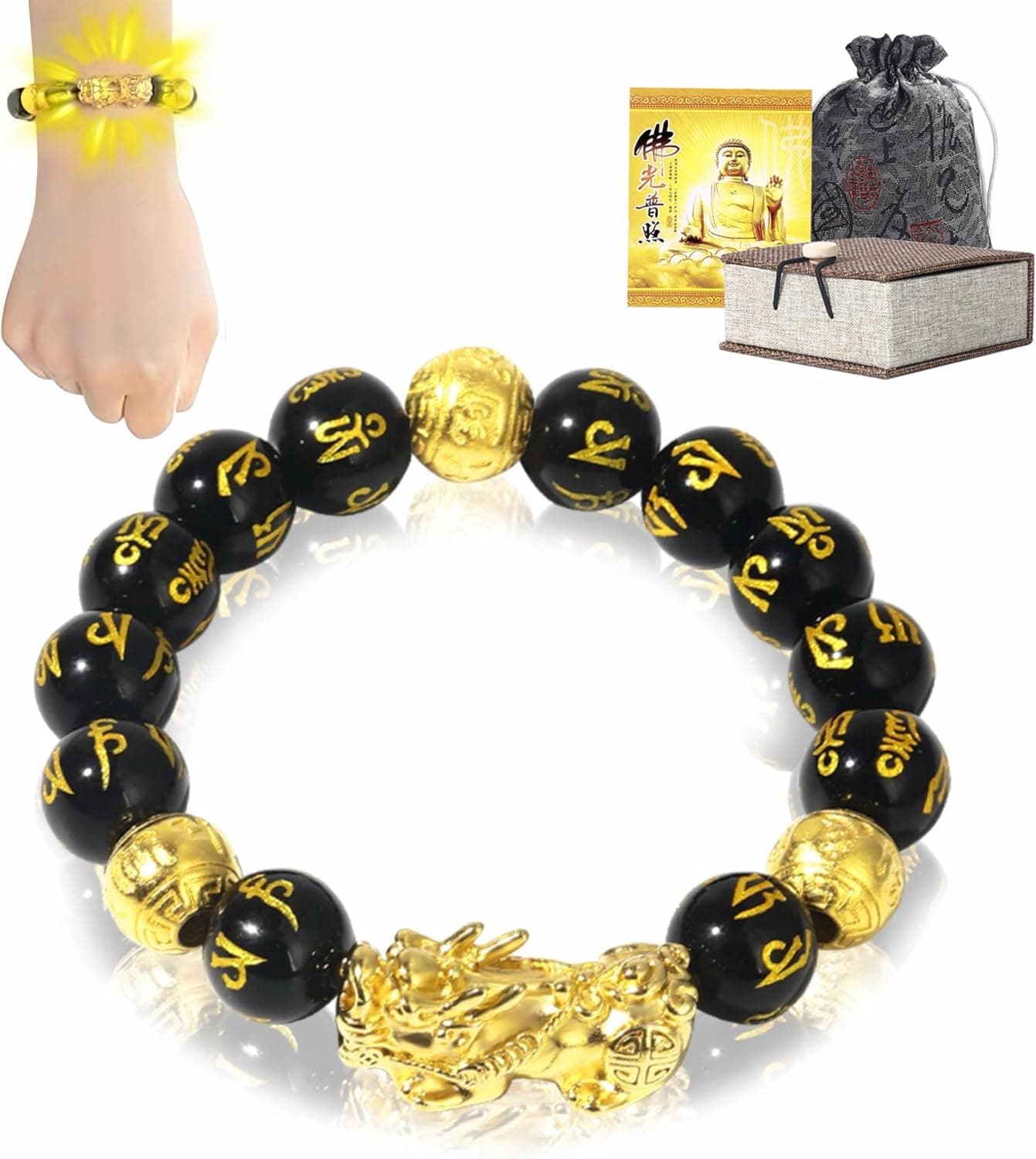 -50%
-50%biuufish Feng Shui Black Obsidian Bracelet for Men Women, 24K Gold Plated Pix...
As an Amazon Associate, we earn from qualifying purchases. We only recommend items our practitioners have personally tested.
Continue Your Journey
Explore these related guides to deepen your understanding:

Ready for Deeper Guidance?
Try our free I Ching reading for personalized wisdom, or explore our curated Feng Shui essentials.