The race story explains the sequence. It doesn't explain the system — and reading the order as a leaderboard is where most charts go wrong.
The Order Isn't a Ranking. It's a Circle With a Seam.
Ask why the zodiac runs Rat, Ox, Tiger, Rabbit and almost every answer begins at a riverbank. The Jade Emperor called a race. The Rat hitched a ride on the Ox's back and jumped off at the finish line. That is why the smallest animal sits in first place. It's a good story. It is also several centuries younger than the sequence it claims to explain, and it answers a question nobody reading a chart actually has.
The real question is structural. Why twelve? Why this fixed rotation? And why does the order never move?
Here's where Western readers go wrong, and it isn't their fault. English reads left to right, and a numbered list in English is almost always a hierarchy — first place, second place, last place. So the sequence gets absorbed as a leaderboard. Rat is the winner. Pig is the loser. Dragon outranks Dog because Dragon is number five and Dog is number eleven. I have heard a grown adult explain, with total confidence, that a Pig year is a bad year to be born because Pig comes last.
Psychologists call this ordinal thinking, and it happens automatically. Given a sequence with a clear start and a clear end, the brain assigns value along it whether or not value was ever implied. Narrative makes it worse, because causally linked stories are remembered far better than abstract lists. That is precisely why the race tale spread across the world and the actual organizing principle did not.
What You're Actually Dealing With
The twelve animals are labels bolted onto something older. The underlying structure is the twelve Earthly Branches — 子, 丑, 寅, 卯 and the rest — which existed as a time-and-space grid long before any animal was attached to them. The branches divide the day into twelve double-hours, the year into twelve lunar months, and the sky into twelve segments along Jupiter's roughly twelve-year circuit. Twelve is not arbitrary. It is the count that made the calendar work.
That grid is anchored, and the anchor is not a finish line. It's midnight and midwinter. The first branch, Zi, contains the winter solstice and the hour of deepest dark, 11pm to 1am. The seventh, Wu, sits opposite it at noon and midsummer. Once you see that, the sequence stops looking like a queue and starts looking like a clock face cut open at one point.
Written Chinese sources list the animals by the Han dynasty. The Lunheng, from the first century CE, names all twelve and offers a completely different rationale from the race — one built on toes, hooves, and when each animal is active. The Jade Emperor tale arrives much later, in folk material. So the sequence is old, the reasoning is layered, and the version most Westerners learn is the newest and least structural of the three.
If you came looking for the Chinese zodiac animal order — why Rat leads and why Pig trails — the honest answer is calendrical, not competitive.
The Hidden Pattern: Clock, Alternator, Story
Here is the model I use with students, and it clears up the confusion in about five minutes. The order has three layers, and they carry very different authority.
Layer one is the clock. Each animal governs a two-hour segment, and its habits match its slot. The Rat moves at midnight. The Ox is being fed before dawn. The Tiger hunts in the cold hours before sunrise. The Rabbit is out in the wet grass at first light. The Dragon rides the morning mist. The Snake is in its hole at midmorning when the ground has warmed. The Horse is worked at noon. The Goat grazes through the afternoon. The Monkey chatters at dusk. The Rooster goes to roost. The Dog guards the house at nightfall. The Pig sleeps deeply at the end of the day. Read the sequence as a twenty-four-hour cycle and every placement clicks into place. The animal that rules your birth hour comes from this layer, and it is the layer that touches ordinary life.
Layer two is the alternator. The sequence flips between yang and yin, odd and even, on every single step. Classical commentators tied this to feet: the Rat has five toes in front and four behind, an odd number, so it takes an odd position; the Ox has a cloven hoof, two parts, so it takes an even one; the Tiger has five claws, the Rabbit four toes, the Dragon five, the Snake none at all but a forked tongue, the Horse a single unbroken hoof, the Goat a cloven one, the Monkey five fingers, the Rooster four toes, the Dog five, the Pig a cloven hoof. Odd, even, odd, even, all the way down. Whether or not you find the toe argument persuasive is beside the point. What it proves about the structure is the point: the order runs on a binary alternation. There is no top of the list. There cannot be.
Layer three is the story. The race. It's a mnemonic device, and a genuinely effective one — it's why a schoolchild anywhere can recite the sequence while a working astrologer has to look up the branches. But it carries no interpretive weight. Use it to remember the order. Never use it to read a chart.
Clock, alternator, story. In that order of trust.
When It Goes Wrong
I once walked into a 38-square-metre studio with a single north-facing window and a desk pushed flat against it. Above the desk, on a floating shelf at eye level, sat twelve small resin animals in a perfect left-to-right line — Rat nearest the door, Pig tucked into the far corner. The renter had arranged them that way because that was the order she'd learned, and she'd put the Pig at the end because Pig is last, so it goes in the least important spot. She also mentioned, half joking, that her boyfriend was born in a Pig year and she sometimes wondered what that said about him.
Nothing was wrong with the shelf. Everything was wrong with the shape of it.
A row of twelve small objects, arranged with a clear beginning and a clear end, directly above a work surface, is a scoreboard. Your eye lands on the first item, travels, lands on the last. Sitting down to work, you are quietly reminded twelve times a day that you are somewhere on a line. That isn't metaphysics. That's how visual arrays behave — a bounded horizontal sequence primes comparison, and comparison primes evaluation. The room was making her feel ranked inside her own home.
The fix took four minutes. We regrouped the twelve into the six classical pairs and set them in a shallow arc instead of a line: Rat with Ox, Tiger with Pig, Rabbit with Dog, Dragon with Rooster, Snake with Monkey, Horse with Goat. The morning light came in flat and grey off that north window and caught the arc along its curve rather than its ends, and she said the shelf felt quieter before we'd finished. Of course it did. Pairs don't have a first and a last.
The Real Fix
Those six combinations are the liu he, the six harmonies — the strongest cooperative relationships in the whole system. Look at where they sit. Rat and Ox are neighbours, but every other pair is mirrored across the circle: Tiger at three with Pig at twelve, Rabbit at four with Dog at eleven, Dragon at five with Rooster at ten, Snake at six with Monkey at nine, Horse at seven with Goat at eight. You cannot see that pattern in a line. It only appears when the animals are laid out in a ring, which is how they were always meant to be read.
So if you take nothing else from this: the sequence is a circle someone cut open at midnight. First means the seam. It doesn't mean best.
Practically, that changes three things.
When you look up a year, treat the animal as a label and nothing more. The year pillar is one of four in a chart, and it is the least personal of them. The cycle of zodiac years is a calendar, and calendars don't rank their months. Nobody believes October outranks February.
When you read compatibility, ignore position entirely. Attraction and friction run on branch relationships — clashes, harms, combinations — not on who is number four and who is number eleven. The pairings that actually predict friction come from geometry on the circle, not from counting.
And when you read a full chart, the animal you were born under is one data point among many. The day master — the stem and branch of your birth day — carries far more weight than the year animal ever will. If you've been treating your birth animal as a rank you were assigned at birth, the four pillars structure will reorder your priorities fast.
For small spaces specifically, this matters more than it sounds. If you own the twelve figurines, don't display them as a row. Group them in pairs, or in a ring, or by element. A studio with one window has no room for a leaderboard on the wall. What it has room for is a ring.
One more thing worth sitting with. The animals were attached to a calendar that farmers used to know when to plant, when to move livestock, when to expect rain. It was a timing instrument for a thousand years before anyone asked it to describe a personality. That's the layer the West adopted last and leaned on hardest — the character reading — and it's the layer with the thinnest classical support. The clock is the old part. The personality sketch is the new part.
Questions I Get Asked About the Sequence
Does position in the animal order affect compatibility?
Distance matters enormously. Rank does not. A Rat and a Horse sit directly opposite each other, six positions apart, and that opposition is a clash. A Rat and an Ox sit side by side and form one of the six harmonies. The gap between two animals is real data. The number attached to each one is not.
Why is the Rat first and not the Ox?
Because of midnight, not a race. The Rat branch, Zi, holds the hour of deepest dark and the winter solstice, and the entire sequence is anchored there. Whoever holds the darkest hour opens the cycle. It's a calendar decision dressed up as a contest.
Is the Jade Emperor race story ancient?
It's old, but not that old. The Lunheng lists all twelve animals in the first century CE and gives a rationale based on toes and activity hours — no race anywhere in it. The river-crossing tale shows up in later folk material. Both are traditional. Only one is structural.
Do I need to memorize the order to work with BaZi?
Memorize the branches instead, and the animals will follow. Once you know that Zi is midnight and Wu is noon, the sequence reconstructs itself without a story. Most practitioners I know recite the branches and translate to animals only when talking to clients.
Mei Chen
Traditionally informed guidance • Cross-referenced with classical Chinese source texts
Rooted in classical Chinese metaphysics and cross-referenced with original texts. Product recommendations are based on traditional symbolism, not guaranteed outcomes.
Practitioner-Selected Tools for This Topic
Items our team has tested and found effective for the principles discussed above. Individual results may vary.
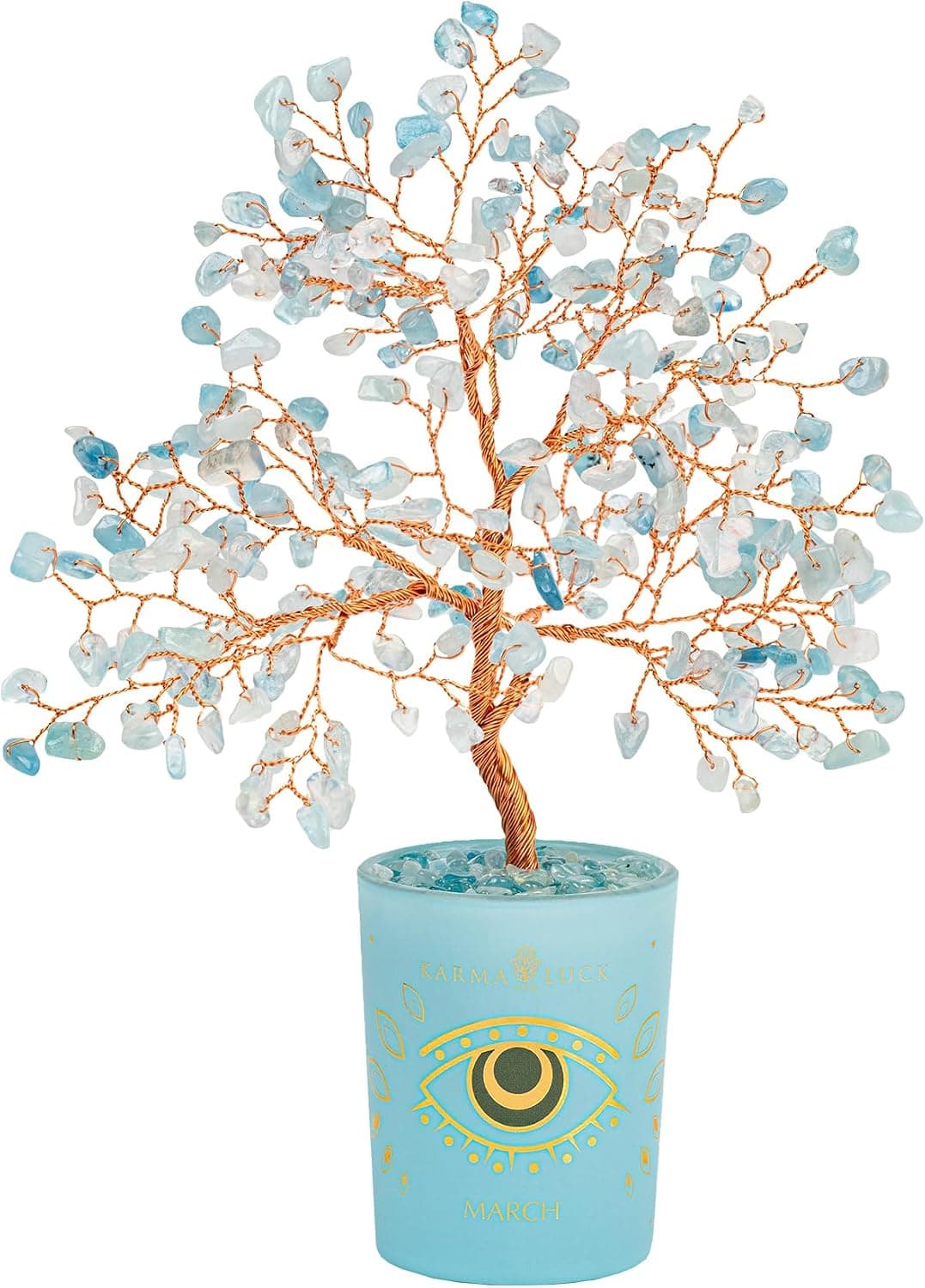 -29%
Karma and Luck March Birthstone Crystal Tree of Life, Aquamarine Gemstone Fen...
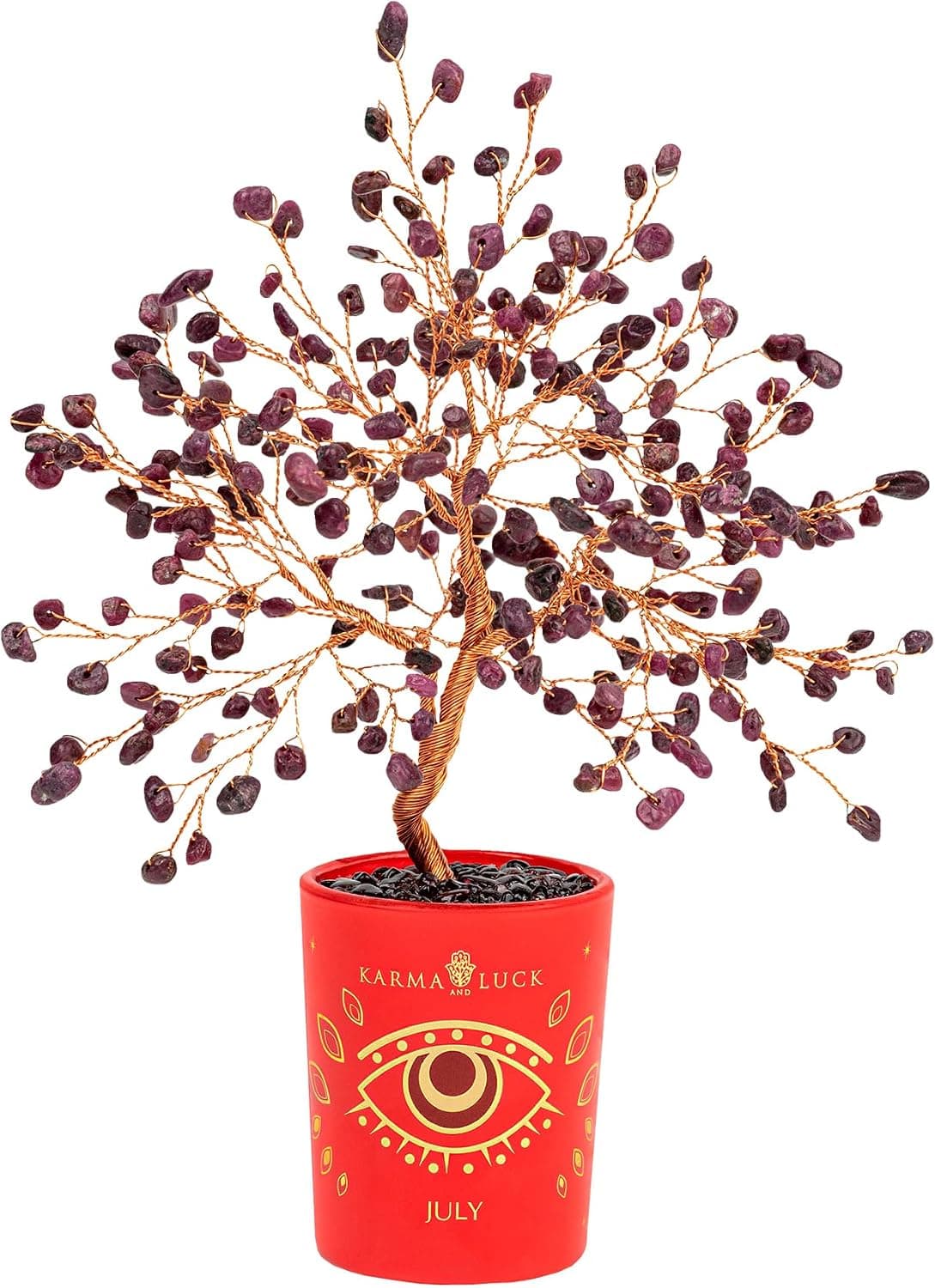 -29%
Karma and Luck July Birthstone Crystal Tree of Life, Ruby Gemstone Feng Shui ...
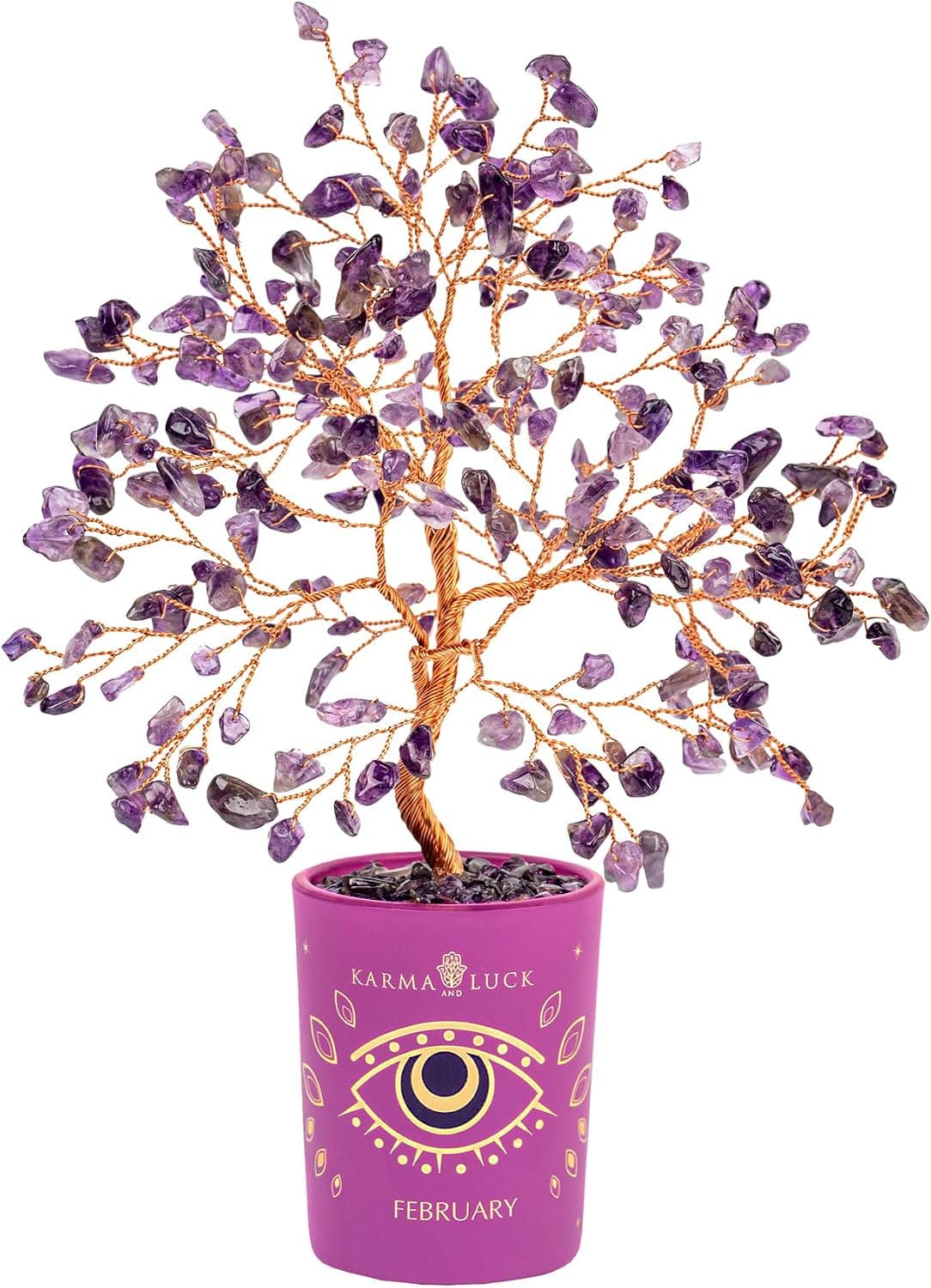 -29%
Karma and Luck February Birthstone Crystal Tree of Life, Amethyst Gemstone Fe...
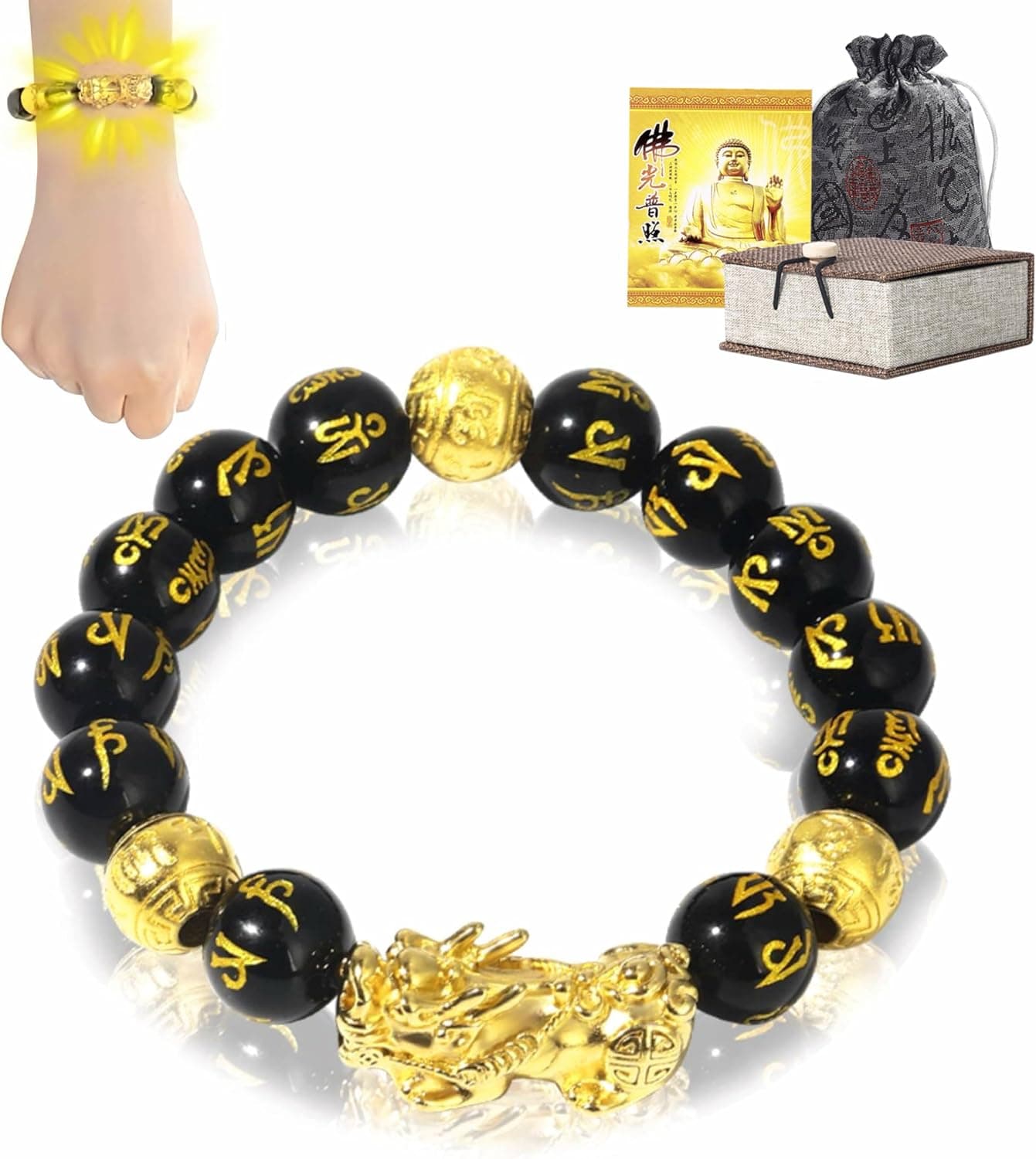 -50%
biuufish Feng Shui Black Obsidian Bracelet for Men Women, 24K Gold Plated Pix...
As an Amazon Associate, we earn from qualifying purchases. We only recommend items our practitioners have personally tested.
Continue Your Journey
Explore these related guides to deepen your understanding:
Ready for Deeper Guidance?
Try our free I Ching reading for personalized wisdom, or explore our curated Feng Shui essentials.