The right annual cure in 2027 is the one that respects circulation, light, and the room’s job before symbolism.
When the 2027 Star Map Meets a Real Home
In early spring 2027, I watched a home office turn tense the moment the desk was nudged two feet closer to the door. The chair now faced the hallway at a shallow angle, the printer blocked a narrow passage, and a metal wind chime on the shelf clicked every time the door swung open. That room needed an annual adjustment, but it also needed less obstruction. The cure only mattered because the room could still breathe.
That is the first rule with annual feng shui cures 2027: never treat them like decorations you scatter after the fact. They are responses to time, but they still have to fit the room’s circulation, light, and daily load. A cure that sits beautifully in a bright corner can become irritating in a narrow hall, and a “powerful” object can feel wrong if it blocks a threshold or steals visual calm. Architecture says the same thing in plainer language: a path must support movement, not interrupt it.
The classical method is older than the online checklist version people copy each year. It came from Chinese geomantic observation, where landscape, orientation, and seasonal change all mattered together. Western versions often flatten that into object placement alone, which is why so many homes end up with too many symbolic items and too little ease. The room is still the room.
That is also why I start with the function of the space before I touch the cure.
A clear read of the bagua map helps, but only if you connect it to what the room actually does on a Tuesday morning.
Why the Annual Cures Shift Again in 2027
The annual stars shift in 2027 because feng shui treats time as an active force, not a background detail. Each year reassigns pressure, support, and sensitivity across the home, so a sector that was stable can become agitated simply because the yearly pattern has changed. That is why the same room can need a different response even if the furniture never moved. The house did not change shape; the timing did.
This is also why the shift is never just about superstition or “bad luck.” Annual influences work like changing weather patterns passing over fixed terrain. A low-lying corridor, a bright entry, and a quiet bedroom will all react differently to the same yearly star because their functions differ. A hallway can absorb more movement and a little symbolic correction. A sleeping room cannot. The star is only half the story; the room decides how loudly it is heard.
That is where many people get nervous. They hear a star is “bad” and assume the whole sector must be loaded with cures. It is a crude response. The better question is whether that part of the home is a bedroom, a kitchen, a desk zone, or a passage you use ten times a day. A sleeping room can tolerate almost nothing extra. A hallway can handle a small metal cure if it does not catch on a bag strap or narrow the path.
The star type matters, but its behavior matters more. Some annual influences call for metal to drain pressure, some call for calm brightness, some benefit from a simple red accent, and some need almost no visible object at all. In practice, that means you prioritize by impact: essential first, optional second, symbolic last. This is the difference between thoughtful adjustment and panic shopping.
The five elements give the remedy its logic, because each cure should answer the quality of the sector instead of merely matching a tradition by habit.
Early spring, in particular, exposes bad placement. The light angle changes, dust shows up on reflective objects, and corners that looked harmless in January suddenly feel loud. A remedy that seemed discreet under dull winter light can flare under a stronger sun. That is not superstition. That is the house telling you the season has changed.
What Each 2027 Star Is Asking a Room To Do
For 2027, the clearest way to read the annual pattern is by function, not by fear. Each star is essentially asking a room to behave in a certain way: contain, quiet, brighten, cool, or step back. A disruptive influence near an entry is asking for containment and cleaner movement; the same influence in a bedroom is asking for restraint because sleep is more easily interrupted than traffic. That is why the room type matters before the remedy type.
If a sector feels heavy, metallic cures are usually the first practical response, not because metal is magic in a cartoon sense, but because it can symbolically reduce overactive movement. If the issue is exposure, a restrained curtain, a matte surface, or a calmer light source can be better than stacking objects. If the sector is prone to clutter response, less is often more. A single well-placed item can hold the space without making it feel managed to death.
There is also a useful sequence behind the choices. Start by removing whatever amplifies the problem, then add only the smallest cure that changes the room’s behavior. For example, a strong star near a desk does not always need a visible collection of objects; it may only need the glare reduced, the chair line corrected, and one quiet metal cue to settle the sector. In other words, the cure is doing three jobs at once: reducing friction, shaping attention, and preventing the room from overreacting to the annual influence.
One bedroom I reviewed in late winter 2027 sat in a challenging annual sector, and the owner wanted to place a crystal, a lamp, a red textile, and a bowl cure all at once. The bed was already tight against a wall, the closet door opened into the footpath, and a mirror from the opposite wall caught morning glare. I asked for the simplest version: remove the mirror’s direct line, keep one small metal cure on the dresser, and do not add anything that would compete with sleep. The room softened immediately.
That result surprises people who expect more objects to mean more protection.
It usually means more distraction.
A bedroom works best when the sleep field stays quiet, so annual adjustments there should be minimal, deliberate, and easy to live with.
Where the Cure Belongs: Bedroom, Entry, Kitchen, Desk, or Hall
The room’s job decides the cure’s form. A bedroom asks for restraint because it is a recovery space, not an exhibition space. A desk area can handle slightly more visible support because attention and activity are already part of the function. An entry needs clarity before symbolism, because it is a threshold. If the cure crowds the first step inside, the home loses welcome before it gains protection.
I saw that tension clearly in a small apartment where the kitchen and entry shared one energetic sector. The owner had placed a heavy decorative bowl beside the door, but the refrigerator door clipped it every time it opened, and shoes had begun to migrate around it. We moved the bowl off the threshold, kept the entry clean, and used a subtle metal object on an upper shelf instead. The apartment felt easier to cross. The kitchen could still function, and the threshold stopped behaving like a bottleneck.
That kind of choice matters more than most people admit. In a compact home, a cure cannot be an isolated object; it has to cooperate with circulation, storage, and daylight. In an open plan, the remedy must respect sightlines, because what is visible from the sofa may also be visible from the front door. In a hall, even a beautiful cure can become visual noise if it lands in shadow. Brightness and proportion change everything.
The front door sets the tone for movement, so treat the threshold like architecture first and symbolism second.
Desks are a little different. A work area can often absorb a modest cure if it stays clear of elbows, files, and monitors. But if the chair has to pivot around it, the cure is too large. If a plant hides it in a dark corner, it has already failed. The best placement is the one you forget while still feeling supported by it.
Which Remedies Are Essential, Optional, or Tradition-Dependent
Essential remedies are the ones that solve the actual problem in the room: too much clutter, a blocked passage, harsh glare, or a seat that faces an exposed line of movement. Optional remedies are the supporting objects that may help but are not necessary if the room already feels balanced. Tradition-dependent remedies are the ones people inherit from books or lineages and apply because they belong to a system, not because the room demands them right now.
That distinction saves money and reduces anxiety. A calm homeowner can make better choices than a frightened one. When everything is treated as urgent, the home starts to feel like a project instead of a place to live. I have seen homes where three shelves of cures created more mental drag than the annual influence ever did. The objects were fine. The overload was the problem.
Salt water cures, for example, carry a strong tradition in some annual-star systems, but they are not a universal answer. They can be awkward in a bedroom, risky near children or pets, and visually harsh in a room already loaded with glare. A small metal object, a restrained color accent, or a simpler layout change can accomplish more with less maintenance. The damp weight of salt water is one thing in a quiet study; it is another thing beside a kitchen threshold where daily traffic already asks a lot of the space.
History helps here too. Classical feng shui was never only about buying objects. It was about reading land, direction, and lived conditions. Modern Western practice often turns that into a shopping list, which makes the cure look easier than it is. Simpler is not always truer. Sometimes it is just thinner.
Understanding the system behind the advice makes it easier to decide when a cure is traditional, when it is practical, and when it is simply optional.
A 2027 Placement Framework for Apartments, Small Homes, and Open Plans
In apartments, the first question is always overlap. Does the annual sector land on the entry, the stove, the bed, or the desk? If it overlaps with the entry, keep the threshold open and use the lightest possible remedy. If it overlaps with the stove, do not crowd the cooking area with symbolic clutter; the stove already carries heat, activity, and visual focus. If it lands on the bed, reduce movement first and ornament second.
Small homes reward restraint because every object changes the room’s proportion. A single reflective cure can redirect attention without taking up physical or psychological space. A soft accent can be enough when the room already has good circulation and enough natural light. But if the room is dim, crowded, or choked by storage, even a proper cure can disappear into visual noise. That is why you fix the room before you “fix” the star.
Open plans are trickier because one cure can be seen from three functions at once. A metal object near the dining area might also face the sofa and the desk, which means it has to be chosen for visual calm, not just symbolic correctness. Avoid shiny clutter. Avoid overdesign. Keep the line of sight simple, and let the room’s main use stay in charge.
If you remember only one thing, remember this: a cure should reduce friction, not announce itself.
A living room benefits from balance more than display, so the best annual adjustment there is often the one that leaves conversation and movement untouched.
Reading the House Over the Season, Not Just on Day One
Annual feng shui cures are not a once-and-done ritual. They are a seasonal conversation with the house. Spring can reveal glare, summer can intensify heat and color, autumn can expose circulation problems as people close windows and move furniture, and winter can make shadowed corners feel heavier than they did months earlier. If a cure starts to feel awkward, check the season before you blame the chart.
The smart homeowner revisits the room as conditions shift. Does the doorway feel crowded now that coats, umbrellas, or packages are piling up? Has a plant grown enough to narrow the passage? Did afternoon sun begin striking a reflective object and create visual noise? These are not minor details. They are the living edge of feng shui.
I trust rooms that can keep working under changing light. That is the same principle good architecture uses when it respects thresholds, proportion, and load-bearing function. A house that moves well usually feels calmer than one that is overmanaged. Annual cures should support that calm, not replace it.
So use the 2027 cycle, but use it honestly. Begin with the room’s purpose, protect circulation, respect thresholds, and choose the lightest remedy that actually solves the problem. If you do that, the annual star stops feeling like a threat and starts acting like what it really is: a timing signal.
Some crystal placements can help, but only when the room can carry them gracefully.
FAQ
Do I need to apply every annual cure in 2027?
Not if your home is already working well. Start with the sectors that overlap sleeping, entry, or work areas, then leave the rest alone unless they create a clear issue. A measured response is usually stronger than a crowded one.
What if my bedroom falls in a difficult annual sector?
Use the smallest effective adjustment and protect sleep first. A bedroom that stays calm will do more for you than a room packed with remedies that you notice every time you turn over.
Can I use plants instead of metal or salt water?
Surprisingly, a plant can be the wrong choice if the room already feels busy or if the sector needs containment rather than growth. Plants are living forms, not universal fixes, so place them for the room’s function, not just for symbolism.
How do I know whether a cure is tradition-dependent or essential?
Ask what problem it solves in the room. If it changes circulation, reduces glare, clears a threshold, or supports a function like sleep or work, it is doing real work. If it only feels “proper” on paper, it may be optional.
Mei Chen
Traditionally informed guidance • Cross-referenced with classical Chinese source texts
Content draws from both Compass (Luopan) and Form (Xingshi) school traditions. Illustrative examples are composites based on consultation experiences.
Practitioner-Selected Tools for This Topic
Items our team has tested and found effective for the principles discussed above. Individual results may vary.
 -19%
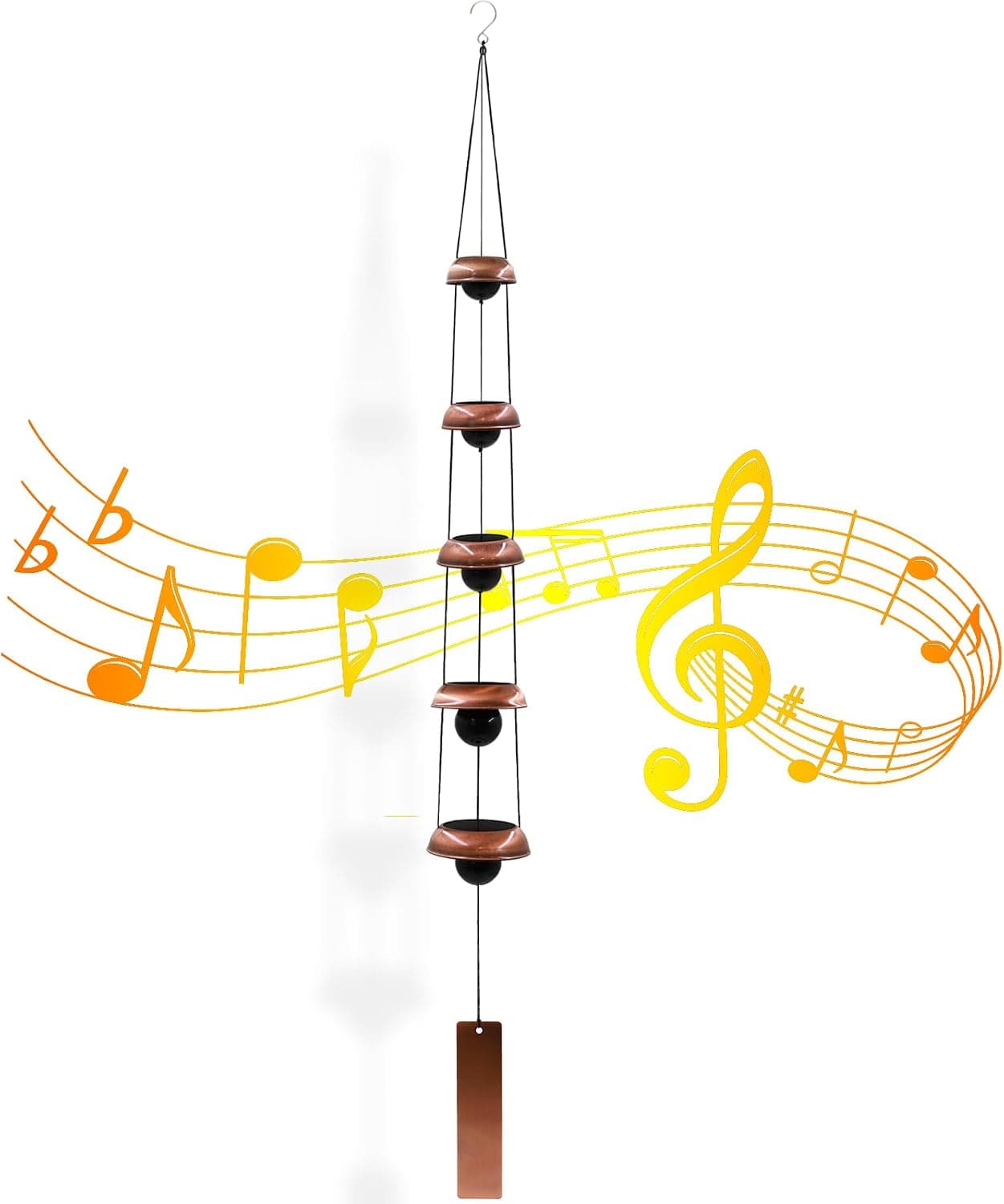
-19%Wind Chimes for Outside with 5 Bell Unique Copper Musical Chimes Feng Shui Wi...
 -5%
-5%YU FENG Evil Eye Money Tree, Blue Feng Shui Decor with Golden Buddha
 -29%
-29%Karma and Luck March Birthstone Crystal Tree of Life, Aquamarine Gemstone Fen...
 -29%
-29%Karma and Luck July Birthstone Crystal Tree of Life, Ruby Gemstone Feng Shui ...
As an Amazon Associate, we earn from qualifying purchases. We only recommend items our practitioners have personally tested.
Continue Your Journey
Explore these related guides to deepen your understanding:


Ready for Deeper Guidance?
Try our free I Ching reading for personalized wisdom, or explore our curated Feng Shui essentials.