An L-shaped room can bend the effect of the year faster than any compass reading you trust.
The Hidden Truth About 2026 Feng Shui Directions
in an L-shaped home. I walked into a white-walled living room in Oakland last winter, saw a navy sofa pushed into the short wing of an L, and the owner was exhausted because she had done everything “right” on paper. She had marked the annual directions, placed metal cures in the charted sector, and still felt the place thin out by late afternoon. The problem was not the remedy. The room was splitting the movement before the remedy could hold.
That is the part most advice skips. A direction only matters after the room has delivered qi to that spot, and an L shape interrupts that delivery like a kink in a garden hose. You can stand on the correct compass bearing and still miss the real issue if the usable floor area never reaches that arm of the layout. Not even close.
Think in mechanisms, not slogans. First the floor plan sets the path of movement, then furniture either widens or narrows that path, then the annual influence lands where people actually sit, sleep, or work. If the geometry is broken, the annual sector behaves like a signal with interference. The cure may still help, but it will help less, later, and in a narrower way than the charts promise.
That is why I keep sending readers to the broader structure first: reading a feng shui compass without guessing, mapping a home without flattening its shape, and the room-by-room 2026 annual cures. The year never lands in a vacuum. It lands inside a room with corners, dead zones, hallways, and one chair everybody prefers because the other chair feels oddly exposed.
Here is the sequence I use. Step one: identify the actual occupied area, not the rectangle you wish the apartment had. Step two: find the missing leg of the L, because that empty bite changes how pressure accumulates in the remaining wings. Step three: ask whether the annual direction falls in a crowded arm, a passage, or a cut-off pocket. Those are three different problems, and they do not want the same cure.
Small details matter because people respond to them before they can explain why. A brass bowl on a sideboard can feel calming in one room and sterile in another if it sits at the mouth of the missing section, where movement already feels interrupted. A red lamp may lift a dark corner, but if it sits in the wrong branch of the L, it can make the space feel sharper instead of brighter. The chart is not wrong. The room is speaking louder.
I've seen this with a retiree in Portland whose studio wrapped around a tiny galley kitchen. She put a metal pagoda in the annual north sector, exactly as a forum told her, then wondered why sleep stayed shallow and why the kitchen felt like a bottleneck every evening. The real fix was boring and specific: she shifted the bed twelve inches away from the break in the layout, cleared the black storage bin from the angle where the two wings met, and lit the far arm with a warm table lamp. Two weeks later, she stopped waking at 3 a.m. Not mystical. Mechanical.
Once you understand that sequence, the so-called auspicious directions stop looking like a checklist and start looking like a placement problem. You are not trying to impress a calendar. You are trying to make sure the room can carry the influence without dropping it at the bend.
How the L Shape Warps the Annual Sector
Start with the missing corner. In an L-shaped layout, the absent section behaves like a drain on attention because the eye and the body keep noticing what is not there. That matters in feng shui because qi follows use, and use follows comfort. If one branch of the room is dark, narrow, or awkward to cross, people avoid it, and the annual influence assigned there gets less repeated activation.
Then comes compression. The inside corner of the L often gathers storage, charging cables, pet gear, or a chair nobody likes. Compression creates stillness, and stillness is not always the kind you want. In a wealth sector it can feel like stuck invoices and postponed decisions; in a relationship sector it can show up as arguments that start over dumb logistics, like who moved the charger or why the back door rattles at night.
After that, the room assigns body habits. This is the part that surprises people. A chart may say one direction, but if the only practical desk position faces a wall in the short arm of the L, your neck tightens every afternoon and your attention starts slipping. You blame stress. I look at the angle of the chair.
And then the annual cure. Place it in a branch that no one uses and it becomes decoration. Place it where people pass too quickly and it becomes noise. Place it where the geometry already supports the sector and it can actually do work. That distinction is the difference between a polished theory and a lived house.
For a deeper mechanical lens, pair this with the L-shaped apartment problem and then compare it with how entry flow changes the whole plan. The front door is not separate from the annual direction. It feeds the first movement into the rest of the layout, which means a bent living room can inherit the weakness of a poorly handled threshold.
Here is the practical test I use in the field. Stand at the room's center and trace the path to the most-used seat, then to the window, then to the farthest inside corner. If that route forces an awkward pivot, a sidestep, or a squeeze around furniture, the annual direction in that wing will not behave cleanly. Adjust the path before you adjust the cure. Wrong order.
Do not assume symmetry where none exists. L-shaped homes often reward a layered approach: open the access route, brighten the neglected arm, and soften the hard pocket near the bend. Only then does the annual sector read as stable rather than fragmented.
Placement Rules That Actually Survive Irregular Rooms
The first move is often subtraction. Remove the object that makes the bend feel defended: the tall plant with dusty leaves, the stack of boxes, the coat stand loaded with bags, or the shoe bench that crowds the opening. Once that corner breathes, the room stops signaling caution. People sit down faster. Conversations run longer. The body notices before the mind does.
Next, work from the longest usable wall in the active branch of the L. That wall is usually the one that can support a desk, lamp, or remedy without breaking circulation. A year cure placed there has a clearer job than one tucked into a dead edge where nobody ever pauses. If the annual direction falls in a bedroom, place the remedy where the sleeper's line of sight can actually meet it without strain. If it falls in a kitchen wing, keep it away from heat, splash, and the knife strip. Material survival matters.
One sentence rule: do not force a cure into the missing corner just because the compass says so.
That mistake appears sensible because people want neatness. A neat map feels fair. A neat home feels controlled. Yet irregular rooms do not reward neatness; they reward responsiveness. The better question is not “Where is the sector?” but “Where can this sector breathe without being cut off by the plan?”
Color helps, but only when the room can carry it. In a narrow wing, pale earth tones on one wall can soften the edge without flattening the whole space. In a darker branch, a clean off-white lamp shade may be enough; you do not need to turn the place into a showroom. Too much contrast can make the bend louder, not calmer. I prefer a modest intervention that the residents can live with every day.
There is also timing. Annual directions shift, yet room geometry stays put, so you want repeated use of the corrected area rather than one ceremonial change in February. A desk moved six inches into a better line and used daily will outperform a dramatic cure nobody touches. Daily contact is the engine. Ceremony is just the badge.
For people working through the annual chart itself, the companion article 2026 lunar dates that matter for placement helps you avoid moving things on the wrong day and then blaming the room for the result. Timing can support a move. It cannot rescue a bad location.
And if the annual sector lands near the bedroom, read this bedroom layout method before you touch anything else. Sleep areas punish sloppy placement faster than living rooms do. A lamp in the wrong corner may only feel irritating in the day; at night it can keep the nervous system half on guard.
What Actually Backfires in L-Shaped Homes
The most common error is overcorrecting. People buy three cures because one feels too small, then scatter them across multiple points in the branch. That looks proactive. It often creates visual friction, which pulls focus away from the seat, desk, or bed that needed support in the first place. The room starts feeling busy in the wrong way, and the annual direction gets diluted.
Another trap is treating the missing leg like a void to fill at all costs. So they add mirrors, screens, and tall shelving until the space feels artificially complete. The better move is usually gentler: acknowledge the missing area, support the occupied one, and let the plan remain honest. A fake rectangle still behaves like an L.
There is also the habit of ignoring traffic patterns. If the annual direction sits in the path from kitchen to balcony, the sector receives constant disturbance. That can be useful if you need activation. It can be terrible if the sector asks for rest, concentration, or settlement. Traffic is not neutral. It either feeds the influence or shreds it.
Some readers assume a crystal, coin set, or metal object will save a bad placement by itself. Not true. Symbolic objects work best when the room already has a coherent flow to carry them. That is why I often point people to coin placements that make money feel managed only after they have dealt with the room's layout, not before. The object is the last layer, not the first.
One more failure pattern deserves a blunt label: wrong room, wrong job. A cure that would be fine in a hallway can feel oppressive on a bedside table. A bright lamp that wakes a studio can be ideal in a dim reading corner. Context beats category every time.
At that point, I ask clients to look at the room through the lens of Five Elements balance because irregular geometry rarely acts alone. Shape, light, material, and use keep interacting. Separate them in your mind and you miss the mechanism.
FAQ
Is conventional 2026 feng shui directions advice reliable? Often no, at least not by itself. The annual chart can be accurate while the room still fails to receive the influence because the layout interrupts movement, leaves a branch underused, or crowds the exact spot with furniture.
How do I know whether my L-shaped room needs a correction or a cure? Look at what the body already tells you. If people avoid one wing, pause at the bend, or complain that one side feels colder, sharper, or harder to settle into, the correction comes first because the room is under-delivering qi.
Can I use the annual direction if the sector falls in the missing part of the L? You can, but do not expect a clean result. A missing section has weaker functional presence, so I would activate the nearest occupied wall, support the path into that wing, and treat the absent area as a structural limit rather than a target.
What if the room is small and I cannot move much? Surprisingly, small rooms often respond faster because a few inches matter more. Shift the chair, desk, or lamp off the pinch point, clear the clutter from the bend, and watch whether the room starts to feel less defensive within a few days.
Should I prioritize the compass, the bagua, or the furniture layout? Start with the layout, then check the compass, then place the remedy. That order sounds plain because it is plain. If the floor plan cannot carry the flow, the most accurate reading in the world still lands in a bad place.
Does this change for bedrooms versus living rooms? Yes, because the user changes. Bedrooms punish visual noise and hard edges faster, while living rooms tolerate more movement and more layered activity, so the same annual influence may need a gentler touch in sleep areas and a more active one in shared spaces.
Some rooms never become textbook shapes, and that is exactly why they reveal the year so clearly. Stand in the bent corner, and you can feel whether the house is carrying the direction or merely pretending to.
Mei Chen
Traditionally informed guidance • Cross-referenced with classical Chinese source texts
Content draws from both Compass (Luopan) and Form (Xingshi) school traditions. Illustrative examples are composites based on consultation experiences.
Practitioner-Selected Tools for This Topic
Items our team has tested and found effective for the principles discussed above. Individual results may vary.
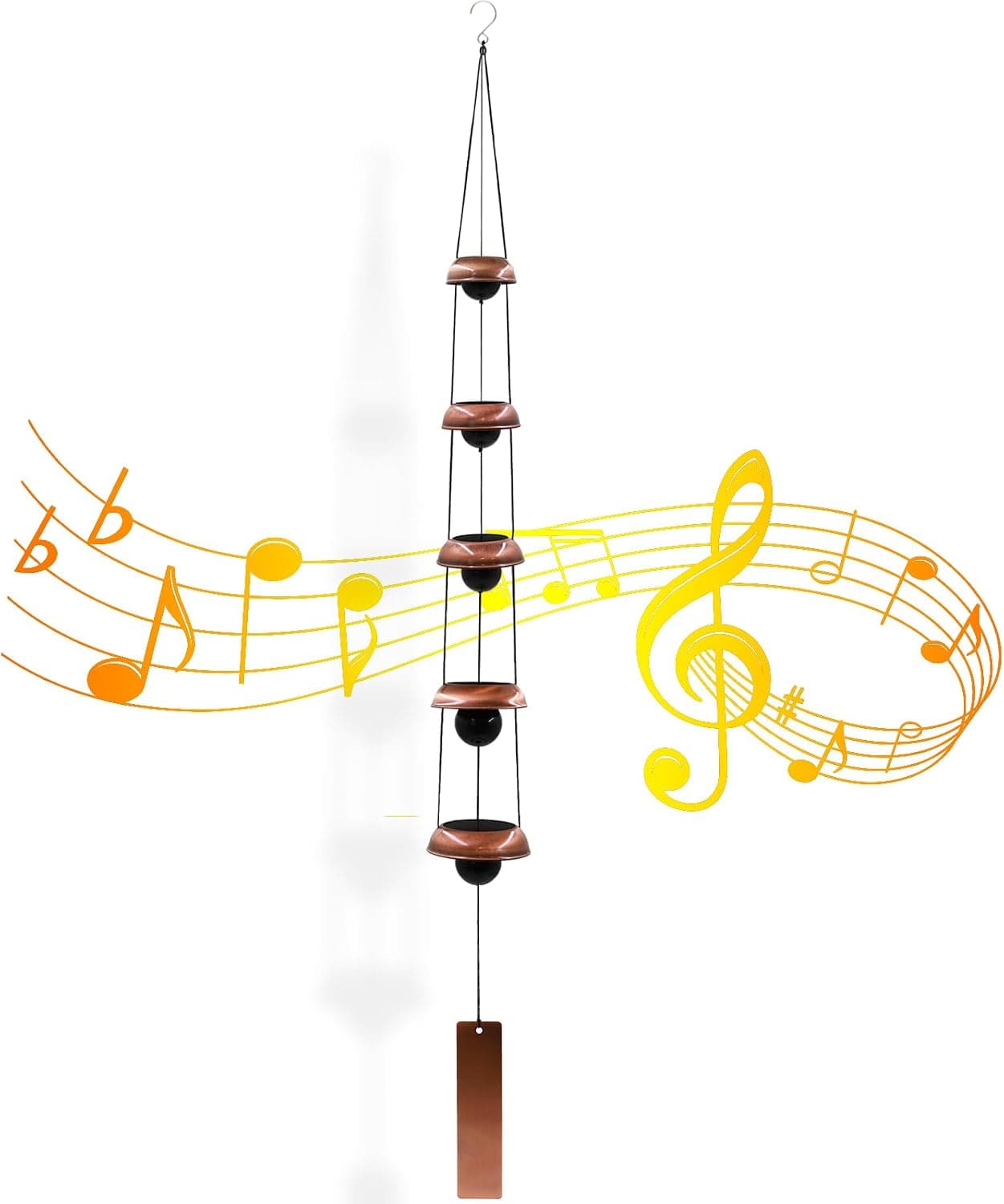 -19%
-19%Wind Chimes for Outside with 5 Bell Unique Copper Musical Chimes Feng Shui Wi...
 -5%
-5%YU FENG Evil Eye Money Tree, Blue Feng Shui Decor with Golden Buddha
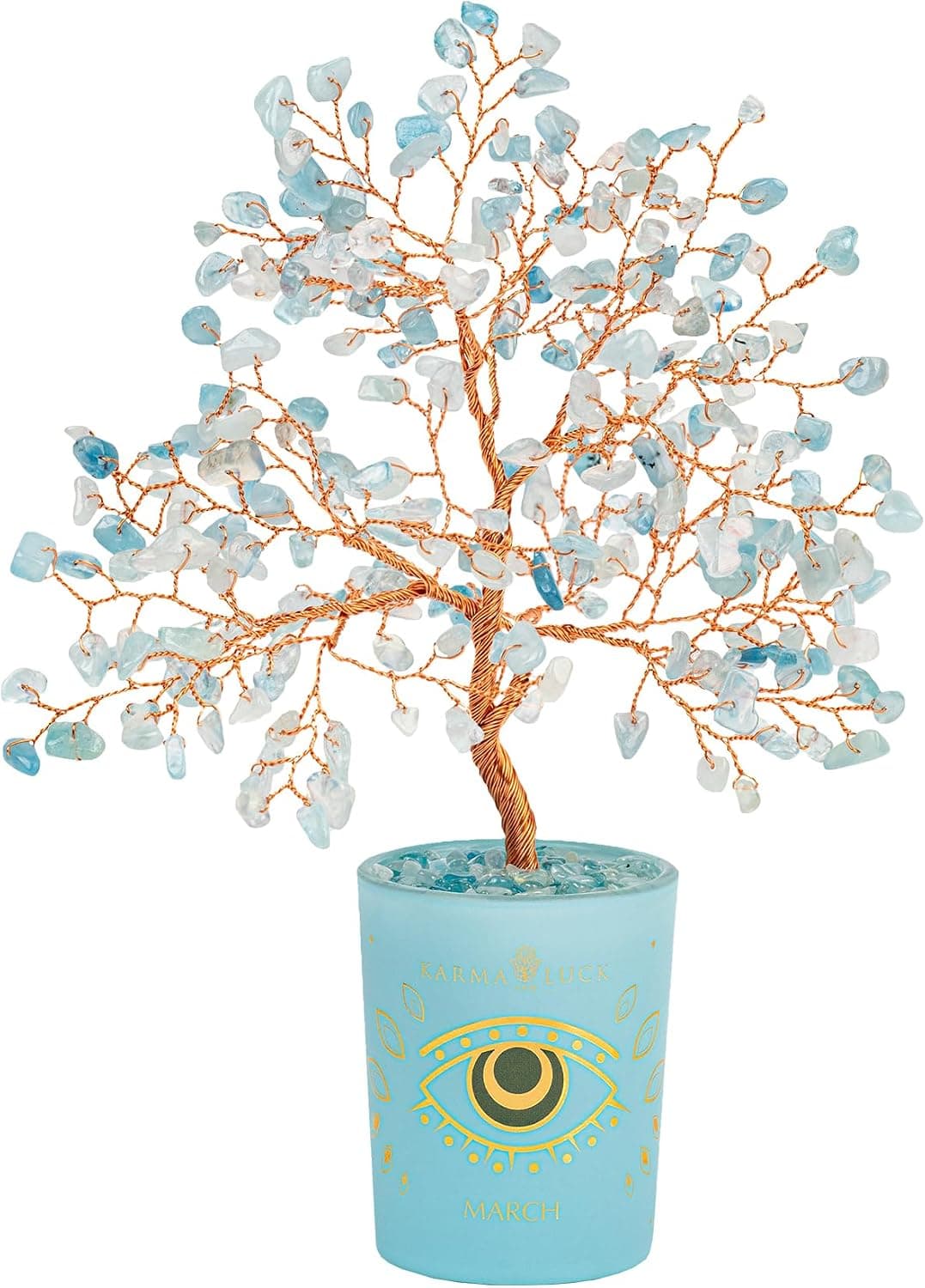 -29%
-29%Karma and Luck March Birthstone Crystal Tree of Life, Aquamarine Gemstone Fen...
 -29%
-29%Karma and Luck July Birthstone Crystal Tree of Life, Ruby Gemstone Feng Shui ...
As an Amazon Associate, we earn from qualifying purchases. We only recommend items our practitioners have personally tested.
Continue Your Journey
Explore these related guides to deepen your understanding:


Ready for Deeper Guidance?
Try our free I Ching reading for personalized wisdom, or explore our curated Feng Shui essentials.