Advice that flatters a water type in July makes them drift by January. The trait never changed — the season did.
The Seasonal Shift Failure
A desk pushed against the north wall of a small study. One lamp, angled wrong so the shadow falls across the page. A window that catches maybe forty minutes of direct light in January, most of it before lunch. The person who sat there had been told — by books, by quizzes, by a relative who meant well — that they were "water": adaptable, quiet, intuitive, prone to tears at films. In June that description landed as a compliment. In February it read like a diagnosis.
Same person. Same desk. Different season.
Search for water element personality traits and you'll get a list of adjectives with no calendar attached. Gentle. Introspective. Creative. Indirect, sometimes evasive. But the five phases were never a list of adjectives — they were a calendar. Water in the classical system is the phase of the north, of midnight, of winter, of storage. Describing a water-natured person without mentioning the season is like describing a tide without mentioning the moon.
What You're Actually Dealing With
Start with the character itself. The Chinese word for the phase is 水, and its job in the cycle is not "flowing." It is 藏 — storing, keeping, holding depth through a period when nothing appears to grow. Winter is water's own season, which means winter is when a water type is simultaneously strongest and least visible. That combination confuses everyone, including them.
In the I Ching, water appears as Kan 坎, the trigram of the pit, the gorge, the deep place between two banks. Two yin lines wrapped around a single yang line: softness with a hard core. Read the image literally. A river is not powerful because it is wet. It is powerful because it has banks.
Here is the part the popular versions drop. Water governs latency — the interval between stimulus and response. A water-natured person takes longer to react and frequently reacts more accurately because of it. In a culture that rewards speed, that reads as passivity. It isn't. It's a longer processing loop, and it comes with a cost: the loop needs quiet, and it needs a container.
The other phases behave seasonally too, which is why the wood element's push toward growth looks so different in March than in November. Wood surges in spring. Fire blooms in summer. Metal sharpens in autumn. Water sinks and stores in winter. Each is a verb wearing a seasonal costume, not a label on a name tag.
The Hidden Pattern
Now the mechanism. A water type's baseline activation is low. That is the least mystical way to say quiet and inward. In summer the ambient world runs hot — longer days, brighter light, more social pressure, more noise — and the contrast flatters them. Their calm stands out. Friends call them the chill one. The environment is quietly doing half the work of keeping them engaged.
In winter, ambient activation drops. Light falls off. Social contact thins. The water type's low baseline stops being a contrast and becomes a compound: their own setting plus the season's setting.
Nothing changed except the ratio.
I've watched this play out in rooms, not just in temperaments. A north-facing flat in December gets a particular kind of light — flat, blue-shifted, shadowless from about two in the afternoon. People in that light talk more slowly and cancel more plans. This isn't superstition. Perception research is fairly consistent that ambient light and spatial cues shape arousal, and arousal shapes what you decide is possible today. A dim room does not make you sad; it makes the sofa the most available option. Behavior follows affordance. That is the mechanism most writing skips: the season doesn't act on your personality, it acts on your environment, and your environment acts on your habits.
So the usual advice — be more disciplined, add more fire, brighten things up — aims at the wrong variable. It tries to change a temperament when the lever is the container.
When It Goes Wrong
Three failure modes, and I have seen all three in the same winter.
The drift. Water advice almost always includes "go with the flow." In summer that's fine — there's a current. In winter there is no current, and going with the flow means pooling. Water without banks becomes a puddle, and a puddle doesn't move toward anything. This is the person who takes the trust-your-gut advice seriously in January and surfaces three weeks into a shapeless schedule, mistaking inertia for instinct. Instinct is real, but it reads far more reliably when the body is rested and the week has structure. Intuition as a signal rather than a mood is a distinction worth making in February specifically.
The overcorrection. This is the big one. Someone reads that water needs warmth and fire, so out come the red cushions, the bright overhead light, the six a.m. hustle routine, the fourth coffee. Within a fortnight they're wired and sleepless and calling it anxiety. Water under direct fire does not become warm water. It becomes steam — scattered, pressurized, impossible to hold. The classical remedy for a phase that is over-sinking is not its opposite. It's its parent: metal, which condenses and gives shape, plus a modest amount of earth, which builds the bank.
The identity lock. The third failure is subtler. Once someone adopts "water personality" as an identity, they stop building structure on the grounds that structure is not them. I have heard this exact sentence more than once: "I'm just not a routine person." Meanwhile the same person thrives the moment their week holds three fixed anchors. The trait wasn't blocking the routine. The label was.
One more, and it costs people money: the fountain in the south. A water feature placed in a home's southern sector sits inside the fire zone, and the two phases fight. If you want water to work for you, put it where water belongs — north, or southeast — and keep it clean and quiet. A loud pump in the wrong corner is just noise with a plumbing bill.
The Real Fix
Stop trying to make a water type warmer. Give them banks.
Concretely, for the winter months, three moves — none of which involve red paint.
1. Fix the light before you fix the mindset. Move the desk to the brightest wall you have, even if that leaves the north wall empty. Put the lamp on the side of your writing hand so the shadow doesn't fall across the page. Get outside within an hour of waking, even under cloud, because the dawn light dose is what sets the day's timing. This is not a mood intervention; it's a timing intervention, and timing drives habit.
2. Build one bank, not five. A single non-negotiable anchor — same start time, same first action, every weekday — does more for a water-natured person in January than an entire productivity system. Research on implementation intentions is consistent here: a plan phrased as "when X happens, I do Y" survives fatigue far better than a goal phrased as "I should." One bank makes a river. Five banks make a maze.
3. Use fire at midday, not at dawn. Water types don't need less warmth, they need warmth at the right hour. Bright, social, stimulating things belong in the middle of the day, when fire is naturally strong. Mornings want metal — order, sequence, a short list, a cool-toned room. Evenings want water — dim light, low sound, no screens making demands. Get the sequence backwards and you'll feel it within a week: wired at midnight, flat at ten in the morning.
The deeper point is about how phases relate, which is what yin and yang principles applied to a daily schedule actually describe — not balance as a static fifty-fifty, but balance as correct timing. Water at midnight is correct. Water at noon is a leak.
And the philosophical root of all this isn't in a personality quiz. It's in a text that refuses to define anything outright. The Tao Te Ching's water passages never say water is gentle. They say water wins by not contending, which is a statement about strategy under constraint, not about being nice. Read that in February and it sounds different than it does in June.
The Season You're Actually In
If you take one thing from this, take the calendar.
The trouble with nearly everything written about water element personality traits is that it describes the person and ignores the season. You are not a fixed mixture of adjectives. You are a phase moving through a year, and the same trait that reads as grace in July reads as paralysis in January — not because the trait changed, but because the environment around it did. The water type's real gift is storage: the capacity to hold depth through a stretch when nothing appears to be happening. That gift is nearly useless in summer and indispensable in winter.
So stop asking what kind of person you are. Ask what season the room is in.
If you want the companion piece — the phase that gives water its shape rather than its warmth — the metal element's pattern of cutting and refining is the natural next read. And if the whole five-phase framework still feels fuzzy, yin and yang as a description of change rather than a slogan is the place to start.
FAQ
Is a water element personality the same as being an introvert?
They overlap, but they are not the same instrument. Introversion describes where you recover energy; the water phase describes how you process and store it, and it carries seasonal and directional associations that introversion has no equivalent for. Plenty of water types are socially fluent and still need long recovery windows. The tell isn't shyness — it's latency.
Does the season really change a personality trait?
A trait is a range, not a fixed point, and the portion of that range you actually live in shifts with light, routine, and social contact. What changes in winter isn't the trait but the amount of environmental support it receives. That's why the same person can be described as calm in June and stuck in January without either description being false.
What if I'm a water type living somewhere with no real winter?
Then your seasonal problem probably shows up as air conditioning rather than snow. A sealed, cooled, low-light interior produces much the same dampening effect, and the remedy is identical: morning light, one fixed anchor, and no stimulating input during the hours your body is trying to wind down. Latitude matters less than the room you're sitting in.
David Liu
Traditionally informed guidance • Cross-referenced with classical Chinese source texts
Rooted in classical Chinese metaphysics and cross-referenced with original texts. Product recommendations are based on traditional symbolism, not guaranteed outcomes.
Practitioner-Selected Tools for This Topic
Items our team has tested and found effective for the principles discussed above. Individual results may vary.
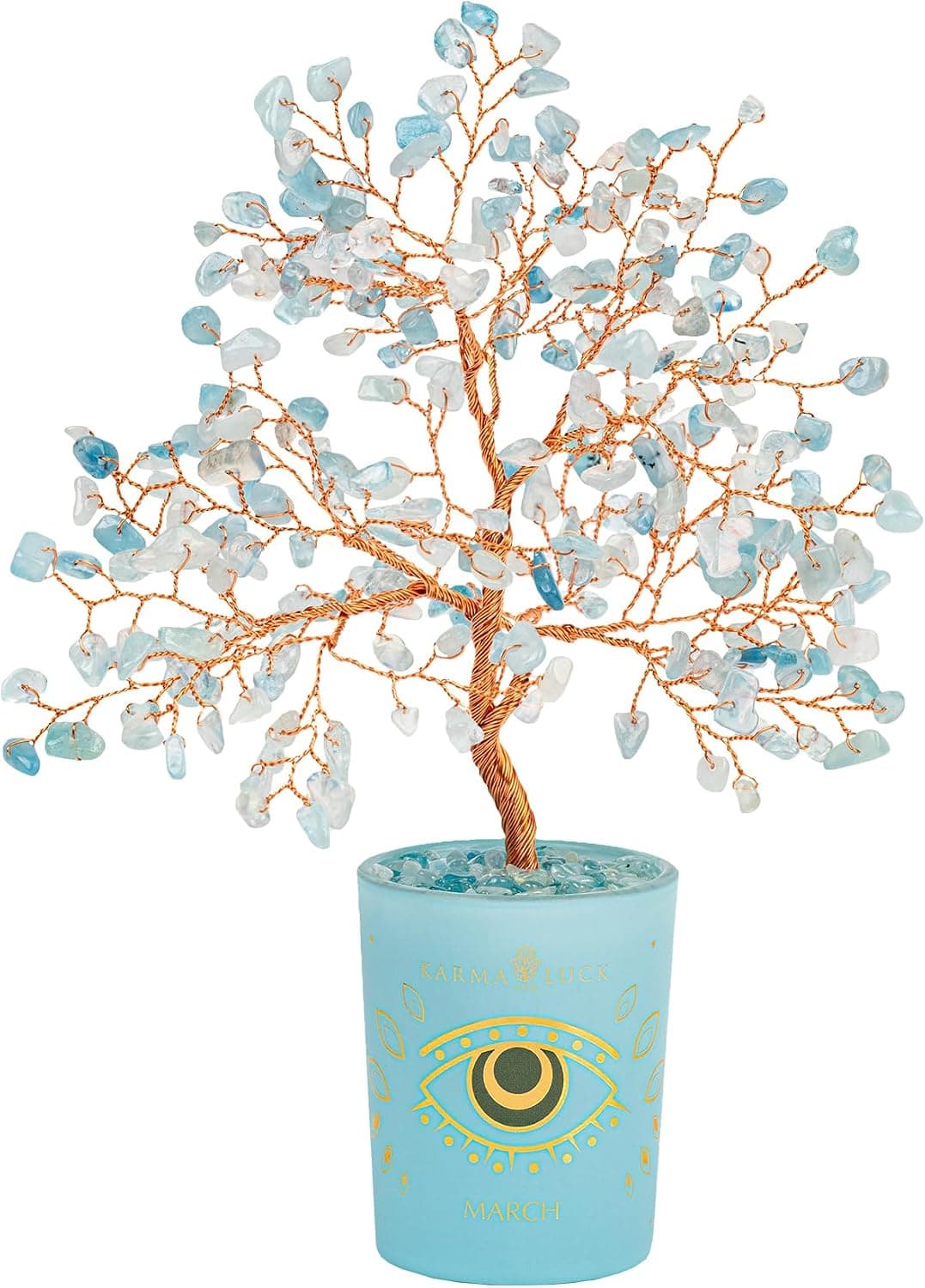 -29%
Karma and Luck March Birthstone Crystal Tree of Life, Aquamarine Gemstone Fen...
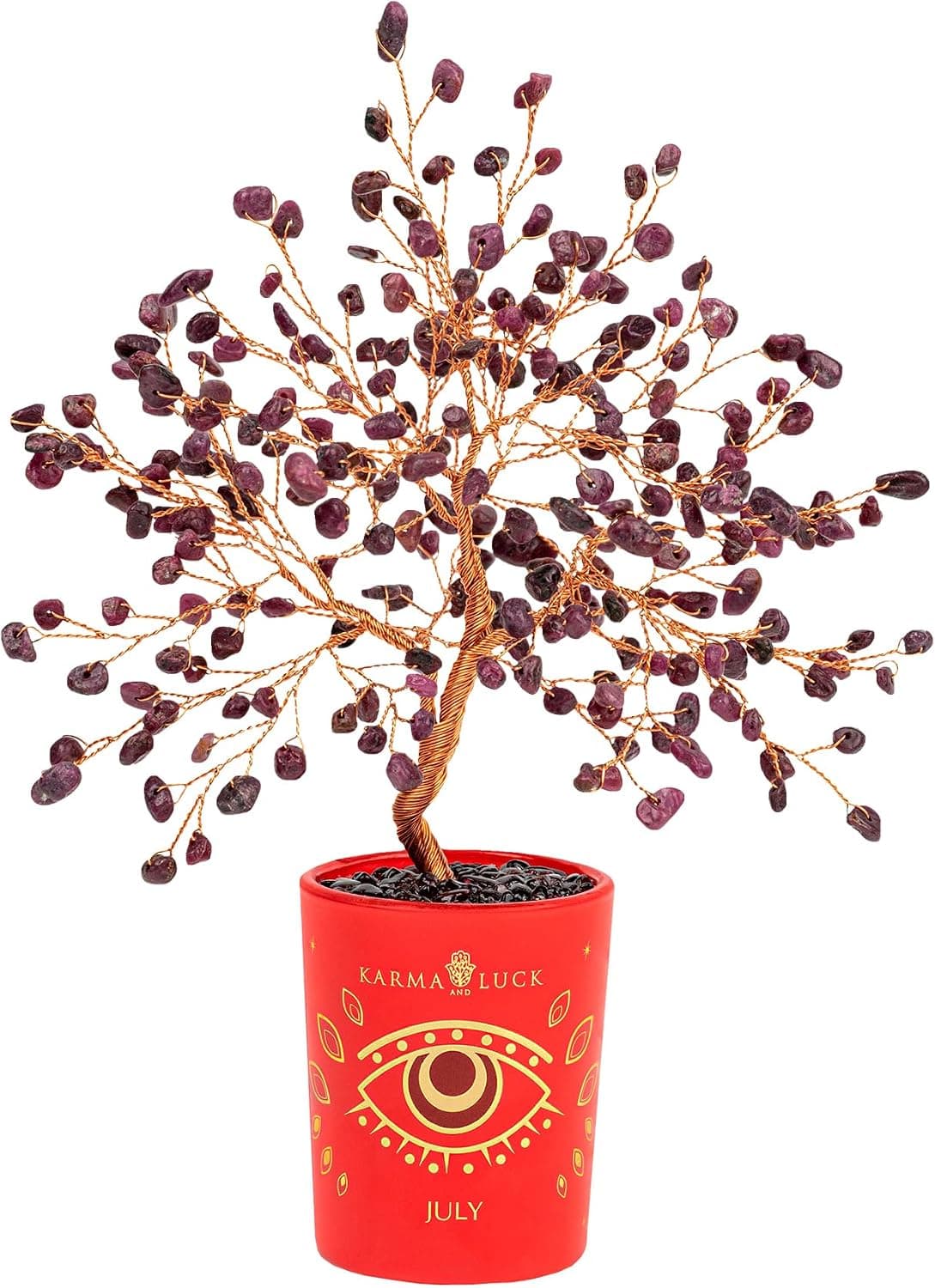 -29%
Karma and Luck July Birthstone Crystal Tree of Life, Ruby Gemstone Feng Shui ...
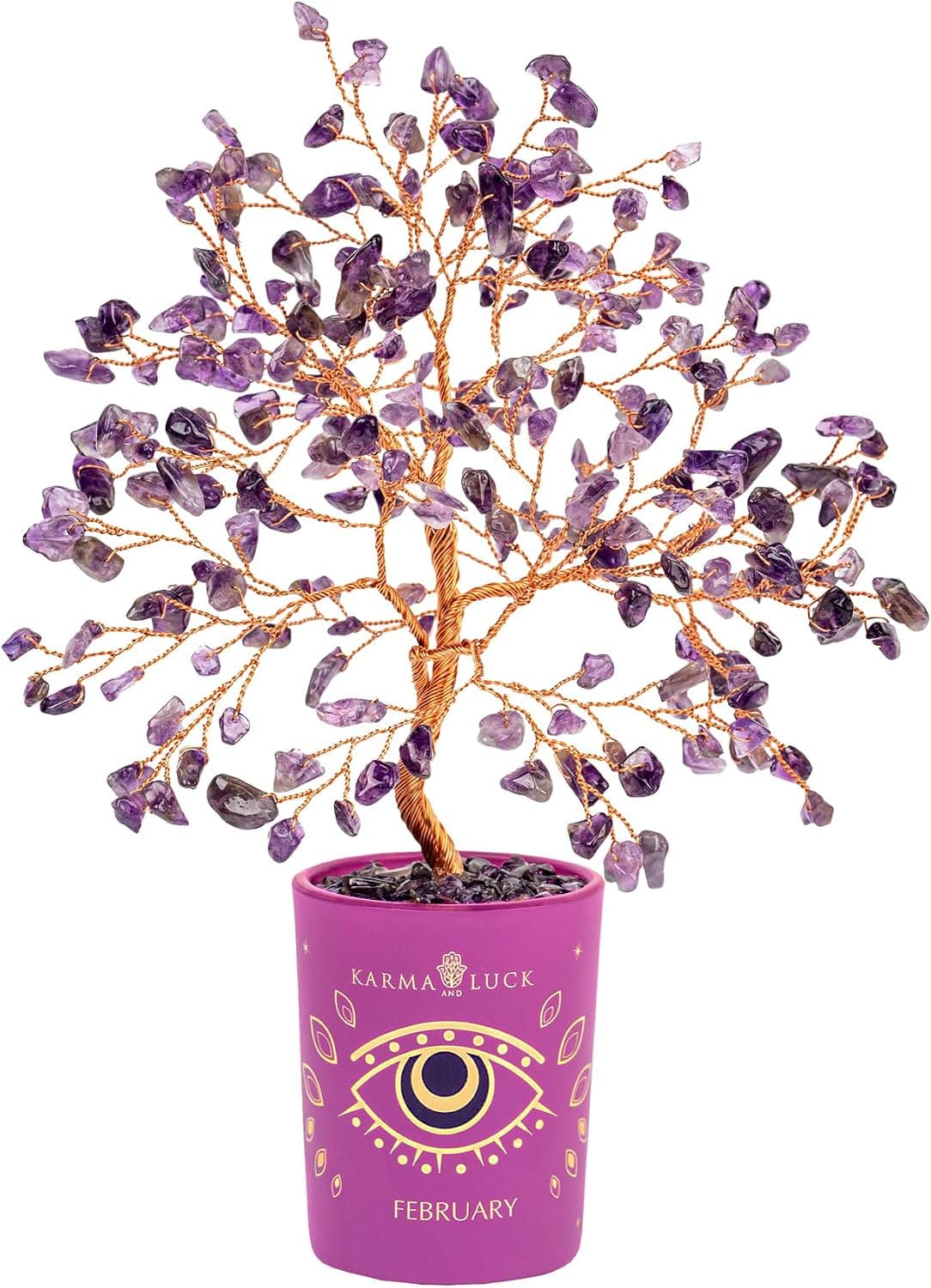 -29%
Karma and Luck February Birthstone Crystal Tree of Life, Amethyst Gemstone Fe...
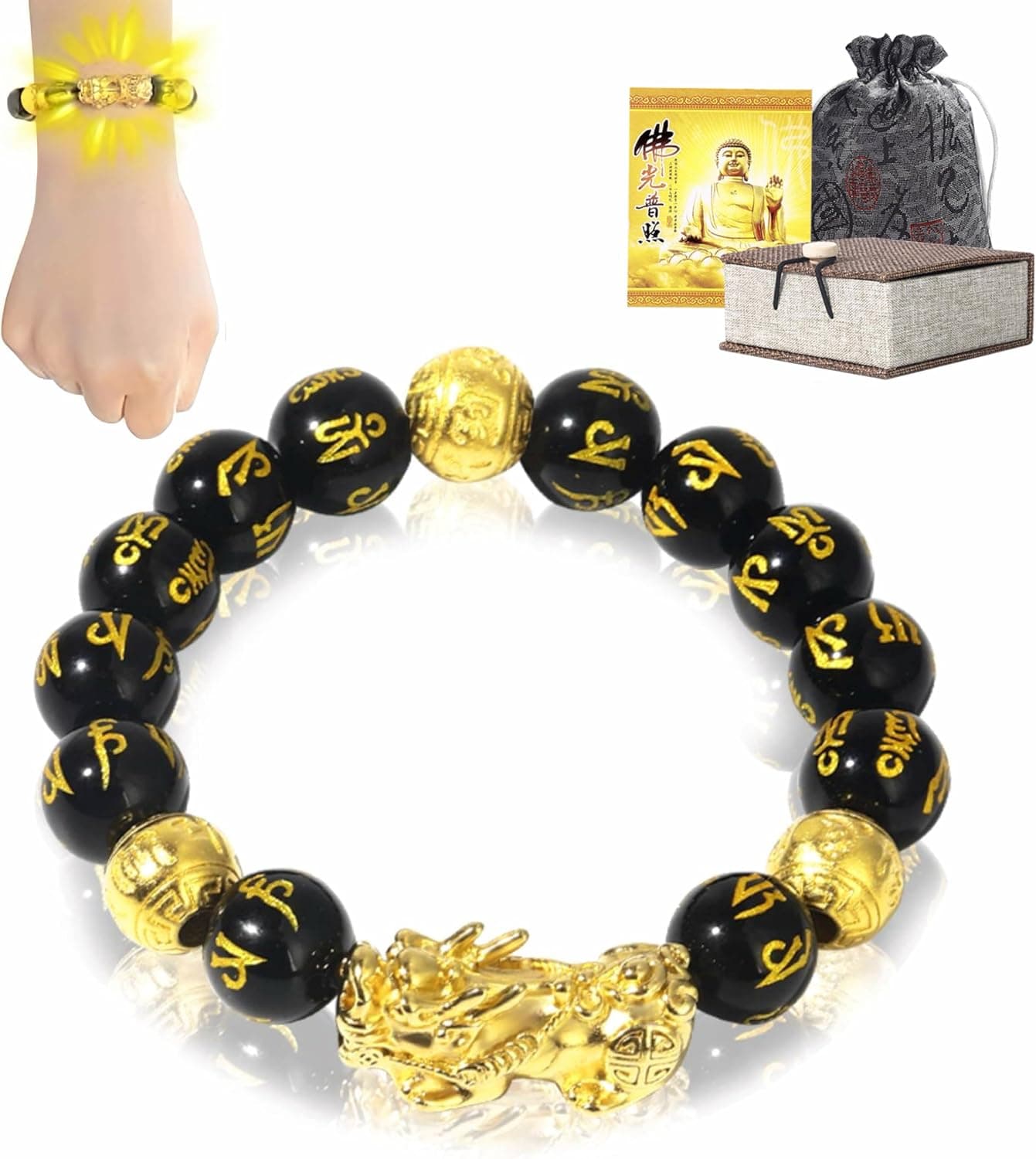 -50%
biuufish Feng Shui Black Obsidian Bracelet for Men Women, 24K Gold Plated Pix...
As an Amazon Associate, we earn from qualifying purchases. We only recommend items our practitioners have personally tested.
Continue Your Journey
Explore these related guides to deepen your understanding:

Ready for Deeper Guidance?
Try our free I Ching reading for personalized wisdom, or explore our curated Feng Shui essentials.