Stop treating stillness as one thing; these four Taoist methods train the mind, breath, and qi in very different ways.
When Stillness Is Not One Thing
A woven mat, a low wooden stool, and an incense burner on a side table can look almost identical from one room to the next. The practice inside that room changes everything.
I once sat in a dim practice room where a woman in a gray sweater held perfectly motionless posture while a timer blinked down on a phone beside the tea tray. The air carried the faint bite of sandalwood mixed with old wood and cooled tea. Her shoulders barely moved, but her face kept softening every few breaths, as if the room were slowly lowering its volume. That is one face of tao meditation, and it is not the only one.
People often ask for one method because they want one answer. Taoist practice rarely gives that gift. It gives a set of tools, each with a different job, and the first mistake is to treat breath watching, moving forms, mantra recitation, and non-dual stillness as if they were interchangeable.
The comparison matters because your goal changes the method. If you want nervous system settling, one path may fit. If you want qi cultivation, another makes more sense. If you want devotional focus, you need something with rhythm and sound, not just silence.
That is where a clear matrix helps. Not theory for its own sake. A practical map.
The Four Paths Sitting Side by Side
Seated breath awareness is the plainest entry point. You sit on a cushion or stool, keep the spine upright without strain, and rest attention on breathing, posture, or the felt sense of the body. The aim is simple on paper, but the training is subtle: attention returns, again and again, without punishment. Cognitive load drops because the mind has one job, not ten.
Moving practice, often qigong-style, changes the picture immediately. In a morning living room I watched a retired architect trace slow circles with both arms beside a curtained window while tea cooled on the table and sunlight slid across the floorboards. He had enough open floor space to move freely, but not so much that the room felt empty. That balance matters. The body leads first, and awareness follows the motion, breath, and opening of the joints. The result is not mere relaxation; it is interoceptive awareness, the direct sensing of breath, warmth, and tension-release before thought jumps in to explain it.
Mantra-based Taoist practice uses sound, cadence, and repetition. In a small temple chamber with scrolls on the wall and a bell on a shelf, I have seen a practitioner recite a phrase in measured rhythm while the chest and breath rose and fell almost as one mechanism. The room itself does part of the work: enclosed seating corner, low arrangements, foreground kept simple, distractions pushed to the edge. The repetition narrows attention, lowers mental noise, and gives the nervous system something predictable to hold.
Then there is non-dual stillness practice, which looks almost like doing nothing and is easy to misunderstand. This method does not chase breath, movement, or mantra as primary anchors. It asks the practitioner to rest in awareness without grabbing at experience. That sounds abstract until you try it for ten minutes and notice how quickly the mind reaches for control. This is where the Taoist preference for naturalness becomes visible. The exercise is not domination. It is release.
Here is the blunt truth: these four paths can all be called tao meditation, but they train different relationships to control. Breath awareness tempers the urge to scatter. Moving practice teaches the body to organize itself. Mantra steadies devotion and rhythm. Non-dual stillness weakens the habit of clutching every passing thought.
What Changes When the Body Leads
People who live in their heads often underestimate how much the body changes the mind. They think insight arrives as a sentence. More often, it arrives as a shoulder dropping half an inch, or as the jaw unclenching during the third slow exhale.
Movement-based practice has a particular advantage for anxious temperaments because it gives the mind a job while reducing internal debate. When the hands trace a circle and the knees stay soft, there is less room for the inner critic to build a courtroom. Repetition helps, but not in a robotic way. The repetitive attention anchor lowers mental chatter and makes the room feel larger inside.
That matters in Taoist terms because qi regulation is not a metaphor when the body is involved. The practitioner is not merely calming down; the whole system is being organized. Breath syncs with posture. Posture changes pressure through the feet. Pressure changes attention. Attention changes threat sensitivity. The nervous system gets the message that there is no emergency.
I saw this clearly in a bright kitchen once, where a chef in white socks practiced slow arm swings before opening the restaurant. The fan hummed overhead. A dish towel hung from the oven handle. He had no interest in mystical language, only in not arriving to service already braced. After two weeks, he said the same odd thing three times: the practice made him feel less rushed before the rush began.
That kind of result surprises people who think moving forms are just gentle exercise. They are not. They are structured attention carried by the body. Small distinction. Large effect.
The Quiet Line Between Effort and Forcing
One of the hardest lessons in Taoist work is that effort and forcing are not the same thing. Effort can be clean. Forcing always tightens the system.
Seated practice can become forcing when the practitioner clamps the jaw, holds the breath, or tries to manufacture calm on command. The posture may look correct, but the inner tone turns aggressive. The body knows. You can sit upright and still be wrestling.
Moving practice can also become forcing when someone over-performs the sequence, turns the breath into a scoreboard, or imitates grace instead of listening for balance. The shape is there. The spirit is gone.
Mantra work goes wrong when the voice becomes performative and the repetition loses sincerity. Non-dual stillness goes wrong when the practitioner uses “just being” as an excuse to bypass discomfort. Every path has its shadow. That is why a comparison matrix matters more than a single slogan.
Non-striving regulation is the point beneath all of this. Gentle practice signals safety. Safety lowers the urge to control outcomes. Once that happens, attention stops behaving like a security guard and starts behaving like a witness.
If you want the Taoist distinction in one line, it is this: the practice should organize you, not bully you.
Choosing the Practice That Fits Your Inner Weather
Some people need stillness first because their minds are already moving too fast. For them, seated breath awareness is usually the best starting point. The room should be quiet, the seat stable, and the instructions plain. No dramatic setup. No mystical overload. A cushion, a timer, and enough space that the body does not feel crowded.
Others need movement because stillness makes them more anxious, not less. They do better with lateral room, a standing alignment near a wall or window, and slow sequences that let the breath catch up to the body. If your chest is tight and your thoughts are scattered, forcing yourself into deep silence can backfire. That is not failure. It is poor matching.
For devotional temperaments, mantra-based practice often lands best. The sound carries the mind when the mind cannot carry itself. A bell, a scroll, and a measured rhythm create a ritual container that many Western readers overlook because they assume meditation must be silent to count. That assumption is lazy. Sound can be stabilizing.
For contemplatives drawn to insight rather than relaxation, non-dual stillness can be the right edge. It asks more of your tolerance for uncertainty and less of your love for technique. You must be willing to notice experience without decorating it. If that sounds too bare, start elsewhere and return later.
Think in terms of temperament and goal. Anxiety reduction usually favors breath or movement. Energy cultivation often responds well to moving forms. Ritual devotion fits mantra. Contemplative insight often points toward stillness without object. Choosing well is not spiritual weakness. It is good judgment.
What the Room Looks Like When the Method Works
When a practice is working, the room changes before the philosophy does. The clutter at the edges matters less. The body occupies the center without strain. The fan hum, the distant street noise, and the soft sound of breathing stop fighting each other.
A seated room tends to settle into a stable corner: mat, cushion, stool, maybe a low table with tea gone cool. A moving practice needs more open floor, more lateral freedom, and often a window or wall to orient posture. Mantra practice prefers enclosure and a simple focal field. Non-dual stillness asks for the least visual noise of all. Foreground and background become easier to distinguish because attention is no longer leaking in every direction.
I have seen this change in a narrow upstairs studio where a student replaced a bright lamp, a stack of laundry baskets, and a rolling chair with one folded blanket, one cushion, and a small brass bowl. Nothing magical happened. The point was not decoration. The point was reducing competing signals so the mind could stop negotiating with the room.
That is also why some people mistake comfort for progress. A soft chair does not create realization. A prettier altar does not create qi flow. But the right spatial arrangement supports the method so the body can stop bracing against avoidable distractions. Small help. Real help.
If you want a reliable pillar for this whole conversation, read the wider Tao philosophy framework. It keeps the practices from being reduced to self-soothing tricks, which is a mistake I see constantly.
And if you want the practical spine beneath the stillness, study the discipline of non-forcing. The best Taoist methods do not shout. They remove friction until the system can settle on its own.
The deepest surprise is that tao meditation is not one inward move. It is a family of methods, each revealing a different way to stop fighting experience. Sit, move, chant, or rest in bare awareness. The method should meet the person you actually are, not the one you wish you were.
FAQ
Is seated breath awareness better for beginners?
Often, yes, because it is easy to measure and hard to romanticize. You can tell quickly whether your mind is scattered or settling. That said, beginners who feel edgy in stillness may do better starting with gentle movement and returning to seated work later.
Can Taoist mantra practice replace silent meditation?
For some temperaments, mantra is the better entry point because sound gives the mind structure. Silent practice and mantra practice train different skills, so one does not cancel the other. I would treat them as companions, not rivals.
How do I know if I am forcing the practice?
Surprising as it sounds, the body usually answers before the mind admits it. Watch for jaw tension, shallow breath, a sense of inner performance, or the feeling that you are grading yourself while you sit. If those show up, reduce intensity and simplify the method.
David Liu
Traditionally informed guidance • Cross-referenced with classical Chinese source texts
Rooted in classical Chinese metaphysics and cross-referenced with original texts. Product recommendations are based on traditional symbolism, not guaranteed outcomes.
Practitioner-Selected Tools for This Topic
Items our team has tested and found effective for the principles discussed above. Individual results may vary.
 -29%
-29%Karma and Luck March Birthstone Crystal Tree of Life, Aquamarine Gemstone Fen...
 -29%
-29%Karma and Luck July Birthstone Crystal Tree of Life, Ruby Gemstone Feng Shui ...
 -29%
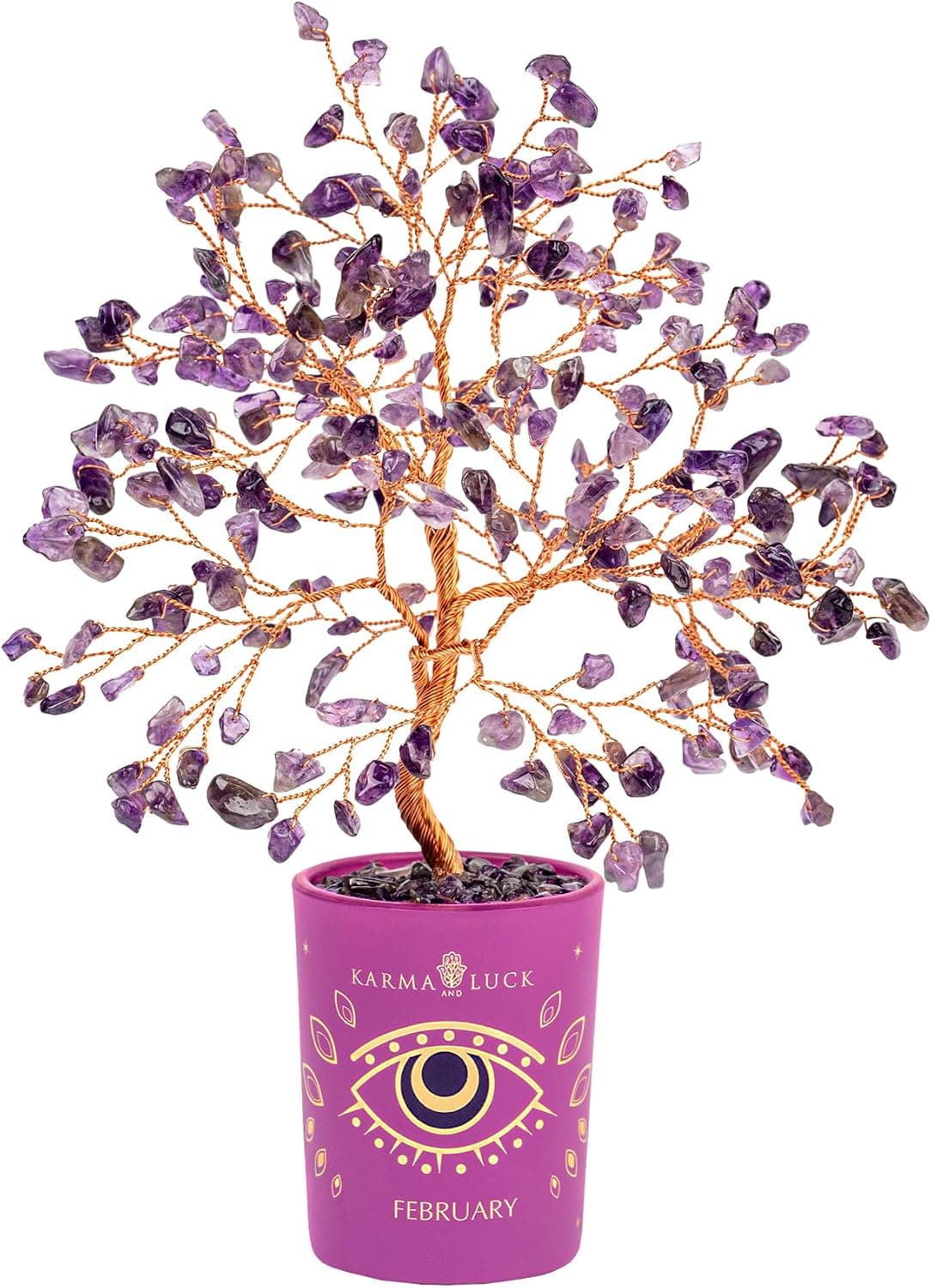
-29%Karma and Luck February Birthstone Crystal Tree of Life, Amethyst Gemstone Fe...
 -50%
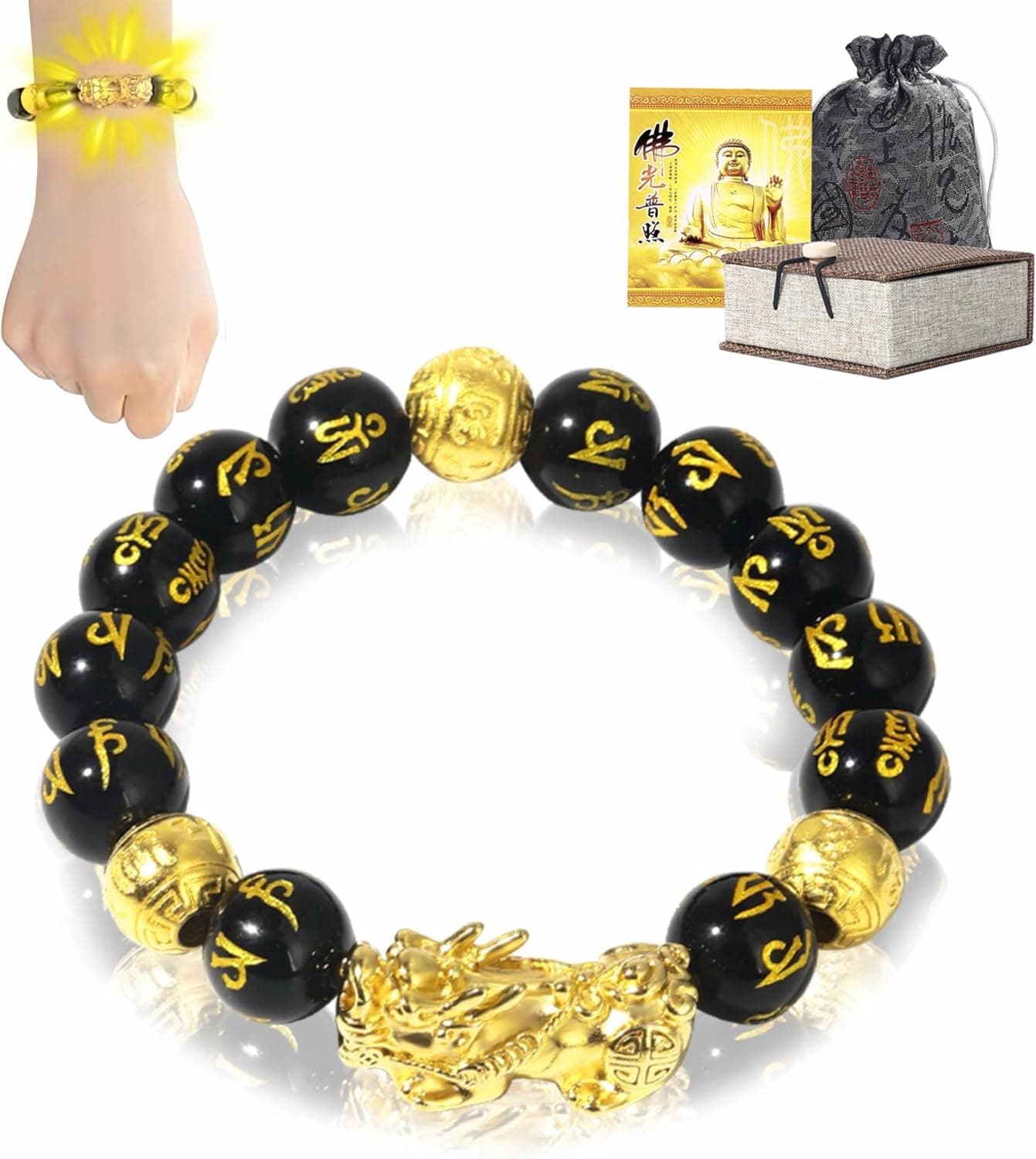
-50%biuufish Feng Shui Black Obsidian Bracelet for Men Women, 24K Gold Plated Pix...
As an Amazon Associate, we earn from qualifying purchases. We only recommend items our practitioners have personally tested.
Continue Your Journey
Explore these related guides to deepen your understanding:

Ready for Deeper Guidance?
Try our free I Ching reading for personalized wisdom, or explore our curated Feng Shui essentials.