Face the wrong sector in 2026 and your year can feel heavier than it needs to.
The one direction people keep walking into by accident
I once stood in a small home office in Richmond, looking at a blue desk pushed straight toward the northeast wall, a brass compass on top, and a red file tray jammed beside a printer. The owner, a teacher named Elaine, kept saying her work felt “stuck for no reason.” It took ten minutes to see why: she had built her whole routine around a direction she should have treated with more respect.
If you are asking how to map Tai Sui to your floor plan, start with the room itself, not the superstition. People love to argue about whether a compass reading is exact to the degree. That is not where the problem starts. The problem starts when a bedroom, desk, stove, or front door keeps asking for pressure from the wrong sector, month after month.
For 2026, the question is not only about labels on a compass. It is about where you place your body, your attention, and your most active rooms. That is why the phrase tai sui 2026 which direction to avoid matters most when it gets translated into daily use, not theory.
Here is the part that surprises people: the danger is rarely a dramatic disaster. More often it shows up as arguments that begin over tiny things, projects that drag, sleep that gets lighter, or a business owner who starts second-guessing every decision. Small friction. Repeated. That is how this sector works.
Why the Tai Sui sector in 2026 deserves respect
Tai Sui is not a cartoon villain and it is not a fixed “bad luck zone” in the way some social media posts pretend. In practice, it behaves more like a pressure field. You do not need to fear it. You do need to stop provoking it.
In a Fire Horse year, people get braver, faster, and less patient. That makes directional mistakes more expensive. The year already carries movement, heat, and impatience; when you add a poorly handled sector, you get a home or office that feels like it is always one email away from a flare-up. If you want the larger yearly logic behind that, read how the Grand Duke cycle shifts inside the Horse year.
So what direction do you avoid in 2026? The answer needs a practical frame: avoid placing yourself, your headboard, or your main work seat directly into the Tai Sui sector for the year. Also avoid knocking, drilling, or making noisy renovations there unless you know exactly what you are doing.
And no, “I only spend ten minutes there” is not a shield. Ten minutes repeated every day becomes a pattern. Patterns matter more than intentions.
The real mistake is treating the compass point as a rumor. A direction can become active because of how a room is used. A guest room with closed doors is not the same as a kitchen, and a quiet storage corner is not the same as a home office with two monitors and a whiteboard. That distinction changes everything.
How to identify the risky sector without guessing
First, stand at the center of your home or office with a reliable compass. Do not take the reading from the edge of a driveway or from inside a car. You want the building’s orientation, not the parking lot’s opinion.
Then mark the major sectors on a simple floor plan. If you have an awkward layout, that is normal. Homes are not perfect squares, and I have seen more confusion caused by hallways than by any formal curse. This is where a plain sector-level cure strategy becomes useful, because you need to respond to the actual room usage, not a textbook diagram.
Next, locate the sector tied to Tai Sui for 2026 and note what sits there. Is it your sofa? A pantry? A child’s study desk? A pile of unused exercise gear? Do not rush past this step. A cluttered corner can be louder than a painted wall.
If the sector is in a bedroom, pay special attention to the bed’s headboard direction and the side of the bed where you keep electronics. If it is in a workspace, watch where your chair points during the longest part of the day. If it is a kitchen, be careful with heat, knives, and constant movement. Those details matter more than vague advice about “positive energy.”
One retired architect I worked with in Vancouver had a slate-gray reading chair set exactly in the annual pressure zone, facing a low shelf stacked with old building permits. He had mild insomnia for six weeks and thought it was age. We moved the chair, cleared the shelf, and shifted the lamp to a calmer side of the room. By the next week, his sleep was deeper. Not perfect. Better. That is the kind of change I trust.
What to do instead of obsessing over fear
Do not gut your house. Do not repaint every wall. Do not start buying random charms because a video told you to. This is where sensible practice beats panic every time.
The first action is to reduce activity in the Tai Sui sector. Less banging, less drilling, less loud renovation. If the sector contains a frequently used seat or bed, move it if you can. If you cannot move it, reduce the amount of time you spend facing directly into that zone and soften the setup with calm, stable objects rather than sharp, aggressive ones.
The second action is to remove visual agitation. Broken items, tangled cords, overfilled shelves, and harsh red accents can make an already sensitive sector feel electrically tense. In one apartment, a chef kept three bright red aprons hanging on a hook beside the bedroom door in the problematic direction. Once we moved them to a utility closet and replaced the hook with a plain wooden rack, the room stopped feeling so “wired.”
The third action is to support the surrounding sectors instead of fixating on the one you fear. Many people stare only at the problem area and ignore the rest of the home. That is backwards. The whole floor plan should carry the load. Good flow elsewhere can soften a difficult direction.
If you want the broader yearly context, the annual layout matters too. A sector can feel more difficult when annual stars stack pressure on top of the Tai Sui influence, which is why annual flying star cures for 2026 often belong in the same conversation.
How to handle the direction in real life
Start with the room you use most. If your desk sits in the affected area, turn it so your body is not anchored directly against that pressure point. If that is impossible, add a solid backing behind your chair, keep the desk surface uncluttered, and avoid facing that direction for long creative sessions or hard negotiations.
If the bedroom is involved, the bed comes first. Sleep is not where you want to be testing your luck. A headboard against the pressured sector may be fine in some layouts and problematic in others, but a bed that vibrates with every little household activity is usually a bad sign. Keep the space quiet, weighted, and simple.
If the front door lands there, do not panic. Doors are dynamic by nature. What matters is whether the entrance is noisy, obstructed, or constantly slammed. Improve the threshold, keep it clean, and use light to make the area feel steady rather than exposed.
And if you are renovating, be sensible. Minor fixes are one thing. Major demolition in the annual pressure area is another. I would rather see a client delay a cosmetic project than force it through just to keep a schedule. Timing is cheaper than damage control.
People sometimes ask me whether they should avoid standing in the direction altogether. That is too rigid. You are not trying to disappear from your own house. You are trying to reduce unnecessary friction. There is a difference.
Linking Tai Sui to the rest of the 2026 chart
The best results come when you treat Tai Sui as one layer inside the year, not the whole story. A house can have a difficult annual sector and still feel fine if the rest of the layout supports sleep, work, and entry movement. That is why experienced practitioners look at the full map, not one headline.
If you are also tracking the broader energy of 2026, the Fire Horse year brings speed and heat into the picture. That means your response should be measured, not theatrical. Keep the annual pressure sector calm, support the rest of the home, and make your most important decisions from a steadier room if possible.
For readers building a bigger 2026 strategy, the main annual cures page is the natural next stop: the 2026 flying stars annual cures. That piece helps you connect the yearly map with the practical fixes that keep a house usable.
The title question, tai sui 2026 which direction to avoid, sounds narrow. It is not. Once you trace it through a floor plan, it becomes a question about movement, timing, and discipline. Those three things shape a year more than lucky decorations ever will.
FAQs
Is it enough to just avoid facing the direction at all times?
No. Direction matters, but usage matters more. A quiet hallway is not the same as a desk where you spend eight hours making decisions. Reduce repeated exposure where it counts, and you will usually get better results than from obsessing over every glance.
Can I still renovate if the sector falls in my house?
You can, but choose your timing carefully and keep the work as light as possible. Noise, drilling, and repeated disruption are the real issue. A small repair is one thing; weeks of demolition in a sensitive zone is another.
What if my bedroom or office already sits there?
Then work with the layout you have. Move the bed or desk if possible, clear clutter, and soften the room so it stops feeling aggressive. I have seen more improvement from simple repositioning than from expensive objects bought in a hurry.
David Liu
Traditionally informed guidance • Cross-referenced with classical Chinese source texts
Rooted in classical Chinese metaphysics and cross-referenced with original texts. Product recommendations are based on traditional symbolism, not guaranteed outcomes.
Practitioner-Selected Tools for This Topic
Items our team has tested and found effective for the principles discussed above. Individual results may vary.
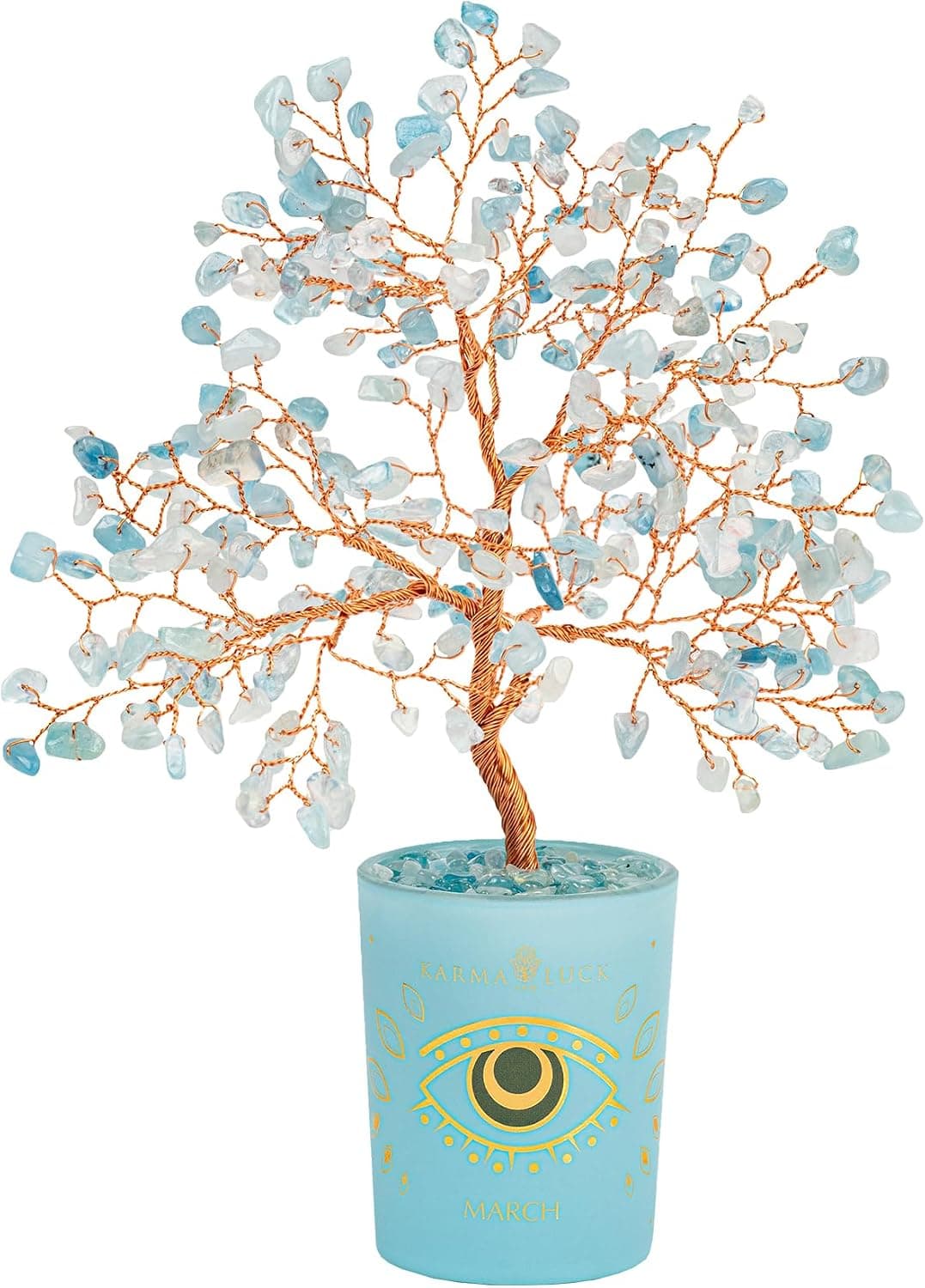 -29%
-29%Karma and Luck March Birthstone Crystal Tree of Life, Aquamarine Gemstone Fen...
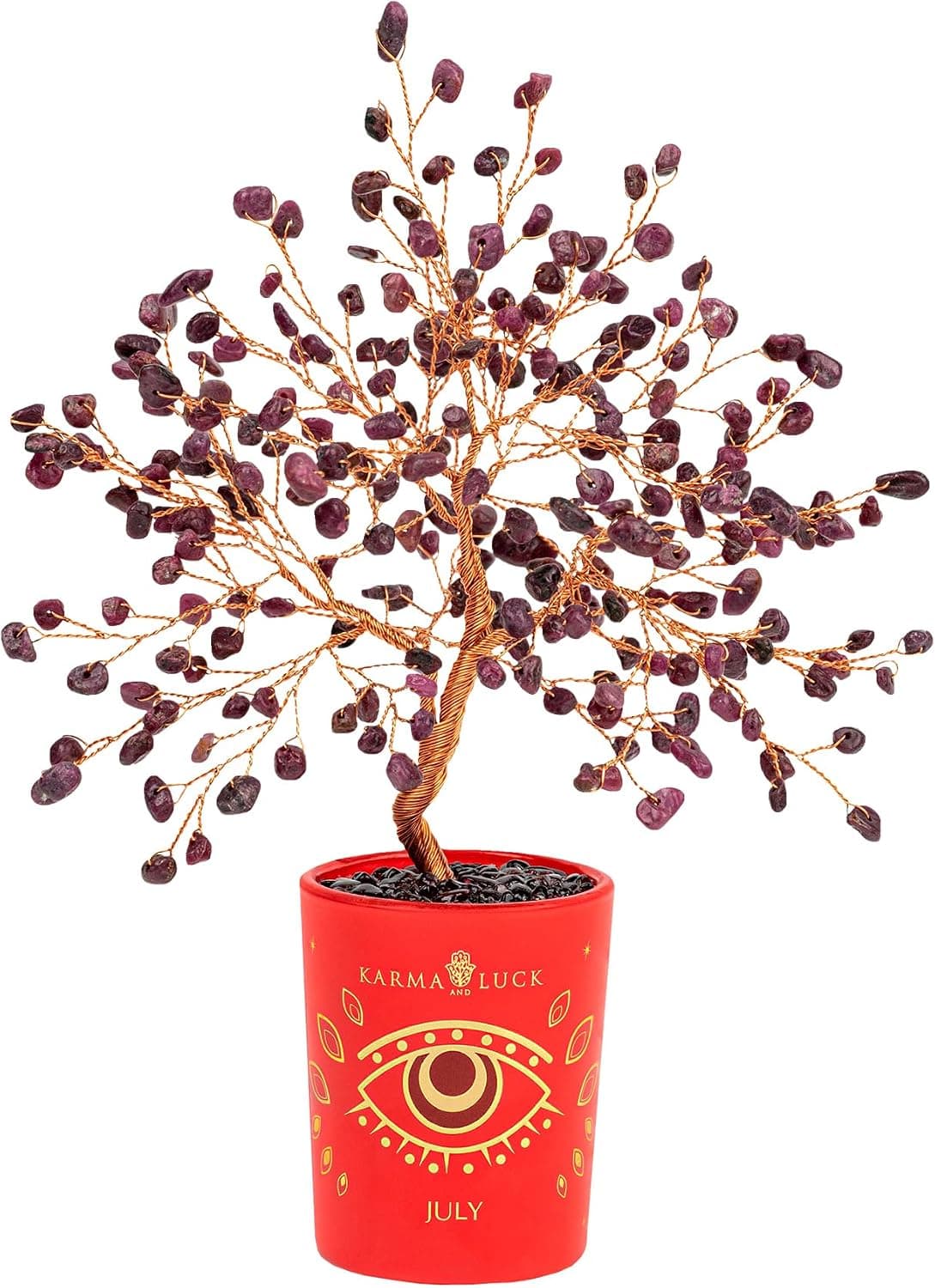 -29%
-29%Karma and Luck July Birthstone Crystal Tree of Life, Ruby Gemstone Feng Shui ...
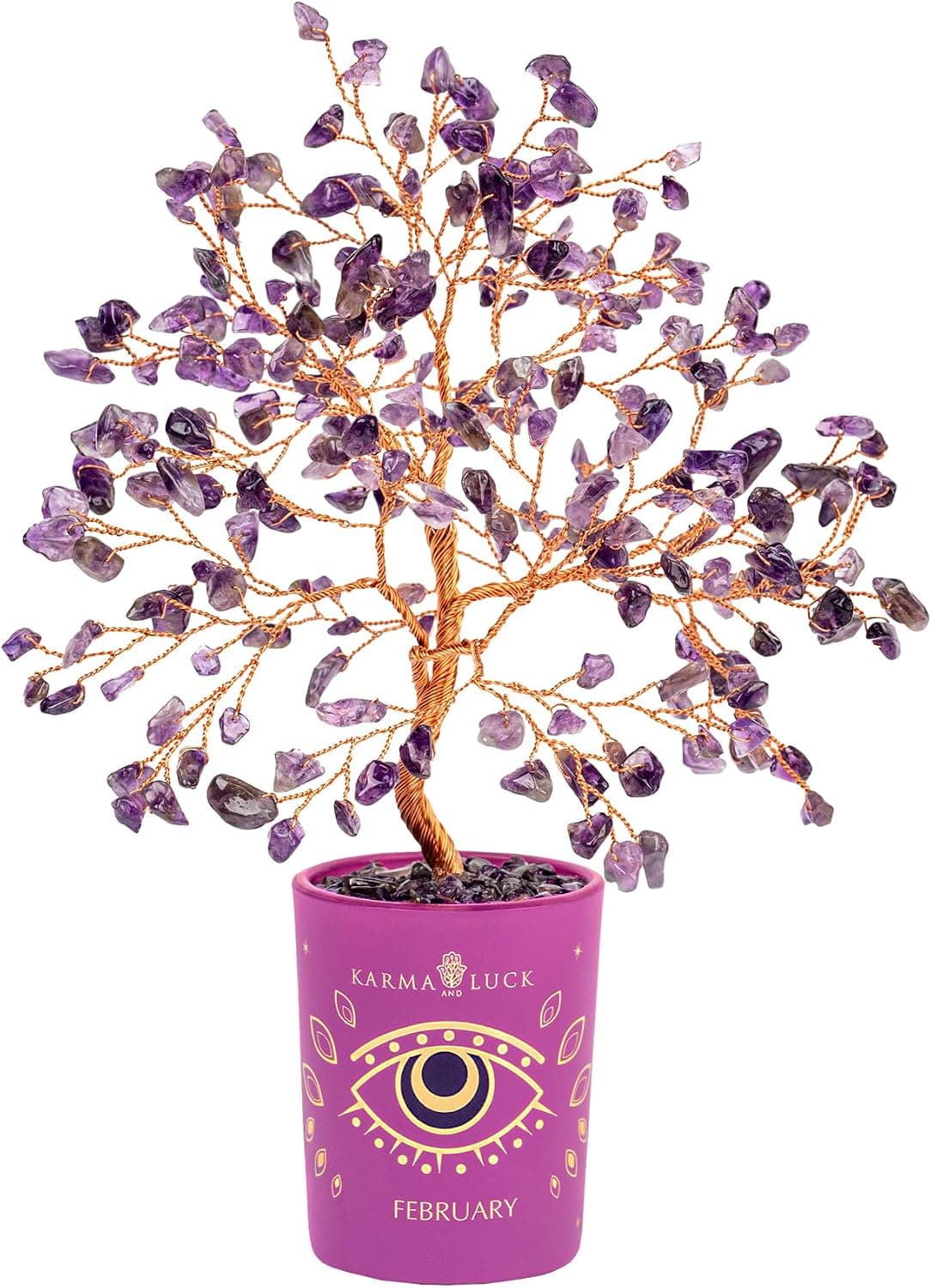 -29%
-29%Karma and Luck February Birthstone Crystal Tree of Life, Amethyst Gemstone Fe...
 -50%
-50%biuufish Feng Shui Black Obsidian Bracelet for Men Women, 24K Gold Plated Pix...
As an Amazon Associate, we earn from qualifying purchases. We only recommend items our practitioners have personally tested.
Continue Your Journey
Explore these related guides to deepen your understanding:

Ready for Deeper Guidance?
Try our free I Ching reading for personalized wisdom, or explore our curated Feng Shui essentials.