Holiday energy improves faster when you clear air, light, and movement first, then use symbolism that actually fits the room.
How Lunar New Year used to reset a home
Before anyone worried about a chair facing a door, families marked Lunar New Year by clearing dust, airing out rooms, and making space for guests. That sequence mattered because it changed the house from closed and tired to open and ready. The ritual was never only decorative. It was a practical reset that also carried meaning.
That old order still works. When you open windows, wipe the entry floor, and remove visual clutter, the house feels lighter because the body reads less obstruction, less stale air, and fewer unfinished tasks. I’ve watched a cramped apartment in particular transform in ten minutes: the hallway was stacked with delivery boxes, a black umbrella was leaning against the wall, and the small console table held seven objects that all looked important. After the boxes moved, the table held one red bowl and a citrus branch, and the whole entry stopped feeling defensive.
Philosophy explains part of this cleanly. Yin needs room to settle; yang needs enough light and movement to awaken. If you only pile on festive color and noise, the home can feel overstimulated. If you only clean without adding warmth, the space can feel empty rather than renewed.
front door feng shui matters here, but not because of superstition alone. It matters because the threshold is where air, people, and attention first meet.
Fresh air also has a real environmental effect. Windows opened for even a short time reduce indoor buildup from cooking, dust, and stagnant smells, which changes how fresh a room feels before you place a single ornament. That is why a holiday house often feels better after airing out, even to people who do not care about metaphysics.
Why timing changes the effect
The week before Lunar New Year is not just a countdown. It is the period when behavior becomes sticky, because every extra task competes with shopping, travel, and family obligations. If you wait until the eve of the holiday to clean, you are not creating order. You are adding pressure.
Do the heavy clearing earlier, while you still have attention. That reduces cognitive load, which is the plain-language reason a room feels calmer after a proper reset. The mind stops tracking all the visual reminders of unfinished business, and the body stops bracing against them. The house then supports the holiday instead of making everyone work harder inside it.
Use that timing to your advantage. Open the windows on a mild day, even for fifteen minutes. Wipe the baseboards in the entry, vacuum corners, and clear the area where shoes, bags, and packages collect. The home begins to read as available instead of crowded.
In a studio, this matters even more because one cluttered corner contaminates the feel of the whole room. A single coat rack buried under scarves can make the entire apartment seem compressed. Clear the one path you use most often and the energy changes faster than people expect.
bagua map basics can help you organize the holiday, but only if you stop treating the map like a decoration chart. The real value is directional awareness: where people enter, where they gather, and where the eye lands first.
The entryway does the heavy lifting
The entry is the first message the home sends. A clear front door area says movement is welcome, which is why I push people to remove shoes, packages, and random drop-zone objects before they add anything festive. If the threshold is blocked, the house announces friction before the guests even step inside.
Keep the entry table minimal. One or two symbolic items are enough: a bowl of citrus, a simple red accent, or a vase with healthy branches. If the surface is crowded, the symbols lose force because the eye cannot rest on them. Clean lines let meaning land.
Lighting matters just as much. A hallway with dark pockets can make a home feel compressed, even if it is technically tidy. Aim for even light that is warm but not dim, because you want the active side of the holiday to feel welcome without turning the space harsh. Soft brightness helps people orient themselves quickly, and that makes a gathering feel less tense.
One small detail often changes the entire impression: the floor. A dust-free floor at the threshold tells the body that the space has been prepared with care. It sounds minor. It is not.
I have seen a narrow entry with white tile, a brass umbrella stand, and a single small lantern look generous simply because the shoes were gone and the packages were moved behind a closet door. The room did not get bigger. The signal got cleaner.
Where command position helps, and where it gets exaggerated
The command position is useful when it improves attention, comfort, and awareness of the room. It is not a magic switch. A chair facing the door can be good if the seat has support, the light is even, the noise is manageable, and the person can relax without feeling watched.
That is the part most holiday advice skips. A supposedly perfect chair placement means little if the dining room is crowded, the light is bluish, and the path from kitchen to table is blocked by a sideboard and two folding chairs. The body cares about access. It cares about whether movement feels easy. It cares about whether someone can converse without twisting, squinting, or hearing every clatter from the stove.
So use command position as a support rule, not a religion. In a small apartment, a dining chair may face the room rather than the door, and that can still work if the person seated there has a clear view, enough elbow room, and no harsh glare behind them. The point is not ceremonial correctness. The point is steadiness.
A common blog claim says the chair alone fixes holiday energy. It does not. The chair, door, light, and noise level work together because the nervous system responds to the whole environment, not one object in isolation.
living room flow often tells you more than a single object can. If people can enter, pause, and sit without collision, the space already supports the holiday better than a room full of perfect symbols jammed into bad circulation.
Red, citrus, flowers, and lights when they actually work
Holiday symbols should support the room, not bully it. Red works because it activates attention and marks a change in time, but too much red in a small room can feel aggressive rather than celebratory. Citrus works because it brings color, scent, and a living harvest image into the home. Flowers work when they are fresh, balanced, and not so large that they block movement or sightlines.
Light is the hidden symbol most people underuse. Warm, balanced lighting supports the yang side of the holiday better than a crowded shelf of ornaments because it changes the whole atmosphere at once. A single lamp switched on in the right place can do more than five extra decorations.
This is where biophilic effects quietly matter. Natural materials, living branches, fruit, and daylight cues help people feel less sealed off from the outside world. The home reads as connected to the season. That feeling is part of why holiday rituals work.
Choose symbols that match the scale of the room. In a tiny kitchen nook, one bowl of oranges and a clean red tea towel may be enough. In a larger dining room, a longer table arrangement can hold more visual rhythm, but only if the center stays open enough for serving and conversation.
And be careful with scent. Strong fragrance can overwhelm a room fast. Fresh flowers and citrus peels usually feel cleaner than heavy artificial sprays, especially when the home has just been aired out.
How to shape the gathering around food and movement
The dining table should make conversation easy before it looks festive. If people must squeeze sideways past chairs or lean over centerpieces to speak, the gathering starts with tension. Keep the path to the table clear, leave enough room for knees and plates, and let the center remain low enough that faces can be seen.
A reader once compared two setups in a small dining room with cream walls and a single pendant lamp. One table was crowded with layered decor, a tall vase, and several red candles, and the room felt oddly tense. The other had warm light, two oranges in a shallow bowl, and space at every seat. Nothing magical changed. The second setup simply allowed easier movement, better sightlines, and a calmer nervous system.
bedroom harmony is not the issue here, but the same principle applies: if the body can relax into the space, the symbolism lands. That is why holiday meals go badly in rooms that are visually busy but physically awkward.
Keep serving traffic predictable. If the kitchen is cramped, set dishes in a simple sequence so people do not constantly cross paths. Fewer interruptions mean better conversation, and better conversation is part of a good New Year atmosphere. Ritual meaning lives in repeated actions, but those actions work best when they feel smooth.
Small apartments need this more than large ones do. A narrow hallway with one shoe rack, one coat hook, and one clear line to the table will usually feel better than a room filled with multiple festive stations competing for attention.
A clean sequence for the day before and the day of
The day before, clear the front door area first, then dust, then open windows if weather allows. After that, choose one or two symbolic pieces for the entry and leave them alone. If you keep adding items, you dilute the effect. If you keep the display simple, the mind can register it as intentional.
On Lunar New Year itself, focus on light, fresh air, and ease of movement. Wipe any visible smudges, turn on the warmest useful lamp, and check that the path from door to main gathering area is open. Put away the objects that create visual friction. The goal is not a showroom. The goal is a house that feels ready to receive.
Do not chase every charm you see online. A meaningful ritual done cleanly will beat a crowded pile of cures every time. healthy greenery in the home can support the season too, but only if the plant is alive, well-placed, and not blocking movement.
One sentence can summarize the whole method: clear first, light second, symbolize third.
If you want a simple test, stand at the entry and ask whether the home looks open, bright, and easy to move through. If the answer is no, fix that before touching anything else. The holiday energy usually improves when the environment stops fighting the people inside it.
FAQ
Should I clean everything the day before Lunar New Year?
Clean the visible, high-traffic areas first because they shape the first impression and the feel of movement. Deep tasks are better done earlier, while the house still has time to settle. That order lowers stress and makes the holiday reset feel complete instead of rushed.
Do I need red decorations everywhere?
No, and too much red can overpower a small room. One strong accent near the entry or dining area usually works better than covering every surface. The best use of red is as a signal, not a blanket.
What if I live in a studio apartment?
Then the entry path and the main sitting area matter even more because one cluttered corner affects the whole space. Focus on airflow, one clear surface, and a single festive focal point. Small spaces reward restraint.
Can I ignore the command position completely?
Surprising as it sounds, many holiday setups improve more from good lighting and uncluttered circulation than from perfect chair alignment. Use command position when it helps people feel settled and aware, but do not sacrifice comfort, access, or conversation to obey it rigidly. A room that supports the body will usually support the symbolism too.
Mei Chen
Traditionally informed guidance • Cross-referenced with classical Chinese source texts
Content draws from both Compass (Luopan) and Form (Xingshi) school traditions. Illustrative examples are composites based on consultation experiences.
Practitioner-Selected Tools for This Topic
Items our team has tested and found effective for the principles discussed above. Individual results may vary.
 -19%
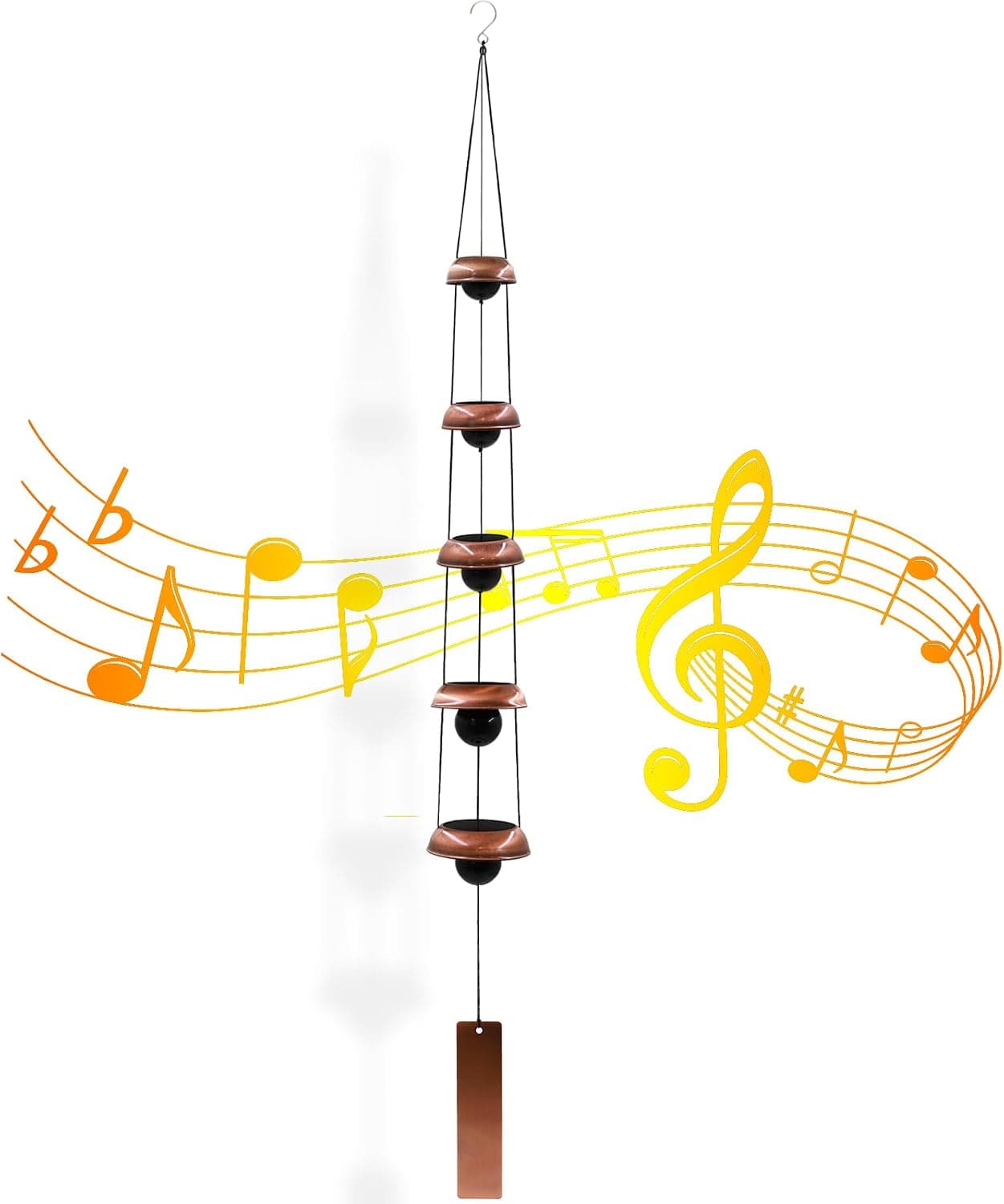
-19%Wind Chimes for Outside with 5 Bell Unique Copper Musical Chimes Feng Shui Wi...
 -5%
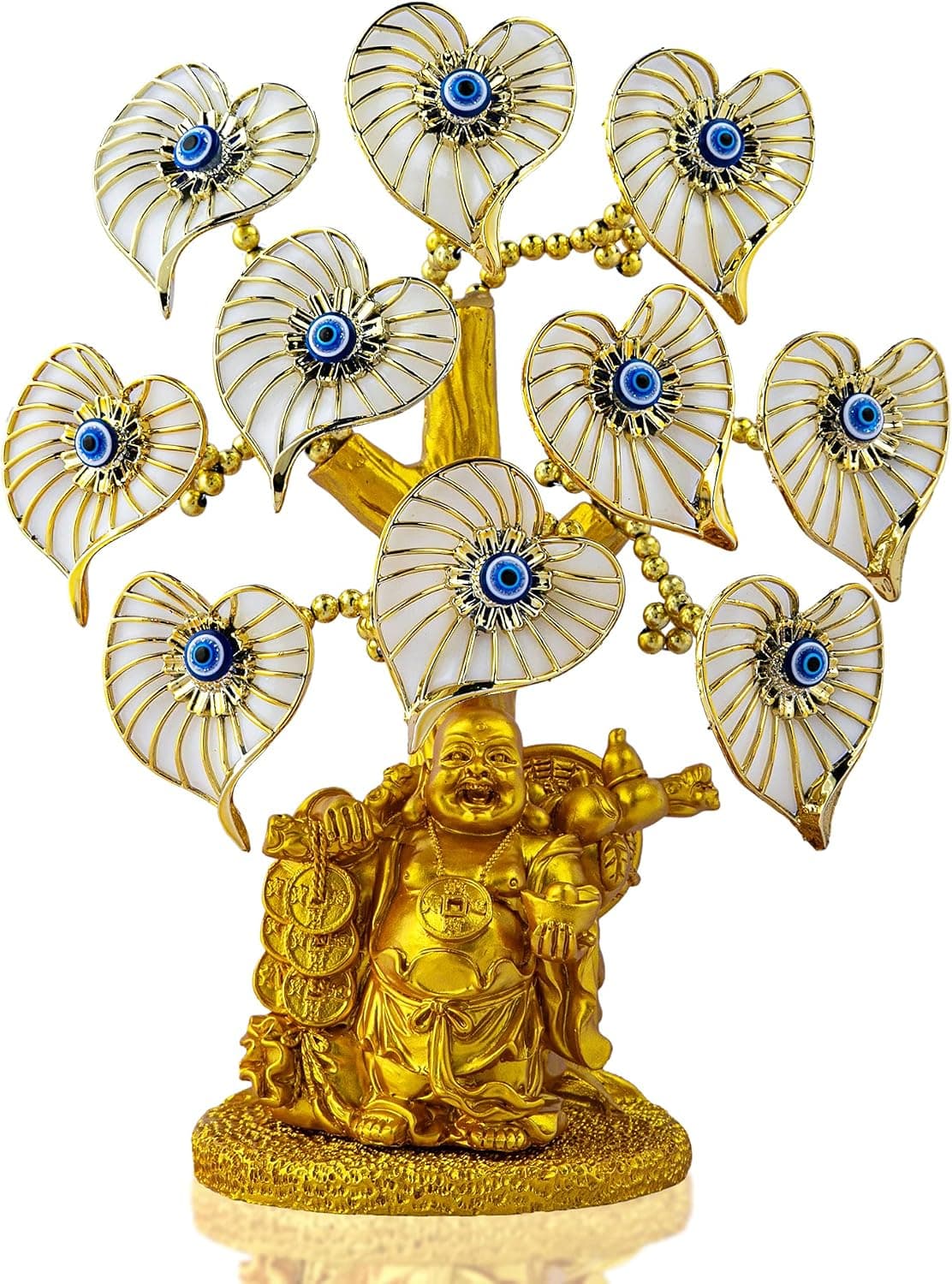
-5%YU FENG Evil Eye Money Tree, Blue Feng Shui Decor with Golden Buddha
 -29%
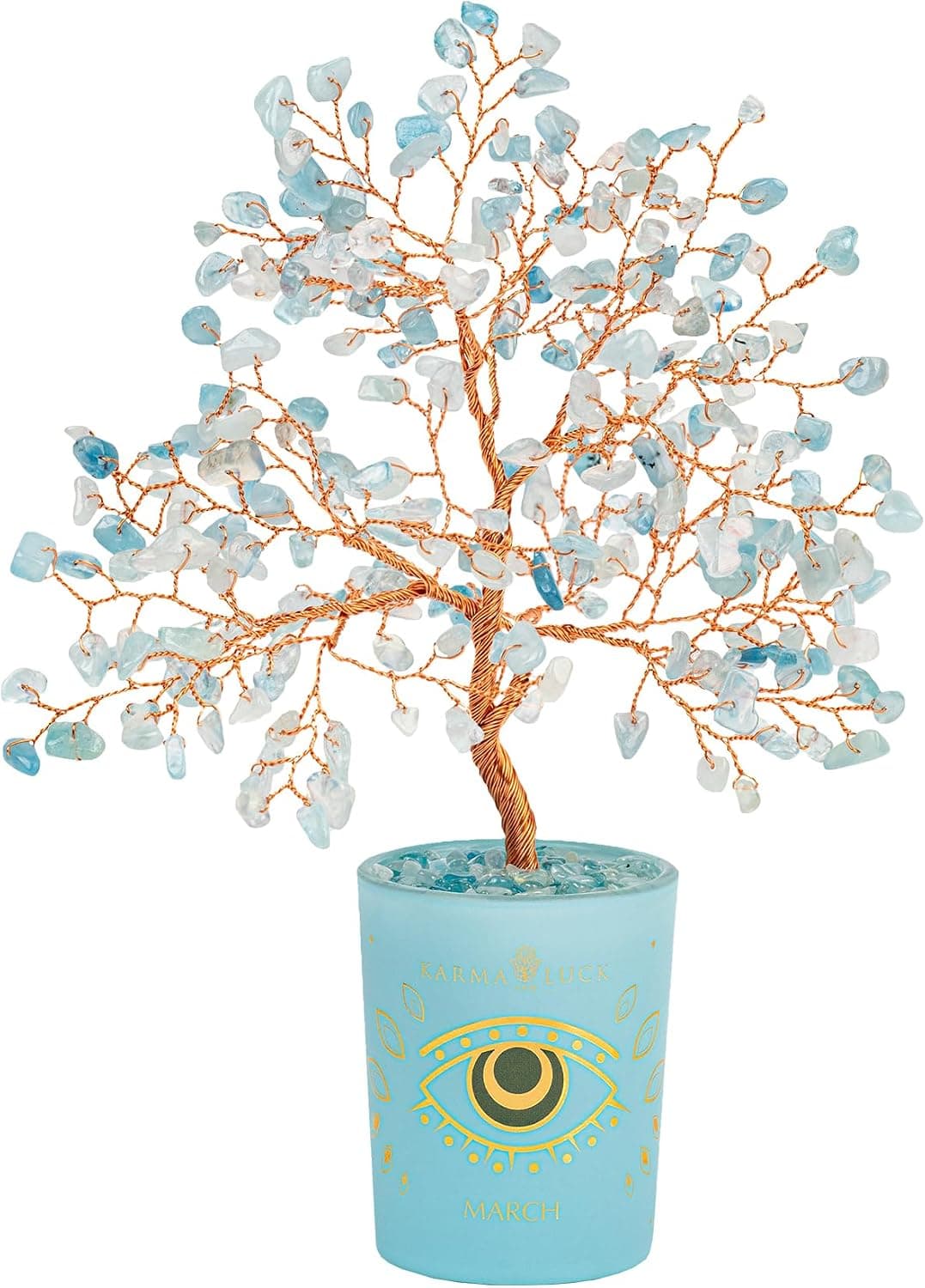
-29%Karma and Luck March Birthstone Crystal Tree of Life, Aquamarine Gemstone Fen...
 -29%
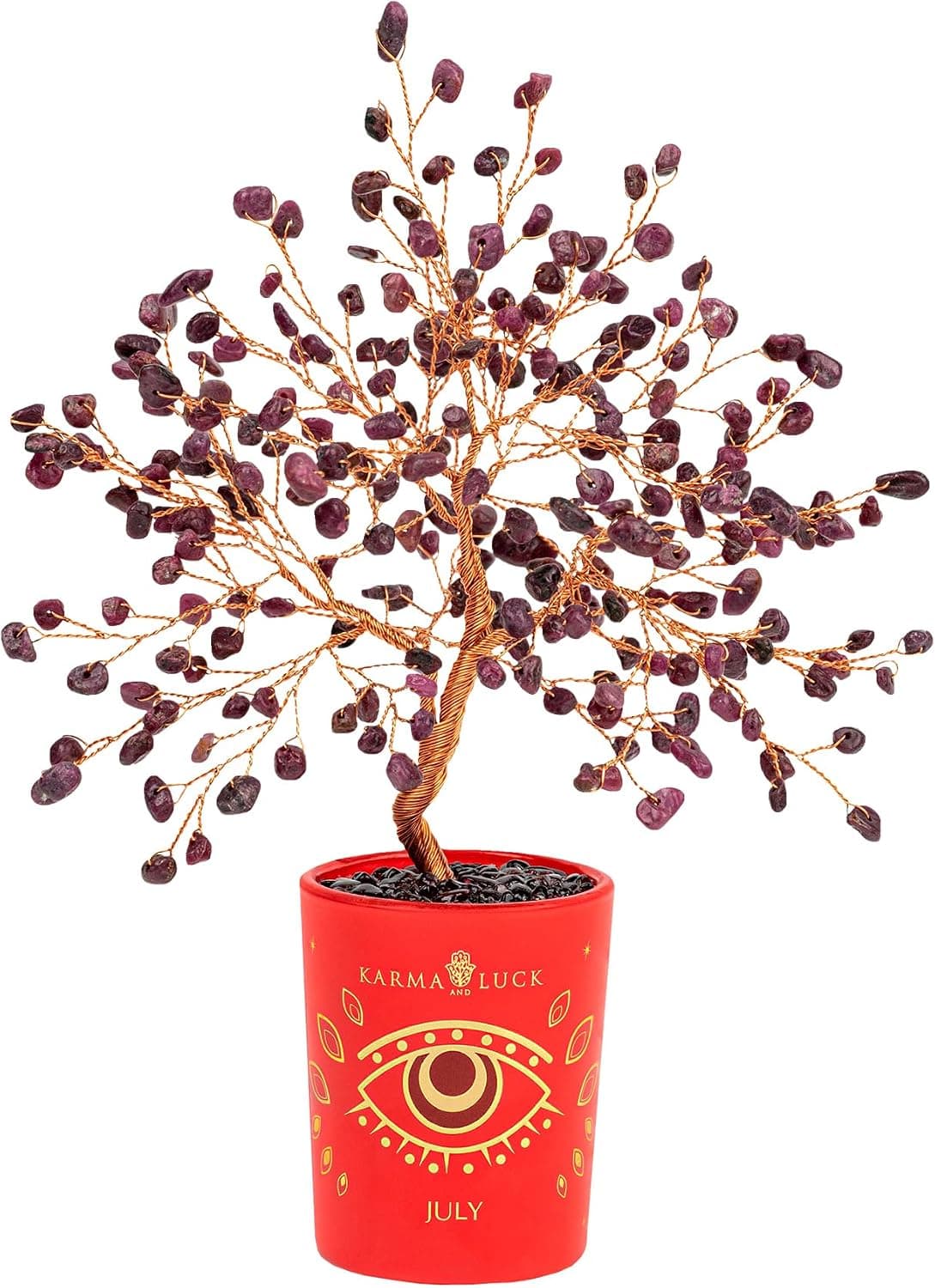
-29%Karma and Luck July Birthstone Crystal Tree of Life, Ruby Gemstone Feng Shui ...
As an Amazon Associate, we earn from qualifying purchases. We only recommend items our practitioners have personally tested.
Continue Your Journey
Explore these related guides to deepen your understanding:


Ready for Deeper Guidance?
Try our free I Ching reading for personalized wisdom, or explore our curated Feng Shui essentials.