A lucky chart can misfire the moment a room swallows light and sound.
I’m building this as a mechanism-led deep piece, and I’m checking the link targets and section shape while I draft so the article doesn’t drift back into a generic zodiac list.{"title":"Something About 2026 Zodiac Luck Doesn't Add Up in L-Shaped Homes","excerpt":"A crooked floor plan can distort a lucky year more than the stars do.","content":"
The Hidden Truth About luckiest-zodiac-signs-2026-ranking
Something about luckiest-zodiac-signs-2026-ranking doesn't add up.
I watched it happen in a narrow apartment with an L-shaped living room, one arm stretching toward a north-facing balcony and the other folding around a charcoal sofa, a brass floor lamp, and a white bookshelf that never seemed to stay tidy for more than two days. The owner had followed every popular 2026 ranking she found online. She wore the right color on the right day, kept a jade plant near the window, and even moved a blue bowl to the desk because some chart told her her sign would ride a strong year. Her sleep got worse, not better. Bills arrived late. The room felt split, and her attention split with it.
That is the mechanism people miss. A ranking assumes the year lands on a neutral surface, but an irregular room changes the surface itself because qi does not move through an L-shape the way it moves through a rectangle. It accelerates down the long leg, stalls in the recess, and leaves one part of the home overfed while another stays undernourished. So the promised lift for a zodiac sign can hit one corner cleanly and leak out through the missing angle before it ever becomes useful.
Common advice treats luck like a spotlight. The better model is plumbing. Follow the flow, and the pressure makes sense; block the pipe, and even a good forecast turns noisy. Wrong.
Quick start: find the missing corner of the L, identify which room function sits there, and stop asking whether your sign is “lucky” before you ask whether your home can actually hold that luck. The shape comes first.
In a square dining room, a boosted year can feel simple: you place the key object, clear the clutter, and the room receives the energy without much argument. In an L-shaped home, the same object may sit in the dead branch of the plan, where movement thins out and people unconsciously avoid the space. I’ve seen a yellow ceramic vase on a sideboard near the bend of an L send people to the kitchen for tea and never bring them back. That is not superstition. It is behavior. The body reads unfinished geometry and makes smaller, safer choices.
The hidden problem is not that the year is wrong. The problem is that the house fragments the signal before it can settle. The result looks like bad luck, but it behaves more like interference. Someone who is supposedly high on the yearly ranking may still lose momentum if the bedroom sits in the short arm of the L, because sleep gets choppy there and the nervous system keeps checking the room for exit paths. You feel this before you can explain it. You stop unpacking. You stop starting. You tell yourself you are busy.
That is why conventional ranking advice often backfires in irregular plans. It ranks people as if everyone lives in the same container, then ignores the room that decides whether the message lands cleanly. A split-level foyer, a cut-out living room, a deep recess behind the dining table, or a hallway that bends hard after the front door can all alter the outcome. One year looks generous on paper and thin in the body of the house.
How the Shape Changes the Signal
The first step is intake. A yearly influence enters through the most active threshold in the home, usually the front door or the main social room. In a clean rectangular layout, that input spreads evenly and people feel it as steadiness, appetite, or cleaner focus. In an L-shaped arrangement, the input gets sorted by geometry because one leg becomes the primary path and the other becomes a residual pocket. You can see this in motion: shoes pile up near one branch, the remote disappears in the other, and nobody quite owns the dead zone.
Next comes retention. Good timing needs places to rest. A missing corner reduces holding capacity, so money, attention, and even social warmth can enter and then scatter before they settle into habits. That is why some people get a brief burst in January and then watch it fade by March. The home is not cooperating.
Then there is the feedback loop. Once the resident notices the drift, they compensate by overdecorating, overchecking, or changing objects every week. That creates more visual noise, which weakens the sense of order, which makes the L-shape feel even more unsettled. The cycle is mechanical. Not mystical.
I walked into a retired architect's sunroom in Oakland last spring and found the same pattern in miniature: pale green curtains, a low mahogany table, and a missing corner behind a potted rubber tree where no one wanted to sit. She had placed three lucky bamboo stalks there because a blog said her sign would benefit from growth in 2026. The plant looked fine. The room did not. We shifted the plant to the inner bend, moved a reading chair into the recess, and put a cream lamp where the eye had previously hit empty floor. Two weeks later she said the room felt “less argumentative.” That is the language of a home regaining continuity.
For the broader 2026 pattern, that continuity matters more than the headline ranking. If you want the yearly boost to stick, the house has to stop breaking the line of movement. The front of the home, the main living area, and the sleeping room each need a different kind of support. You can read the larger framework in <a href="/blog/front door complete guide feng shui">the front door guide that explains threshold flow, then compare it with <a href="/blog/wealth corner complete guide feng shui">the wealth corner map for homes that leak momentum, because luck often fails first where the layout interrupts circulation.
One more thing: not every missing corner needs the same fix. A dining nook cut off from the rest of the plan wants light and visual connection. A bedroom in the short wing wants enclosure and reduced stimulation. A desk trapped near the bend needs a stable wall behind it, not a scatter of glossy objects. Put the correction in the right place, or you just decorate the problem.
Practical Adjustments That Change the Outcome
Start with the irregularity itself. Mark the missing leg on a floor plan, then stand in the center and notice where the eye drops first. That low-visibility zone is where qi thins out fastest. Add one grounded object there only if it creates continuity: a lamp, a bench, a plant with weight, or a framed print that finishes a visual line. Do not jam in more trinkets. Too many small cures make the area jittery.
After that, reduce the pressure points at the bend. The bend is where movement makes decisions, so clutter there turns a simple path into a hesitation point. I’ve seen a blue recycling bin, a shoe rack, and an umbrella stand stacked in the elbow of an L-shaped hallway, and the residents kept missing appointments because they spent every morning navigating that choke point. Clear it, and the day starts with less friction.
Then tune the room that carries the most daily use. If the living room is the active branch, keep the main seat back to a solid surface and angle it toward the center so conversation has somewhere to land. If the bedroom occupies the shorter wing, lower the visual temperature: deeper bedding tones, fewer reflective surfaces, and no bright object that keeps the mind scanning after lights-out. For some homes, the better fix is not adding anything but removing the stray piece that steals attention. That is often the old floor lamp in the wrong corner or the tall mirror that makes the space feel unfinished.
People love dramatic remedies. They want a crystal, a charm, a year-specific object, something with a name they can repeat in conversation. But when the plan is irregular, the small architecture around the object matters more than the object itself. A red ornament on a side table cannot stabilize a room whose circulation collapses at the bend. A metal bowl cannot rescue a corridor that traps motion behind a coat tree. The layout tells the truth first.
There’s a sharper way to think about the whole year: 2026 may promise a lift for one sign, but a crooked room can reassign that lift into irritation, rushing, or sleep disruption because the body is trying to compensate for weak spatial logic. That is why some people feel strangely “unlucky” in a supposedly favorable year. The year is not the villain. The container is.
For a deeper read on how the annual pattern itself behaves room by room, compare this to <a href="/blog/feng-shui-2026-flying-stars-annual-cures">the 2026 annual cures by sector. Then, if you want to understand why a layout feels off even when every symbolic cure is in place, <a href="/blog/theory why your still five elements feels off even when you did everyt feng shui">the five elements explanation of mismatch shows why the room can reject a cure that looks correct on paper.
One practical test: sit in the main room at night with every overhead light off except one lamp. If the L-shape still makes part of the room vanish into shadow while the other side dominates, your eye is telling you how the house distributes attention. That tells you where to work first.
Where People Go Wrong
They treat the ranking like weather. That feels reasonable because forecasts look precise, but the house has its own climate.
They put the cure in the wrong branch of the layout because it matches the compass direction, not the lived traffic. The result is decorative clutter in a dead zone and no visible shift in daily life. Big mistake.
They ignore sleep. A lucky year cannot survive broken rest, and an irregular bedroom often creates the kind of low-grade alertness that makes people wake at 3:40 a.m. with a dry mouth and a racing list of tasks. I have watched that pattern repeat in rooms with sharp cut-outs and exposed corners.
They overcorrect with mirrors and shiny finishes. Those look like expansion, but in a fragmented plan they can bounce attention around so hard that everyone feels slightly exposed. The home starts to behave like a hallway, even in rooms meant for recovery.
They assume the issue is spiritual failure instead of layout. That belief is comforting because it keeps the problem abstract, yet the signs are usually ordinary: the mail stacks up on the sideboard, the dining chair becomes a landing pad, the phone charger disappears under the sofa, and the whole household starts living around the missing angle instead of through it. Once that happens, a good yearly ranking has nowhere stable to land.
People also borrow cures from the wrong domain. A bracelet, a charm, or a desk token may help in the right context, but none of them can replace a house that supports flow. If you want to see why some small objects work only when the surrounding path is right, read <a href="/blog/bracelet rules which hand feng shui">which hand changes a bracelet's effect and then <a href="/blog/coins feng shui">coin placements that make money feel managed, not chaotic. The object matters. The placement matters more.
What Works Better in an Irregular Home
Use the shape instead of fighting it. An L-shaped room can work if you give each branch a job and stop expecting both branches to do the same thing. One leg can hold activity. The other can hold pause. Once that division is clear, the whole home becomes less argumentative.
Anchor the bend. Not with clutter. With continuity. A round table, a taller plant, a low shelf that closes a sightline, or a pair of matching lamps can soften the cut without pretending it is not there. The point is to make the eye trust the turn.
Give the short arm a reason to exist. A reading chair, a homework desk, a tea tray, a meditation cushion, or a compact storage piece can turn a dead pocket into a functioning niche. The room stops wasting attention there. The residents do too.
And if the layout is especially awkward, strip the area down before adding anything. After all, a home cannot receive a new pattern while it is still busy broadcasting five old ones. A plain floor, one well-sized object, and a clean edge often do more than a shelf of charms ever will.
One home in Chicago made this obvious. The main bedroom sat in the narrower wing of an L, and the owner had filled the far side with a mirrored dresser, silver frames, and a pale blue diffuser. She had been told her 2026 sign would benefit from more “activation.” Instead, she kept waking tired and slightly irritated. We removed the mirror from the foot of the bed, swapped the diffuser to a side table near the door, and placed a dark wool throw at the headboard to make the room feel enclosed. Within a week, the room sounded quieter. By the second week, she stopped checking her phone twice before sleep.
For a deeper technical lens on the room itself, the short article on <a href="/blog/bedroom guide feng shui">bedroom flow and why a sanctuary needs less noise helps, and so does <a href="/blog/bedroom rules feng shui">the rule set for sleep and relationship stability. These are not side notes. They are part of the same mechanism.
The final test is simple: when you stand in the room, do you feel the house pulling you into one function, or do you feel split between two? That split is where the ranking gets distorted, and it is where the fix has to begin.
FAQ
Is conventional luckiest-zodiac-signs-2026-ranking advice reliable?
Often not, because it assumes the year acts the same way in every home. An L-shaped layout can redirect or dilute the effect before it becomes noticeable, so the result may look inconsistent even when the forecast is technically correct.
Does a missing corner always cause bad luck?
No, and that’s the trap. Some homes with irregular plans feel fine because the active rooms are placed well and the bend is handled cleanly; others feel unstable because the cut falls through the bedroom or the main gathering space.
Should I add more cures if my sign is supposed to do well this year?
Not automatically. More objects can make an already fragmented space busier, which usually worsens the drift. Start by fixing the circulation, then add only what supports that movement.
Can a small apartment still handle this kind of layout issue?
Absolutely, and small homes often show the problem faster because every corner gets used hard. A compact L-shape with a bright bend, a clear path, and one grounded focal point can feel steadier than a larger, cluttered rectangle.
What should I look at first if my year feels off?
Begin with the room you use most at night and the path you take from the front door to that room. If that route bends sharply, collects stuff, or forces your eye into a dead pocket, the problem is usually structural before it is symbolic.
Do zodiac rankings ignore the house entirely?
They usually do. That omission is why a supposedly favorable sign can still feel stalled in a home with broken circulation, while a less favored sign can do surprisingly well in a clean, coherent plan.
Look at the bend in the hallway after dark. The lamp is on, the corner is not, and the room seems to decide where your attention will be before you do.
","meta_title":"2026 Zodiac Luck in L-Shaped Homes | The IChingWisdom","meta_description":"Why luckiest-zodiac-signs-2026-ranking changes in L-shaped homes, and how room geometry can blunt or redirect a favorable year.","keywords":["2026 zodiac luck","L-shaped home feng shui","irregular room geometry","annual astrology ranking","home flow"],"schema_json":{"faq":[{"question":"Is conventional luckiest-zodiac-signs-2026-ranking advice reliable?","answer":"Often not, because it assumes the year acts the same way in every home. An L-shaped layout can redirect or dilute the effect before it becomes noticeable, so the result may look inconsistent even when the forecast is technically correct."},{"question":"Does a missing corner always cause bad luck?","answer":"No, and that’s the trap. Some homes with irregular plans feel fine because the active rooms are placed well and the bend is handled cleanly; others feel unstable because the cut falls through the bedroom or the main gathering space."},{"question":"Should I add more cures if my sign is supposed to do well this year?","answer":"Not automatically. More objects can make an already fragmented space busier, which usually worsens the drift. Start by fixing the circulation, then add only what supports that movement."},{"question":"Can a small apartment still handle this kind of layout issue?","answer":"Absolutely, and small homes often show the problem faster because every corner gets used hard. A compact L-shape with a bright bend, a clear path, and one grounded focal point can feel steadier than a larger, cluttered rectangle."},{"question":"What should I look at first if my year feels off?","answer":"Begin with the room you use most at night and the path you take from the front door to that room. If that route bends sharply, collects stuff, or forces your eye into a dead pocket, the problem is usually structural before it is symbolic."},{"question":"Do zodiac rankings ignore the house entirely?","answer":"They usually do. That omission is why a supposedly favorable sign can still feel stalled in a home with broken circulation, while a less favored sign can do surprisingly well in a clean, coherent plan."}]},"amazon_products":[]}David Liu
Traditionally informed guidance • Cross-referenced with classical Chinese source texts
Rooted in classical Chinese metaphysics and cross-referenced with original texts. Product recommendations are based on traditional symbolism, not guaranteed outcomes.
Practitioner-Selected Tools for This Topic
Items our team has tested and found effective for the principles discussed above. Individual results may vary.
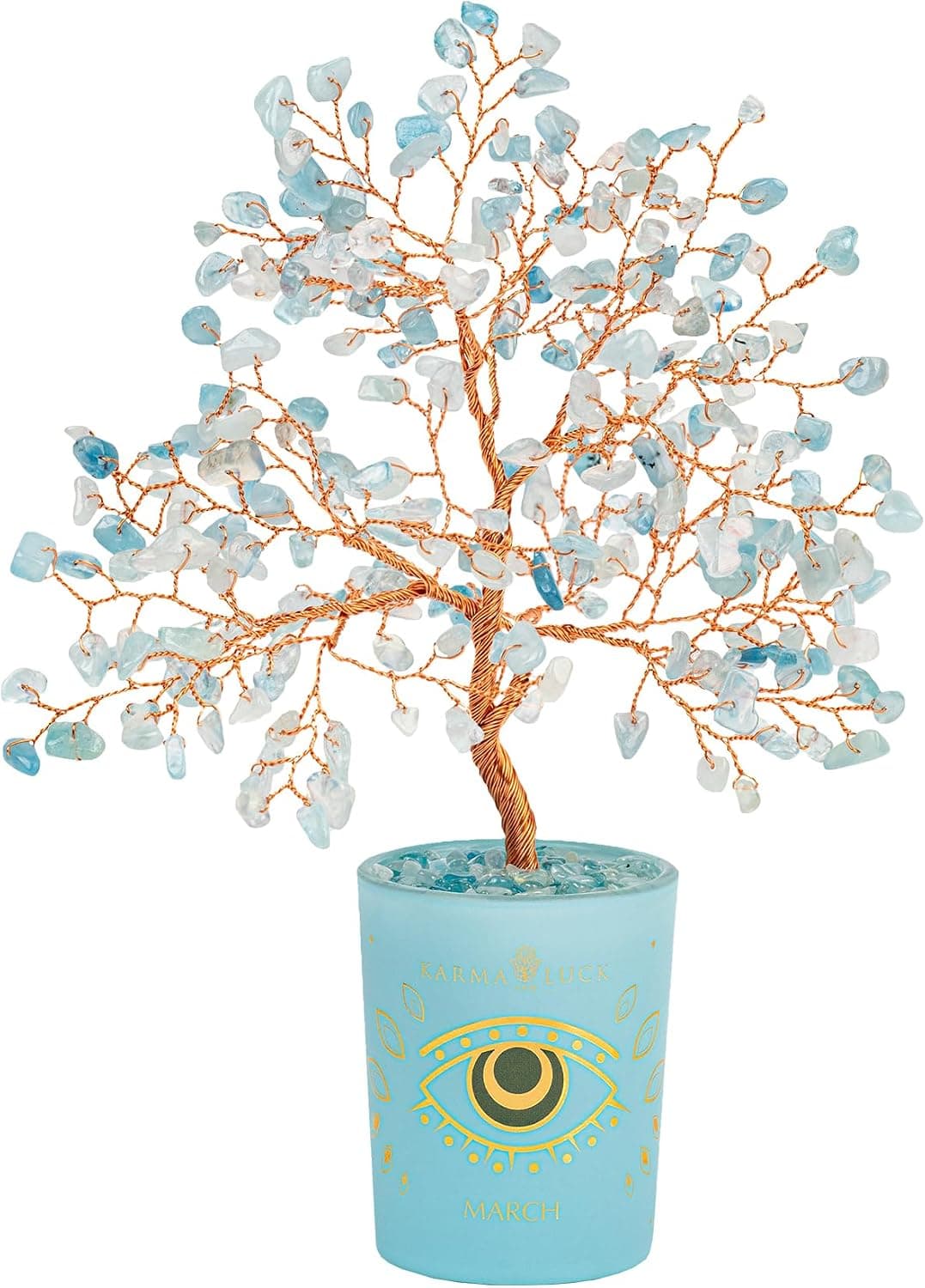 -29%
-29%Karma and Luck March Birthstone Crystal Tree of Life, Aquamarine Gemstone Fen...
 -29%
-29%Karma and Luck July Birthstone Crystal Tree of Life, Ruby Gemstone Feng Shui ...
 -29%
-29%Karma and Luck February Birthstone Crystal Tree of Life, Amethyst Gemstone Fe...
 -50%
-50%biuufish Feng Shui Black Obsidian Bracelet for Men Women, 24K Gold Plated Pix...
As an Amazon Associate, we earn from qualifying purchases. We only recommend items our practitioners have personally tested.
Continue Your Journey
Explore these related guides to deepen your understanding:

Ready for Deeper Guidance?
Try our free I Ching reading for personalized wisdom, or explore our curated Feng Shui essentials.