The sink can be perfect and the stove can be clean, yet the room still feels wrong if the entrance sits too close.
Beyond the Surface of kitchen-mistakes to avoid feng shui
The conventional wisdom on kitchen-mistakes to avoid feng shui deserves closer examination. I keep seeing people polish the counters, swap out red accents, and hang a brass cure by the pantry, then wonder why the house still feels jumpy by dinner. The missing detail is usually near the front door, because proximity changes how fast movement, noise, and attention collide. Three feet. That small distance often decides whether a kitchen settles the house or keeps it on alert.
One spring afternoon I walked into a narrow row home in Portland where the kitchen began almost immediately off the entry hall. The owner, a nurse named Elena, had a white teakettle on the stove, sage-green cabinets, and a bowl of oranges placed exactly where a consultant told her to put “wealth” items. Yet every time the mail dropped through the slot, the whole room tightened. The dog barked, the refrigerator hummed louder than it should have, and she found herself snacking at 10 p.m. because dinner never felt fully started. Not a decoration problem. A traffic problem.
That is the mechanism people miss. The front door introduces qi, and the kitchen processes it. When those two zones touch each other too quickly, incoming movement hits heat, hunger, knives, and fire before it has time to settle. The result is not mystical fog. It looks ordinary: rushed meals, burned rice, arguments over who left the pan on, a vague feeling that the house is always mid-task. Most Bagua maps get hung backwards — here's how to know if yours is wrong can help you see why the entry matters, but the real issue here is simple physics plus attention.
People love to blame color schemes. Wrong. Color can support a room, but it cannot fix a bad approach line. If the stove is visible from the front door within three steps, the room behaves like an exposed machine: every arrival stirs the burner area, and every burner area broadcasts back out into the house. That is why some homes feel organized the moment you enter, while others feel as if they are already behind schedule.
Here’s the sequence I watch: door opens, sound enters, the eye locks onto the brightest or hottest object, then the body speeds up to match that visual hit. In kitchens, that object is often the stove, the knife block, or a chrome toaster reflecting movement from the hall. The fix is not to pile on more cures. It is to interrupt the line of sight, slow the arrival, and give the room a buffer long enough for energy to stop arriving like a taxi braking hard at the curb.
In a Denver condo, I saw this play out in a tiny galley kitchen with pale gray tile and a glossy red espresso machine facing the entry. The owner kept saying the room felt “amped.” After we moved the machine behind a half-wall, added a taller plant near the hall corner, and shifted the runner so the eye traveled sideways instead of straight in, the change was obvious within a week. Meals took longer. In the good sense. People stayed at the table.
Notice what I am not saying. I am not saying every kitchen by a door is doomed. I am saying the first three feet matter more than the decorative fixes people obsess over. That entrance zone determines whether the kitchen receives the day in a measured way or gets hit like a revolving door in a café at lunch.
And yes, some of the usual advice around kitchen-mistakes to avoid feng shui misses this completely because it stays inside the room and ignores how the room is approached. If you want the deeper logic behind the room’s field, the five forces have to cooperate; Five Elements Theory explains why good feng shui still feels wrong when one sector is overworked, and the center rules the room while corners only pretend to matter in the same way the entry zone often runs the kitchen before anyone notices.
The old habit is to treat the stove like the villain. Sometimes it is just doing its job.
At the boundary, that job gets louder. A kitchen three feet from the main entrance behaves differently from one that sits deeper in the house because the threshold keeps feeding it fresh stimulus before the previous stimulus has cleared. You can hear it in the clatter of keys on a side table, see it in the groceries dumped by the doorway, and feel it in the way people stand half-turned instead of fully entering. That half-turn is the giveaway.
Step One: Read the Arrival Path, Not Just the Appliances
Start with the path from the front door to the first working surface. Is the stove directly visible? Does the sink catch the first glance? Can someone standing in the doorway see a knife block, a red kettle, or a gleaming mixer without moving their head? Those are not minor details. They tell you where the room is receiving attention too fast. A kitchen close to the entrance needs softness at the approach, not more shine in the center.
In practical terms, the fix begins before the kitchen itself. A mat that changes the pace, a screen that breaks the sightline, or even a tall bowl on the hall console can create a pause. I have seen a narrow oak bench and a woven basket do more for a space than a dozen purchases from a “cure” store. The reason is mechanical: the eye slows down, the body slows down, and the room stops feeling like it has been hit by a draft.
Kitchen knives carry more energy than you'd think — here's why placement matters is worth reading if your cutlery sits in direct view from the door, because exposed blades near the threshold sharpen the whole atmosphere. That is not poetic language. It means people start entering the kitchen with a defensive posture. Small thing, big ripple.
Step Two: Break the Fire-Line Before It Hits the Stove
Fire near the entrance does not need drama to become a problem. A gas range, a red backsplash, or a row of copper pans can be fine when the room is deep and buffered. Put the same setup within a few steps of the main door, and it starts to behave like the house is announcing itself too loudly. Meals get rushed, tempers flare, and somebody leaves the burner on because the interruption came before the cooking rhythm had settled.
That is why I do not tell people to “add more fire” in a kitchen that is already overexposed. Better to cool the first impression and let the cooking zone earn its heat. One client in Austin had a black-and-crimson kitchen with a stainless range right across from the entry. She was convinced the issue was clutter. It wasn’t. We moved a tall light oak cutting board stack between the hall and the stove, swapped a glossy pendant for a softer shade, and kept the entry sightline clean. Her words, two weeks later: “It feels like I can breathe before I cook.”
Surprising, maybe, that a board stack can change the mood of a house. But in feng shui, the first object you meet matters because it sets the tempo for everything after it. If you need help with the color side of that equation, color choices that drain a room without anyone noticing shows why some finishes overstimulate the eyes before the body has caught up.
Big mistake: thinking the answer is always a lucky charm. A charm without a calmer entry is like turning on the radio to drown out a smoke alarm. You hear something else, but the problem still sits there.
Step Three: Give the Kitchen a Receiving Zone
Rooms need somewhere to land. A kitchen packed hard against the front door often has no receiving zone, which means groceries, shoes, mail, and dinner all compete in the same first square of attention. That competition creates a constant feeling of unfinished business. The mail stays on the counter. The shopping bag lives by the fridge. The tea towel never seems clean enough. Soon the whole room behaves like a holding pen.
Make a deliberate landing area if you can. It might be a narrow shelf just inside the hall, a stool tucked to the side, or a tray on a console that holds keys and paper before they reach the cooking surface. The point is not storage alone. It is psychological permission to arrive. Once the house knows where arrival happens, the kitchen can return to being a place of transformation rather than a dumping ground.
A dead plant in your wealth corner does more harm than no plant at all, and the same logic applies here: a tired or overstuffed entry feature will not help a kitchen that already struggles with overexposure. Use something alive, light, and easy to maintain. If it droops, replace it.
Step Four: Watch What the Family Starts Doing Without Thinking
This part usually surprises people. The effect of a poorly buffered kitchen shows up in behavior before it shows up in decoration. A teenager starts eating standing up. Someone else avoids cooking and orders in again. The partner who “just came in for a minute” parks at the counter and never quite leaves. Those habits are not random. They are the body responding to a room that never fully shifts from arrival to nourishment.
In a Queens apartment, I saw this with a retired teacher named Martin. His galley kitchen sat four steps from the front door, with pale yellow walls and a chrome spice rack catching every bit of hallway light. He kept saying he wanted more discipline around meals. We did not begin with discipline. We moved the spice rack, added a simple linen curtain to soften the entry view, and put a low cabinet between the hall and the stove line. He stopped eating standing up almost immediately. That is what a good buffer does. It changes behavior without announcing itself.
When people ask about bad placements, they usually want a list of objects to banish. That misses the architecture. The room is teaching the family how to enter, pause, and proceed. If the lesson is too abrupt, everyone adapts by rushing or avoiding. Neither outcome is subtle. Both leave fingerprints in the dishes.
Step Five: Use the Door as a Throttle, Not a Spotlight
Some homes try to solve the problem by making the entrance more dramatic. Bigger pendant. Brighter bulb. Flashier art. Not even close. If the kitchen begins too close to the main door, more brightness only gives the incoming line of sight more speed. What you want is a throttle: something that limits how much of the cooking zone the doorway can take in at once.
That throttle can be a partial screen, a taller plant with a solid pot, a change in flooring direction, or a shift in cabinet finish from glossy to matte. I have even seen a simple curtain on a side track work when the kitchen could not be reconfigured. The material matters because it changes reflection, and reflection changes how fast the room feels. Matte maple absorbs. Polished stone bounces. Choose accordingly.
Bedroom rules that affect both sleep and relationships make a similar point: visibility and boundaries shape behavior long before anyone consciously notices. The kitchen is just less forgiving because heat, movement, and appetite are all active at once.
Common Mistakes People Keep Making
The first mistake is putting the stove in full view from the doorway and then compensating with trinkets. That feels smart because the room looks “finished,” but the body still registers exposure. Sleep gets lighter, meals get faster, and the home starts to feel like it never truly arrives anywhere.
Another classic error is overloading the entrance with metal objects because someone read that metal “protects.” Protection without pacing turns cold and rigid. You get clanking keys, sharper conversations, and a kitchen that feels more like a checkpoint than a place to nourish people.
Then there is the habit of keeping the first three feet spotless while the rest of the room is chaotic. Clean by the door, chaos by the stove. That split creates a deceptive calm. Visitors relax for thirty seconds, then the eye falls on the cluttered prep area and the whole effect collapses. The house feels rehearsed rather than lived in.
People also overtrust scent. Lemon oil on the counter smells fine. It does not stop the room from acting overstimulated if the entry line remains wide open. Smell can dress the surface, but it cannot fix the path.
If you want a deeper comparison, the same logic shows up in other parts of the house. Turning a bedroom into a sanctuary requires less than you'd think because the bedroom succeeds through buffering, not display, and the kitchen near the entrance needs that same kind of restraint.
One more trap: assuming every problem is solved by moving things clockwise or “enhancing wealth.” That language sounds tidy. Real homes are messier. If the threshold is too exposed, the house needs a slower hand, not a louder spell.
FAQ
Is conventional kitchen-mistakes to avoid feng shui advice reliable?
Not always. A lot of standard advice focuses on objects inside the kitchen and ignores how quickly the room is reached from the front door. If the first three steps are chaotic, the room can look correct and still behave poorly.
What matters more, the stove or the doorway?
The doorway usually sets the tone first. The stove matters, of course, but it can only work with the tempo it receives. When the entrance is too exposed, the stove gets pulled into the room’s first impression before cooking has even begun.
Can a tiny kitchen near the entrance still work?
Absolutely, though it needs tighter boundaries. A small screen, a bench, or even a cabinet end panel can slow the visual rush. Tight spaces succeed when they stop trying to show everything at once.
Does the three-foot rule apply to every home layout?
Counterpoint: the number is a guide, not a law. In some homes, four or five feet matters more because of angle, light, or noise. In others, even two feet is enough to create a jolt if the stove is directly in sight.
What should I change first if I can only do one thing?
Block the straight line from the front door to the stove. That one adjustment changes how the room receives movement, attention, and heat. Once that line calms down, the rest of the choices start making sense.
Stand at your front door tonight and look straight ahead. If the first thing you see is the burner knobs or the knife block, the house has been telling you something all along.
Mei Chen
Traditionally informed guidance • Cross-referenced with classical Chinese source texts
Content draws from both Compass (Luopan) and Form (Xingshi) school traditions. Illustrative examples are composites based on consultation experiences.
Practitioner-Selected Tools for This Topic
Items our team has tested and found effective for the principles discussed above. Individual results may vary.
 -19%
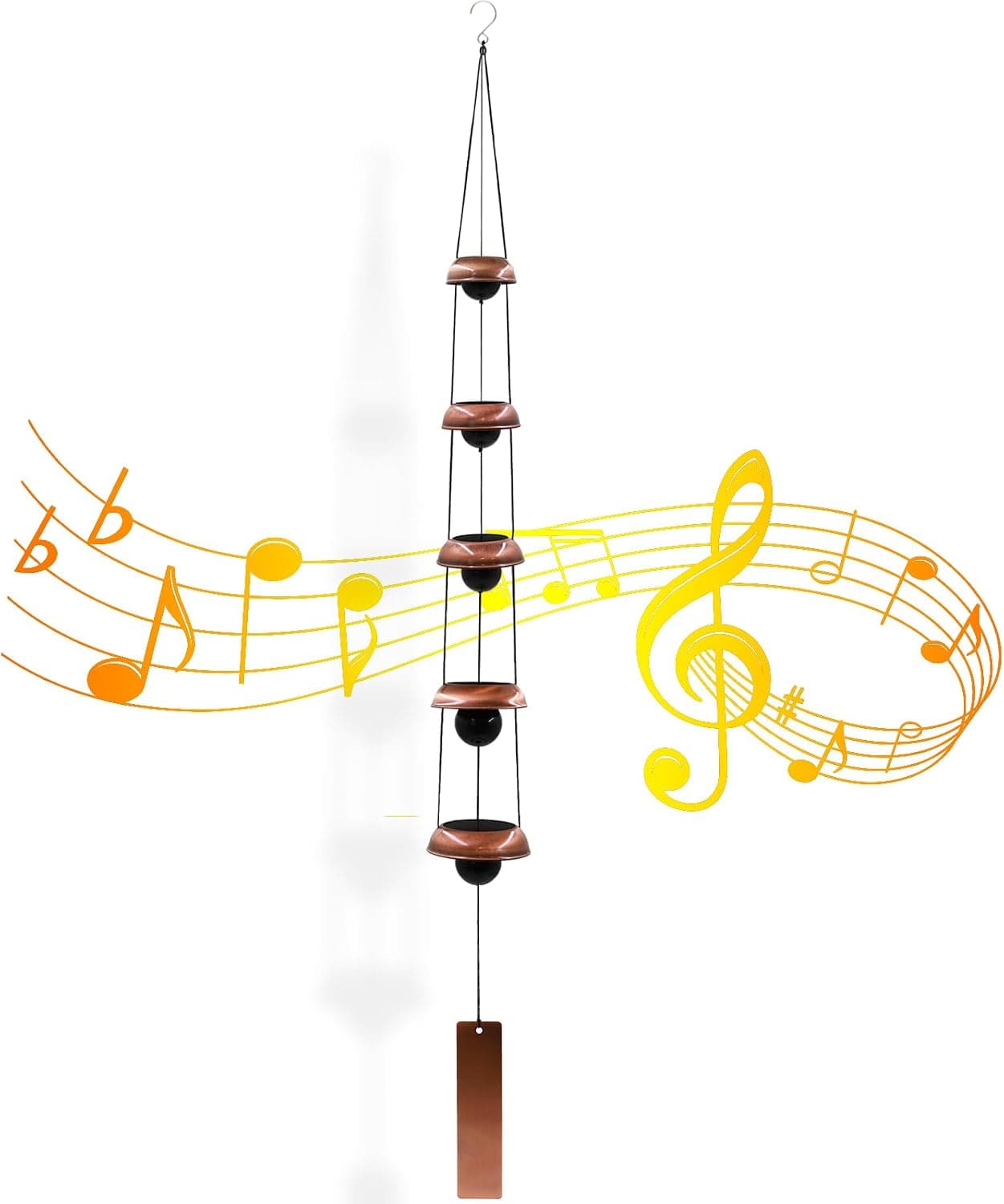
-19%Wind Chimes for Outside with 5 Bell Unique Copper Musical Chimes Feng Shui Wi...
 -5%
-5%YU FENG Evil Eye Money Tree, Blue Feng Shui Decor with Golden Buddha
 -29%
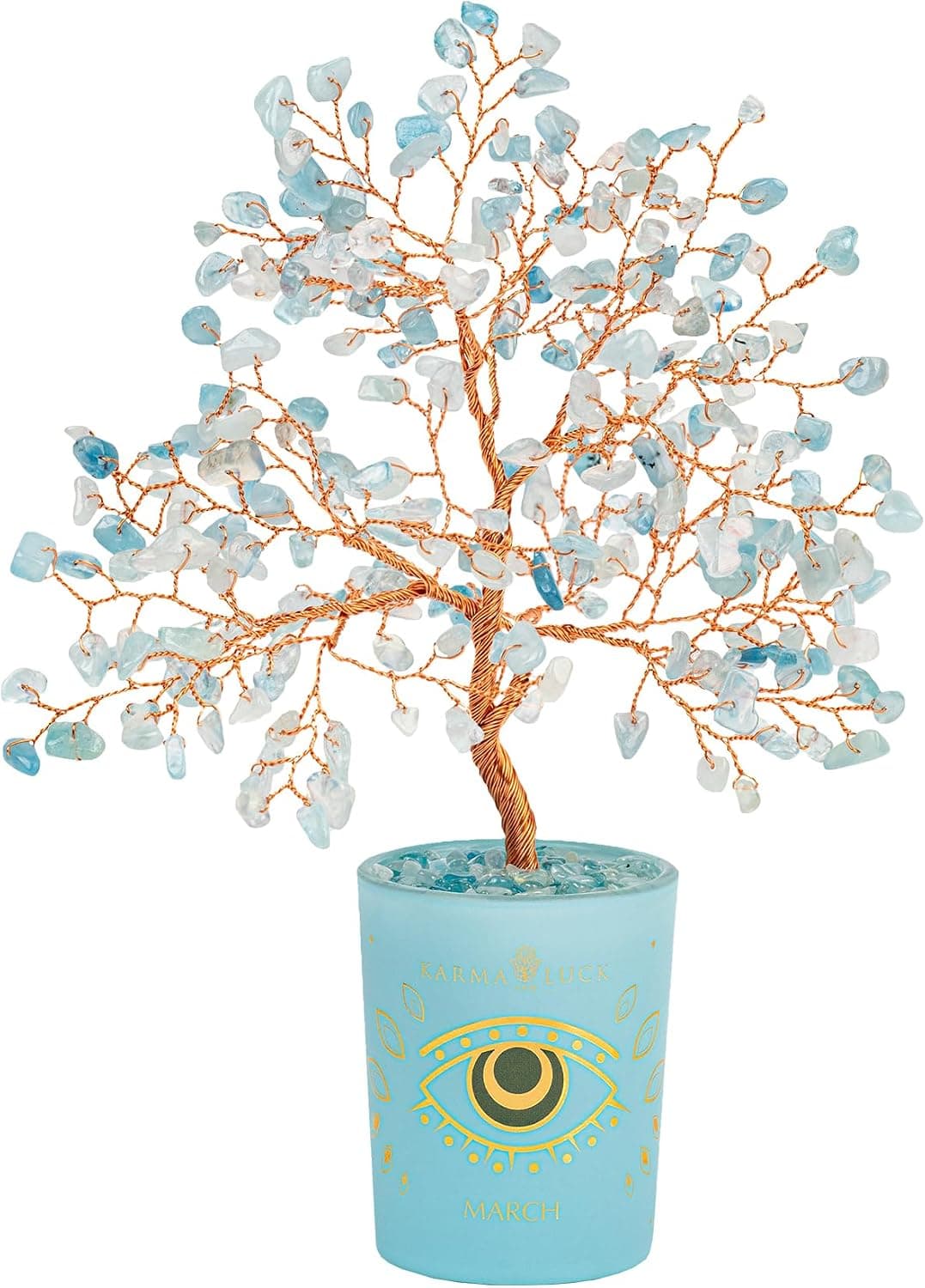
-29%Karma and Luck March Birthstone Crystal Tree of Life, Aquamarine Gemstone Fen...
 -29%
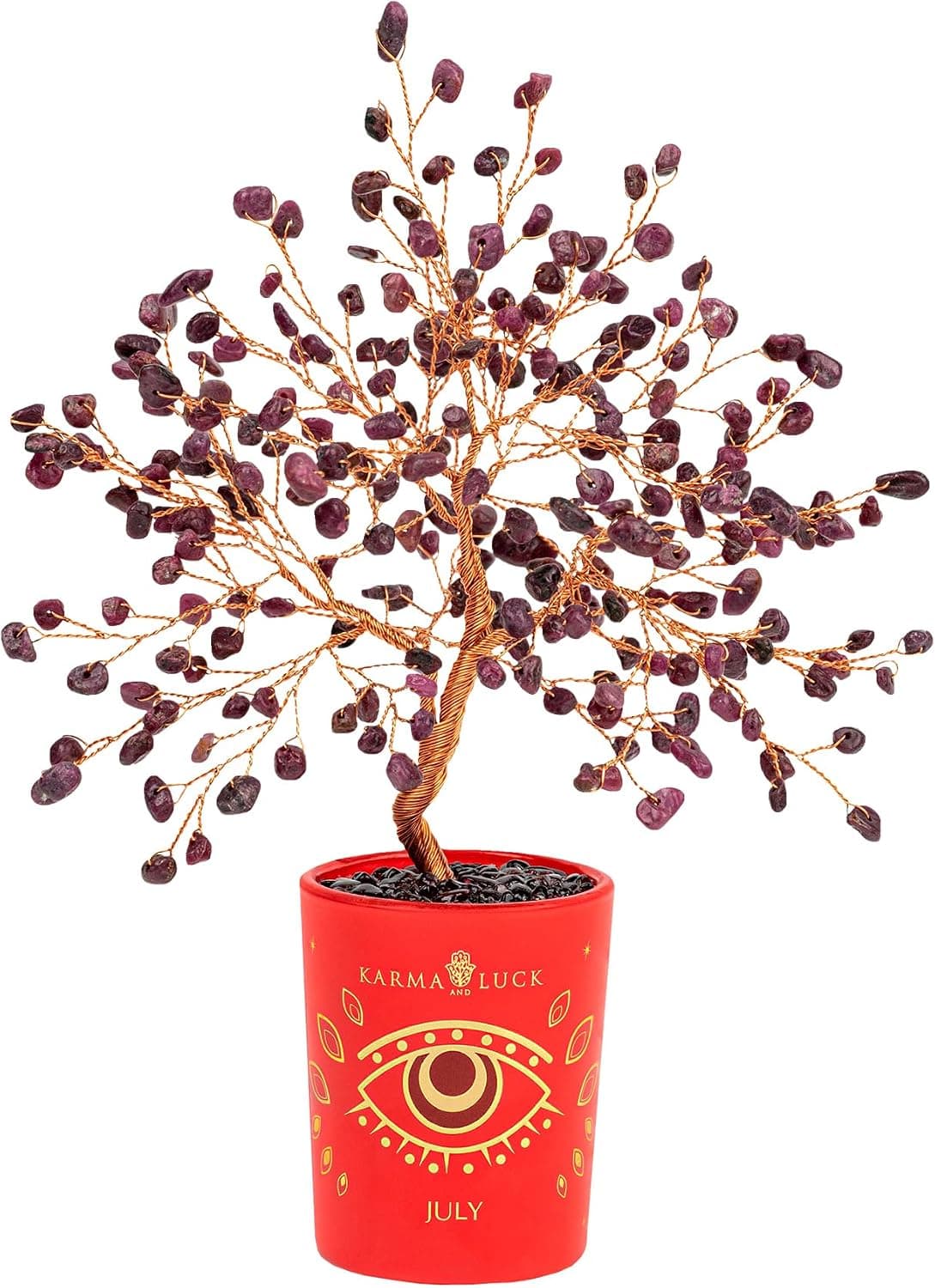
-29%Karma and Luck July Birthstone Crystal Tree of Life, Ruby Gemstone Feng Shui ...
As an Amazon Associate, we earn from qualifying purchases. We only recommend items our practitioners have personally tested.
Continue Your Journey
Explore these related guides to deepen your understanding:


Ready for Deeper Guidance?
Try our free I Ching reading for personalized wisdom, or explore our curated Feng Shui essentials.