The wrong question turns a reading into noise; the right pattern turns it into timing, direction, and relief.
The reading was clear. The question was not.
I once watched a retired engineer in a blue cardigan sit at a kitchen table in Portland, staring at a hexagram printout like it had insulted him. He had asked, “Will my business recover?” but the real issue was that he had already made three decisions and wanted the oracle to bless the last one. That is where people get tangled. They treat the book like a judge, then act surprised when the answer feels slippery.
The smarter way to approach the oracle’s voice is to stop hunting for a fortune-cookie sentence and start noticing the movement inside the situation. A reading is not usually telling you what to think. It is showing you what kind of time you are in, what force is rising, what is weakening, and where your own behavior is either helping or sabotaging the outcome.
That shift matters more than people expect. If you ask from panic, you hear panic back. If you ask from clarity, the same hexagram can look entirely different. I have seen a single line turn from “bad news” into “perfect warning” simply because the person finally admitted what they were avoiding.
And no, you do not need mystical theatrics to do this well. You need a clean question, a steady mind, and enough honesty to face an answer that may not flatter you.
What a good reading actually does
Good I Ching reading work is about relationship, not prediction alone. The hexagram describes a pattern of change, and the changing lines show where that pattern is already moving. If you only want “yes” or “no,” you will keep missing the part that matters: how the situation is unfolding, and what role you should play inside it.
The book is old, but the method is practical. You bring a real issue, not a vague wish. You ask one question at a time. You accept that the answer may describe the conditions around the decision rather than the decision itself. That is why people who treat it as a randomiser often get shallow results, while people who listen for timing get sharper guidance.
Here is the part many Western readers resist: the text does not always give you comfort first. Sometimes it gives you restraint. Sometimes it tells you to wait, cut back, or stop pushing. That can feel disappointing if you wanted certainty, but certainty is not what the system was built to provide. It was built to reveal the shape of change.
I like to think of it this way: the hexagram is the weather, and your action is the boat. You still have to steer.
How to read the pattern without flattening it
Start before you cast. I am serious. If your question is bloated, the answer will be muddy. Ask about one decision, one relationship, one job move, one timing issue. “Should I move to Denver this summer?” is usable. “What is my destiny and how do I fix my life?” is not.
Then listen for the shape of the response, not just the words in the translation. A reading may show advance, withdrawal, consolidation, conflict, or waiting. It may also point to where your energy is leaking. That is the real gift of the Yi Jing tradition: it trains you to see process, not just outcome.
One client scenario still stays with me. A teacher named Elena asked about leaving her job and the hexagram pointed to blocked movement with one changing line suggesting patience. Her small dining room had a whiteboard covered in sticky notes, a red lamp, and a half-packed cardboard box under the window; she wanted out fast. I told her to slow the pace for six weeks, clear the box, and gather facts before resigning. She did, and by the fifth week a better role opened in the same district, with less commuting and a salary bump she had not expected. Nothing magical happened. She stopped fighting the timing.
That is the discipline. Read the whole picture. Notice the relation between the main hexagram and the changing lines. Ask what is being asked of you now, not what fantasy outcome you prefer. If you compare the result to your ego’s wish list, you will misread it half the time.
Another thing: do not force every line into a dramatic moral. Some lines are plain. Some are warnings. Some are simply telling you that the conditions are not ready. A reading can be useful even when it is quiet. In fact, quiet readings often save people the most trouble.
For readers who want a cleaner framework, I Ching wisdom often becomes clearer when you separate three layers: the question, the pattern, and the action. First, name the issue in one sentence. Second, read the hexagram as the climate of the matter. Third, decide what behavior matches that climate. That sequence keeps you from turning the book into a magic mirror for your own fears.
Practical habits that make the answer clearer
Cast when you are calm enough to hear something inconvenient. Late-night desperation produces sloppy questions. So does trying to squeeze a reading in between emails. I have seen people cast while half-arguing with a spouse, then complain that the result felt confusing. Of course it did. They were already split in two.
Write the exact question down. Keep it short. Use ordinary language. “Should I accept the architect position in April?” is better than “What should I do with my life?” If you want the answer to be specific, you have to be specific first.
After the cast, read the answer twice. The first pass is for the obvious message. The second pass is for what you do not want to see. That second reading is where the useful discomfort lives. This is also where a little humility helps more than intuition-chasing ever will.
If you keep a note of the question, hexagram, changing lines, and the result, the patterns become much easier to trust over time. The book starts to teach your eye. The same symbol will not mean the same thing in every case, but its behavior becomes familiar. That familiarity is worth more than a stack of dramatic interpretations.
One more thing: do not rush to compare every result to another divination system. People love to ask whether this is better than tarot, as if the point were competition. Different tools speak differently. If you want to think through that contrast, this comparison between I Ching and tarot can help, but the deeper issue is always the same: are you willing to be answered honestly?
Two mistakes that wreck the reading
The first mistake is treating every reading like a command. Sometimes the oracle is describing pressure, not issuing orders. That difference matters. If you flatten nuance into obedience, you can make timid decisions that were never required.
The second mistake is reading only for reassurance. A lot of people keep asking until they get the answer they want, then call that “confirmation.” It is not confirmation. It is repetition.
For a fuller look at common traps, your first reading deserves a cleaner setup than most people give it. And if you keep getting tangled in vague wording, the problem may be your question, not the oracle.
There is also a habit I see in beginners who love symbolism but hate responsibility. They collect phrases, then avoid action. The book was never meant to replace choice. It was meant to sharpen it.
Questions readers ask most often
Do I need to be spiritually advanced to get a useful answer?
No. You need attention more than mysticism. A clear question and an honest response to the result will take you farther than ritual performance.
What if the translation feels confusing?
Start with the structure, not the poetry. Ask what is expanding, what is contracting, and what action fits the moment. Confusion often drops away once you stop hunting for a single dramatic sentence.
Can one reading change if I ask the same thing again?
Surprisingly, yes, but that does not mean the system is broken. It usually means your mind, the situation, or the timing has shifted. Repeating the same question too quickly often makes the pattern noisier, not clearer.
Should I always act on the answer right away?
Not always. Some results point to waiting, observation, or preparation before movement. The smartest response is the one that matches the timing of the pattern, not your urge to move.
David Liu
Traditionally informed guidance • Cross-referenced with classical Chinese source texts
Interpretations cross-referenced with the Zhouyi (周易) and Wilhelm/Baynes translation.
Practitioner-Selected Tools for This Topic
Items our team has tested and found effective for the principles discussed above. Individual results may vary.
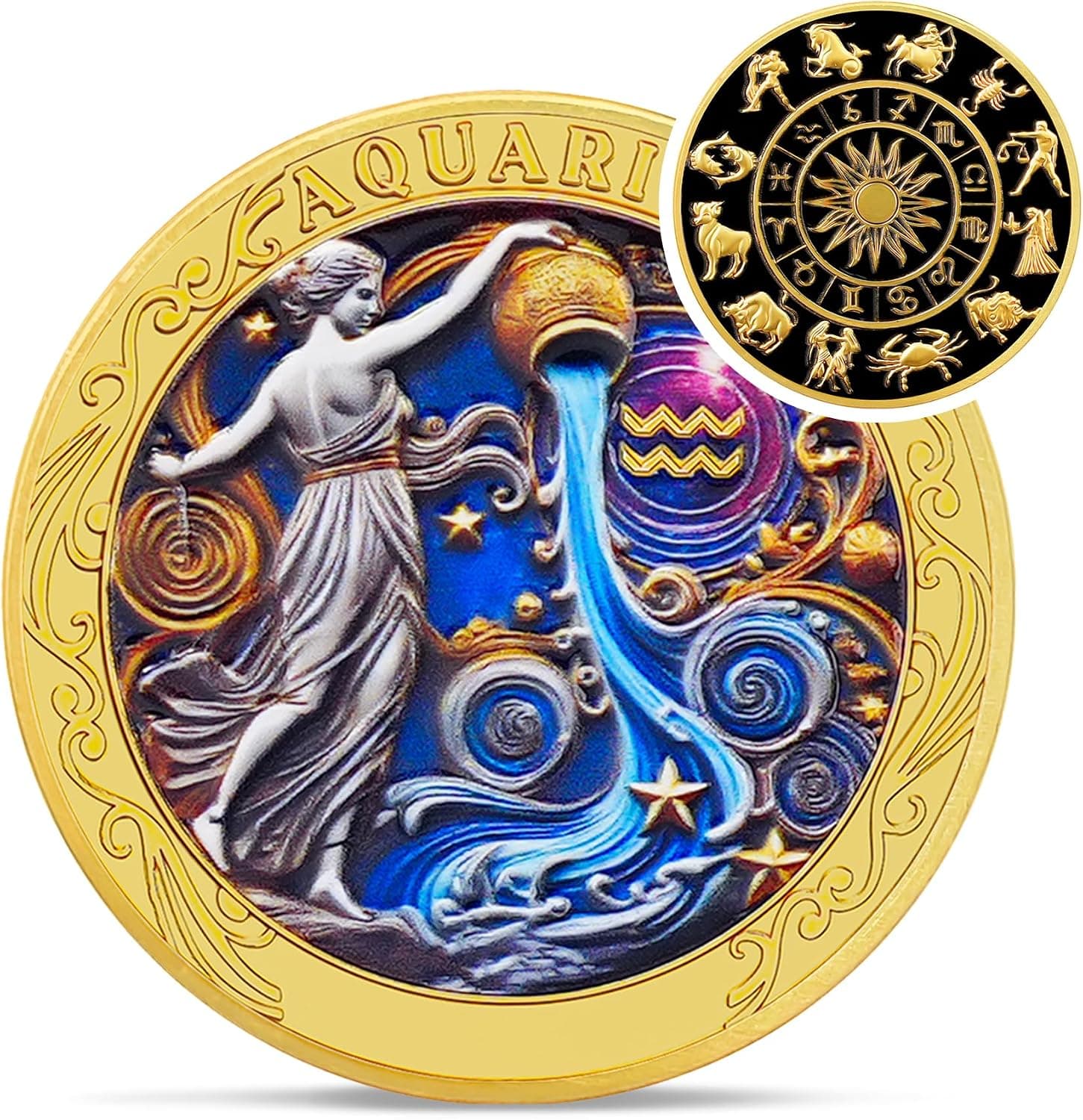 -20%
-20%Aquarius 12 Zodiac Challenge Coin - Twelve Constellations Aquarius Protective...
 -29%
-29%Karma and Luck March Birthstone Crystal Tree of Life, Aquamarine Gemstone Fen...
 -29%
-29%Karma and Luck July Birthstone Crystal Tree of Life, Ruby Gemstone Feng Shui ...
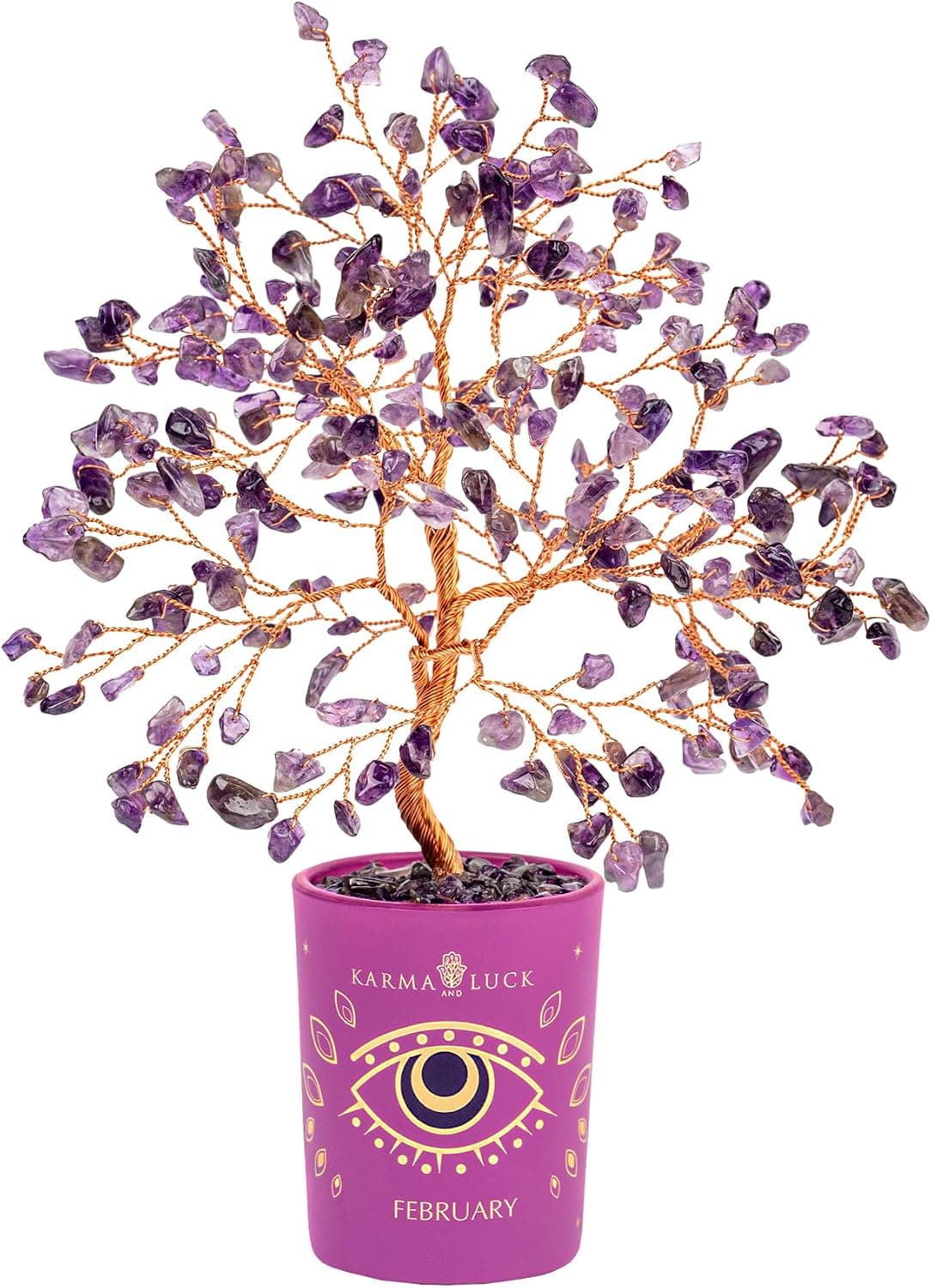 -29%
-29%Karma and Luck February Birthstone Crystal Tree of Life, Amethyst Gemstone Fe...
As an Amazon Associate, we earn from qualifying purchases. We only recommend items our practitioners have personally tested.
Continue Your Journey
Explore these related guides to deepen your understanding:

The I Ching Doesn't Answer Lazy Questions — Here's What to Ask Instead
8 min readConfucian Commentary Turns the I Ching Into a Moral Floor Plan
9 min readBroken Lines, Solid Lines, and the Real Yin-Yang Logic of the I Ching
11 min readThe Wilhelm I Ching Feels Deep Because It Slows Your Reading
11 min readReady for Deeper Guidance?
Try our free I Ching reading for personalized wisdom, or explore our curated Feng Shui essentials.