Hexagram 6 often exposes the moment pushing harder makes everything worse.
When the argument is real, the reading gets sharper
I once sat with a teacher in a blue-walled study where a brass clock ticked louder than either of us wanted. He had just had a fight with his brother over a will, and he kept asking whether he should send one more message, one more apology, one more explanation. The answer in the sticks was not glamorous. It was Hexagram 6.
That is the first thing people miss about conflict. They want a moral verdict. The Yi gives something more useful: timing, leverage, and restraint. The message behind the i ching hexagram 6 conflict meaning is rarely “win harder.” More often it is “stop turning a small friction into a lawsuit, a family rupture, or a public mess.”
Hexagram 6 is called Conflict, but the deeper lesson is not about anger alone. It is about two forces pulling in opposite directions, each convinced it has reason on its side. That can be a sibling dispute, a workplace power struggle, a landlord issue, or even the private war between what you know and what you keep doing anyway.
The surprise is this: the hexagram does not condemn conflict. It warns against the wrong kind of engagement. Some battles are clarified by structure. Others are poisoned by pride. If you have ever watched a simple email spiral into ten replies, you already know the feeling.
For readers who are still learning the language of the oracle, it helps to compare this with broader patterns in how hexagrams hold a situation together. Hexagram 6 is not isolated drama. It sits inside a system where friction has direction, limits, and consequence.
What Hexagram 6 is really pointing at
Hexagram 6 shows Heaven above Water: strength above danger. That image matters. The top and bottom move in opposite ways, and the space between them becomes charged. In practical terms, this is what unresolved opposition feels like: one side is rigid, the other slippery, and neither is willing to concede enough to restore flow.
People often ask whether this means legal trouble. Sometimes, yes. But the symbol is broader. It can indicate an internal conflict where your ambition is ahead of your readiness, or a relationship where one person wants clarity and the other wants escape. The structure itself is the warning. A forceful push meets resistance, and the resistance is not imaginary.
Here is the part Western readers sometimes resist: Hexagram 6 is often about your method, not just your opponent. I have seen people receive this reading and immediately assume the other party is the problem. Then they send a sharp text, escalate the tone, and prove the oracle right within twelve hours.
There is a difference between being correct and being effective. Hexagram 6 cares about effectiveness. It asks whether the channel is open enough for your words to land. If the channel is blocked, adding pressure only creates more noise.
That is why this hexagram pairs so naturally with practical divination skills. If you are still learning how to phrase the matter, the way you ask the Yi changes the quality of the answer. A vague, emotional, or accusatory question will often return a vague or confrontational pattern.
Reading the conflict without inflating it
One common mistake is to treat Hexagram 6 like a warning to retreat from everything. That is too simple. Retreat can be wise, but so can formal action. The key is whether you are moving in the right way, at the right time, with the right scale of force.
If the reading has changing lines, they matter a great deal. Hexagram 6 can move from irritation into resolution, or from rivalry into humiliation, depending on where the line is active. In plain language, the oracle is telling you where the pressure point is. That is the place to stop, not the place to bulldoze.
One of the clearest examples I remember involved a nurse named Elena in a small apartment off a hospital corridor. Her kitchen had a red kettle, a cluttered mail basket, and a chair that blocked the path to the back door. She kept getting into tense exchanges with her roommate over bills. The reading came back as Conflict, and she had expected a verdict about who was right. Instead, she moved the chair, separated the papers, and stopped discussing money after midnight. The arguments did not vanish, but within two weeks they shortened. That is how Hexagram 6 often works. It does not erase tension. It reduces the conditions that feed it.
Do not romanticize conflict as necessary growth either. That belief has ruined more relationships than bad luck ever did. Some conflict teaches. Some just depletes. The Yi is not impressed by drama.
If you want a clean foundation before interpreting a difficult cast, it helps to understand the structure first. your first reading sets the tone for every pattern you notice afterward, especially when the answer is uncomfortable.
Hexagram 6 also has a social dimension. In family settings, it can point to competing loyalties. In work settings, it can point to hierarchy problems, bad timing, or a superior who refuses to listen. In personal matters, it often shows the danger of arguing from injury instead of clarity.
That distinction matters. Injury wants to be witnessed. Clarity wants a solution.
How to use the message without making things worse
If you receive Hexagram 6, do three things before you act. First, lower the temperature. Stop drafting the long email. Stop rehearsing the speech in your head. Stop sending the second text. You do not need more force yet.
Second, identify the real boundary. Is this about money, respect, time, access, or control? Conflict gets muddy when every issue is mixed together. Separate the threads, and one of them usually becomes manageable.
Third, choose a form of action that matches the scale of the problem. A scheduling issue does not need a moral campaign. A broken agreement may need documentation, not more discussion. A cold relationship may need distance before it needs honesty. That is the practical heart of the i ching hexagram 6 conflict meaning: measure your response to the size of the obstruction.
In a bedroom, this can look surprisingly physical. I walked into a narrow guest room in Portland once where a black standing mirror faced the bed, a white laundry hamper sat half-open near the door, and the desk lamp had a harsh blue bulb. The homeowner said sleep felt “argued with.” She was not exaggerating. Once the mirror was turned, the hamper moved out, and the bulb changed to warm light, the room stopped feeling combative. Not mystical. Structural.
If you want to work with the reading in a more deliberate way, consult the coins and note exactly where your body tightened during the toss. the coin method gives you a repeatable way to mark the moment when the question is loaded, and that clue is often as important as the answer.
When conflict is unavoidable, act like a diplomat, not a warrior. Speak less. Write clearly. Keep receipts. Ask for one concrete change instead of demanding emotional justice from someone who is not ready to provide it. This is not passivity. It is precision.
And sometimes the right move is to wait for the other side to reveal itself. That is not weakness. It is strategic patience. Hexagram 6 rewards people who can stand in the middle of tension without becoming its loudest voice.
How Hexagram 6 connects back to the larger map
Conflict rarely arrives alone. It usually sits beside ambition, fear, or stalled progress. That is why Hexagram 6 belongs in a wider study of the oracle rather than being treated as a one-off warning. If you know the basic shape of the system, you can see how opposition matures, cools, or mutates into something else.
When readers move from one hexagram to another, they often expect a neat story. The Yi is less polite than that. It shows you the weather, the pressure front, the crack in the wall. Then it asks whether you will keep pounding the crack or go look for the shut valve.
In many consultations, Hexagram 6 is followed by a more workable pattern once the person stops forcing the issue. That shift is the real lesson. Conflict is not the end of the conversation. It is the signal that the current method has reached its limit.
For a broader foundation, return to the map of hexagram relationships and study how opposition, pressure, and resolution interact across readings. That context keeps Hexagram 6 from being overinterpreted as doom.
FAQ
Does Hexagram 6 always mean a fight?
No. Sometimes it describes silent resistance, legal formalities, or a situation where your energy meets an immovable limit. The friction may be obvious or very polite, but the blockage is real.
Should I back away if I get this hexagram?
Back away from escalation, not from responsibility. If action is needed, make it smaller, clearer, and better timed. The wrong move is usually the one that adds heat.
Can this hexagram point to inner conflict instead of another person?
Absolutely. In fact, that is one of its most useful readings. The opposition may be between your impulse and your judgment, or between a habit and the life you say you want.
What if the same conflict keeps appearing in readings?
That usually means the pattern has not been changed at the level that matters. Repeating the same argument in a new form is still the same argument. Change the structure, not just the tone.
David Liu
Traditionally informed guidance • Cross-referenced with classical Chinese source texts
Interpretations cross-referenced with the Zhouyi (周易) and Wilhelm/Baynes translation.
Practitioner-Selected Tools for This Topic
Items our team has tested and found effective for the principles discussed above. Individual results may vary.
 -20%
-20%Aquarius 12 Zodiac Challenge Coin - Twelve Constellations Aquarius Protective...
 -29%
-29%Karma and Luck March Birthstone Crystal Tree of Life, Aquamarine Gemstone Fen...
 -29%
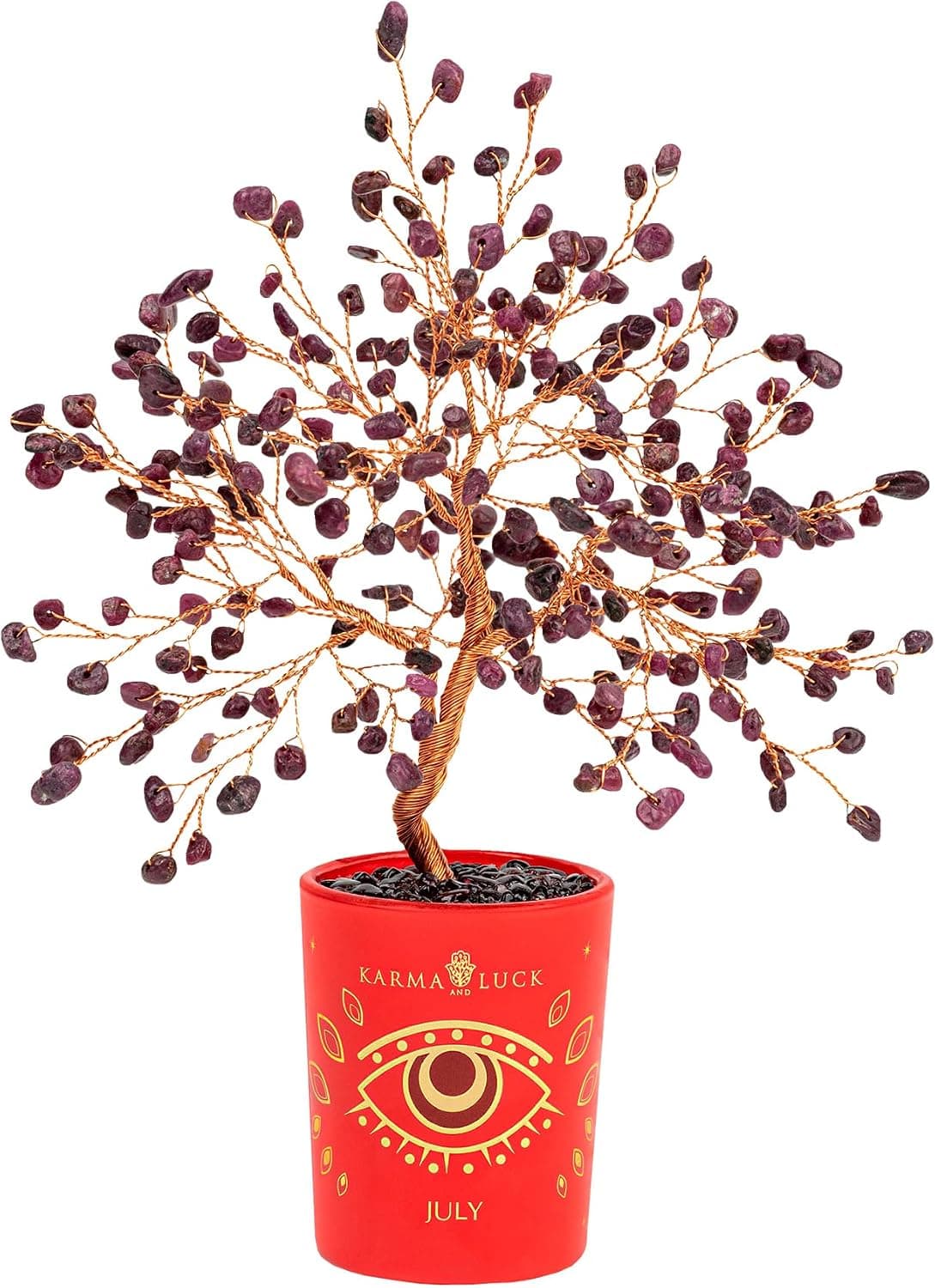
-29%Karma and Luck July Birthstone Crystal Tree of Life, Ruby Gemstone Feng Shui ...
 -29%
-29%Karma and Luck February Birthstone Crystal Tree of Life, Amethyst Gemstone Fe...
As an Amazon Associate, we earn from qualifying purchases. We only recommend items our practitioners have personally tested.
Continue Your Journey
Explore these related guides to deepen your understanding:

The I Ching Doesn't Answer Lazy Questions — Here's What to Ask Instead
8 min readConfucian Commentary Turns the I Ching Into a Moral Floor Plan
9 min readBroken Lines, Solid Lines, and the Real Yin-Yang Logic of the I Ching
11 min readThe Wilhelm I Ching Feels Deep Because It Slows Your Reading
11 min readReady for Deeper Guidance?
Try our free I Ching reading for personalized wisdom, or explore our curated Feng Shui essentials.