Bad questions don’t get bad answers—they get muddy ones, and the cost shows up in sleep, money, and relationships.
You did everything right. The coins are on the table, the room is quiet, and still the answer feels slippery.
I’ve seen this more times than I can count: a person lights incense, opens the book, and asks with complete sincerity, then wonders why the reading feels vague or strangely repetitive. The problem is rarely the oracle. It’s usually the question.
And that matters more than people want to admit. The first reading feels easier when your question is clean, because the I Ching responds to the shape of your attention. A muddy question invites a muddy mirror.
One teacher I worked with kept asking about her “career path,” while staring at a stack of invoices on her kitchen table. She wanted reassurance, not guidance. The reading kept pointing to delay and reorganization, and after three weeks of ignoring it, she was fighting cash flow, losing sleep, and snapping at her partner over a laptop charger.
That is how this works in real life. Not symbolically. Practically.
Mistake 1: Asking for a yes-or-no answer when your life is not a coin toss
People ask, “Should I leave my job?” or “Will he call me?” because it feels efficient. You want certainty, and yes-or-no questions feel like the fastest route to relief.
What actually happens is that the reading shrinks. The oracle can still answer, but you’ve boxed it into a corner. Instead of seeing timing, conditions, obstacles, or the real issue, you get frustrated because the answer does not behave like a switch. The consequence is usually indecision, and indecision has its own cost: stalled wealth qi, missed openings, and a nervous system that never settles.
Ask better: “What is the most useful thing for me to understand about this job?” That kind of question opens the situation instead of slamming it shut.
If you want stronger structure for this, put your question into practice with a coin reading and notice how the wording changes the entire tone of the response.
Mistake 2: Hiding the real question under polite wording
People often ask a safe question because the true one feels embarrassing. “What should I know about my relationship?” sounds respectable, but what they really mean is, “Is this person emotionally available, or am I wasting time?”
That feels right because it avoids vulnerability. You can pretend to be calm while still protecting yourself from the answer.
But the oracle notices the gap. You end up receiving a reading that addresses the surface while the real tension keeps building underneath. In practice, that means relationship tension, arguments that repeat, and a persistent feeling that nobody is saying what they mean. I’ve watched couples do this for months, then act surprised when the same fight returns on a Tuesday night over dishes and money.
Be direct. The I Ching is not offended by honesty.
Mistake 3: Asking about two or three issues at once
“What’s happening with my job, my partner, and my move?” sounds comprehensive. It also asks the oracle to untangle three different systems in one breath.
People do this because life feels connected, and it is. But connection is not the same as clarity. When you ask about everything at once, the answer often feels symbolic to the point of confusion, and you miss the specific pressure point that needs attention. The consequence can be practical chaos: a move delayed because of a money issue, a money issue worsened by a relationship fight, and a relationship fight made worse by exhaustion.
Separate the strands. Ask one question about one field. If you need to know whether the move supports the relationship, ask that directly rather than dragging the whole house into the reading.
Mistake 4: Asking for prediction when you need a decision
This one is common among careful people. They ask, “What will happen if I quit?” because they believe the reading should forecast the future in a clean line.
That feels responsible. It sounds disciplined. But often what you actually need is discernment: what matters now, what is changing, and what choice preserves integrity. Prediction can become a trap when you use it to avoid responsibility. The result is usually more fear, sleep disruption, and a tendency to outsource your agency to the coins.
I once sat with an architect in a blue-walled office who kept asking whether a client would approve a revised design. The question sounded practical, but what he really needed to know was whether he was willing to defend the new plan. Once he asked that, the reading got sharper immediately, and his posture changed before the hexagram even settled.
Mistake 5: Asking the same question again because you dislike the answer
This is where people fool themselves. They cast once, don’t like the result, and try again as if the second toss will erase discomfort.
It feels right because you think you are “clarifying.” In reality, you are usually searching for a more flattering answer. The consequence is subtle but serious: you train yourself to distrust the oracle, and then you make sloppy decisions because nothing feels settled. Repetition like this can also create a strange mental static that spills into the body—jaw tension, shallow breathing, and that wired, restless feeling at 2 a.m.
Don’t ask again unless the situation has genuinely changed or your first question was poorly formed. Otherwise you are not consulting. You are bargaining.
Mistake 6: Treating the I Ching like a horoscope instead of a mirror
Some people want a cosmic forecast that tells them who they are for the next thirty days. That is easier than looking at your own habits.
It feels comforting to be described from the outside. But the I Ching works best when it exposes movement, resistance, and timing inside your own behavior. If you turn it into entertainment, you miss the correction it is offering. The consequence shows up as repeated mistakes—financial drift, relationship friction, and a kind of spiritual laziness that looks like “waiting for signs.”
This is where many readers need to understand I Ching hexagrams more clearly, because the symbols are not costumes. They are patterns of change asking you to respond.
Mistake 7: Asking vague “what should I do with my life?” questions
This question sounds profound. It is usually too broad to be useful.
People ask it because they feel lost, and I respect that. But “my life” is not one problem. It is dozens of choices, obligations, and habits. When the question is huge and undefined, the answer often becomes abstract, and abstraction can feel wise while changing nothing. The consequence is stagnation: wealth qi gets stuck, career energy scatters, and you keep buying notebooks instead of making decisions.
Better questions sound smaller but work harder. “What deserves my attention in the next three months?” is often far more revealing than a grand philosophical plea.
If you want examples that translate uncertainty into action, see real question examples for career decisions and notice how specific wording changes the usefulness of the answer.
What actually works when you want a useful answer
Use one question, one focus, one real pressure point. Ask about timing, obstacles, or the next best move. Ask what you need to understand, not just what you want to hear.
The best questions to ask the i ching are not the prettiest ones. They are the ones that can bear an honest answer.
If you are working with money, this is where people usually get surprised. They expect the oracle to bless income, but money readings improve when you ask about behavior, bottlenecks, or missed timing. That is why the money page matters: here’s what actually works when you stop asking for fantasy and start asking for direction.
And one more thing: if you are brand new, don’t make your first reading a referendum on your whole future. Start with something real, immediate, and survivable. You will learn faster, and the answer will feel less like theater and more like guidance.
FAQ
Should I write my question down before casting coins?
Absolutely. Writing it forces your mind to choose one lane instead of three. I’ve seen the quality of a reading improve simply because the person had to slow down long enough to phrase the question cleanly.
Can I ask about another person?
You can, but ask in a way that stays grounded in your own position. For example, ask what you need to know about the relationship dynamic rather than trying to control someone else’s private thoughts. That keeps the reading useful instead of invasive.
What if my question is emotional?
Good. Emotions are often where the real issue lives. The mistake is not feeling deeply; the mistake is asking a foggy question because the feeling is intense.
Is there a wrong time to ask?
Surprising as it sounds, the worst time is when you are desperate to force certainty. A reading done in a panic can still help, but the question has to be tighter than usual or you’ll only amplify the noise.
David Liu
Traditionally informed guidance • Cross-referenced with classical Chinese source texts
Interpretations cross-referenced with the Zhouyi (周易) and Wilhelm/Baynes translation.
Practitioner-Selected Tools for This Topic
Items our team has tested and found effective for the principles discussed above. Individual results may vary.
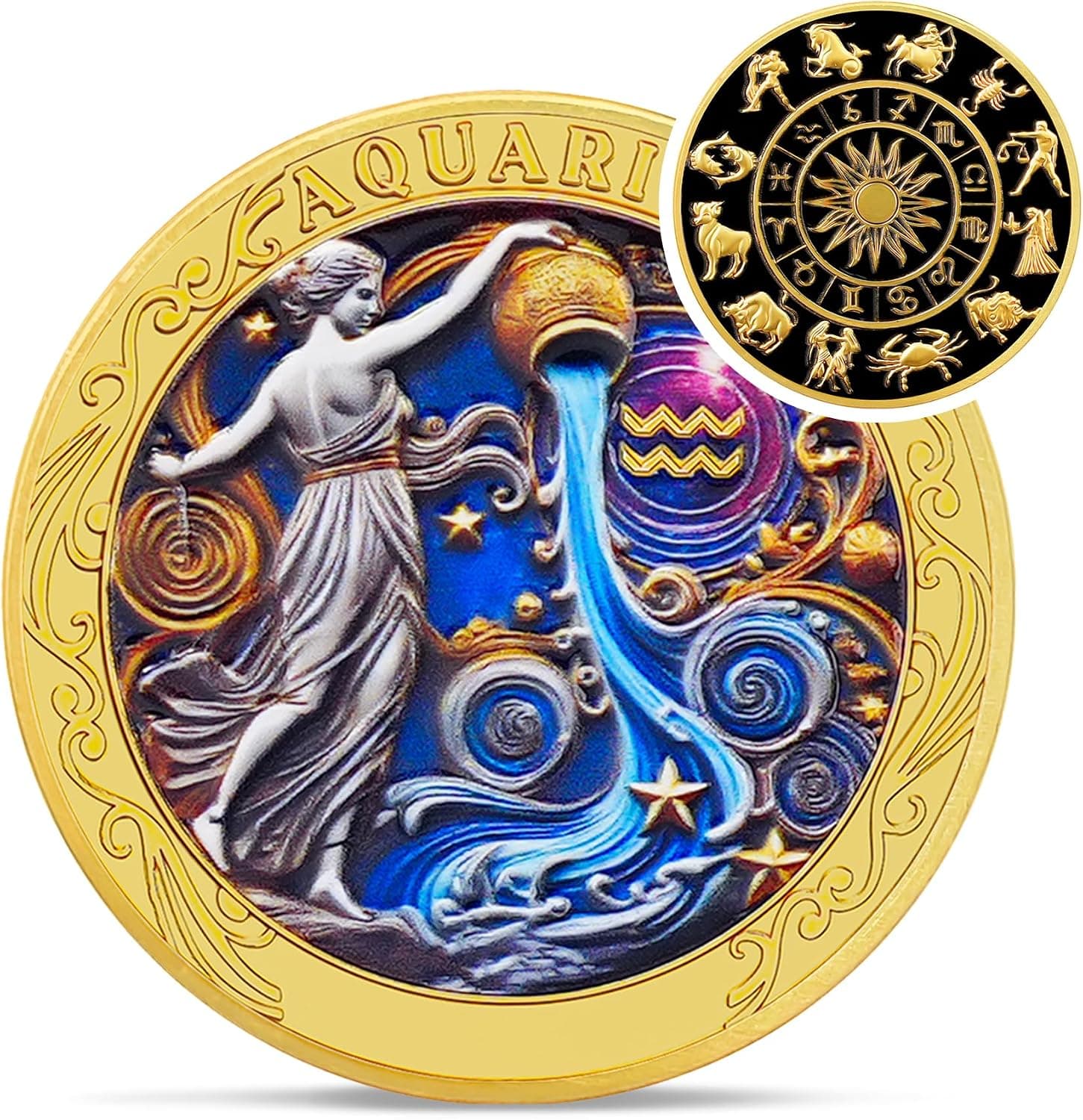 -20%
-20%Aquarius 12 Zodiac Challenge Coin - Twelve Constellations Aquarius Protective...
 -29%
-29%Karma and Luck March Birthstone Crystal Tree of Life, Aquamarine Gemstone Fen...
 -29%
-29%Karma and Luck July Birthstone Crystal Tree of Life, Ruby Gemstone Feng Shui ...
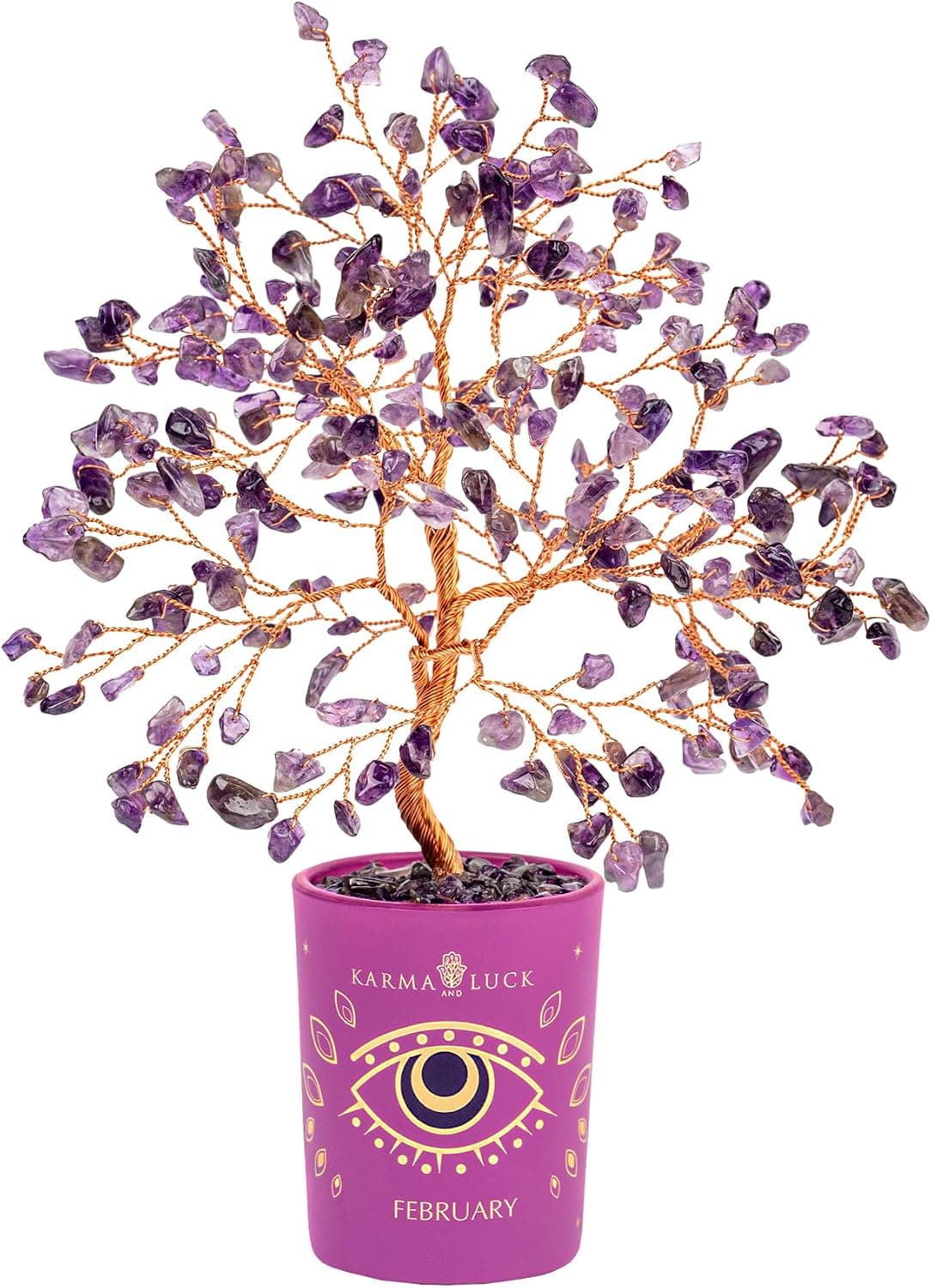 -29%
-29%Karma and Luck February Birthstone Crystal Tree of Life, Amethyst Gemstone Fe...
As an Amazon Associate, we earn from qualifying purchases. We only recommend items our practitioners have personally tested.
Continue Your Journey
Explore these related guides to deepen your understanding:

The I Ching Doesn't Answer Lazy Questions — Here's What to Ask Instead
8 min readConfucian Commentary Turns the I Ching Into a Moral Floor Plan
9 min readBroken Lines, Solid Lines, and the Real Yin-Yang Logic of the I Ching
11 min readThe Wilhelm I Ching Feels Deep Because It Slows Your Reading
11 min readReady for Deeper Guidance?
Try our free I Ching reading for personalized wisdom, or explore our curated Feng Shui essentials.