Hexagram 57 teaches influence that moves through openings, not force—small, repeated contact changes more than one loud push.
When the Wind Enters the Room
The first answer is simple: this hexagram says to stop trying to win the room and start working the edges. Influence comes through openings, timing, and repetition, because people soften when they do not feel cornered.
I have watched this play out in a narrow office with pale blue walls, a dark walnut desk, and a whiteboard that sat directly behind the manager’s chair. He kept giving one long correction speech, and the team kept going blank. When he changed nothing except the method—short reminders at the end of meetings, one private note, one adjusted workflow, one calm follow-up—resistance dropped. That is the logic of gentle wind.
The pattern matters in daily life because social order is rarely changed by a single dramatic shove. It is changed by repeated contact that feels natural, like a steady breeze passing through a slightly open window rather than a door kicked inward.
That is why the image is not just “gentle.” It is active, persistent, and intelligent.
For readers new to the first steps of an I Ching reading, this hexagram is a strong reminder that the oracle often points to process before outcome.
Why Xun Means Wind, Penetration, and Social Reach
Xun is usually translated as wind or wood, but the deeper idea is penetration through continuity. Wind enters through cracks, under doors, around curtains, and across thresholds; it does not argue with the wall, because the wall is irrelevant to its method.
That image matters because penetration is not force by volume. It is force by reach. Wind spreads because it is mobile, and it stays effective because it keeps moving into whatever space remains open. In human terms, that means influence works best when it lowers defensiveness first and only then introduces change. If the other person feels trapped, they block; if they feel room to breathe, they can actually take in what is being offered.
This is a social lesson with a practical mechanism behind it. A direct command can produce obedience, but it can also trigger self-protection, delay, or silent refusal. Gentle influence reduces threat perception, and once threat drops, people can hear what they could not hear before. That is why Xun is linked not only to movement, but to reach: it travels farther by meeting less resistance.
This is where the philosophy becomes practical. Agency is still present. You are not disappearing. You are choosing the form of force that preserves relationship while still moving the situation forward.
The same logic appears in Chinese ideas about balance: soft things often last longer because they adapt. In that sense, Hexagram 57 is not passive at all. It is disciplined softness.
If you want a visual counterpart, compare it with the movement described in yang energy: direct, visible, and outward. Hexagram 57 works one layer subtler, using shape, timing, and invitation rather than collision.
Two Winds in One Hexagram: What Repetition Changes
The doubled wind image is the part many readers skip, and that is a mistake. One wind can be a passing mood. Two winds stacked together mean a pattern that reaches both surface and depth.
Repetition changes the meaning because it changes the medium. A single breeze may be noticed, but repeated wind reshapes what is possible in the room: it dries, clears, cools, and gradually influences what settles and what stays in motion. In social life, that means influence is happening in multiple layers at once. A person hears your words, notices your tone, and also senses the room, the pacing, the pauses, and the environment you created around the conversation. The message arrives verbally and nonverbally. It arrives in public and private. It arrives in what you said and in what you made easier to do next.
That is why repetition matters more than intensity here. Repeated soft contact builds familiarity, and familiarity lowers the alarm response that usually blocks change. A person does not shift because they were overwhelmed once; they shift because the same direction shows up often enough to feel safe, ordinary, and worth following. The hexagram is pointing to cumulative pressure, not dramatic pressure.
I have seen this in a kitchen renovation where the owner put a charcoal gray chair beside a loud red lamp, then wondered why the room still felt agitated. The problem was not the chair. The problem was the room kept shouting. After she replaced the red with muted greens and pale gray linens, the space stopped demanding attention, and her family began lingering there without being asked.
That is doubled wind in design form: not a single decorative move, but an atmosphere that keeps reinforcing the same calm signal.
For a broader symbol of this layered pattern, see the taijitu and how balance is drawn.
The Conflict Between Persuasion and Passivity
Here is the hard part: gentle influence is not the same as avoiding conflict.
People confuse the two because both can look quiet from the outside. Yet the difference is intention. Persuasion says, “I am choosing a softer route because it works.” Passivity says, “I am afraid to be seen, so I will wait until the problem moves by itself.” One is strategic. The other is retreat dressed up as patience.
The hexagram asks you to check whether your softness is directed. Are you shaping conditions, or are you merely tolerating them? That question matters in families, teams, and relationships where the loudest person often gets mistaken for the strongest.
There is no virtue in being easy to ignore.
This is where the balance with complementary forces becomes useful. A person can be firm without being harsh, and yielding without being weak. The point is not to become vague. The point is to become effective without creating unnecessary resistance, which is why yin and yang in balance matter so much here.
Changing Lines as Shifts in Pressure, Position, and Timing
When Hexagram 57 changes, pay close attention to where the pressure sits. A changing line can show a person too close, too far, too early, or too insistent. Position matters because influence is spatial as well as psychological.
Stand too close and your message feels like force. Stand slightly aside and it can be received as help.
That distinction shows up in families and workgroups constantly. A family member who wants a care decision accepted may keep returning to the topic at the same hour after dinner, not in the middle of an argument, but when everyone is fed and calmer. Another person may move the conversation from the kitchen to the car, where the side-by-side position lowers defensiveness. That is not manipulation. It is respect for timing and threshold.
In habit change, the same principle applies. One person trying to stop scrolling at night moved the phone charger out of the bedroom, placed a book on the left side of the nightstand, and set a glass of water where the phone used to sit. The environment started cueing a different action. He did not “willpower” his way into change. He designed the channel.
That is Hexagram 57 in plain language: change the openings, and the current changes.
What Hexagram 57 Looks Like at Work, in Conflict, and in Habits
At work, this hexagram favors repeated small interventions over a single dramatic performance. A manager correcting a team does better with short, regular feedback than with one sweeping lecture, because the nervous system hears a lecture as a threat and hears a pattern as reality. People adapt to what they encounter often.
In conflict, the same logic helps when stakes are high and emotions are hot. One person can bring up the issue, then let it settle, then return with a calmer tone and a more precise request. The goal is not to wear the other side down. The goal is to keep the line of communication open long enough for a better answer to appear.
In habit work, the environment becomes the teacher. Soft colors, clear surfaces, fewer visual shocks, and deliberate object placement reduce friction because they lower the number of decisions required before action begins. This is design serving behavior, and it fits the hexagram perfectly.
Wind chimes, soft fabrics, and light materials can echo this same principle in a room, but only when they support flow instead of adding noise. A room full of random cures is still a noisy room. A room with a calm palette and a clear path does more than decorate; it trains attention.
For readers who like material cues, the muted palette and tactile softness here pair well with the steady effect of a singing bowl, because both work through resonance rather than aggression.
Gentle Influence Without Losing Yourself
The final lesson is about ethics. Gentle influence should not become self-erasure. If you soften every edge, you may keep the peace, but you will also lose the shape of your own intention. That is not harmony. That is surrender.
Hexagram 57 asks for a clean middle path: be present, be repeated, be clear, and do not force. Speak where speech will be heard. Wait where waiting will strengthen the next move. Adjust the room, the timing, or the sequence when the situation is not ready for impact.
I have seen this work in the smallest places. A desk turned toward a window instead of a hallway. A gray folder replacing a red one that kept pulling the eye. A brief message sent after lunch instead of a rushed one before a meeting. Small shifts, but they changed the temperature.
That is the social meaning of the hexagram. Traditions endure not because they shout, but because they keep teaching people how to move together without constant collision.
For a deeper sense of how soft qualities shape experience, read about yin energy as receptive power.
FAQ
Is Hexagram 57 about being submissive?
No. It is about influence that enters without triggering defense. Submissiveness gives up agency; gentle influence uses agency more intelligently.
How do I know if I am using patience or avoiding action?
Check the result you are building. If your waiting is making the next move clearer, it is strategic. If your waiting is only protecting you from discomfort, it is avoidance.
Does this hexagram favor indirect communication?
Sometimes, but not automatically. The point is not indirectness for its own sake; the point is choosing the channel that the other person can actually receive.
What makes the doubled wind image important?
It shows that influence is layered and repeated. One breeze changes the surface; two winds suggest a pattern that reaches deeper, because the message is reinforced in more than one register.
David Liu
Traditionally informed guidance • Cross-referenced with classical Chinese source texts
Interpretations cross-referenced with the Zhouyi (周易) and Wilhelm/Baynes translation.
Practitioner-Selected Tools for This Topic
Items our team has tested and found effective for the principles discussed above. Individual results may vary.
 -20%
-20%Aquarius 12 Zodiac Challenge Coin - Twelve Constellations Aquarius Protective...
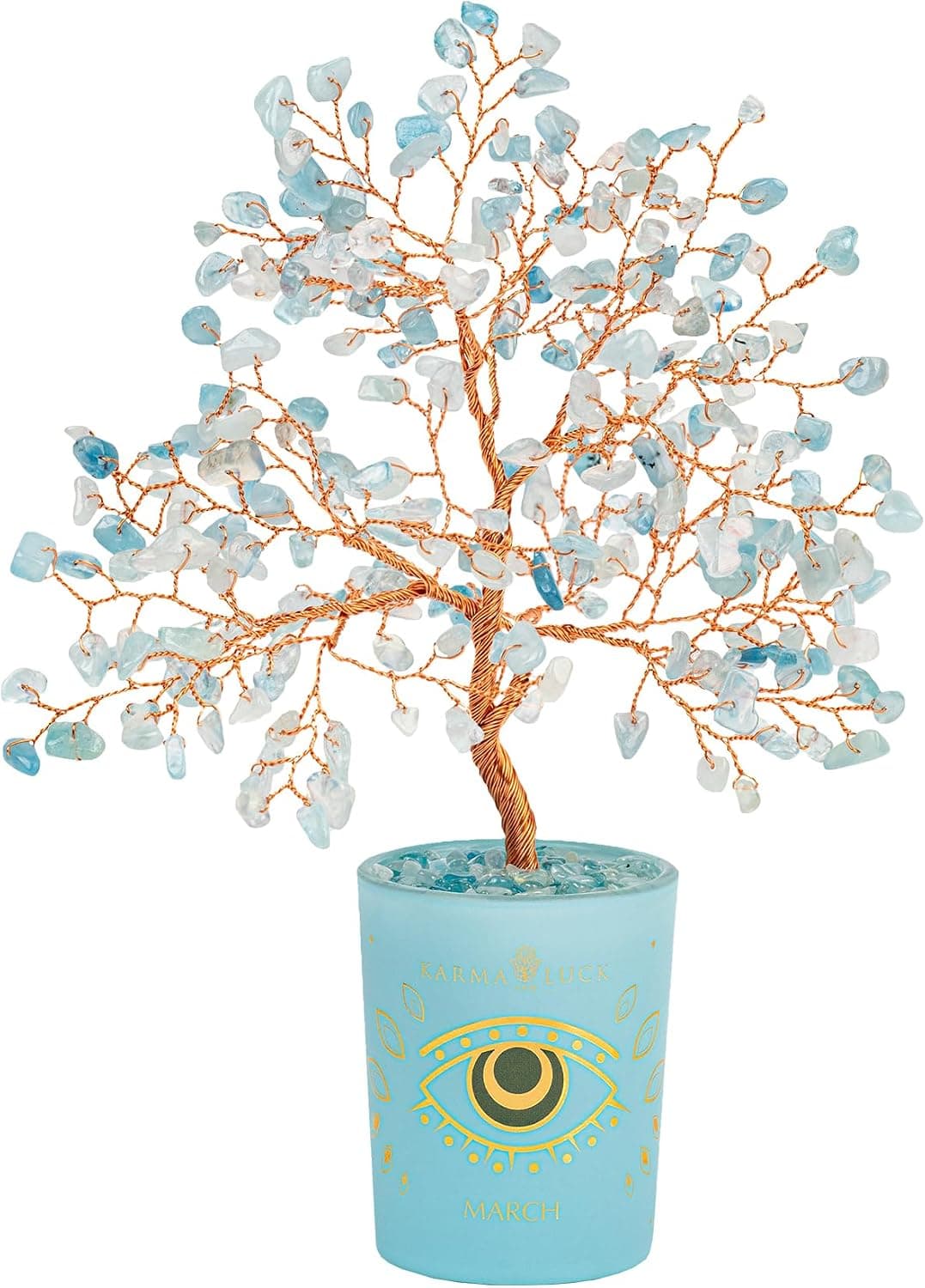 -29%
-29%Karma and Luck March Birthstone Crystal Tree of Life, Aquamarine Gemstone Fen...
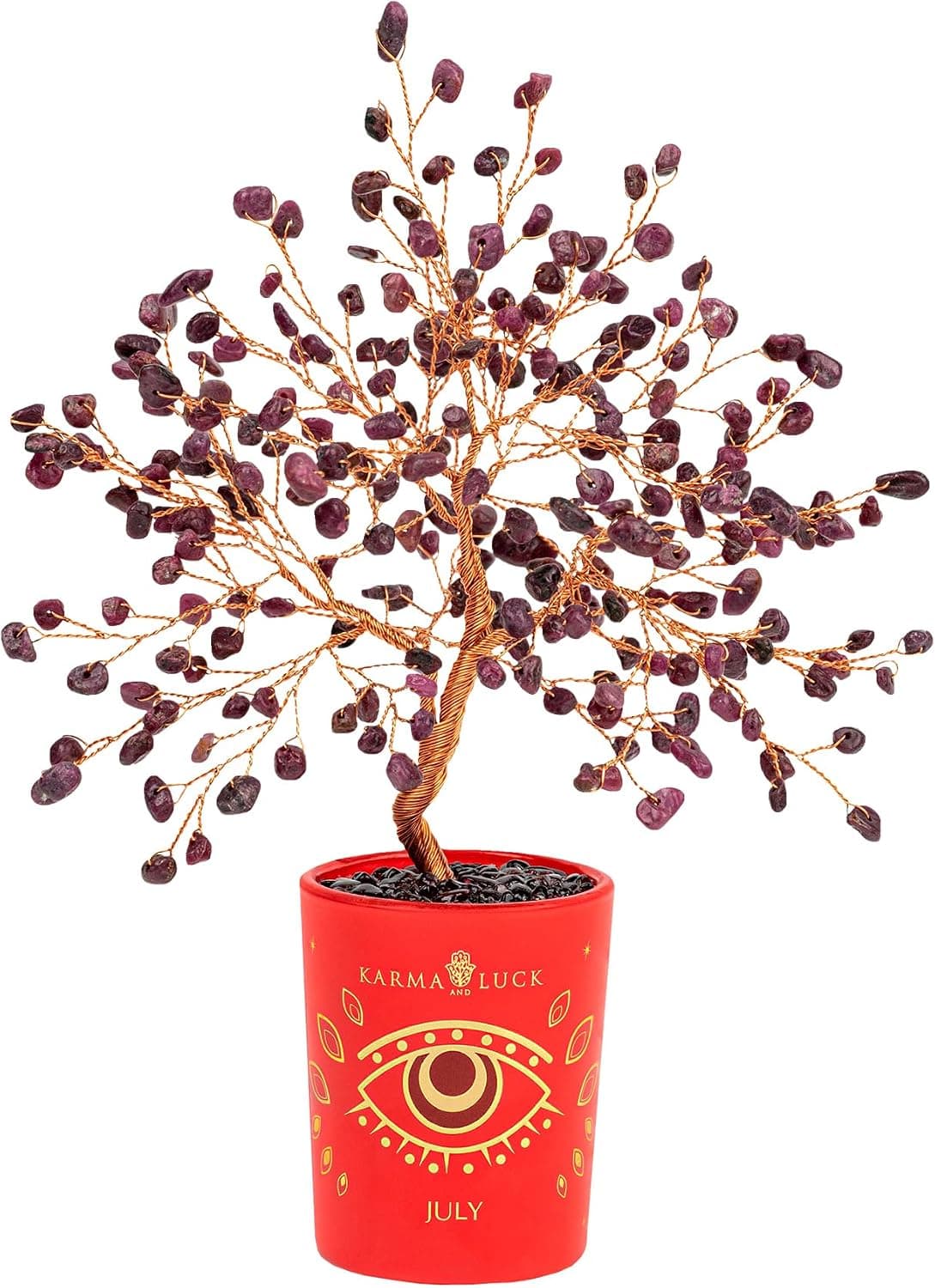 -29%
-29%Karma and Luck July Birthstone Crystal Tree of Life, Ruby Gemstone Feng Shui ...
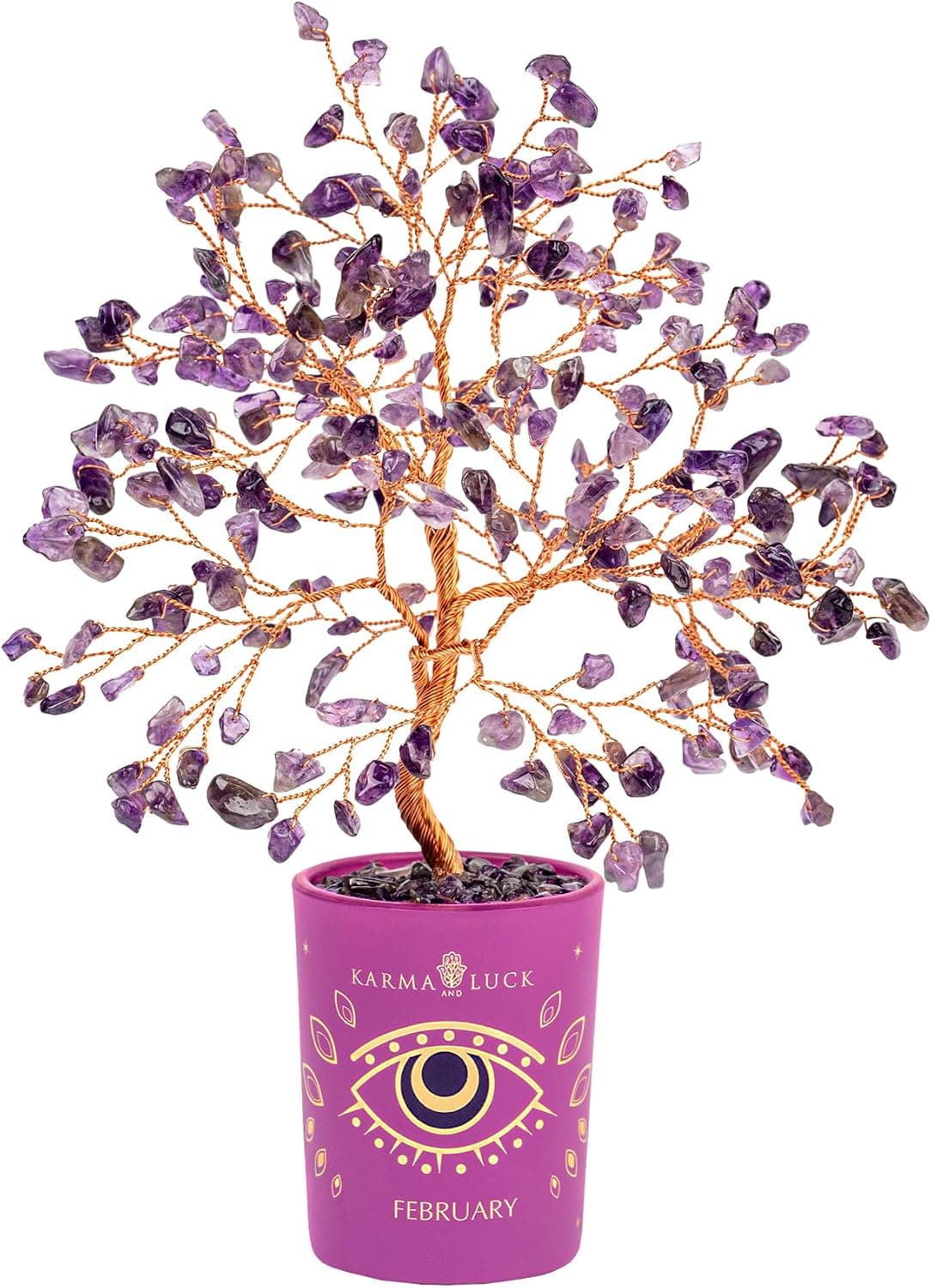 -29%
-29%Karma and Luck February Birthstone Crystal Tree of Life, Amethyst Gemstone Fe...
As an Amazon Associate, we earn from qualifying purchases. We only recommend items our practitioners have personally tested.
Continue Your Journey
Explore these related guides to deepen your understanding:

The I Ching Doesn't Answer Lazy Questions — Here's What to Ask Instead
8 min readConfucian Commentary Turns the I Ching Into a Moral Floor Plan
9 min readBroken Lines, Solid Lines, and the Real Yin-Yang Logic of the I Ching
11 min readThe Wilhelm I Ching Feels Deep Because It Slows Your Reading
11 min readReady for Deeper Guidance?
Try our free I Ching reading for personalized wisdom, or explore our curated Feng Shui essentials.