A wealth vase without the right contents looks polished and still does nothing.
The vase on the shelf that never seems to “take”
I once walked into a quiet study in Portland and saw a beautiful blue-and-white vase sitting on a walnut cabinet, surrounded by a brass lamp, three coins, and a red ribbon. The owner had been waiting six months for it to “work,” but the room felt dry, stalled, and oddly impatient.
That is the part people miss. The container matters, but the contents are what give it direction. A vase with random objects is decoration. A vase with the right symbolic load becomes an intentional wealth setting, and that difference is bigger than most people expect.
If you are researching a citrine wealth symbol or other money cures, the same rule applies: pretty is not the same as effective. The method has to match the purpose.
What belongs inside, and why each item is there
The classic feng shui wealth vase ingredients list is not random folklore. Each item is chosen to represent abundance, continuity, protection, or steady accumulation. A proper vase does not ask for clutter; it asks for carefully selected symbols that support a single intention.
At its core, you want a mix of five families of ingredients: wealth symbols, precious materials, five-element support, living or growth imagery, and sealing materials. The exact form can vary by tradition, but the logic stays consistent. Wealth should be gathered, protected, and held without leakage.
Coins are common because they represent circulation that returns to you. Crystals are used because they hold attention and amplify a clear intention. Red cloth or ribbon often appears because it seals and activates, while rice, grains, or gems suggest accumulation rather than flash.
One thing surprises people: the vase should not feel like a souvenir jar. If every object is chosen because it “looks lucky,” the container becomes noisy. The energy gets scattered. I have seen this happen in guest rooms, offices, and even elegant dining rooms where the owner had expensive taste but no coherent structure.
For readers who already use home cures, a good comparison is choosing a fountain that actually moves energy well. The principle is similar: form must serve function, or the cure turns into décor.
Build it with intention, not superstition
Start with the vase itself. Traditional choices lean toward ceramic, porcelain, or metal depending on the intention and the home’s overall balance. I prefer a vessel that feels substantial in the hand. Thin glass can be elegant, but it often feels too exposed for a wealth container.
Next, prepare the inside with care. Clean it thoroughly. Dry it completely. Then choose ingredients that support the specific kind of wealth you want: income stability, business growth, inheritance preservation, or long-term savings. This is where people get lazy and throw in everything shiny they own. That is how a sacred container becomes a junk drawer.
Coins can be Chinese coins tied with red string, or simply symbolic currency arranged neatly. Add semi-precious stones if they resonate with your tradition: citrine for prosperity, jade for steady growth, pyrite for confidence, or clear quartz to unify the set. A few dried grains or rice can symbolize continuity and nourishment. Some practitioners add a handwritten intention on red or gold paper, folded inward so it is private and protected.
In one guest bedroom I reviewed last spring, a retiree had placed a black vase beside a lavender throw, but inside it were five loose coins, a shell, and a business card from a contractor. The room felt confused. We replaced the contents with a sealed bundle of rice, nine coins, a small citrine cluster, and a red cloth lining. Within two weeks she told me the room felt calmer, and the arguments with her adult son about money softened. That is not magic tricks. That is coherence.
The feng shui wealth vase ingredients list usually works best when the ingredients are grouped rather than scattered. Think in layers. Something to receive, something to hold, something to multiply, something to protect, and something to seal.
How to assemble it without making common mistakes
Place the largest items first. This gives the vase a stable base. Then add smaller symbols around them, but do not pack it so tightly that nothing can breathe. A wealth vase should look abundant, not cramped. Space matters. In feng shui, empty space is not wasted space; it is the channel through which qi moves.
When you seal the vase, use a lid, cloth, or wrapping that feels deliberate. If the top is open by design, you need another method of containment, such as placement in a protected cabinet or a stable, quiet corner. Open, exposed vessels tend to feel like leaking finances to many households. I have seen that pattern too many times to dismiss it.
The placement should be calm and respectful. Avoid bathrooms, laundry rooms, and directly beside a trash bin. Do not sit it where people constantly bump it or where sunlight scorches it all day. Wealth symbols are not meant to be treated like souvenir mugs on a crowded shelf. They need a little dignity.
And no, you do not need a dramatic altar setup for it to matter. A small, well-composed vase in a study or living room can outperform a large display that has no structure. That surprises people because they assume more objects means more power. It usually means more noise.
If you already work with scents or subtle room support, you may also appreciate choosing incense that clears a room without overwhelming it. Subtlety often carries farther than theatrics.
What to include, and what to leave out
If you want a practical framework, use these categories rather than copying someone else’s exact setup. A strong vase often includes coins, crystals, rice or grain, a red or gold cloth, and a personal symbol of prosperity. That personal symbol could be a written wish, a tiny token from a career milestone, or a charm tied to a clear goal.
Leave out broken items, random receipts, sentimental clutter, and anything that carries stale emotional baggage. I know people want to tuck in a photo, a ring, a ticket stub, or a gift from an ex because it “has meaning.” Meaning is not the same as supportive energy. Some objects belong in memory boxes, not wealth containers.
Also skip anything moldy, cracked, or energetically exhausted. The vase should feel clean, fresh, and dignified. If you would not proudly place it on a table during a dinner party, it probably does not belong in a wealth cure.
A useful way to think about the whole process is simple: choose items that say accumulation, protection, and renewal. If an item says drama, loss, or clutter, it is wrong for the job.
Common mistakes that weaken the result
The first mistake is overfilling. More is not better. Too many ingredients compete with each other and flatten the symbolism. The second is using beautiful objects with no purpose. That turns the vase into a display piece instead of an energetic structure.
Another frequent error is copying an online list without considering the home. A wealth cure should match the person, the space, and the intention. That is why one family’s vase can feel grounded while another feels awkward and useless.
And yes, placement matters. If you set it in a chaotic corner next to charging cables, mail, and old newspapers, you are sending a mixed message. Keep it clean. Keep it steady. Keep it private enough to feel special.
FAQ
What are the most common items in a wealth vase?
Coins, crystals, rice or grain, red cloth, and a sealed intention note are the usual foundation. Many practitioners also add gold-colored elements or small symbolic treasures that represent stable growth rather than quick gains.
Does the exact material of the vase matter?
It does, but not in a rigid way. Ceramic and porcelain are traditional because they feel grounded and contain well, while metal can work if it suits the home and the purpose. The vessel should feel solid, clean, and worthy of keeping something precious.
Can I make one with objects I already own?
Surprisingly, yes. A well-chosen set of ordinary items can be more effective than an expensive but random collection. The key is coherence: every item should support the same intention, and nothing should feel emotionally heavy or broken.
How often should I check or refresh it?
I recommend checking it lightly when the home feels stagnant or when your financial goals shift, but not constantly. Fiddling with it every week can disturb the sense of containment. Treat it like a respected tool, not a decorative project you keep editing.
David Liu
Traditionally informed guidance • Cross-referenced with classical Chinese source texts
Interpretations cross-referenced with the Zhouyi (周易) and Wilhelm/Baynes translation.
Practitioner-Selected Tools for This Topic
Items our team has tested and found effective for the principles discussed above. Individual results may vary.
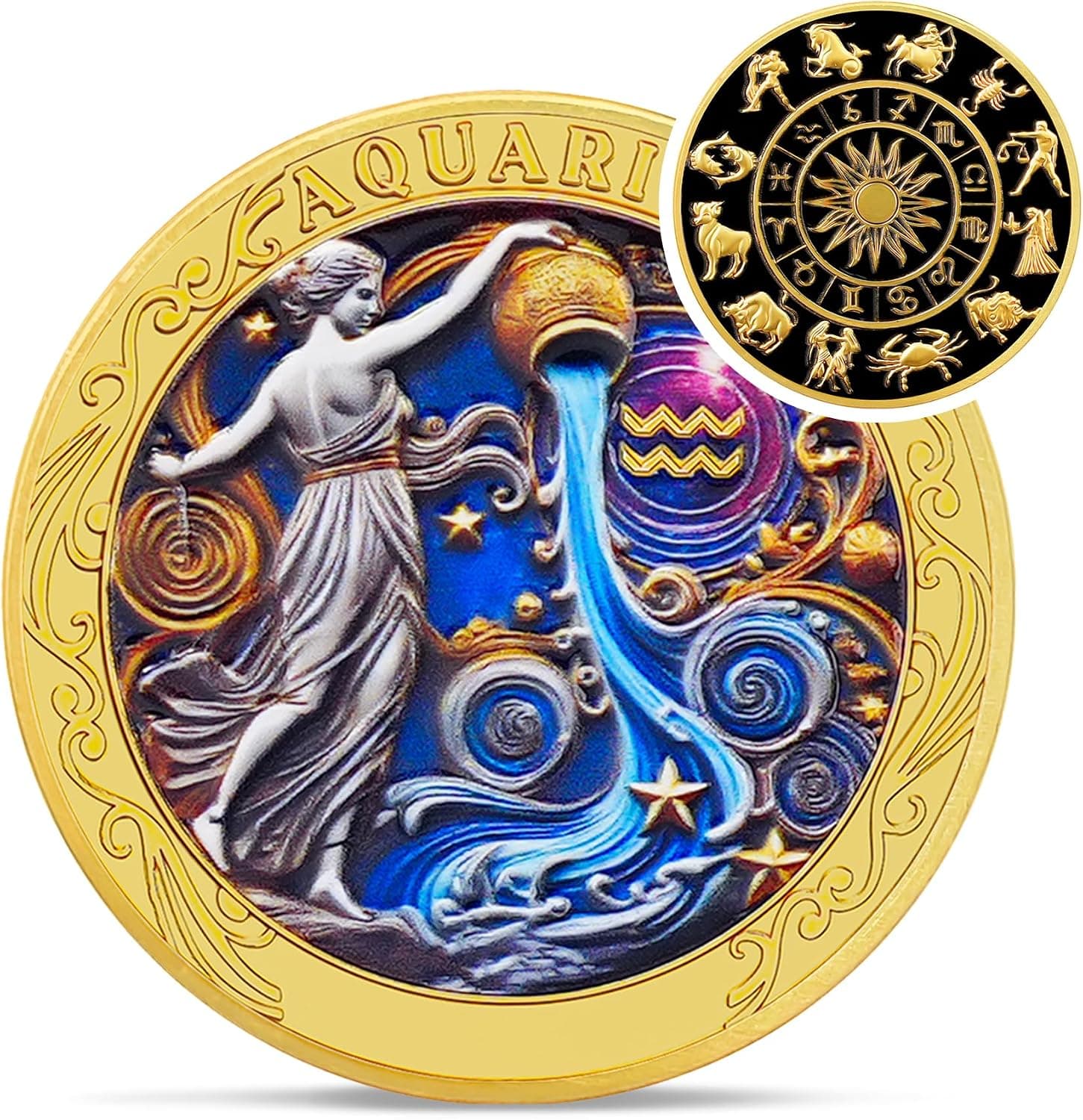 -20%
-20%Aquarius 12 Zodiac Challenge Coin - Twelve Constellations Aquarius Protective...
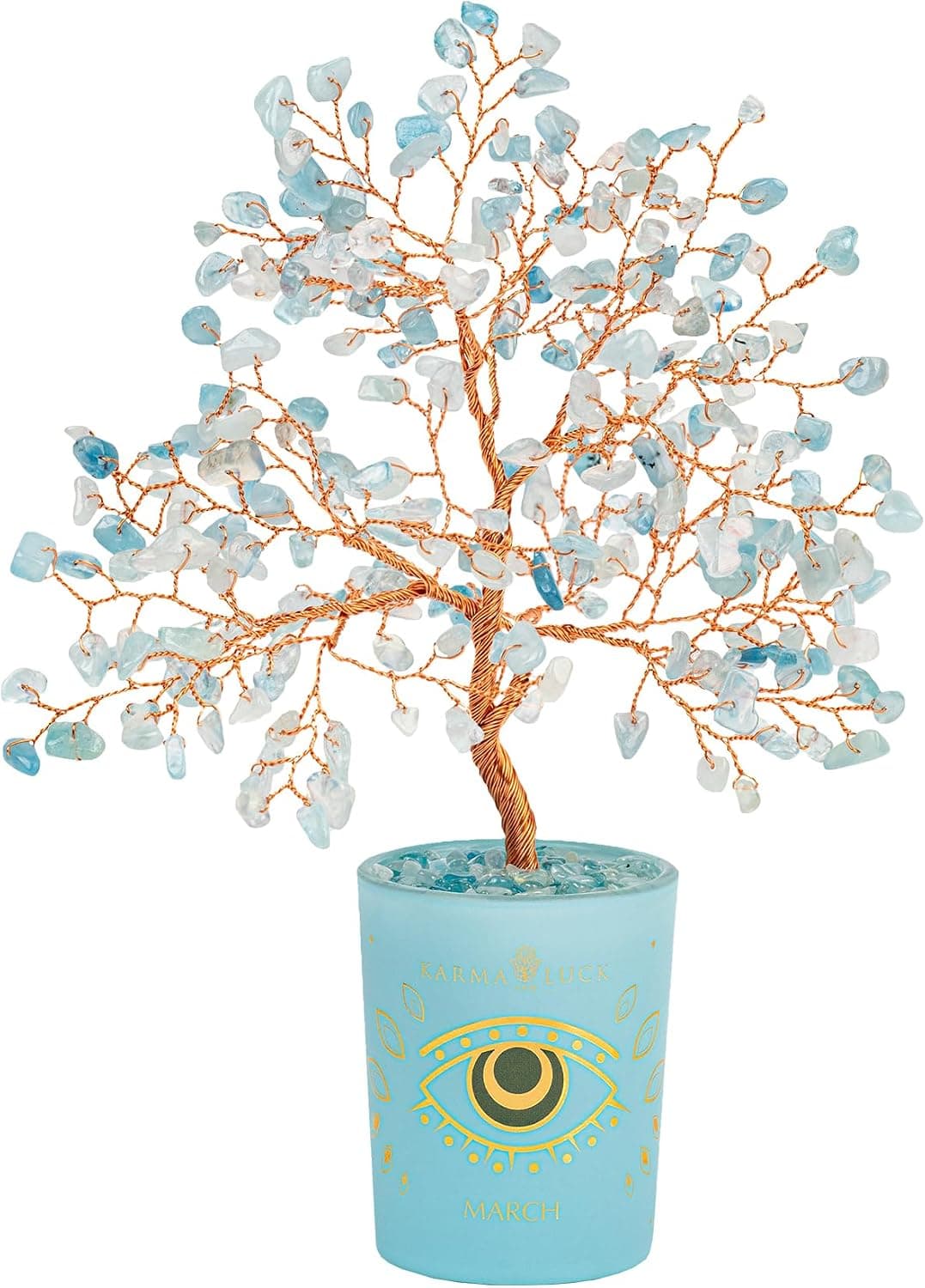 -29%
-29%Karma and Luck March Birthstone Crystal Tree of Life, Aquamarine Gemstone Fen...
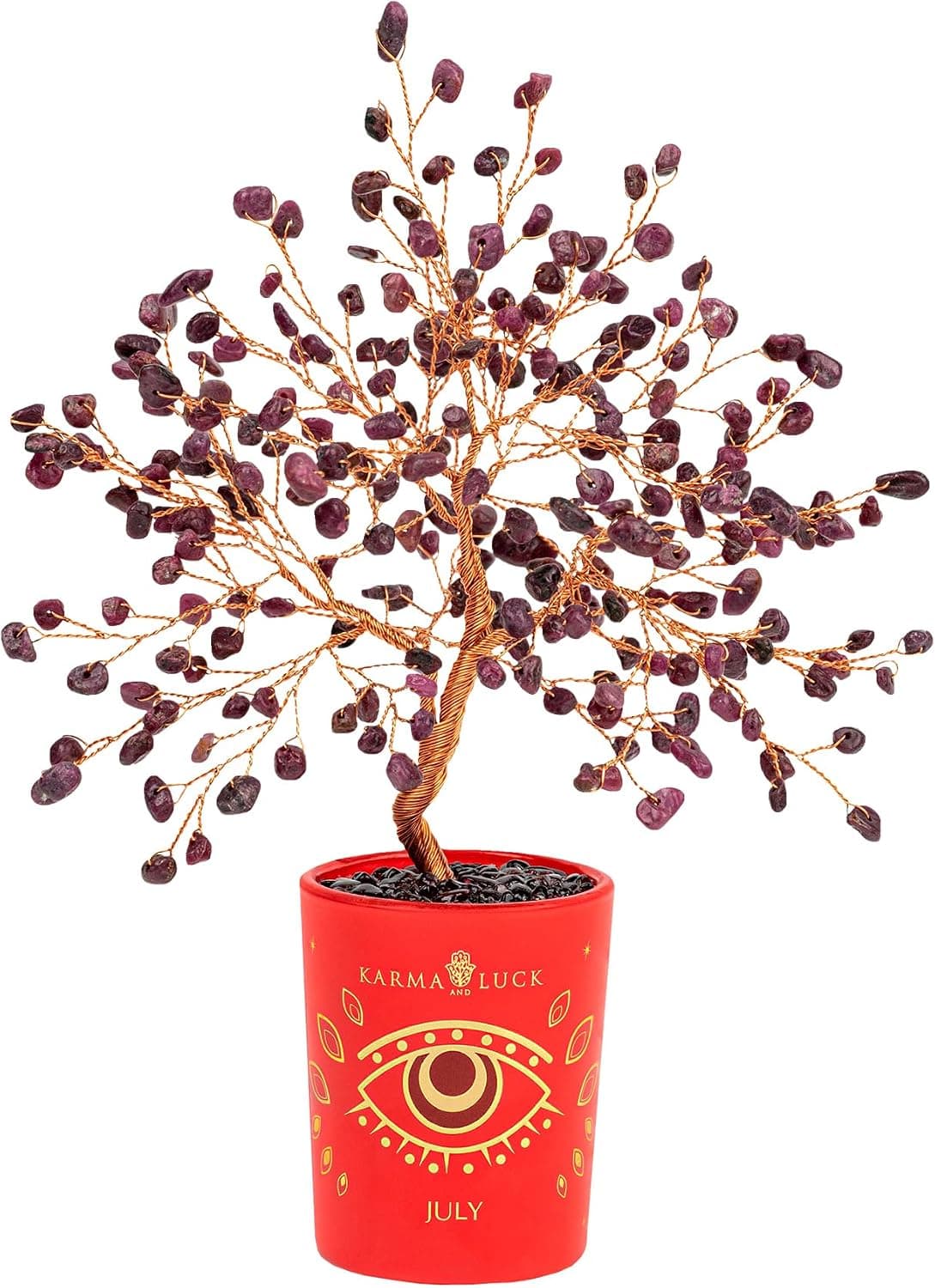 -29%
-29%Karma and Luck July Birthstone Crystal Tree of Life, Ruby Gemstone Feng Shui ...
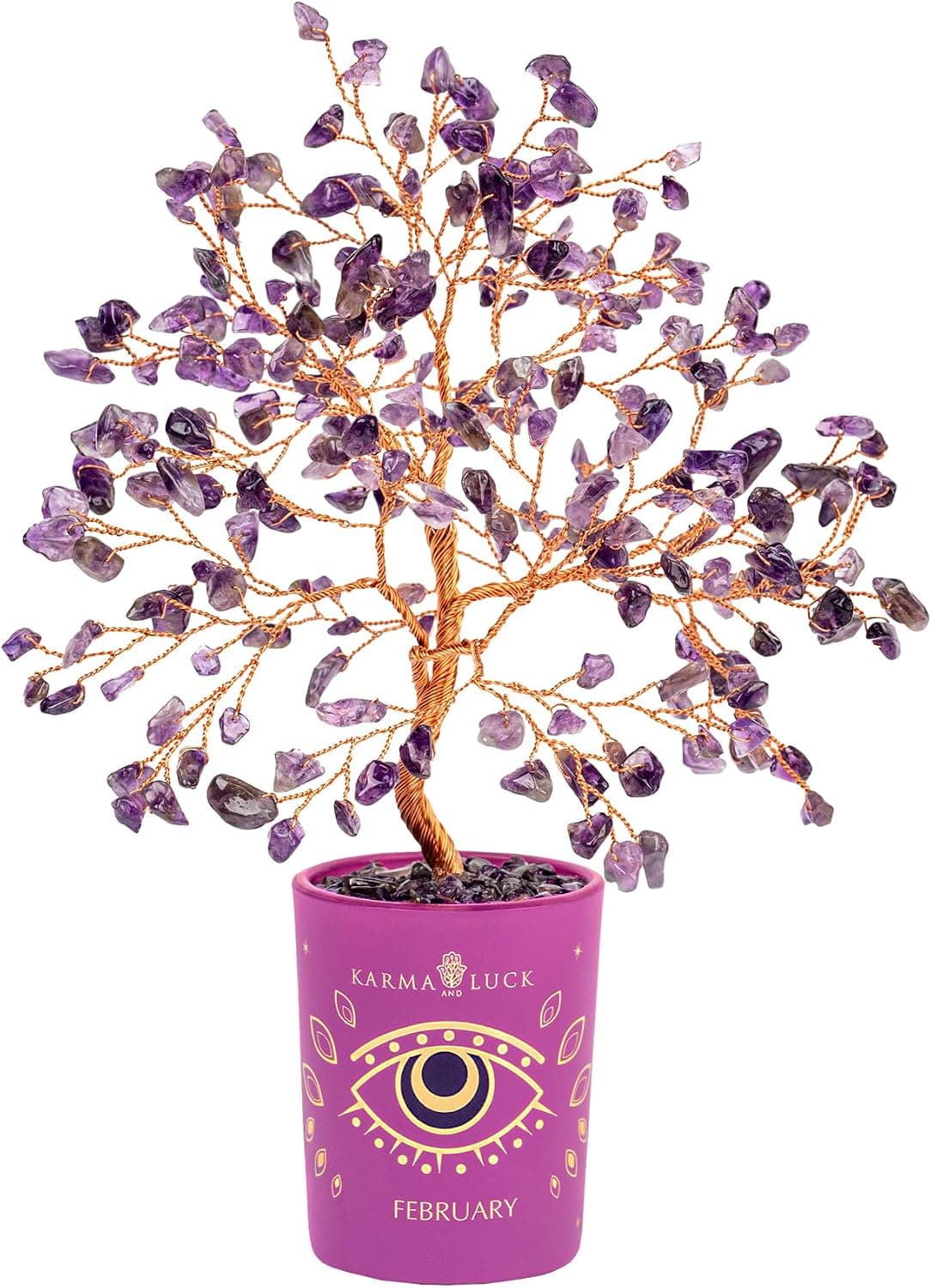 -29%
-29%Karma and Luck February Birthstone Crystal Tree of Life, Amethyst Gemstone Fe...
As an Amazon Associate, we earn from qualifying purchases. We only recommend items our practitioners have personally tested.
Continue Your Journey
Explore these related guides to deepen your understanding:

The I Ching Doesn't Answer Lazy Questions — Here's What to Ask Instead
8 min readConfucian Commentary Turns the I Ching Into a Moral Floor Plan
9 min readBroken Lines, Solid Lines, and the Real Yin-Yang Logic of the I Ching
11 min readThe Wilhelm I Ching Feels Deep Because It Slows Your Reading
11 min readReady for Deeper Guidance?
Try our free I Ching reading for personalized wisdom, or explore our curated Feng Shui essentials.