If the yin-yang symbol feels decorative, you’re missing the part that actually changes how you read patterns.
Quick start: what to notice first
If you remember only one thing, let it be this: the circle is not saying “half and half.” It is showing a living turn, a handoff, a moment when one quality begins to yield to its opposite.
That distinction matters because people often reduce Chinese symbols to surface decoration. They print the image on a mug, hang it in a hallway, or wear it as a tattoo, then never ask what it trains the eye to notice. I prefer a simpler question: what kind of balance does it teach you to recognize?
Begin with the curve before you worry about the dots. Then return to the dots and notice how they interrupt the curve. In my experience, that small change in attention opens up the Daoist logic behind the hexagrams, because nothing here is meant to stay frozen.
And if you are using the image for study, feng shui, or reflection, do not handle it like a lucky sticker. Treat it as a compact lesson in change.
What the circle is really showing
The outer circle is not just framing. It tells you the two forces belong to one whole, not two sides locked in a fight. A lot of beginners describe yin and yang as opposites, but that is only a partial reading. In the classical view, each one produces, presses on, and completes the other.
The black and white teardrops are doing more work than most people realize. They tell us that nothing stays pure in daily life. Stillness already contains motion. Strength carries a seam of vulnerability. Rest holds a seed of readiness.
I’ve seen Western readers get trapped by moral labels. They want to sort everything into good and bad, masculine and feminine, day and night. That framing is too neat. The symbol is not a verdict. It is a weather pattern.
That is also why it sits so naturally beside the eight trigrams and their directional logic. The circle describes relationship. The trigrams show how that relationship behaves once it enters a house, a season, or a decision.
Balance is not a still photo. It moves.
Why the dots matter more than people think
The small dot inside each lobe is the part that keeps the image from becoming simplistic. It says the opposite is already present inside the dominant force. Heat carries the hint of evening. Calm water can hide a storm. A quiet week can be the setup for a demanding one.
That is not poetry for its own sake. It is a practical way to read timing. If a room feels too yang, adding more light may create agitation instead of clarity. If a business keeps sliding into a too yin pattern, extra softness can make it sluggish instead of restful. Often the answer is the move nobody wants to make first.
Last autumn I worked in a narrow apartment in Seattle. The living room had a pale gray sofa, a red ceramic lamp, and a glossy black frame hanging directly opposite the front door. The owner, a teacher named Miriam, said the space felt restless every evening around 7 p.m. We softened the wall contrast, moved the frame to the side, and introduced a wood bowl on the console table. Two weeks later she told me the room no longer felt like it was “arguing with itself.”
That was not a mystical event. It was the room finding its center again.
For a deeper look at how symbolic attention supports practice, read a steady I Ching meditation routine.
How the image fits I Ching thinking
The symbol and the Book of Changes belong to the same way of thinking. One speaks visually. The other speaks in text. Both ask you to stop pretending life is fixed.
That is where many people get impatient. They want a final answer, a clean yes or no, a result that does not move. The tradition offers something less tidy and more useful: pattern, timing, and the consequences of action.
Once you start reading this way, you notice that a situation often contains its next phase before it becomes obvious. A relationship can appear settled while strain quietly builds underneath. A career can look stuck while the conditions for growth are already forming in the background.
This is the same intelligence explored in the link between synchronicity and the I Ching. The goal is not fortune-telling in the cartoon sense. The goal is to notice the pattern early enough to respond well.
Most people do not realize how much energy they waste fighting timing.
Taijitu in daily life: not decoration, but discipline
People put the image on a wall because they want harmony. That makes sense. But harmony is active work, not passive wishing.
In a kitchen, too much white and metal can make the room feel clinical. In a bedroom, too much contrast can keep the mind alert when it should be easing down. In a studio, too much softness can drain focus. The symbol matters because it reminds you to tune, not just admire.
Many Western readers make one costly mistake here. They think balance means equal amounts. It does not. A winter room usually needs more warmth than a summer room. A grieving person needs more containment than stimulation. Balance responds to context; it is not a math problem.
That is why one practitioner may place the image near a desk while another keeps it out of a sleeping area. The room’s function decides the placement, not the other way around.
Context beats symmetry every time.
If you want to compare how different systems guide decisions, see I Ching with tarot as decision tools.
Common mistakes Western readers make
The first mistake is treating it like a generic peace emblem. Peace is only one possible result of balanced forces. Sometimes what is needed is tension with structure. Sometimes it is recovery after strain. Sometimes it is a clean separation so something healthier can begin.
The second mistake is gendering the pattern too heavily. Yin is not “feminine” in a costume-shop sense, and yang is not “masculine” in a stereotype. Those are old habits of shortcut thinking. The better lens is tendency: receptive and assertive, inward and outward, cool and warm, contracting and expanding.
The third mistake is assuming a symbol must be mystical to matter. It does not. A good symbol sharpens attention. That is enough. If it helps you choose better furniture placement, better timing, or a better response in a conversation, it is doing real work.
I’ve seen this misunderstanding over and over in client homes. One couple in Phoenix kept calling every black-and-white motif “balancing energy,” even when the apartment already felt too sharp and overlit. Once we reduced the contrast in the main sitting area, the whole space felt less defensive.
For historical roots rather than modern shorthand, the early history of the Book of Changes is worth your time.
How to read it without turning it into wallpaper
Start in your mind before you start on the wall. Ask what in your life is overactive. Ask what is underfed. Then ask what small correction would restore movement without creating chaos.
Here is a simple method I use with clients. Pick one area for three days only: sleep, work, or conversation. Notice where you are forcing, where you are avoiding, and where a tiny adjustment could change the whole tone. That is the real lesson hidden in the image.
Small corrections usually beat dramatic gestures.
People like dramatic cures because they look decisive. A new symbol on the wall feels like progress, but a symbol without changed behavior is just visual noise. The serious use of the pattern is to shift how you choose, where you place, and when you stop pushing.
If you want to see how the full system works in practice instead of theory, this first reading walkthrough is a good place to begin.
Where the symbol belongs in a home
There is no universal best spot, and anyone selling one is overselling. Even so, some placements are more sensible than others. Public areas usually handle symbolic reminders better than sleep spaces. A study, hallway, or entry often makes more sense than a bedroom.
The reason is simple. The image invites awareness, and awareness is active. In a bedroom, too much visual prompting can keep the nervous system from downshifting. In an office, that same reminder can sharpen judgment and interrupt lopsided habits before they harden.
Use the room for what it already does.
I once visited a retiree in San Diego who had hung a glossy black-and-white print directly above his bed because an online shop promised “harmonizing energy.” He was sleeping lightly and waking from vivid dreams within two nights. We moved the print to a small hallway reading nook, and the bedroom settled almost at once.
Why it still matters now
Modern life produces imbalance everywhere you look. Too much screen time. Too much sitting. Too much reacting. Too little recovery. The old symbol still earns its place because it names those patterns without lecturing you.
It also pushes back against the fantasy that conflict can be removed from life. It cannot. What you can learn is when tension is useful, when softness is useful, and when both are needed in sequence. That is mature thinking, not decorative spirituality.
And that is why the image lasts. Not because it is pretty. Because it is accurate.
FAQ
Is this symbol the same as yin-yang?
In everyday Western usage, yes, people usually mean the same circular image. Still, the label is less important than the lesson inside it. The point is transformation, not two frozen opposites standing still.
Can I use it in feng shui?
Yes, but placement should be chosen with restraint. I usually recommend a living room, hallway, or study before a bedroom, especially if the room already feels busy. Think about what the space is for, then decide whether the image supports that job.
Does it bring balance by itself?
No object can do the whole job alone. What it can do is remind you to make cleaner adjustments, and that reminder can matter more than people expect. The shift happens when the room and your behavior change together.
What if I only like the design?
Then enjoy the design, but do not reduce it to decoration. Symbols carry cultural and philosophical weight whether we notice that or not. Respecting that depth makes your use of it more grounded and less careless.
Is this more about Taoism or the I Ching?
It belongs to both. That overlap is exactly what makes it so useful. The visual pattern speaks the same language as change theory, which is why it pairs naturally with hexagram study. If you want a practical bridge, simple divination questions are a good place to start.
How should a beginner study it?
Begin with observation, not memorization. Watch for where your life is overextended, where it is undernourished, and what small correction would bring the whole thing back into flow. That habit will teach you more than a stack of definitions ever will.
David Liu
Traditionally informed guidance • Cross-referenced with classical Chinese source texts
Interpretations cross-referenced with the Zhouyi (周易) and Wilhelm/Baynes translation.
Practitioner-Selected Tools for This Topic
Items our team has tested and found effective for the principles discussed above. Individual results may vary.
 -20%
-20%Aquarius 12 Zodiac Challenge Coin - Twelve Constellations Aquarius Protective...
 -29%
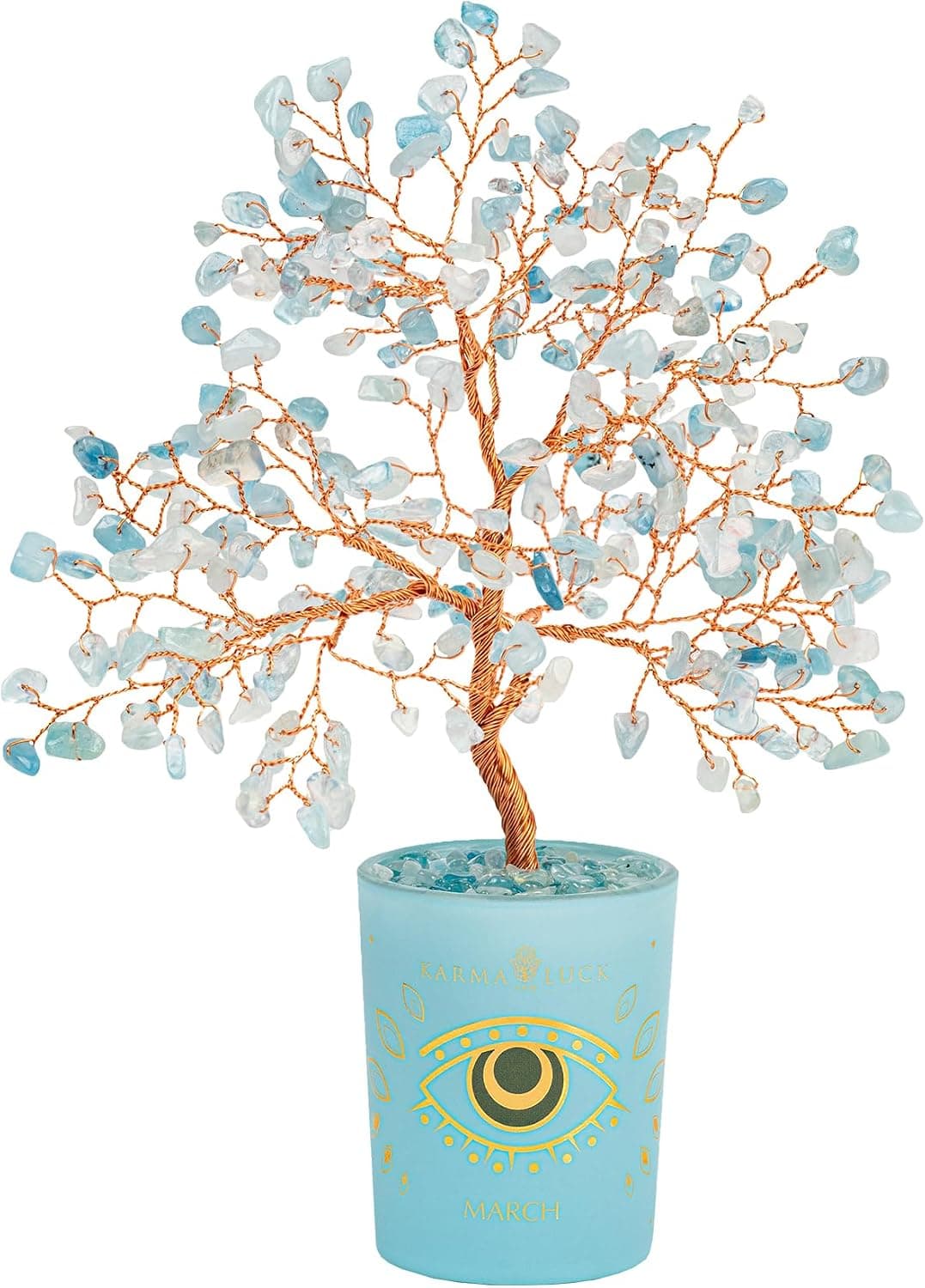
-29%Karma and Luck March Birthstone Crystal Tree of Life, Aquamarine Gemstone Fen...
 -29%
-29%Karma and Luck July Birthstone Crystal Tree of Life, Ruby Gemstone Feng Shui ...
 -29%
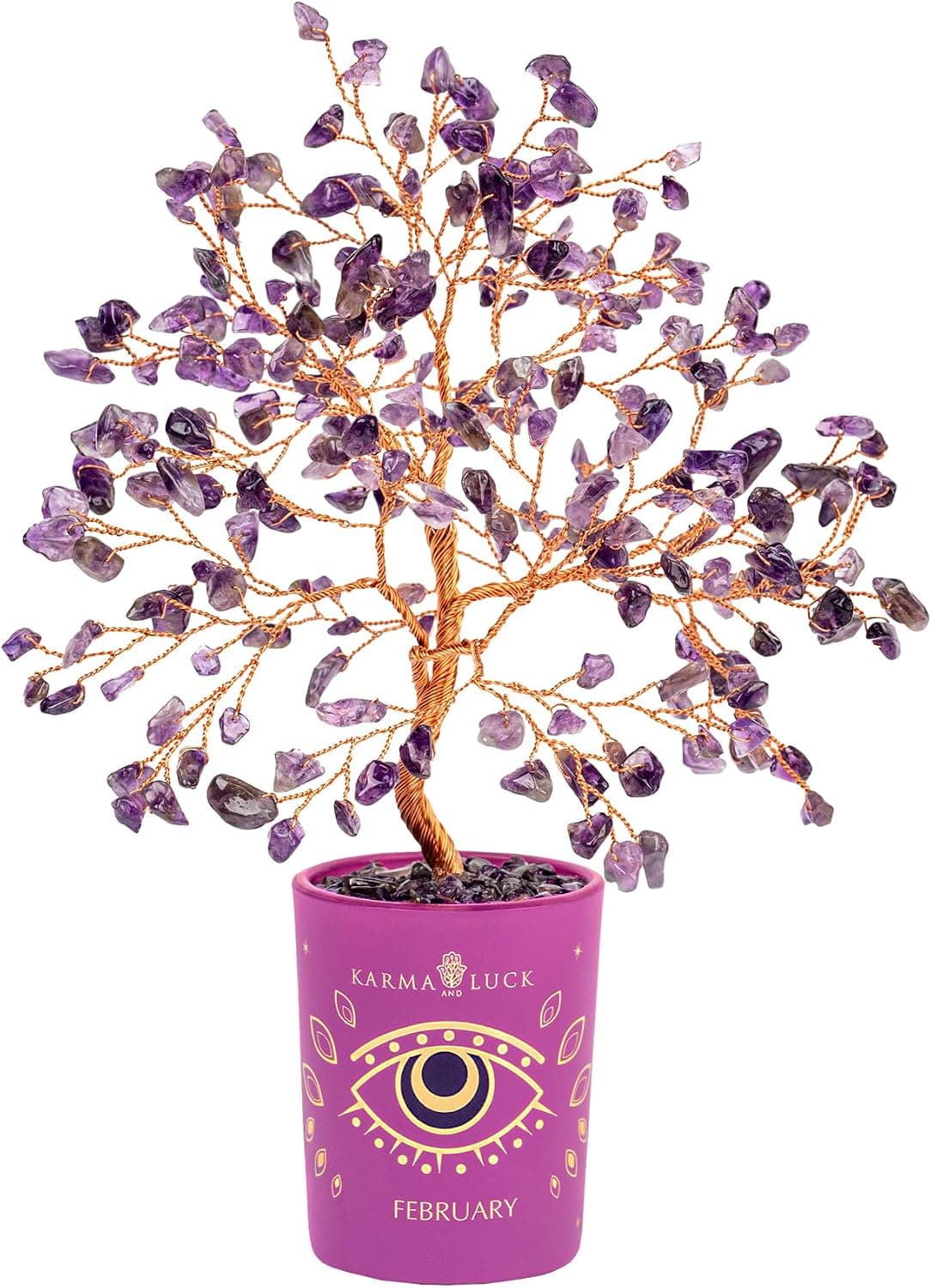
-29%Karma and Luck February Birthstone Crystal Tree of Life, Amethyst Gemstone Fe...
As an Amazon Associate, we earn from qualifying purchases. We only recommend items our practitioners have personally tested.
Continue Your Journey
Explore these related guides to deepen your understanding:

The I Ching Doesn't Answer Lazy Questions — Here's What to Ask Instead
8 min readConfucian Commentary Turns the I Ching Into a Moral Floor Plan
9 min readBroken Lines, Solid Lines, and the Real Yin-Yang Logic of the I Ching
11 min readThe Wilhelm I Ching Feels Deep Because It Slows Your Reading
11 min readReady for Deeper Guidance?
Try our free I Ching reading for personalized wisdom, or explore our curated Feng Shui essentials.