When a relationship, team, or room feels split in two, Hexagram 38 asks for precision—not force.
When the room splits in two, don’t rush to unify it
I once stood in a narrow upstairs office painted pale gray and noticed something odd: the desk faced one window, the chair faced another, and the lamp sat between them like a referee. The owner, a software architect named Daniel, said he could not think clearly in that room, yet he kept telling himself the problem was “just stress.” It was not just stress. The space itself was asking him to hold two directions at once.
That is the heart of a first I Ching reading when Hexagram 38 appears. Not harmony. Not easy agreement. Opposition. And that word unsettles people because they imagine conflict as a sign they have failed. I have seen the opposite. Some of the cleanest decisions come when two truths refuse to merge.
Hexagram 38 does not say, “Force everyone onto the same page.” It says, “Notice where the page has already split.” That distinction matters. A marriage, a business partnership, a family inheritance, even a bedroom layout can carry this same tension: two valid needs, two incompatible directions, one uneasy arrangement.
Here is the part most readers miss: opposition is not always loud. Sometimes it looks like politeness, delay, mixed signals, or a room that never quite settles. The energy is there anyway. Quietly. Insistently.
What Hexagram 38 is really pointing to
In classical terms, Hexagram 38 describes difference that cannot simply be smoothed over. One side faces one way; the other side faces another. That is why this hexagram often appears when a person is trying to reconcile two identities, two duties, or two values that keep pulling apart.
It is tempting to read that as bad news. It is not. Opposition clarifies. It reveals structure. It shows you where compromise is real and where it is only surrender dressed up as diplomacy.
Think of a nurse I worked with in Seattle. Her living room was lovely at first glance: cream sofa, teal throw pillows, a red lacquer bowl on the coffee table. But the television sat directly opposite a large family portrait, and every evening she felt oddly irritable in that room. She wanted rest, but the room kept staging a silent argument between entertainment, memory, and attention. Once she moved the television off-axis and replaced the red bowl with a simple ceramic tray, the room stopped feeling combative within a week.
That is Hexagram 38 in domestic form. Not a crisis. A polarity.
One more thing: people often assume opposition means “bad match.” Not always. Sometimes it means a necessary distinction. A good editor opposes a sloppy sentence. A decent boundary opposes a draining request. A true friend opposes your worst impulse when you need it most.
How opposition behaves in relationships, work, and space
In relationships, this hexagram often shows up when two people are not actually disagreeing about the same thing. One wants security; the other wants freedom. One wants clarity now; the other wants time. They argue on the surface, but the deeper split is structural. If you do not see that, you will keep treating the symptom as the cause.
At work, Hexagram 38 can signal a team where departments are aligned in theory and misaligned in practice. Marketing wants speed. Operations wants control. Finance wants caution. Everyone is technically right, which makes the friction harder to solve. The answer is rarely “more enthusiasm.” It is usually better delineation.
In feng shui, opposition often appears as rooms that face off too directly. A bed aligned straight with a door. A desk pressing against a window while another strong object competes from behind. Two mirrors reflecting each other. Too much directness can create agitation. The eye never lands. The body never fully releases.
That does not mean every opposing placement is bad. It means you must know what the room is asking you to do. Sometimes the right move is to soften, sometimes to separate, and sometimes to establish a clear command point. The mistake is treating every tension as if it must be eliminated.
What the changing lines feel like in real life
When Hexagram 38 changes, the story often becomes one of selective separation. You stop trying to make everything agree. You choose your side wisely, or you create space between incompatible forces. That is where relief begins.
A retired teacher I advised in Portland had a dining room with navy walls, a brass chandelier, and two clashing chairs at opposite ends of a long oak table. She kept trying to “balance” the room with more decor. It only got busier. The turning point came when she removed one of the chairs, placed a round bowl of white pebbles in the center, and left one wall intentionally bare. The room exhaled. She told me, with visible surprise, that her headaches after dinner disappeared in less than two weeks.
That story matters because people love decorative fixes. They want another candle, another crystal, another plant. But Hexagram 38 is not usually solved by adding more objects. It is solved by making a clean distinction. Enough is enough.
If you want a more technical comparison, this hexagram often sits near the lessons of mutual influence and attraction, but the tone is very different. Hexagram 31 leans toward connection. Hexagram 38 insists on difference. Attraction can be warm; opposition is sharper. Both are necessary, and confusing them causes trouble.
Practical application: how to work with it exactly
Start by naming the two forces plainly. Do not use vague language like “things feel off.” Write down the actual split. For example: “I want to move forward, but I also want to protect what is already stable.” Or: “This room needs rest, but it is set up for activity.” Precision reduces the emotional fog.
Next, identify where forcing harmony has failed. This is hard for many people because they confuse patience with avoidance. If you have already tried to smooth the issue three times and the tension returned each time, stop assuming more effort will fix it. Sometimes the right response is not repair. It is rearrangement.
Then make one clean move. In a bedroom, that could mean turning the bed so it no longer faces a direct line to the door. In a conversation, it may mean scheduling two separate talks instead of one exhausting debate. In a business, it may mean assigning one person to make the final call. A clear boundary is often worth more than a dozen compromises.
Finally, test the result for three nights or three days. Do not judge immediately. Energy needs time to settle. If the room is the issue, you will notice it in your body before you can explain it in words: easier sleep, less jaw tension, fewer restless thoughts. That is your feedback loop.
One sentence can save hours: stop asking the opposing forces to become the same thing.
Where Hexagram 38 points when the tension is healthy
Not all opposition needs resolution. Some of it needs recognition. A child and parent may disagree because one is becoming independent. Two business partners may pull apart because one is meant to scale and the other is meant to preserve. A room may feel split because it is trying to serve too many functions.
That is why I never rush to “fix” Hexagram 38 readings. The message is often, “See the split clearly, then act with discrimination.” That word—discrimination in its older sense—means the ability to choose carefully. It is a fine skill, and Western readers often underestimate it because we have been taught to admire consensus at any cost.
Consensus at any cost is expensive. It costs clarity. It costs health. It costs the ability to tell difference from dysfunction.
If you want to see how this differs from a more restorative return to center, compare it with the quiet reset of Hexagram 24. Return gathers energy back into one point. Opposition keeps two points visible. Very different medicine.
How to use this hexagram without overthinking it
When you receive this hexagram, ask three questions: What are the two sides? Which one is truly mine? What would a clean boundary look like? Those questions are better than asking whether the situation is “good” or “bad.” Life rarely fits that cleanly.
In the home, make changes that reduce direct confrontation. Angle a chair. Move a mirror. Separate competing focal points. In the mind, stop rehearsing the argument from both sides all day. In relationships, name the difference without trying to win it. You are not there to conquer opposition. You are there to understand its shape.
And if you keep seeing this hexagram in repeated readings, take that seriously. Repetition means the issue has not been integrated. The universe is not being dramatic. It is being consistent.
One sentence again, because it matters: a split can be honest.
Return to the larger pattern
Hexagram 38 belongs to the broader conversation of how the I Ching handles relationship, timing, and right action. If you are building your understanding from the ground up, you will get more from the foundations of an initial reading and from neighboring hexagrams than from isolated keywords. The book speaks in sequences, not slogans.
For some readers, this hexagram also becomes clearer after studying the discipline of watching before acting. When opposition is present, the first victory is often restraint. Observe the split. Let it show itself. Then move with less ego and more exactness.
FAQ
Does Hexagram 38 always mean conflict with another person?
No. Often the conflict is internal, or it is between two duties in the same life. I have seen it appear in a bedroom layout, a job decision, and a creative block just as often as in a relationship argument.
Should I try to resolve the opposition quickly?
Not always. Quick resolution can hide the real issue if the tension is structural. A slower, clearer separation of roles is sometimes the wiser move.
What if the reading feels uncomfortable?
That discomfort is part of the message. A surprising amount of growth begins when a person stops forcing agreement and starts respecting difference. That is especially true when the same friction keeps returning.
David Liu
Traditionally informed guidance • Cross-referenced with classical Chinese source texts
Interpretations cross-referenced with the Zhouyi (周易) and Wilhelm/Baynes translation.
Practitioner-Selected Tools for This Topic
Items our team has tested and found effective for the principles discussed above. Individual results may vary.
 -20%
-20%Aquarius 12 Zodiac Challenge Coin - Twelve Constellations Aquarius Protective...
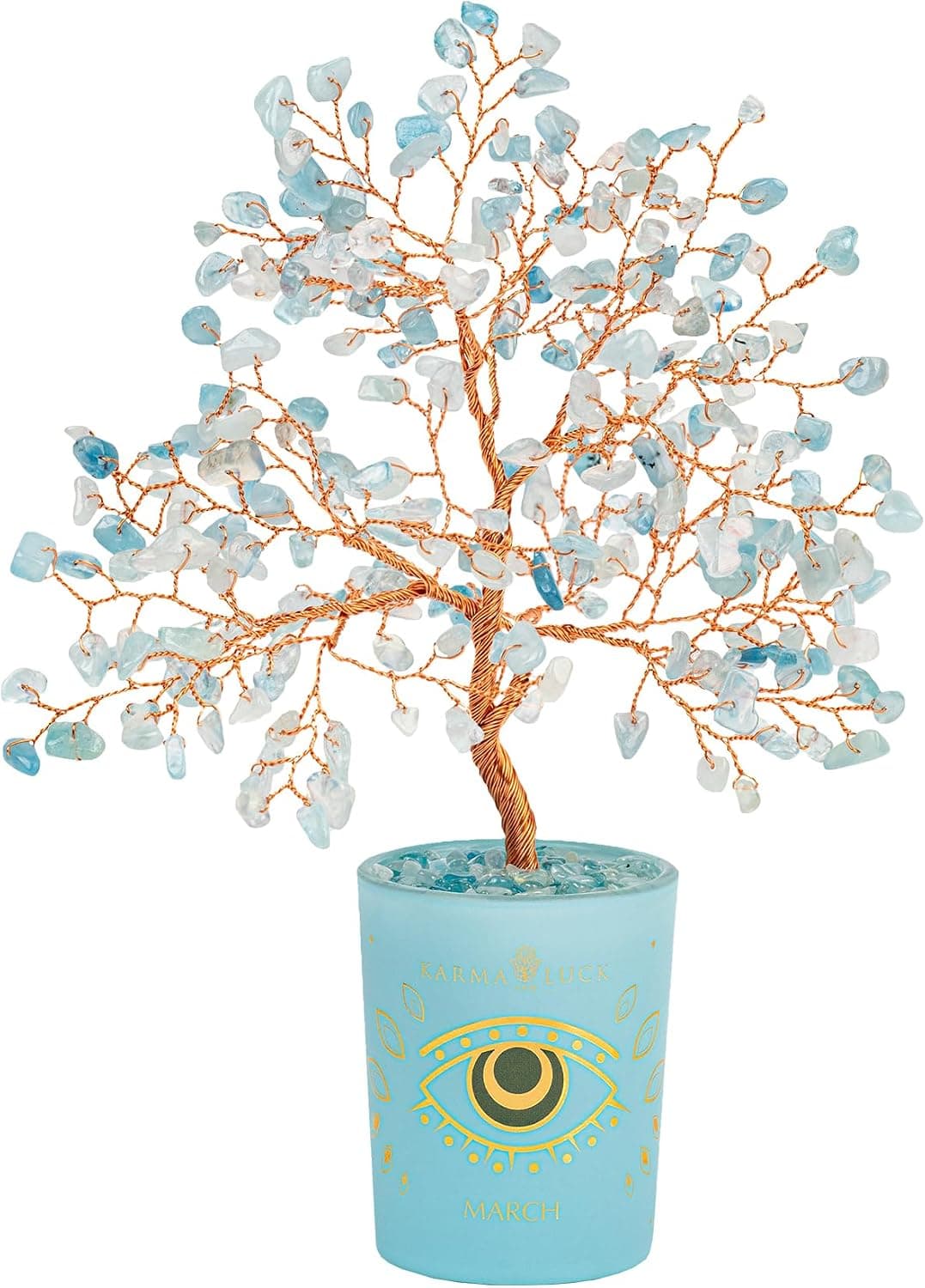 -29%
-29%Karma and Luck March Birthstone Crystal Tree of Life, Aquamarine Gemstone Fen...
 -29%
-29%Karma and Luck July Birthstone Crystal Tree of Life, Ruby Gemstone Feng Shui ...
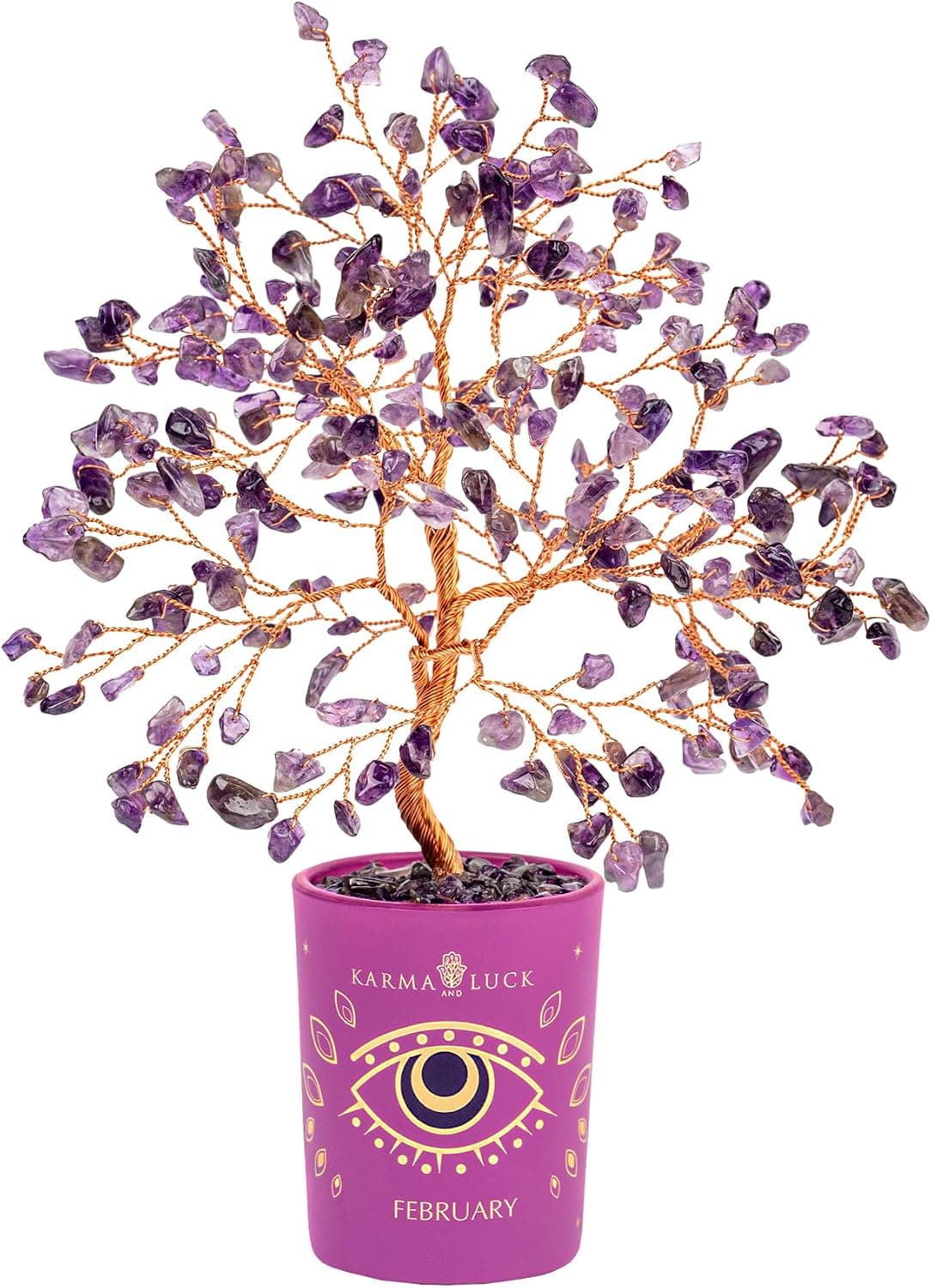 -29%
-29%Karma and Luck February Birthstone Crystal Tree of Life, Amethyst Gemstone Fe...
As an Amazon Associate, we earn from qualifying purchases. We only recommend items our practitioners have personally tested.
Continue Your Journey
Explore these related guides to deepen your understanding:

The I Ching Doesn't Answer Lazy Questions — Here's What to Ask Instead
8 min readConfucian Commentary Turns the I Ching Into a Moral Floor Plan
9 min readBroken Lines, Solid Lines, and the Real Yin-Yang Logic of the I Ching
11 min readThe Wilhelm I Ching Feels Deep Because It Slows Your Reading
11 min readReady for Deeper Guidance?
Try our free I Ching reading for personalized wisdom, or explore our curated Feng Shui essentials.