Hexagram 4 is not about being stupid. It is about meeting raw, unfinished energy before it wastes your time.
The question that arrives too early
A woman once laid three coins on my table in a blue ceramic dish and asked, almost apologetically, whether she was “too late” to change a job decision. She had already signed the offer letter. The office was in a glass tower, the salary was better, and her family was proud. But her stomach had tightened every morning for two weeks.
That is the kind of moment Hexagram 4 points to. Not stupidity. Not failure. Just timing. The question has shown up before the lesson is ready to speak in full sentences.
People get this hexagram wrong because they imagine it scolds ignorance. It does something sharper. It exposes the cost of acting before a structure is understood. That can happen in love, money, study, parenting, even in a room that looks “fine” but feels subtly off. I’ve seen the same pattern in homes where the desk faces a wall, the bed sits under an open shelf, and everyone in the house keeps making expensive decisions with half the facts.
There is a reason the hexagram structure matters more than memorized meanings. Hexagram 4 is not a moral lecture. It is a mirror held up to immaturity in motion.
What youthful folly is actually pointing at
The phrase sounds insulting in English, so readers assume they are being called naive. That is too narrow. In Chinese metaphysics, youthful folly is a stage of not-yet-knowing. The mountain sits above the spring. The spring wants to move; the mountain says wait, observe, learn the shape of the terrain. That tension is the whole picture.
When this hexagram appears, the situation usually has three qualities: confusion, eagerness, and a teacher nearby. People often miss the last one. They fixate on the confusion and panic. But Hexagram 4 is generous if you read it correctly. It says, in effect, “You are not supposed to know this yet, but you are supposed to learn.”
That is why the i ching hexagram 4 youthful folly meaning is so useful in real life. It does not ask you to shame yourself for not understanding. It asks you to stop pretending guessing is the same as knowing.
One of my clearest memories is a narrow home office in a London flat, painted a pale, chilly gray, with a bright red lamp on the desk and a stack of unopened invoices beside it. The owner kept asking why clients were slow to pay. The room told the story immediately: fire at the desk, confusion in the paperwork, no place for the mind to settle. Within ten days of clearing the invoices into one drawer, replacing the red lamp shade with a soft white one, and moving the chair so it no longer faced the hallway, she stopped making frantic follow-up calls. The room had been teaching before the person was ready to hear.
Why this hexagram feels uncomfortable
It irritates the ego. That is the short version.
We want omens that flatter us. We want the oracle to confirm that our instinct is brilliant, our timing perfect, our plan almost complete. Hexagram 4 refuses that performance. It says you may be motivated, sincere, even talented, and still be unready. That can sting, especially for Western readers who equate confidence with competence.
There is another reason it feels hard: youthful folly often appears when the seeker has asked a question they cannot answer honestly. I have seen this with career readings, with relationships, and with money. The person asks, “Should I expand?” when the real question is, “Do I understand what I’m expanding into?” Or they ask, “Is this right for me?” when the hidden issue is, “Am I trying to force certainty so I can stop feeling uneasy?”
If your question was muddled, Hexagram 4 does not insult you. It simply exposes the muddle. For that reason, many people should read better questions before they cast again. Otherwise they keep getting honest answers to incomplete prompts.
The surprise is that this can be a relief. A bad question is exhausting. A clean question is powerful.
How the meaning shifts in practical situations
In love, Hexagram 4 often points to premature attachment. Not every attraction is wrong, but some people confuse chemistry with clarity. They meet on Thursday, imagine a future by Sunday, and are shocked when the other person behaves like a stranger by Tuesday. The hexagram says slow down. Learn who is standing in front of you before you build meaning around them.
In work, it often shows a skill gap. That does not mean you are unqualified forever. It means you are in the awkward middle where enthusiasm outruns method. I’ve seen new managers, newly promoted nurses, first-time founders, and graduate students all meet this energy. They are not incapable. They are under-structured. The remedy is training, supervision, and patience.
In family life, it can point to a child or younger relative who needs guidance without humiliation. The mistake many adults make is to over-explain or over-punish. Hexagram 4 advises clearer boundaries, fewer lectures. The lesson should fit the mind receiving it.
In money matters, this hexagram is a warning against speculation dressed up as wisdom. The stock tip from a friend. The “can’t miss” business idea. The emotional purchase made after a stressful day. Youthful folly loves quick certainty. It hates the boring discipline of checking facts.
That is where the practical side of the i ching hexagram 4 youthful folly meaning becomes invaluable: if you feel rushed, you are probably not ready.
What the line level teaches
Hexagram readings are never flat. They move.
If the changing lines show restraint, the message is often to wait for instruction rather than improvising. If they show stubbornness, the hexagram turns sharper: the folly is not innocence anymore; it is refusal to learn. If the lines show a search for a teacher, the answer becomes promising. That is the best use of this hexagram. Find the person, book, system, or process that can correct your blind spot.
And no, a “teacher” does not always mean a guru in a robe. It may be a blunt colleague who notices the obvious thing you missed. It may be the tax software tutorial you kept skipping. It may be the quiet correction your partner has tried to give you three times already.
This is why I tell readers not to romanticize ignorance. Innocence is not a virtue when it keeps you from seeing what is in front of you.
How to work with Hexagram 4 without overthinking it
Start with the simplest possible action: stop and identify the exact gap in your understanding. Write one sentence only. Not five. One. For example: “I do not yet understand the conditions of this offer,” or “I do not know what this person wants from me,” or “I am acting before I have the facts.”
Then ask a better question. Not “What should I do?” but “What must I learn before I act?” That shift changes everything. It takes the energy out of drama and puts it into preparation.
Next, look for the smallest reliable teacher. That could be an experienced person, a trusted reading, a checklist, or a repeatable method. If you are consulting the oracle with coins, use the coin method consistently so the question is not blurred by ritual mistakes. Disorder in the process often masquerades as mystery.
Then remove one source of confusion in your environment. Clear the desk. Label the drawer. Delete the draft. Pay the invoice. Put the shoes where they belong. Simple physical order often reveals whether the problem is truly spiritual or just messy. That sounds plain because it is plain. And plain works.
Finally, delay irreversible decisions if the situation can tolerate it. A day, a week, sometimes a month. Time is not always procrastination. Sometimes it is intelligence.
How this hexagram connects to the larger system
Hexagram 4 sits inside a much bigger conversation about how the I Ching describes change, ignorance, timing, and responsibility. If you want the broader map, you need the pillar view, not just a single judgment. The shorter reading tells you what is happening now. The larger system tells you how this now fits into the pattern of all the other now-moments.
That is why I send people back to what your first I Ching reading is really showing you when they are tempted to treat one cast as a verdict. A single hexagram is a compass, not a prison sentence.
And if your reading touches work, promotion, or income, the same caution applies in another costume. Career mistakes often begin as youthful folly: moving too soon, trusting too easily, or mistaking ambition for readiness. For that angle, career guidance through the I Ching will sharpen the picture.
What I tell people to remember
Hexagram 4 does not mean you are doomed to repeat mistakes. It means you are standing at the beginning of discernment.
That beginning can feel awkward. It should. Growth is rarely flattering in the moment. But awkward is better than confused confidence, and ignorance acknowledged is already less dangerous than ignorance defended.
If this hexagram has appeared for you, do not rush to turn it into a label. Treat it as instruction. Slow down. Ask a cleaner question. Learn the shape of the situation before you try to master it.
That is the real i ching hexagram 4 youthful folly meaning: not shame, but training.
FAQ
Does Hexagram 4 always mean I am being foolish?
No. Sometimes it means the situation is immature, incomplete, or poorly framed. The message is about readiness, not insult. It can point to a gap in knowledge without blaming the seeker.
Should I wait whenever this hexagram appears?
Not automatically. The question is whether action would be premature. If the facts are missing, waiting is wise; if the lesson is already clear, then disciplined action may be the right response.
Is there a positive side to youthful folly?
Surprisingly, yes. It can be the beginning of real learning, provided you do not defend your ignorance. When you are willing to be corrected, this hexagram becomes one of the most useful signs in the whole system.
David Liu
Traditionally informed guidance • Cross-referenced with classical Chinese source texts
Interpretations cross-referenced with the Zhouyi (周易) and Wilhelm/Baynes translation.
Practitioner-Selected Tools for This Topic
Items our team has tested and found effective for the principles discussed above. Individual results may vary.
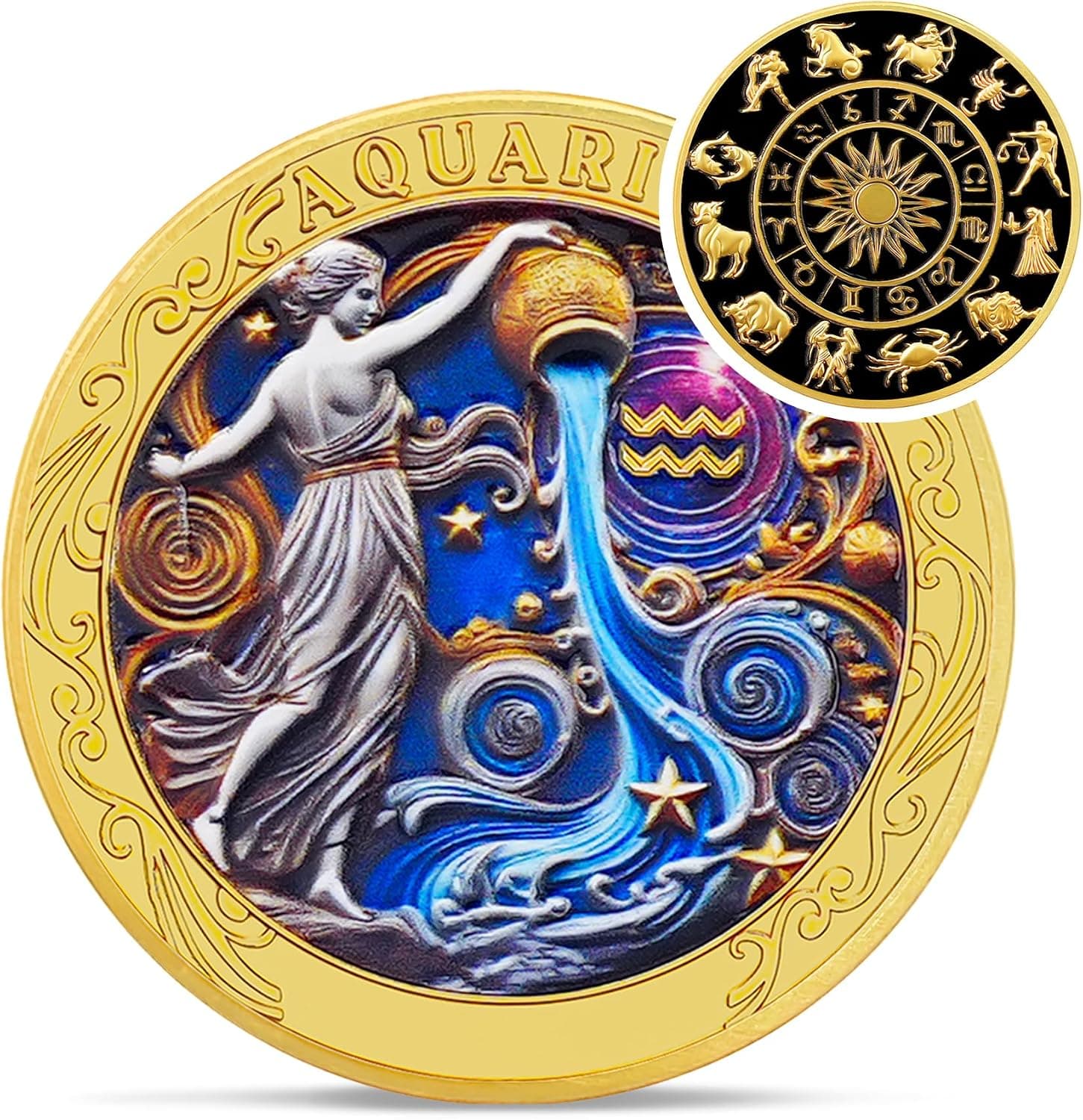 -20%
-20%Aquarius 12 Zodiac Challenge Coin - Twelve Constellations Aquarius Protective...
 -29%
-29%Karma and Luck March Birthstone Crystal Tree of Life, Aquamarine Gemstone Fen...
 -29%
-29%Karma and Luck July Birthstone Crystal Tree of Life, Ruby Gemstone Feng Shui ...
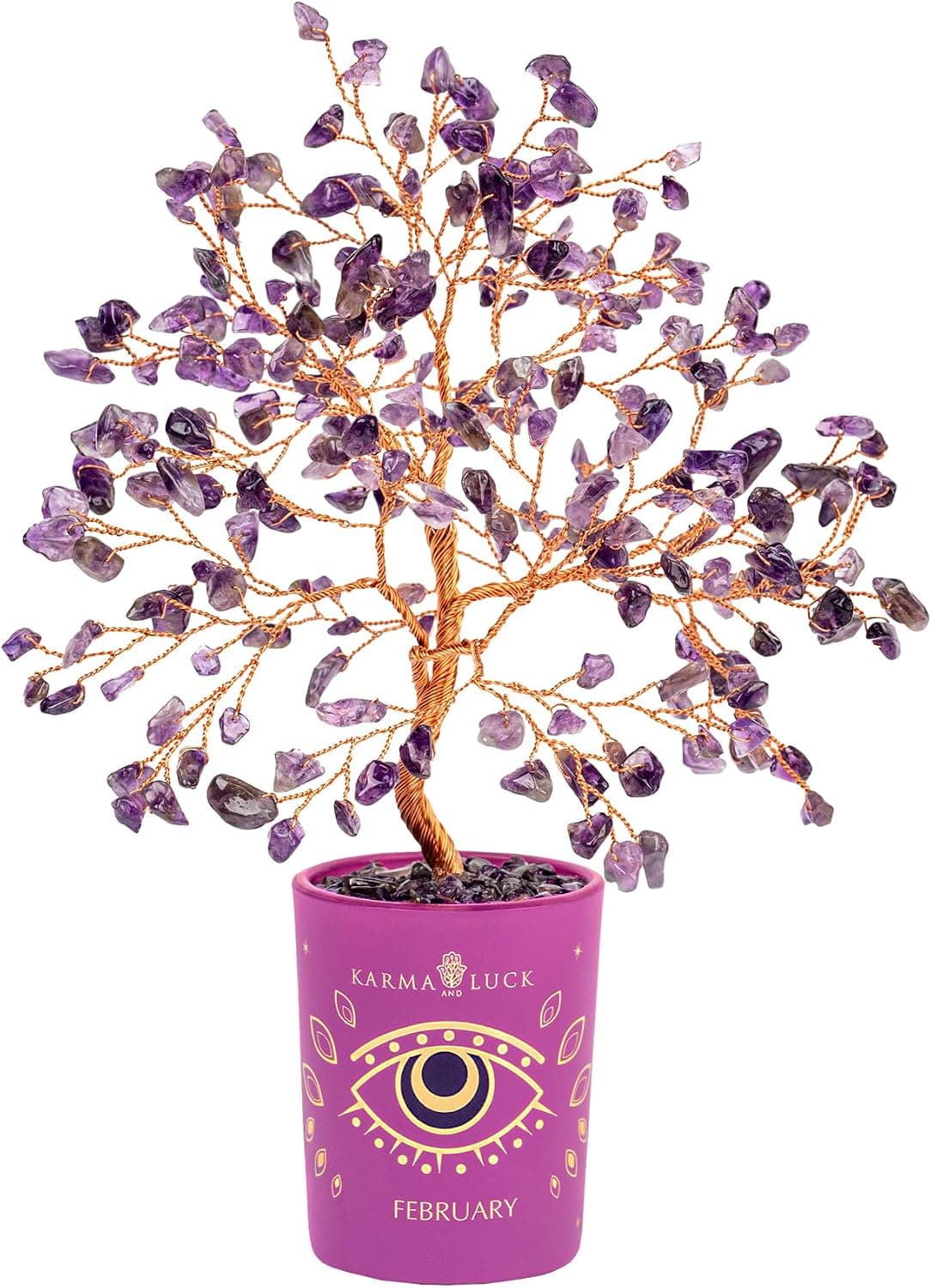 -29%
-29%Karma and Luck February Birthstone Crystal Tree of Life, Amethyst Gemstone Fe...
As an Amazon Associate, we earn from qualifying purchases. We only recommend items our practitioners have personally tested.
Continue Your Journey
Explore these related guides to deepen your understanding:

The I Ching Doesn't Answer Lazy Questions — Here's What to Ask Instead
8 min readConfucian Commentary Turns the I Ching Into a Moral Floor Plan
9 min readBroken Lines, Solid Lines, and the Real Yin-Yang Logic of the I Ching
11 min readThe Wilhelm I Ching Feels Deep Because It Slows Your Reading
11 min readReady for Deeper Guidance?
Try our free I Ching reading for personalized wisdom, or explore our curated Feng Shui essentials.